Our latest paper is now out in Nature Scientific Papers, and various popular outlets have picked up on it, such as this nice overview in Popular Archeology https://t.co/4nn4G5oTRi
A new paper by Eberhard Zangger and colleagues, on Lifting the Sky: The Cosmic Program on the ˁAin Samiya Goblet - discussed in The Ancient Near East Today https://t.co/ztLsF5iDI0
New paper out, in “Assyria and the West”! In it, I argue that the Hartapu inscription from Türkmen-Karahöyük is most likely of 12th century BC date, and refers to migrating Phrygian tribes that were entering Anatolia at that time. https://t.co/WnbRmv8WQc
The board of Luwian Studies met in Hannover, to discuss future research and development. We were kindly shown around the @LandesmuseumH by its curator, Dr Klimscha. Many thanks for a most fascinating introduction to a beautiful collection.
Out today in @ASOResearch ‘s “The Ancient Near East Today”: we present the foundation’s work on mapping and analysing Middle and Late Bronze Age sites in western Anatolia! https://t.co/x9dwnRXKt9
Many thanks for the kind words: we are honoured that the Consulate recognises our efforts to highlight the remarkable history of the Luwian world! We hope that the resources on our website are of interest,
3/5 Ülkemiz bu önemiyle dünya arkeolojisinin odağında yer almaktadır.
Zürih merkezli “Luvi Araştırmaları Vakfı” Batı Anadolu’da Tunç Çağı’na ait yerleşim yerlerinin kapsamlı verilerini içeren bir harita ve veri tabanı yayımlamıştır.
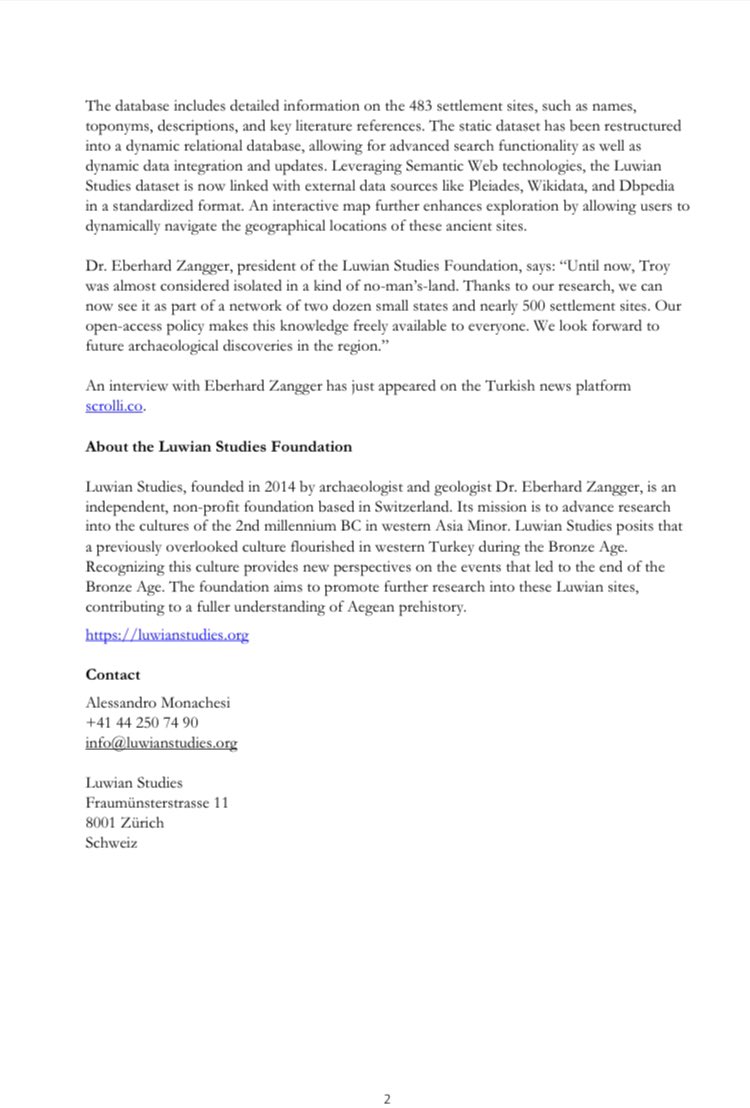
Great news from the land of the Luwians! Today, a new feature will become available via our website: a searchable database and interactive map, including nearly 500 sites. Freely accessible, we hope this tool will support further research on the protohistory of western Anatolia!
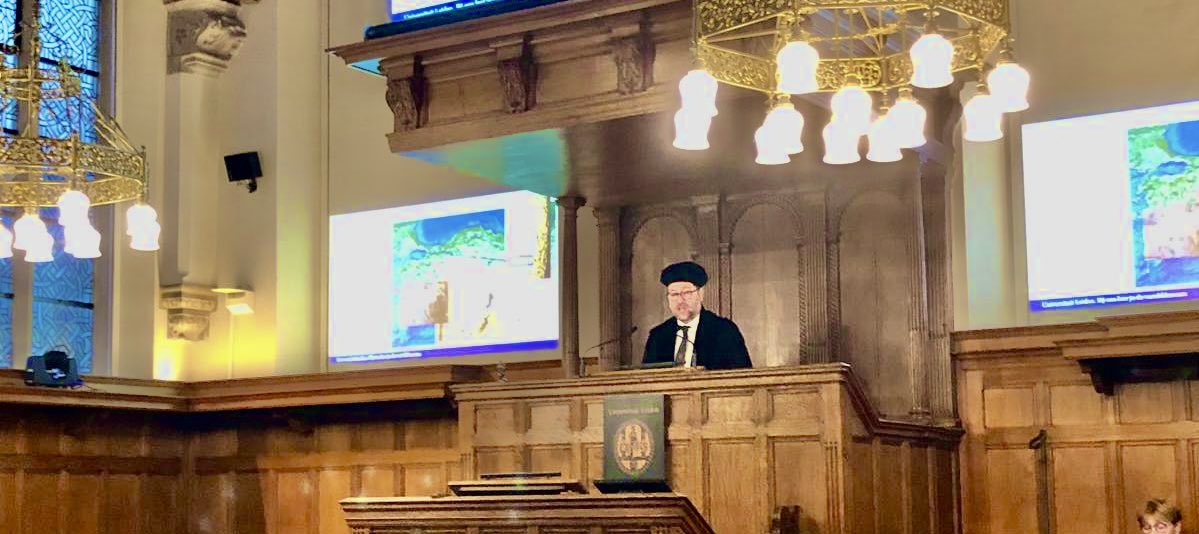
Congratulations PROFESSOR @AlwinKloekhorst@LeidenHum with a great inaugural lecture. We look forward to more of your work on Luwian and other Anatolian languages in the years to come!
4,000-year-old seal was found at the Tavşanlı Mound (or Tavşanlı Höyük) in Türkiye’s Kütahya province—located in the west of the Anatolian peninsula.
https://t.co/k7oGe6mrBO
Yazilikaya is an amazing site, and a representation of how the Hittites perceived the Kosmos. Eberhard Zangger and several colleagues have recently done a lot of work on it: you can read about it here 👉 https://t.co/0KlL10eMVg
Yazılıkaya is a Hittite rock sanctuary located near Hattusa, capital of the Hittites. Excavations have discovered a multi-room temple/building which appears to have been used as an area of worship. Below is the Procession of the 12 Underworld Gods discovered at chamber B.
Hurrah! A (very positive) review of our book “From 'https://t.co/zVM5JCXjHq' to 'Wanax'” (@sidestonepress ). Pleased that our aim -to challenge the paradigm and highlight alternative interpretations of the evidence- resonated with the reviewer. https://t.co/HlgI5zynR0
Happy to announce that my paper "Epigraphy, Archaeology, and our Understanding of the Mycenaean World" is now out in "The Ancient World Revisited" -the latest book in the @CSMC_Hamburg Studies in Manuscript Cultures. It is open access, available here: https://t.co/DgmRlVcBii
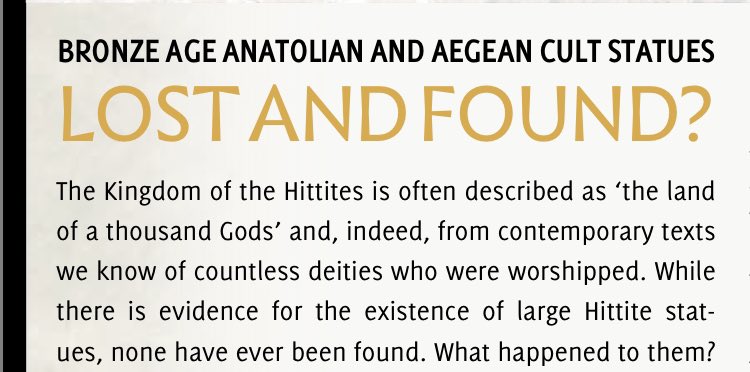
Om nom. Proofs of my paper in @AncientHistMag on lost Hittite and Mycenaean statues. Building on my previous suggestion that a Hittite silver fist-shaped rhyton may not, in fact, be such a ceremonial vessel, I identify some other suspicious objects -this time in Greece..
Exploring the magnificent Mycenaean fortress of Gla in Boeotia, with Barry Molloy. The site is huge; some 20ha or so, and recent digs suggest there was far more occupation than previously thought.