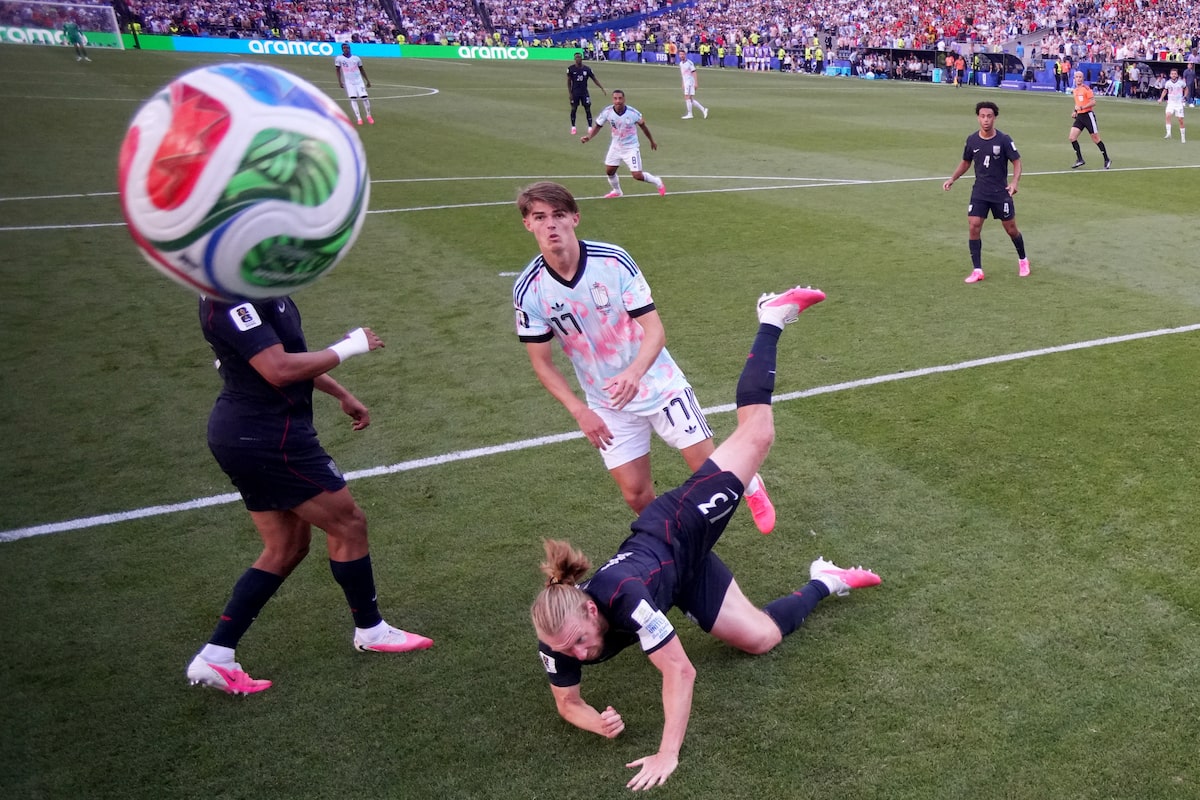
FIFA is selling genuine pieces of the 2026 World Cup final pitch for $450
Each will contain a fragment of the playing surface preserved in an acrylic display and be shipped after the final on July 19
The Trump administration approved three new “forever chemical”-based pesticides last week for use on food crops, including corn and soybeans — the most widely grown crops in the country — as well as wheat, kiwi, oats, peas, broccoli and coffee.
These new chemicals — diflufenican, epyrifenacil, trifludimoxazin — have all been quietly approved without a standard press release.
Trump approved other PFAS-based pesticides cyclobutrifluram and isocycloseram earlier this year, and the first food use of chlormequat — which is already found in 90% of Americans’ blood.
An EPA scientist wrote in the approval documents that at least one of these new PFAS-based pesticides is “suggestive evidence of carcinogenic potential.”
These approvals come just days after the Supreme Court sided with chemical maker Bayer and the Trump administration in limiting Americans’ ability to sue pesticide companies for harms linked to pesticides.
Now, Americans will have a harder time holding companies accountable for the cancer-causing effects of their pesticides.
“Hacks” earned 24 #Emmys nominations, breaking the record set by “Schitt’s Creek” for the most nominations ever received by a comedy series in its final season.
https://t.co/GrQ2dmiZEv
The Social Network got made because Sony owed Mark Zuckerberg nothing. No studio can say that about Sam Altman anymore.
That gap explains why a finished Guadagnino film, Andrew Garfield playing Altman, can't find a buyer. The script makes Altman a pathological liar and Ilya Sutskever the idealist his board tried to protect. Strong material. The reason no one will touch it sits off the screen: the subject is now the biggest customer in the building.
Amazon developed the film, then walked months after wiring $50B to OpenAI for AWS compute. A24 passed, and A24 sits behind Thrive Capital, which holds an OpenAI board seat. Netflix, Focus, and Warner's Clockwork all carry AI bets of their own. The buyer pool maps cleanly onto OpenAI's cap table, and no one can premiere a hit piece on the company underwriting their cloud roadmap.
Here's the part worth sitting with. Vertical integration promised control: own the studio, own the pipe, own the model. The bill arrives now. A film industry fused to its own infrastructure partners cannot finance criticism of them. The merger logic became the censor.
The historical rhyme is almost too clean. United Artists was founded in 1919 by Chaplin and three fellow artists to escape exactly this kind of studio capture. That label now sits inside Amazon MGM, the company that just dropped the film to protect a tech deal. The release valve built a century ago got swallowed by the thing it was built to escape.
So Mubi and Neon are the only names left, and it has little to do with taste. They took none of OpenAI's money, which leaves them the only distributors free to tell the story of what that money does. A film about a mission captured by capital is being orphaned by capital capturing its distributors. The industry is re-enacting the plot it's too compromised to release.