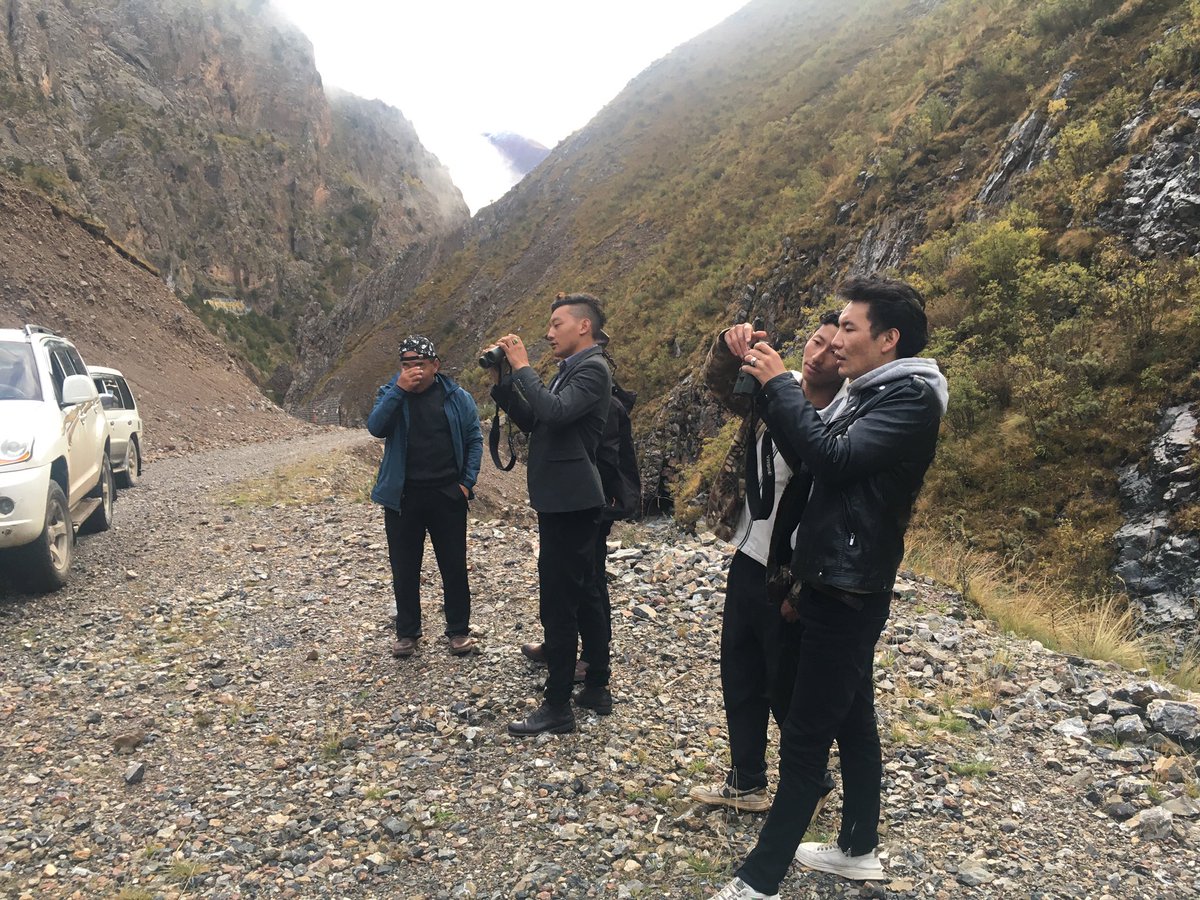
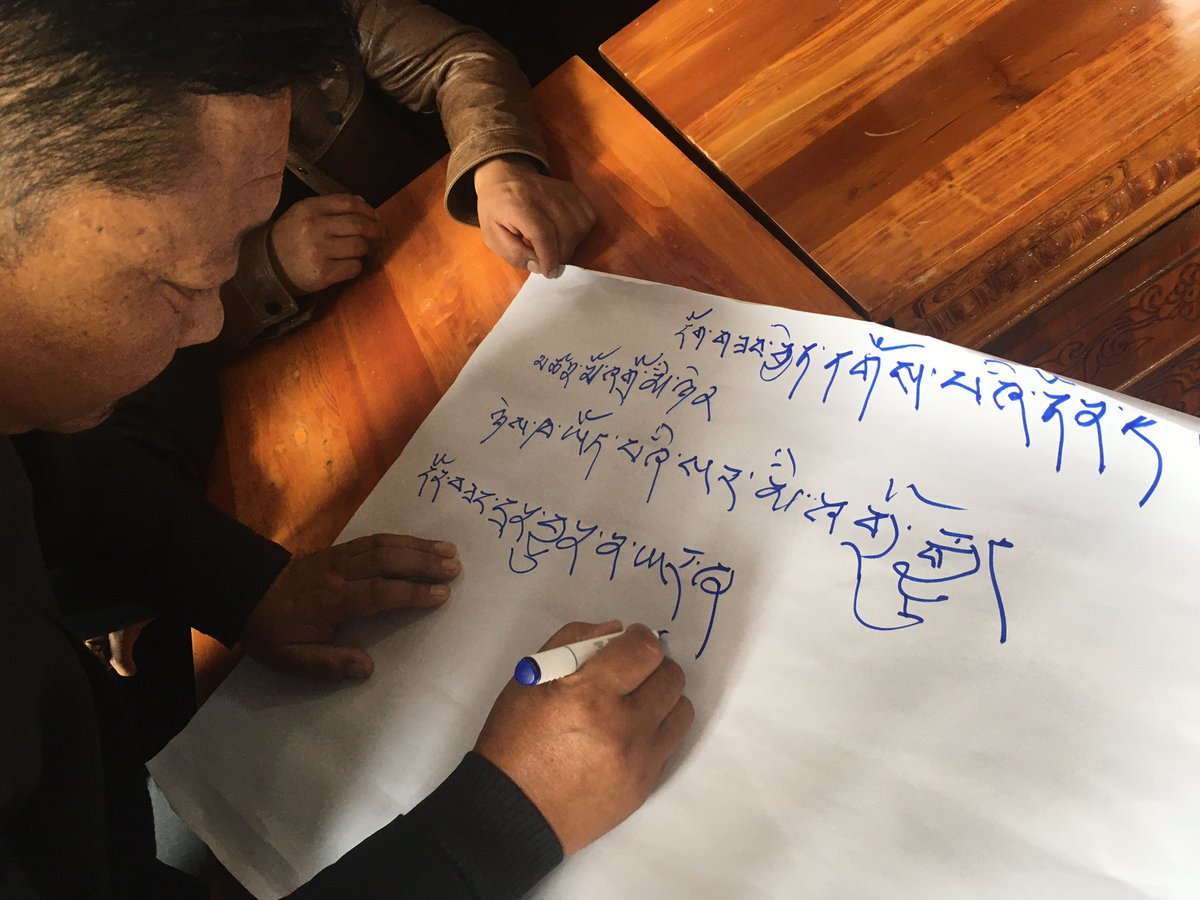
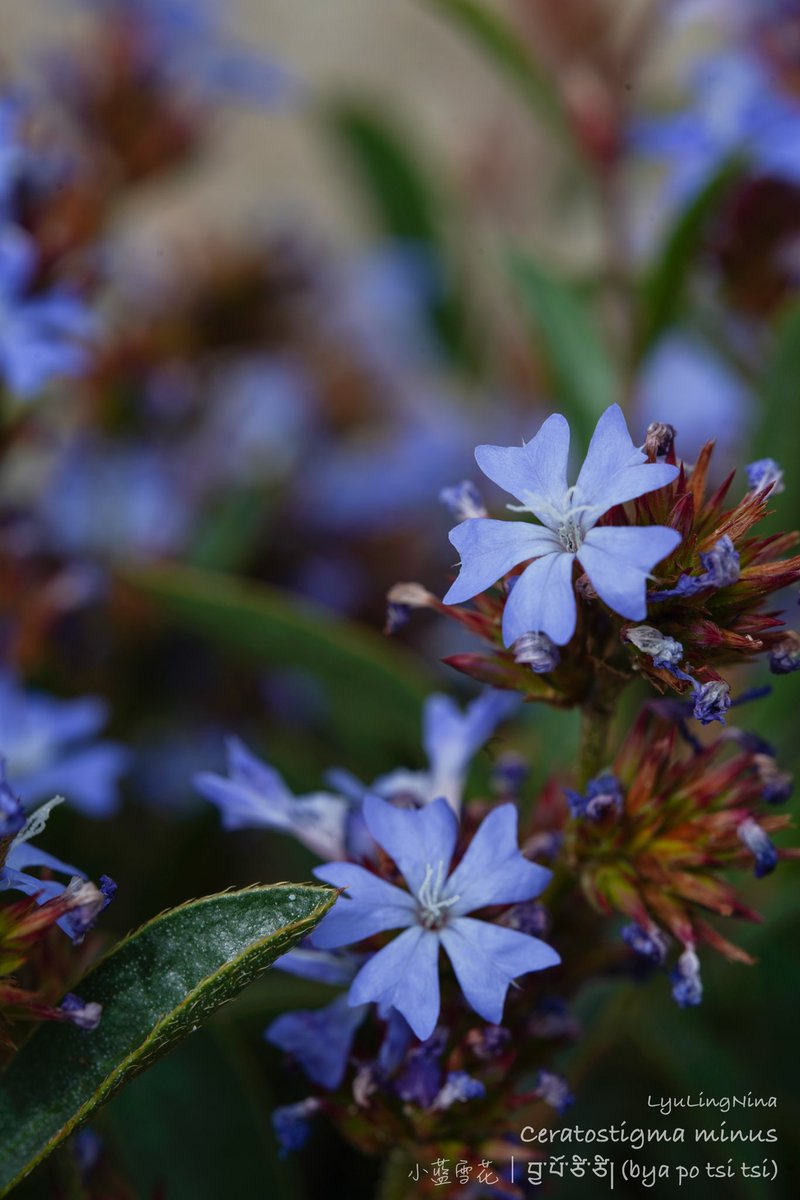
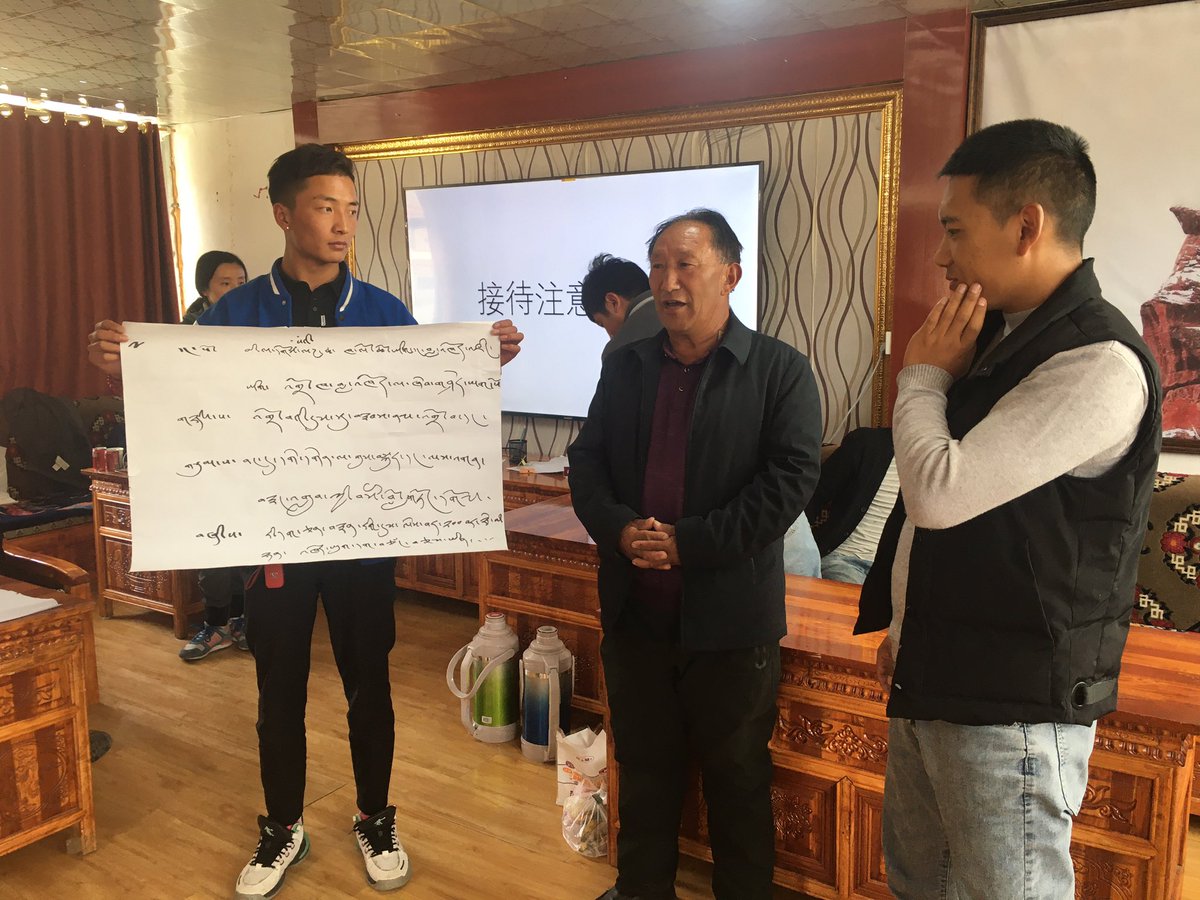
Wonderful to be back in the #ValleyOfTheCats with @ShanCenter to refresh the training of local guides and to review the progress of the community-based wildlife tourism project. Great to see more young people involved and how resilient the community has been through Covid.
Parnassia brevistyla
短柱梅花草
སུམ་ཏིག་རྐང་ཐུང་།(sum tig rkang thung)
(It wasn’t in full bloom and was a bit difficult to recognise the characteristics, though I still think it’s Parnassia brevistyla based on its ovary-cordate or ovate leaf, etc and the its location😀)
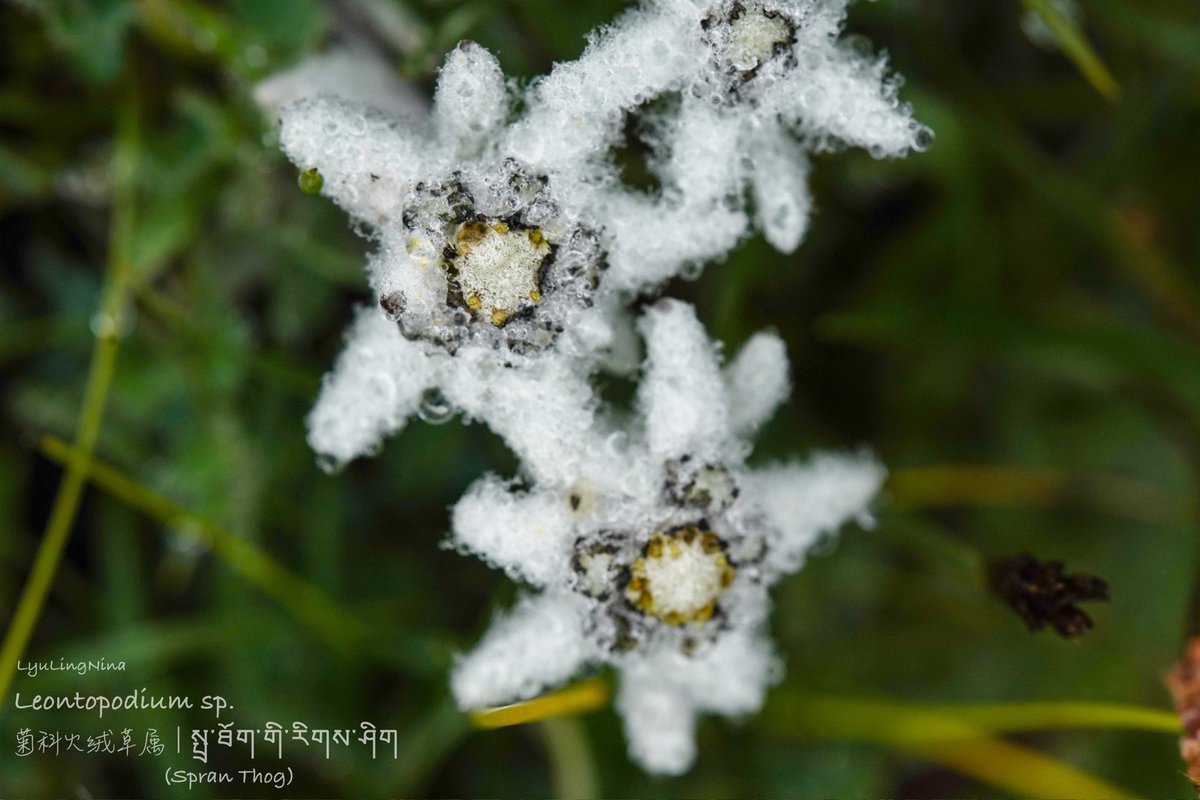
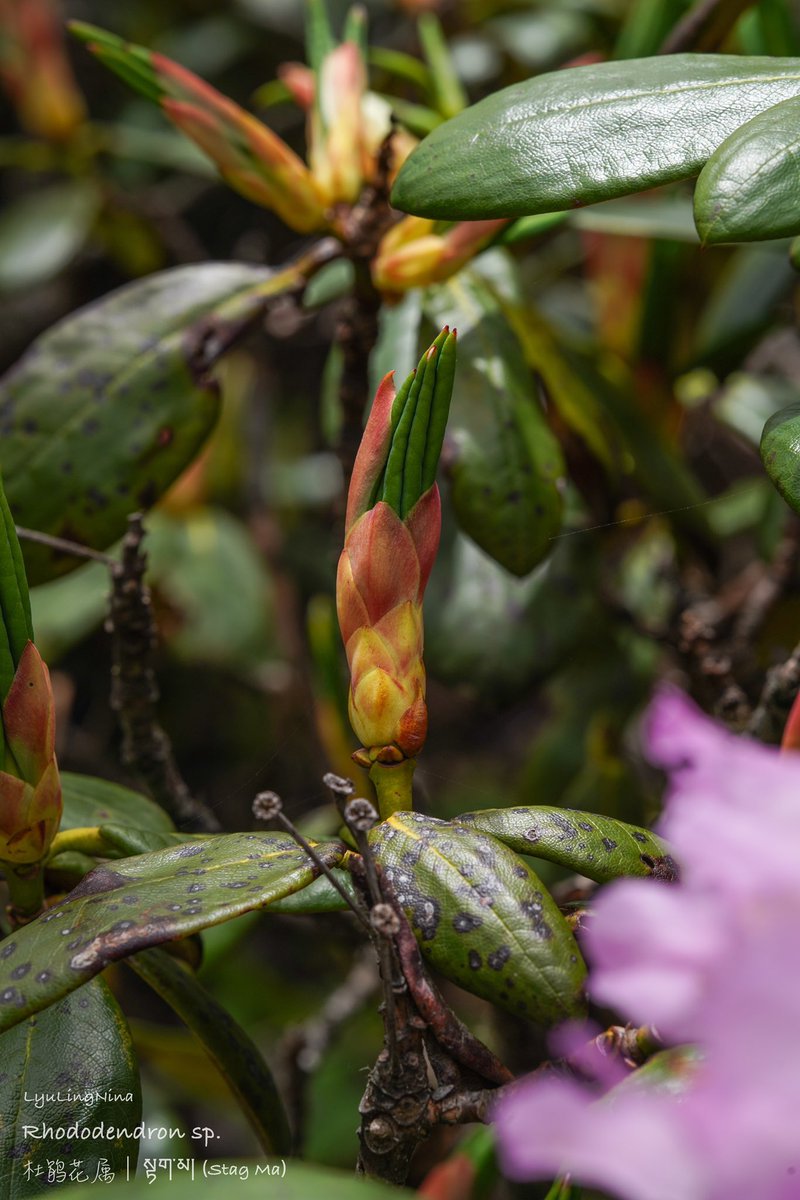
Leontopodium sp.
火绒草属|སྤྲ་ཐོག་གི་རིགས་ཤིག
སྤྲ་ཐོག means Leontopodium
གི་ marks the former noun as the possessor of the latter noun
རིགས་ཤིག means a specific kind of something
(Just learnt how to refer to “Balabala sp.” in Tibetan 🤣)
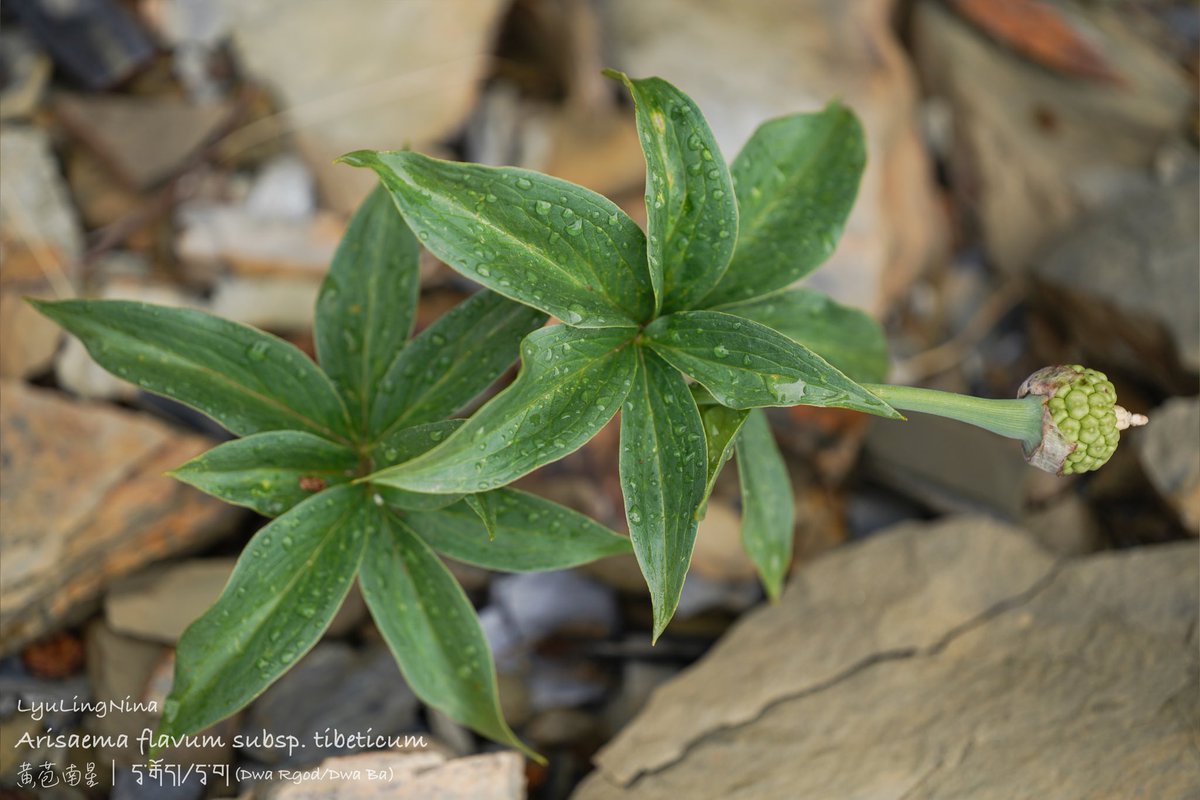
Arisaema flavum subsp. tibeticum
黄苞南星
དྭ་རྒོད།(Dwa Rgod) according to online resources or དྭ་བ།(Dwa Ba)- the name used in གཡུ་ཐོག་སྔོ་འབུམ།-Gyu Thog Sngo Bum-a book on materia medica, written by Tibetan herbologist ཡོན་ཏན་མགོན་པོ་-Yuthok Gonpo-云旦衮波.
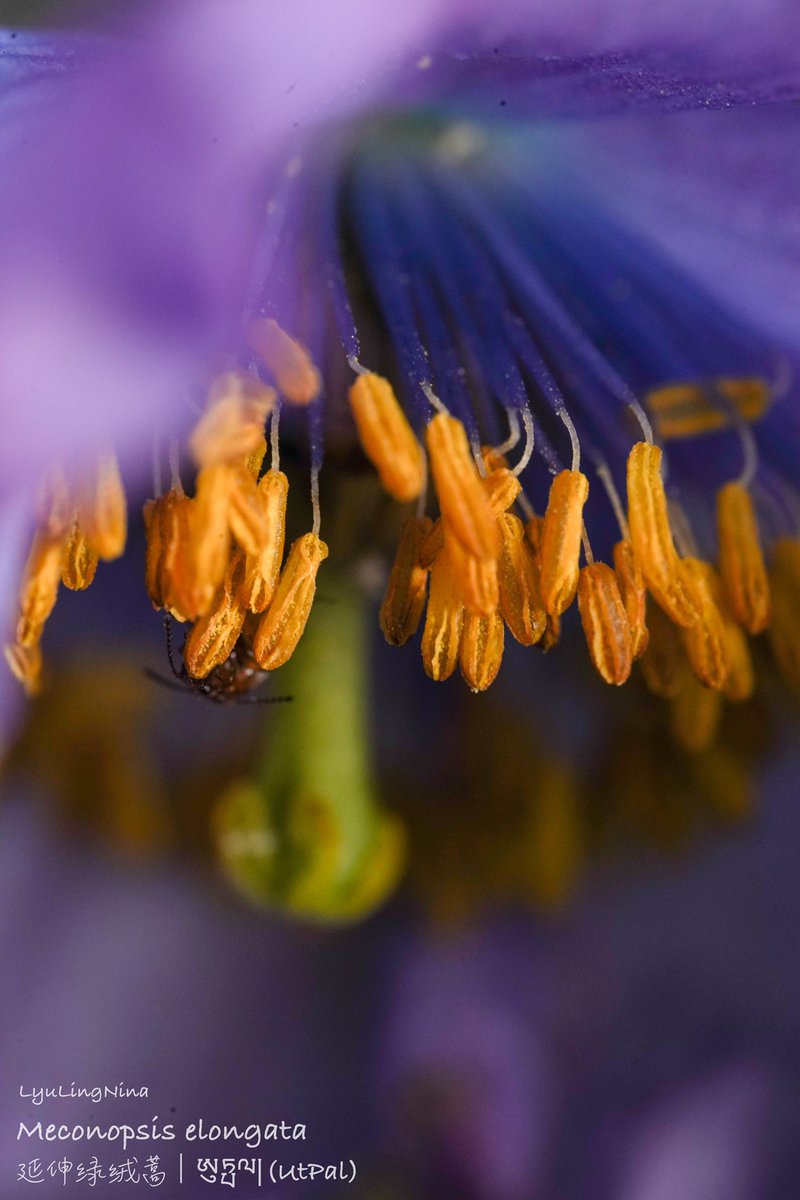
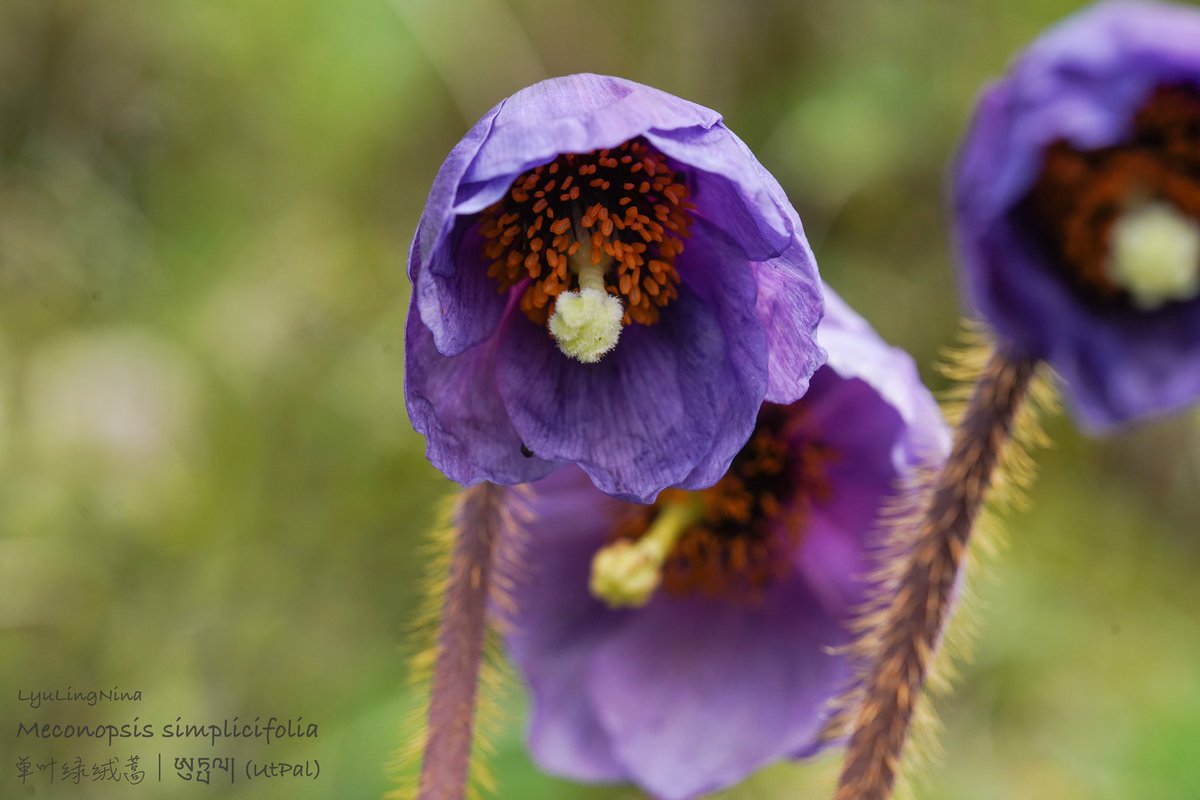
Meconopsis elongata
延伸绿绒蒿|ཨུཏྤལ།(UtPal)
First discovered in western Bhutan by Toshiba Yoshida, Rinchen Yangzom, and David Long in 2016. We found it in གྲོ་མོ་རྫོང-Gro Mo Rdzong-亚东.
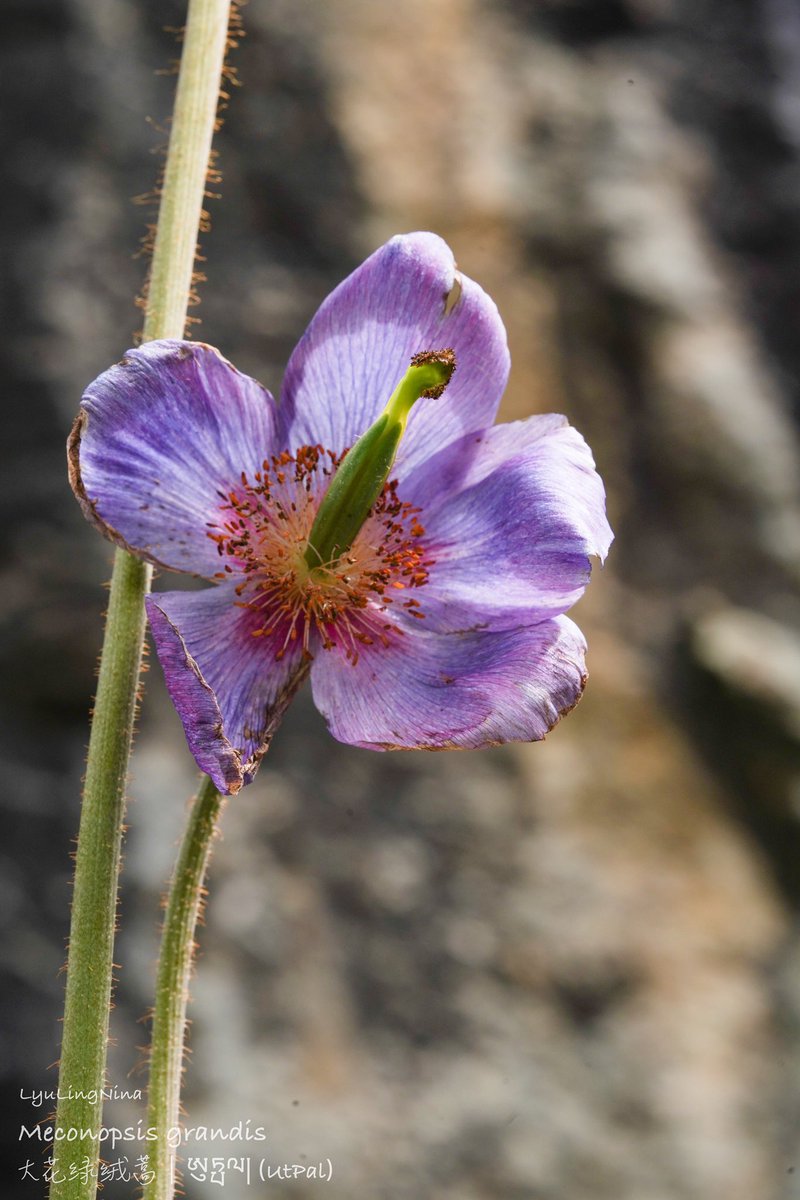
Meconopsis grandis
大花绿绒蒿|ཨུཏྤལ།(UtPal)
Found it in the pile of discarded M. grandis stems and leaves. Some Meconopsis species are widely used in traditional medicine and now they are threatened with extinction from overharvesting.
#floraofhimalaya#meconopsis
Meconopsis grandis
大花绿绒蒿|ཨུཏྤལ།(UtPal)
Just learnt that I was wrong to put hyphen ་ between Tibetan syllables ཨུ and ཏྤལ. According to བོད་ཀྱི་སྨན་སྤྱོད་རྩི་ཤིང་ཨུཏྤལ།, the Tibetan word ཨ��ཏྤལ་ (Meconopsis) was borrowed from Hindi so the two syllables were not segmented.