Absolutely thrilled to share our work recently published in NAR molecular medicine on identifying a non-coding RNA (ncRNA) signature associated with skeletal muscle remodelling. Below is a thread of some (but not all 😉) interesting findings https://t.co/D1JfR5XMPW
The wait is finally over! I'm so happy to receive my @binding_broken copies of Malazan. They are incredibly beautiful. Also, my cat really enjoys the box 😂
& note Illumina seq only measures in total 20% of lncRNA & each muscle illumina seq can't reproducibly that 20% (different set each spin of the wheel) as you can see from Jon's plot.
Absolutely thrilled to share our work recently published in NAR molecular medicine on identifying a non-coding RNA (ncRNA) signature associated with skeletal muscle remodelling. Below is a thread of some (but not all 😉) interesting findings https://t.co/D1JfR5XMPW
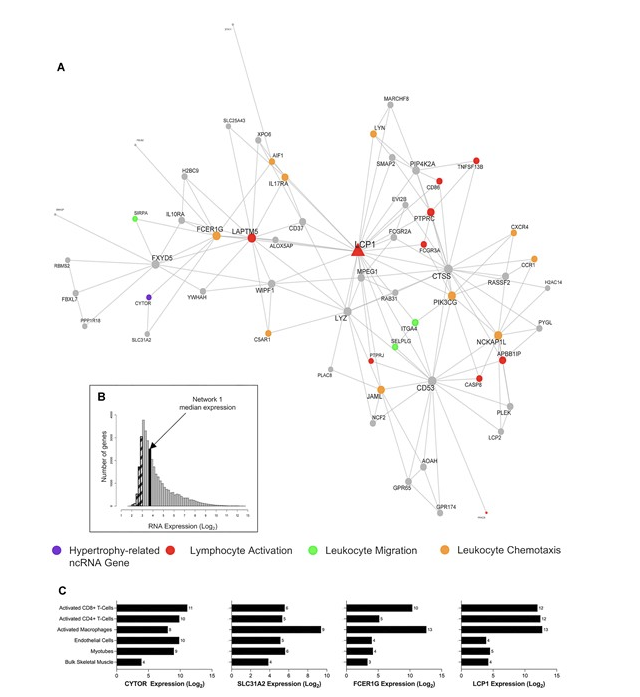
We used 437 resting human skeletal muscle samples in a robust network analysis and found that some of our ncRNA candidates mediate their association with muscle growth via multiple different cell types (e.g., CYTOR is associated with an enriched immune cell network/response).
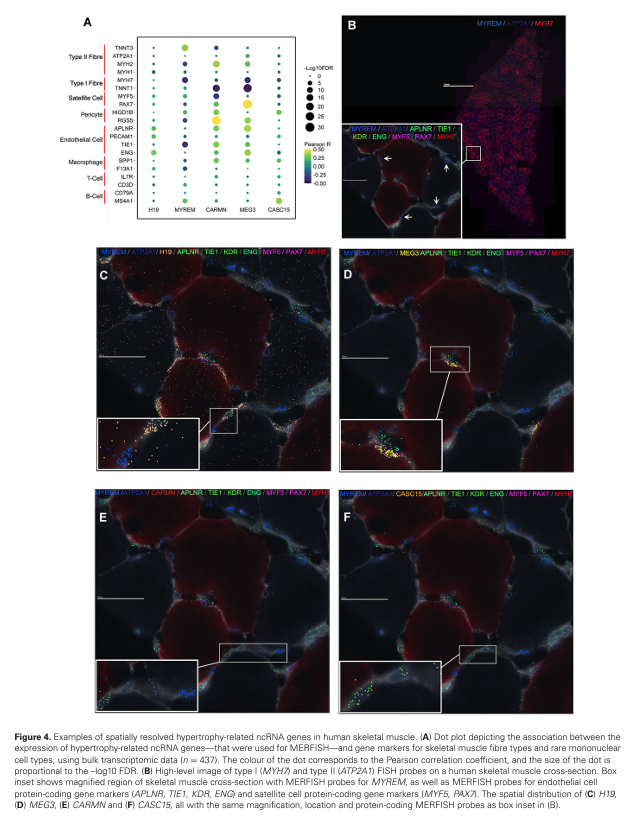
Detailed illustration of how modelling of bulk transcriptomic data (Custom Affymetrix HTA & no not random WGCNA) provides information about rare cell types (<1% of bulk)
@MACleod_JC studies long noncoding RNAs during muscle hypertrophy - 90% missed by illumina bulk RNAseq @thermofisher
Network-based modelling reveals cell-type enriched patterns of non-coding RNA regulation during human skeletal muscle remodelling https://t.co/b8kYS3p8QJ
Excellent visit to @queensu today, thx to Principal Patrick Deane and the inspiring faculty and students for the great hospitality. Enjoyed learning about dark matter from Art McDonald & the lab tour with @cathleencrudden. Nice to see firsthand the impact of @NSERC_CRSNG funding.
This incredible project could not have been possible without the stellar co-authors! Huge shoutout to the senior authors and my mentors on this project @metapredict@mackinprof
To provide functional context for these ncRNA genes, we used quantitative network modelling (using 437 baseline muscle samples) of protein coding genes and ncRNA genes and used spatial images to identify potential cell-specific locations!