Multidisciplinary Analysis of Geothermal Microbes in Antarctica; an international Marsden fund project studying the microbes that inhabit subsurface Mt. Erebus
We've returned from our work in Antarctica! We had success in our drilling operations and have a boatload of cultures growing in the incubators. For more information on what we've been up to, head over to our Facebook page, which we will keep updating:
https://t.co/VCck2XbC5D
If you'd like to follow along with our field deployment in Antarctica (in 3 days!!), please see our Facebook page for updates as we will not be updating this account during deployment.
https://t.co/VCck2XbC5D
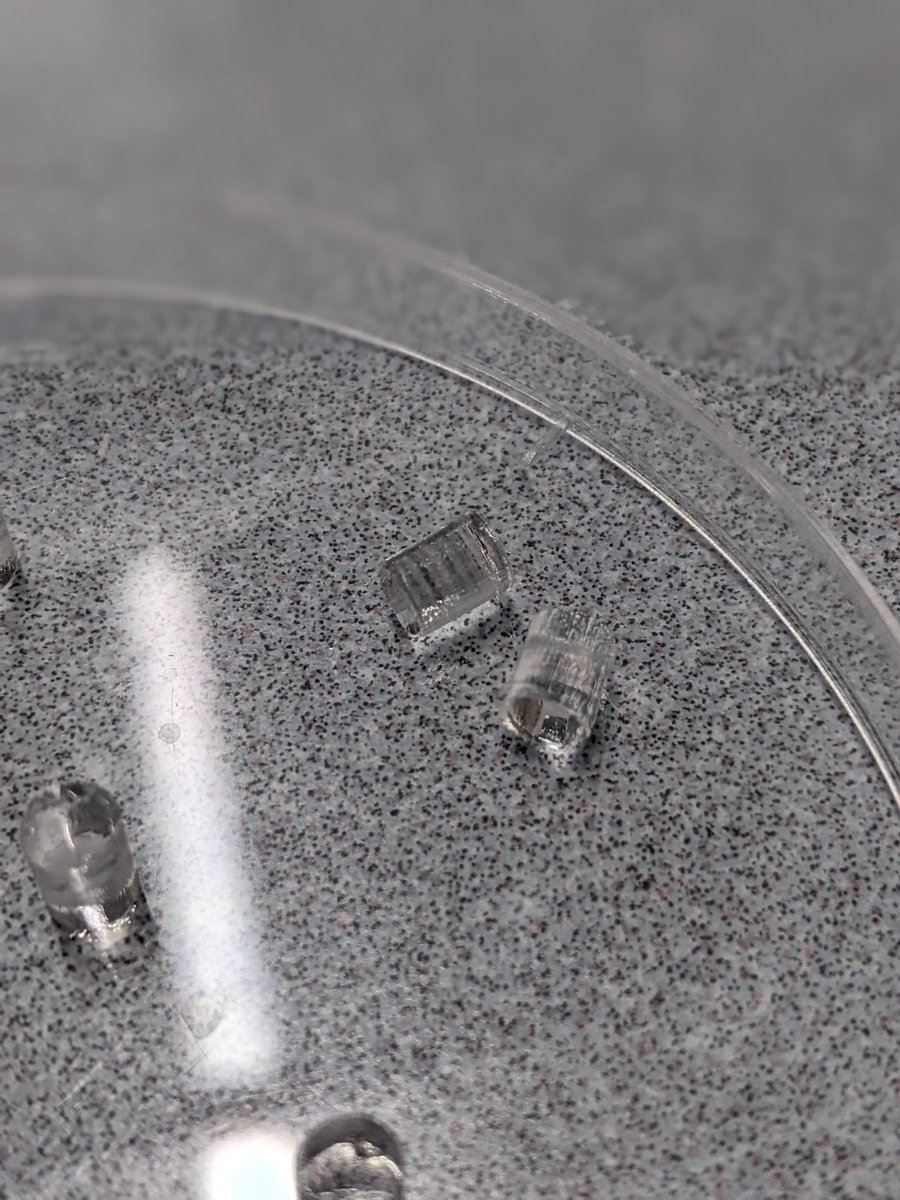
Some things in science aren’t so glamorous…like spending endless hours punching holes in tape and cutting filters for culturing devices!
>12 hours of work later, 28 devices have been successfully assembled and are ready to go to Antarctica. 2 weeks till deployment!
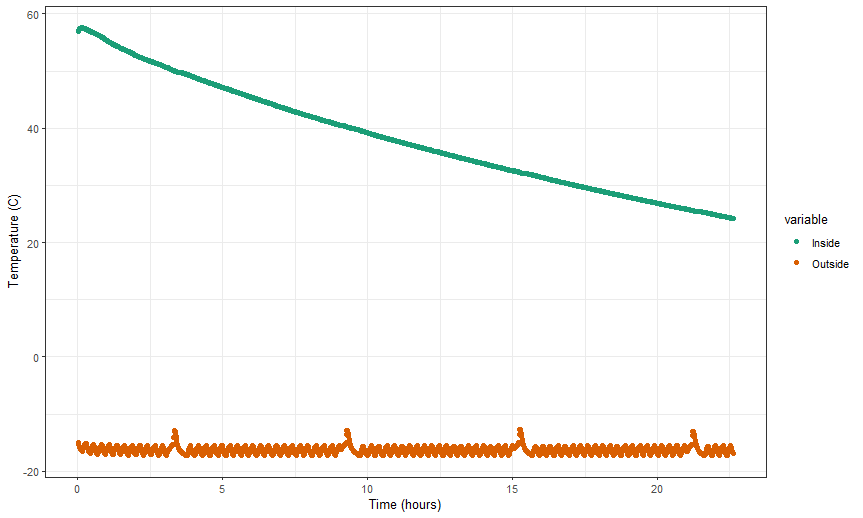
Planning for fieldwork on Erebus requires going over every step of the process. One important step is when we're collecting subsurface hot soil samples (50-70 C, 120-160 F) on Erebus, we need to keep the microbes inside these samples from freezing... (1/3)
when they're brought to the surface, where temperatures will be around -20 C (-4 F). We plan to use a hot box to keep them warm: a cooler (known in NZ as a chilly bin) with containers of very hot water. (2/3)
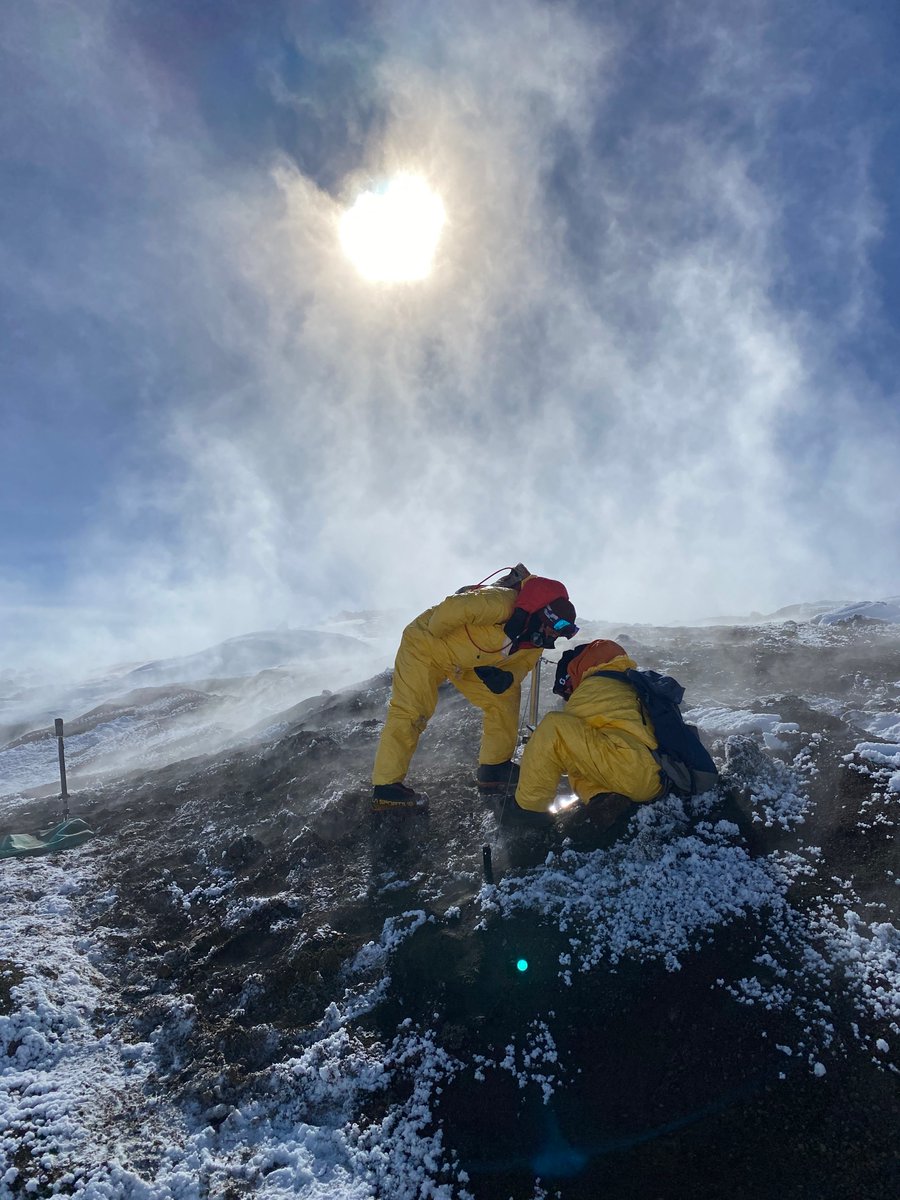
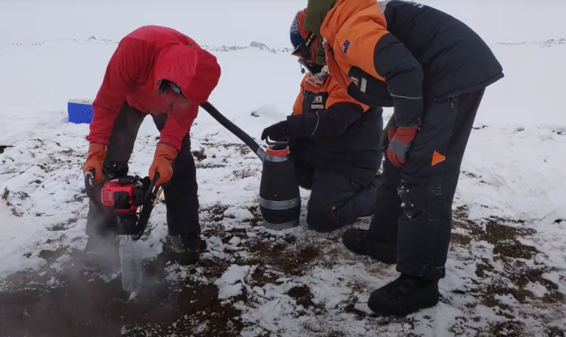
A bit about our field season: we will be helicoptering up to Mt. Erebus, the southernmost active volcano in the world, and drilling ~4 meter holes in geothermally heated soils, with the goal of culturing new subsurface microorganisms unknown to science!
Pictured: test drill, 2019
We are gearing up for our upcoming field season on Mt. Erebus in Antarctica this year, doing our final planning and testing at the moment, packing soon! Stay tuned to see what it’s like to get ready for work in Antarctica and a bit about what we hope to accomplish this year…
In science, for every 1 day of amazing things (working on a volcano in Antarctica, discovering new microbes, etc), there are at least 100 days of mundane work, like punching holes in tape for hours...
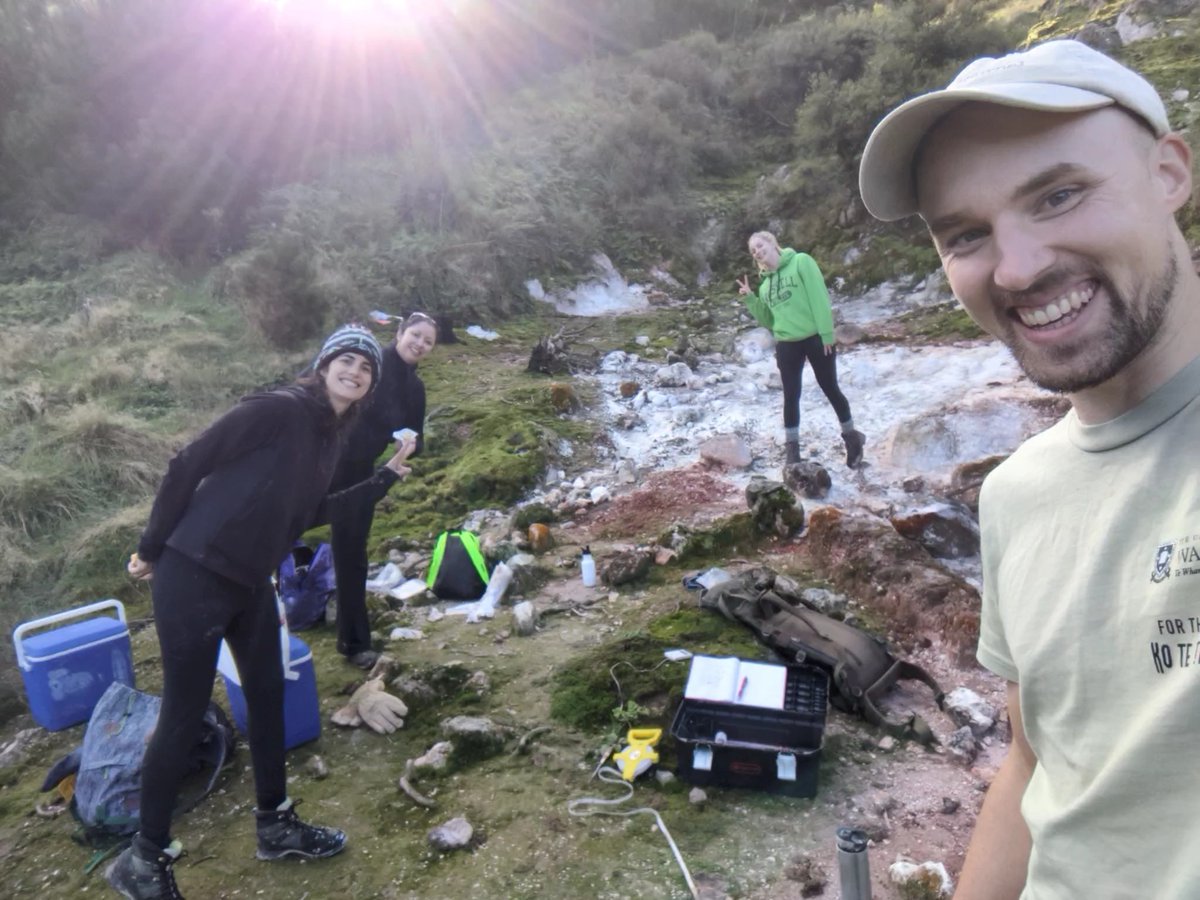
However, all signs are pointing to our project being back on again for the next two summer seasons (2023 and 2024). In the meantime, watch this space for updates on our fieldwork at geothermal sites in New Zealand! There might even be some bacteria pictures at some point...
Sadly, we recently got the news that our trip to Antarctica was cancelled by Antarctica NZ. This was in part due to a backlog of projects that has built up over the last few years due to Covid, meaning that they didn't have the space or resources for our project this year.
Some days are great for fieldwork, like when we put some test devices down our drill hole under clear blue skies. And some days are not good for fieldwork, like when we went back 2 weeks later to retrieve them and it was pouring rain the whole time!
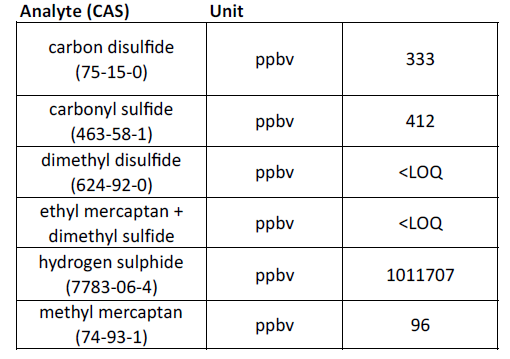
Have a look at the concentration of hydrogen sulphide (rotten egg smell) in the gas coming out of the drill hole at our geothermal site! That's equivalent to 0.1% hydrogen sulfide or 1000 ppm...
Yet despite its toxicity to humans, there are quite a few microorganisms who thrive in this environment...hopefully more on this in the coming weeks/months!
which is, incidentally, 10 times higher than the level that NIOSH (National Institute for Occupational Safety and Health) says is immediately dangerous to human health. Good thing we don't stand around breathing this stuff all the time!