Excellent graphic! Appreciate the combo of information relating to both the factors driving poor health outcomes among homeless populations but also meaningful solutions to combat their most pressure barriers to health care.
#Homeless patients suffer the consequences of multiple systemic failures with worse clinical outcomes. Check out our infographic on factors influencing the health of these patients as well as interventions to improve their health outcomes.
A great way to illustrate the multiple components that we, as healthcare providers, don’t necessarily have the opportunity to appreciate in our daily lives. This illustration shows how multifactorial social determinants of health are for individuals!
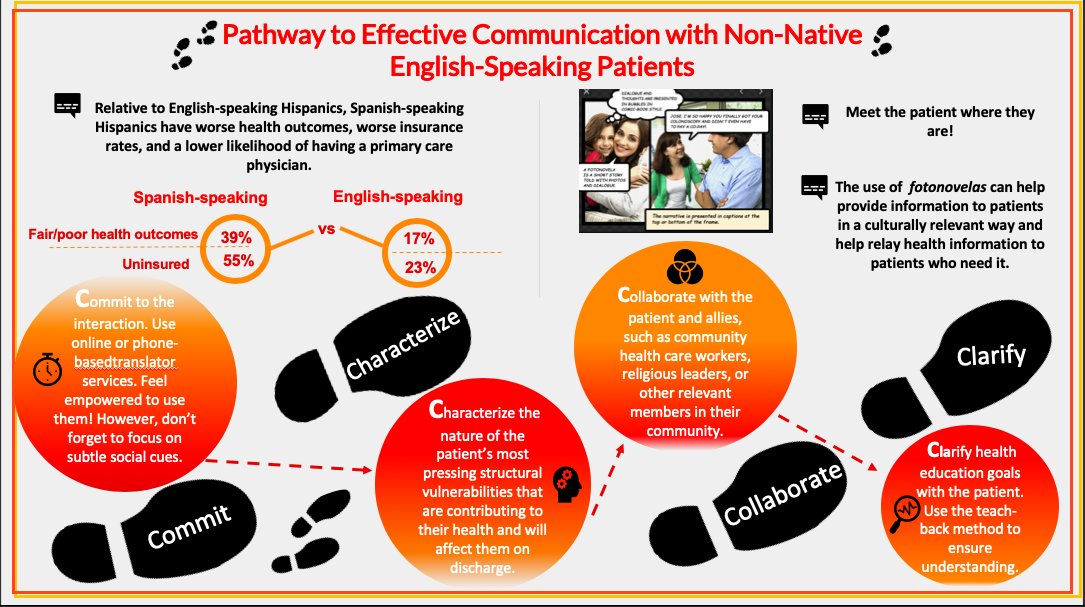
The non-native English speaking patient population deserve to have positive experiences with the healthcare system. How can we, as providers, help to ensure this? Improve, rethink, and reframe our approach to communication!
@lgu208 This is a great point for us, as providers, to be cognizant of how we may or may not be presenting similar information differently to different patient populations (in terms of encouraging/educating patients about early screening)
@Susana_md14 Great insight! I recognize this is not addressing the root cause of the issue you have brought up, but I wonder if we can say anything about quality of care within prison facilities based on these data. Is this an area which necessitates advocacy?
Deaths in U.S from opioid overdose have been rising since 1999 per @CDCgov with 130 ppl/day dying according to @NIDAnews. known that areas of low economic opportunity hit harder by opioid crisis
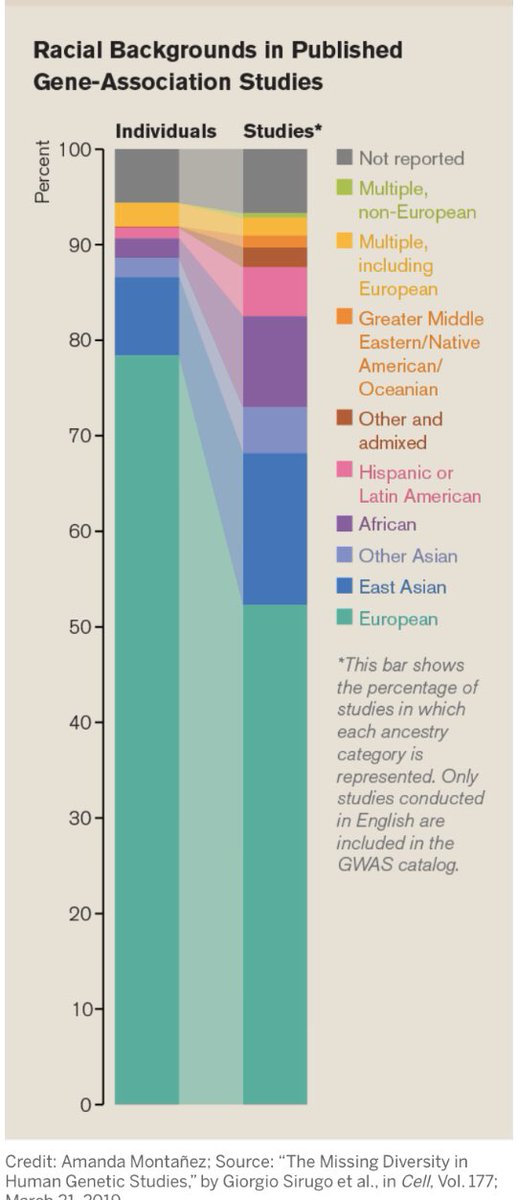
All of Us is a research effort by the National Institutes of Health aimed at addressing this gap that seeks to gather input from participants as well as researchers to gather more genetic data on diverse patient populations. See https://t.co/W8RNsG6uW7 for more info!
Why does this discrepancy exist? Drugs development and design is often based on genetic data but these data are not representative of all the populations they intend to serve. Genome wide association studies (GWAS) are composed of nearly 80% white Europeans.