We're a membership org' for Conservancies in the Greater Mara Ecosystem. Our Conservancies are based on a partnership between landowners & private investors.
This World Environment Day, we reaffirm our commitment to making conservation work for communities and wildlife—creating a future where both thrive together.
This week, we engaged with the Naboisho Conservancy Landowners Trust Board of Trustees and conservancy management during a workshop in Naivasha focused on implementing the Trust Deed (Constitution) ahead of the June conservancy elections.
Led by our Chief Programs Officer, Daniel ole Muli, the sessions focused on strengthening compliance, governance, accountability, and landowners’ participation in exercising their democratic rights.
These engagements align with our commitment to building inclusive, resilient, and well-governed conservancies across the Mara landscape.
#ConservationGovernance #CommunityLeadership #MaraConservancies #InclusiveConservation
“It is not capacity that communities lack, but access to the right kind of funding and partners.” - Dickson Ole Kaelo
Conservancies have the space, what they need is to be financed well to make them effective.
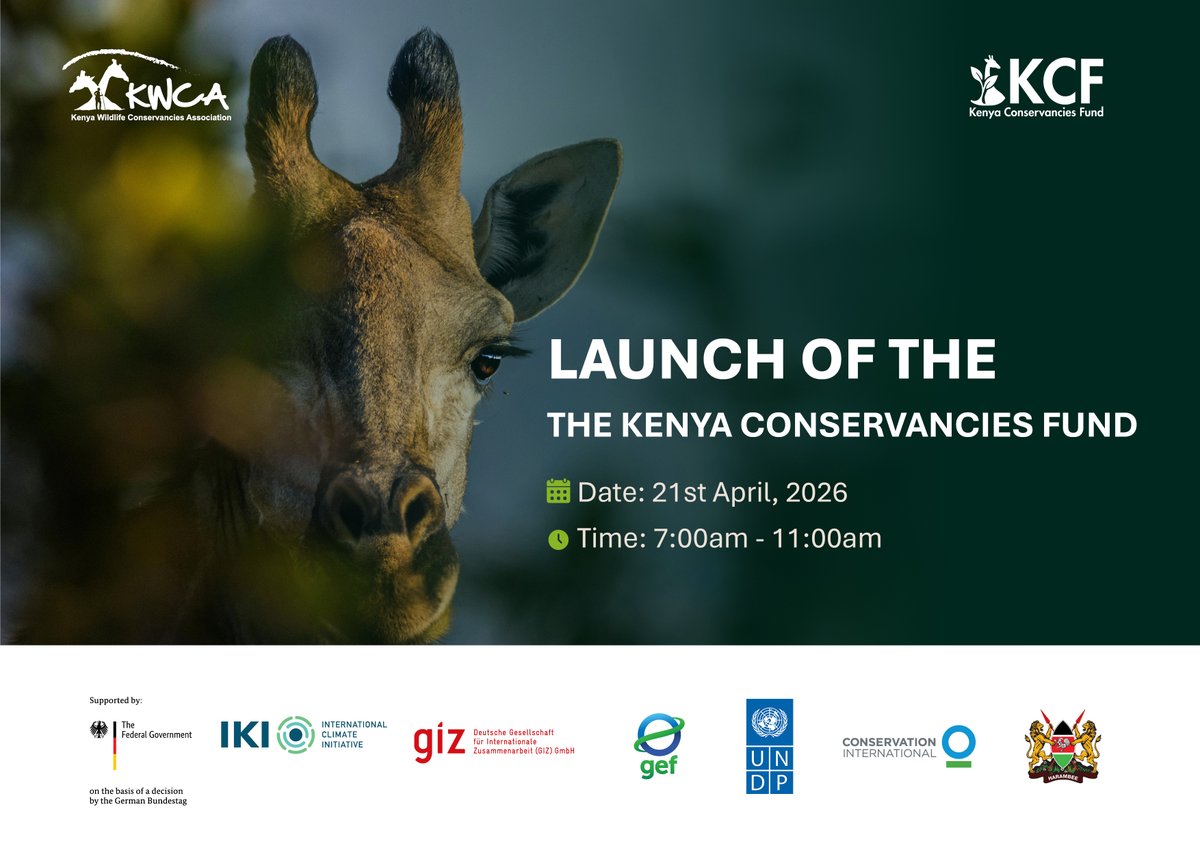
This is why we are launching the Kenya Conservancies Fund.
It is an opportunity to come together for a common goal to preserve a shared resource.
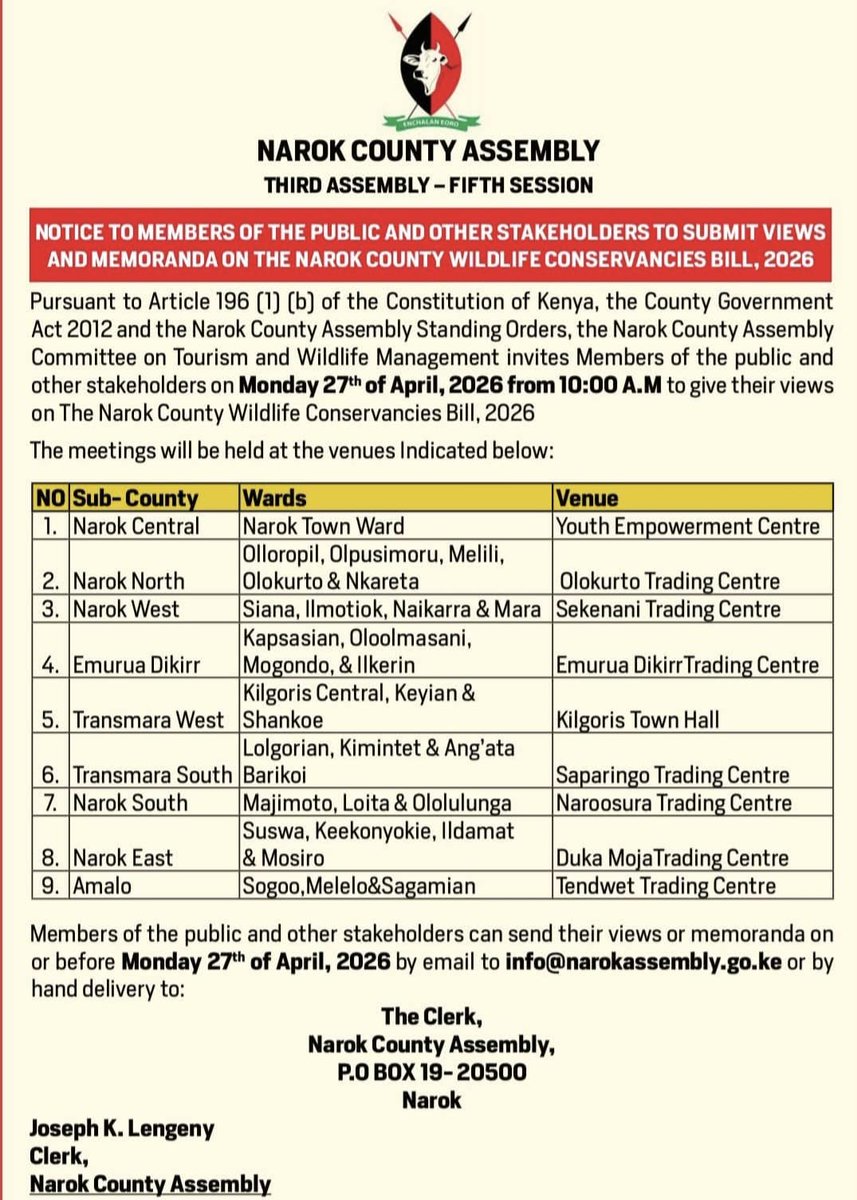
A new chapter for conservation is taking shape in the County of Narok.
Together with the County Government of Narok and partners, including the Kenya Wildlife Conservancies Association, we have been supporting the development of the Narok County Wildlife Conservancies Bill 2026—a transformative step towards strengthening conservation and community livelihoods in the County.
The Bill seeks to:
a) Recognize, promote, support, and facilitate the establishment, sustainability, and development of conservancies in the County;
b) Provide an opportunity for collaboration with other partners to provide technical support to conservancies;
c) Support conservation education awareness and capacity building, and promote good governance and management of conservancies; and
d) Provide mechanisms for intermediate financial support for families and victims of wildlife attacks and losses.
Please join the public participation forums organised by the Narok County Assembly and share your views, experiences, and ideas.
Check the attached 👇poster for dates and venues near you.
Yesterday marked the close of the IMARA program—a 7-year initiative driving community-led conservation and climate resilience across the Mara ecosystem.
Through partnerships with @WorldVisionKE, SIDA, Govt of Kenya & others, IMARA strengthened livelihoods, restored ecosystems, improved governance & empowered women and youth.
In Narok, the impact is clear: better water access, sustainable grazing, stronger conservancies, and inclusive conservation.
We remain grateful to all partners and communities who made this journey possible. The legacy continues.
In partnership with the One Mara Carbon Project (OMCP), we continue to engage with the youth from the Mara landscape on their involvement in conservation
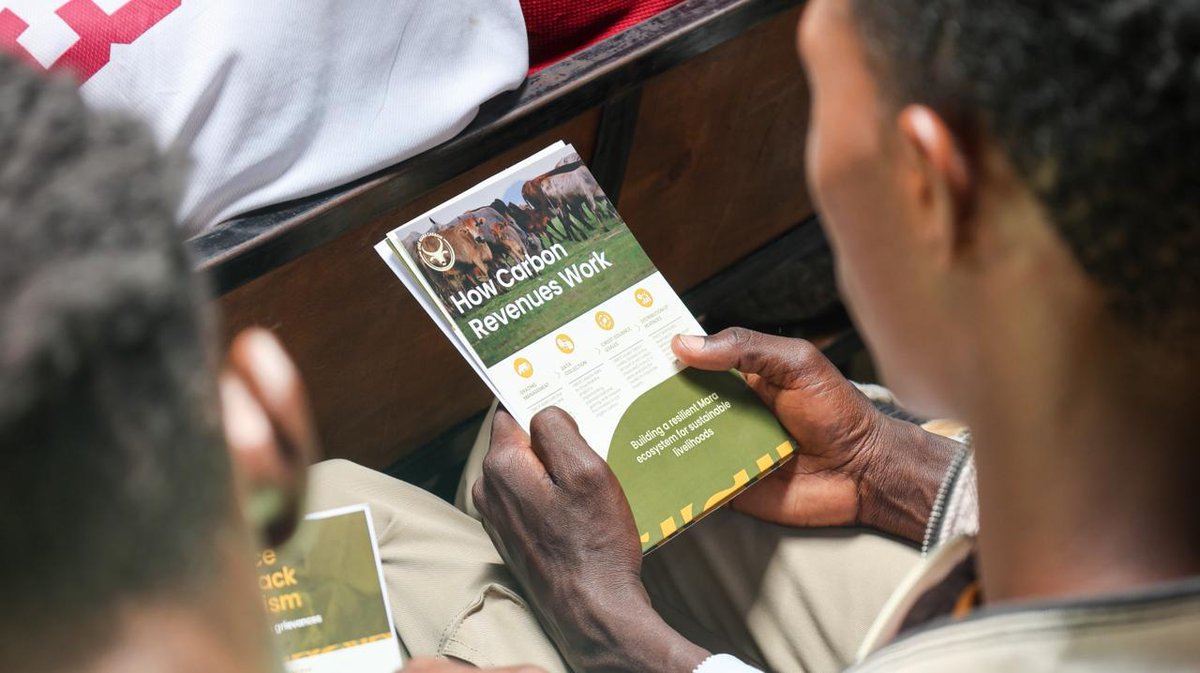
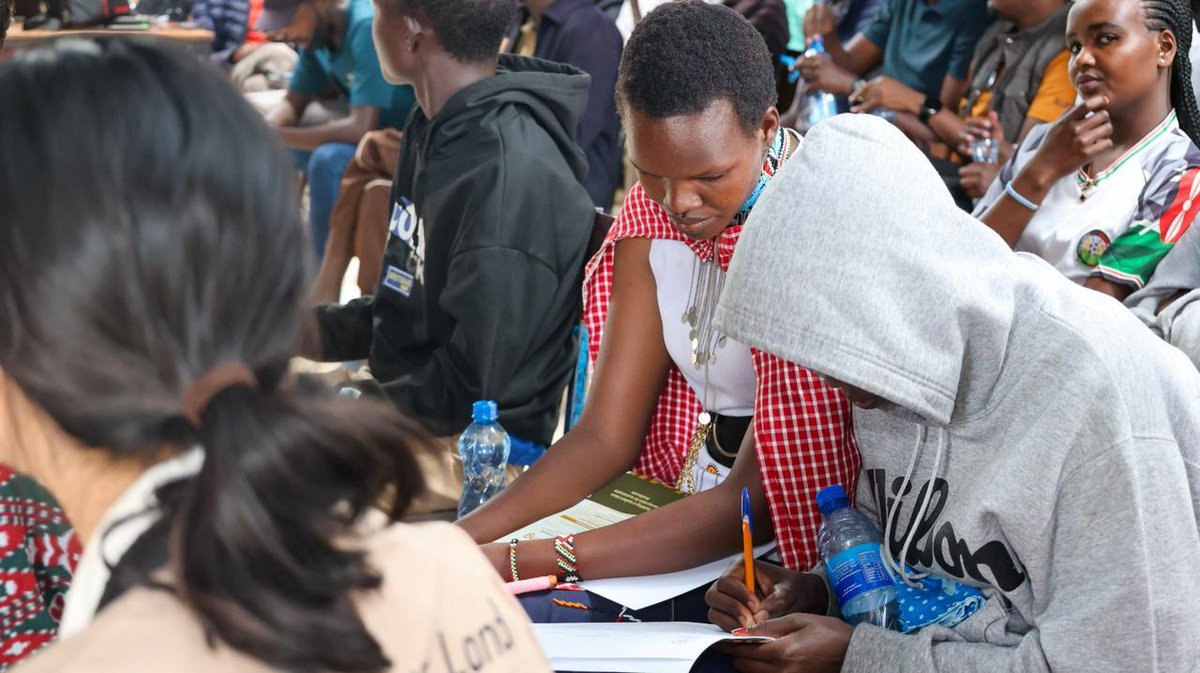
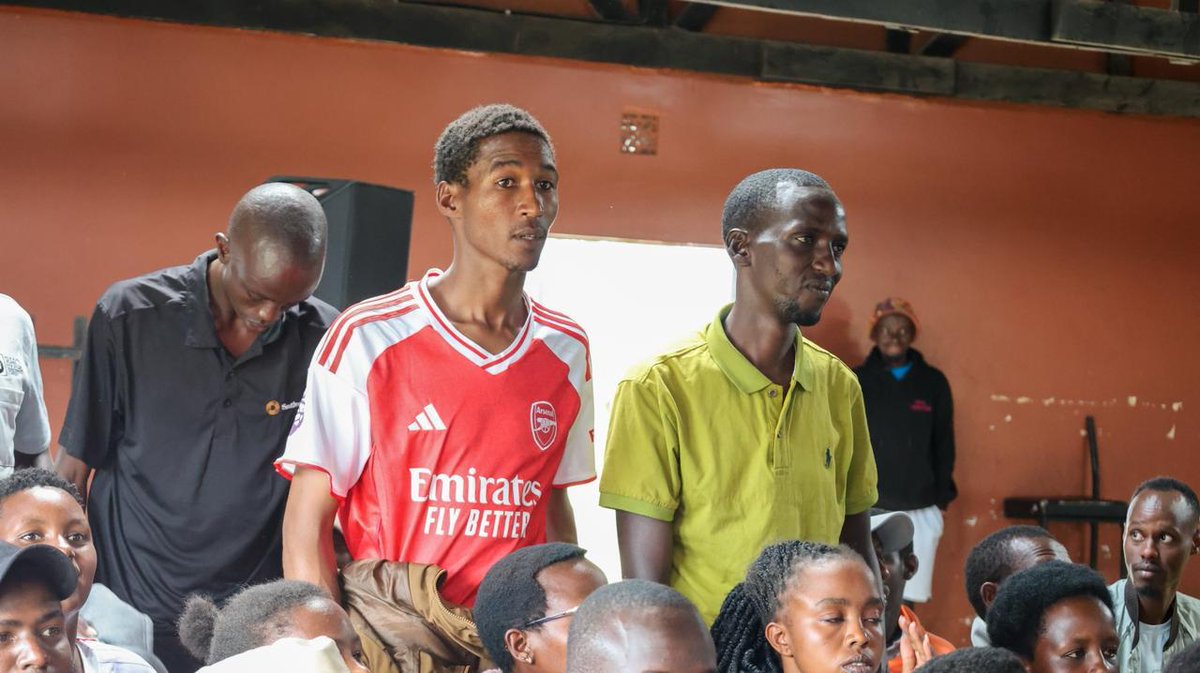
Our continued engagements with youth, in partnership with the One Mara Carbon Project (OMCP), took place yesterday in Aitong, where young people actively shared their views on the Youth Engagement Framework we are developing.
The session also provided an opportunity for youth to engage directly with OMCP officers—asking questions, raising concerns, and gaining a better understanding of the carbon project.
The conversations continue as we head to Mararianda, our next venue for youth engagement.
Join us tomorrow, Wednesday, April 15, at Mararianda.
We encourage all youth from Mararianda to attend and help shape the future.
We, in partnership with the One Mara Carbon Project (OMCP), are working to finalise a Youth Engagement Framework that will reflect the needs, ideas, and aspirations of young people across the Mara.
This important conversation is being shaped with and by the youth—not for them.
Through ongoing sessions, young people are sharing their views, asking questions, and helping to define what their future in conservation and opportunity should look like. Because we know one thing for sure—the future of the Mara will be shaped by the choices they make today.
Today in Nkoilale, we had an interactive session where OMCP teams walked the youth through the project, opening conversations about new opportunities and the grievance & feedback-receiving mechanisms.
We continue tomorrow at the Mara Leadership Center in Talek!
If you're a young person in the Mara, come join us—your voice matters, and your ideas count.
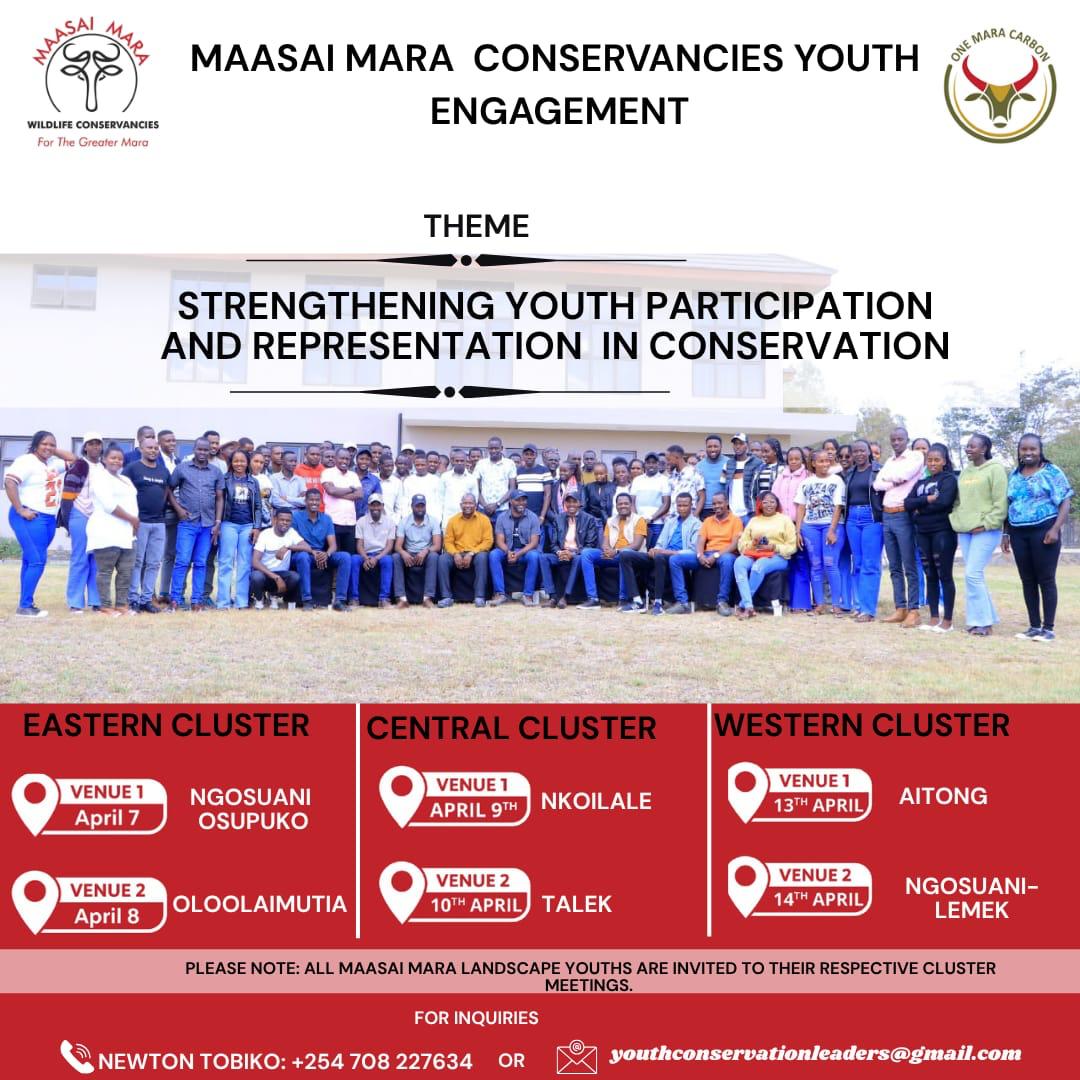
Youth Engagement Sessions
In partnership with the One Mara Carbon Project, we shall hold youth engagement sessions to listen, share, and have open conversations about the carbon project and the youth engagement framework—especially about the concerns that matter most to you.
This is because we believe that Conservation is not a choice; it is a responsibility we owe to future generations. Your voice matters. Come and be part of the conversation and help shape the future of our landscape.
Please check the poster for dates and venues, and join the session in your cluster
CALL FOR QUOTATIONS!
The Maasai Mara Wildlife Conservancies Association (MMWCA) invites qualified vendors to submit quotations for the supply and delivery of ICT equipment.
If you are a registered supplier with the capacity to deliver quality ICT solutions, we encourage you to apply.
For detailed specifications and submission guidelines, please check 👇https://t.co/2OAtUaHjKd
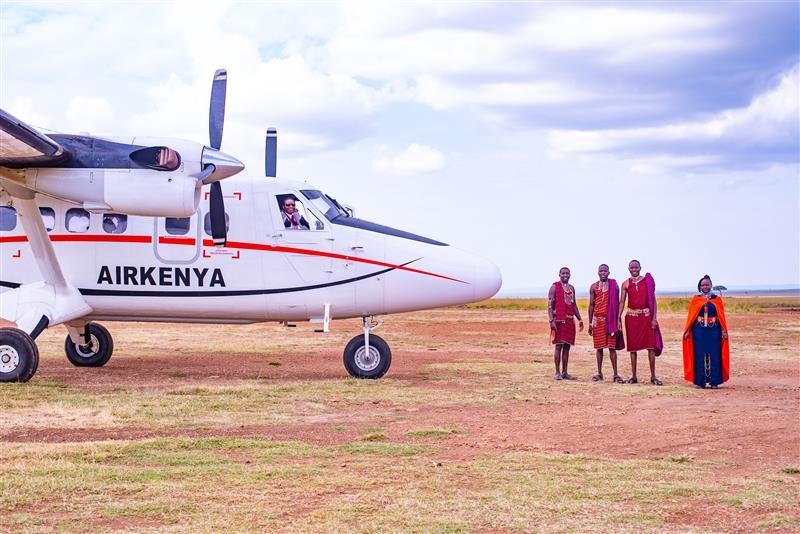
Reliability is one of the key pillars of our partnership with AirKenya. Because of AirKenya’s dependability, our staff, board members, partners, and donors travel with confidence—knowing they will arrive safely and on time, often taking the opportunity during the journey to catch up on our publications such as The Voice of Mara. In our work, every moment matters, and their reliability ensures that timing, coordination, and trust come together to create a smooth and seamless travel experience.
Behind every flight is a dedicated team working quietly in the background—pilots, operations staff, dispatch teams, and our own teams on the ground—coordinating each step of the journey. This close collaboration ensures smooth transitions at the airstrips and gives travelers peace of mind that their onward journeys are well managed.
For us, this reliability means our teams can remain focused on what matters most: advancing conservation and supporting communities across the Mara landscape.
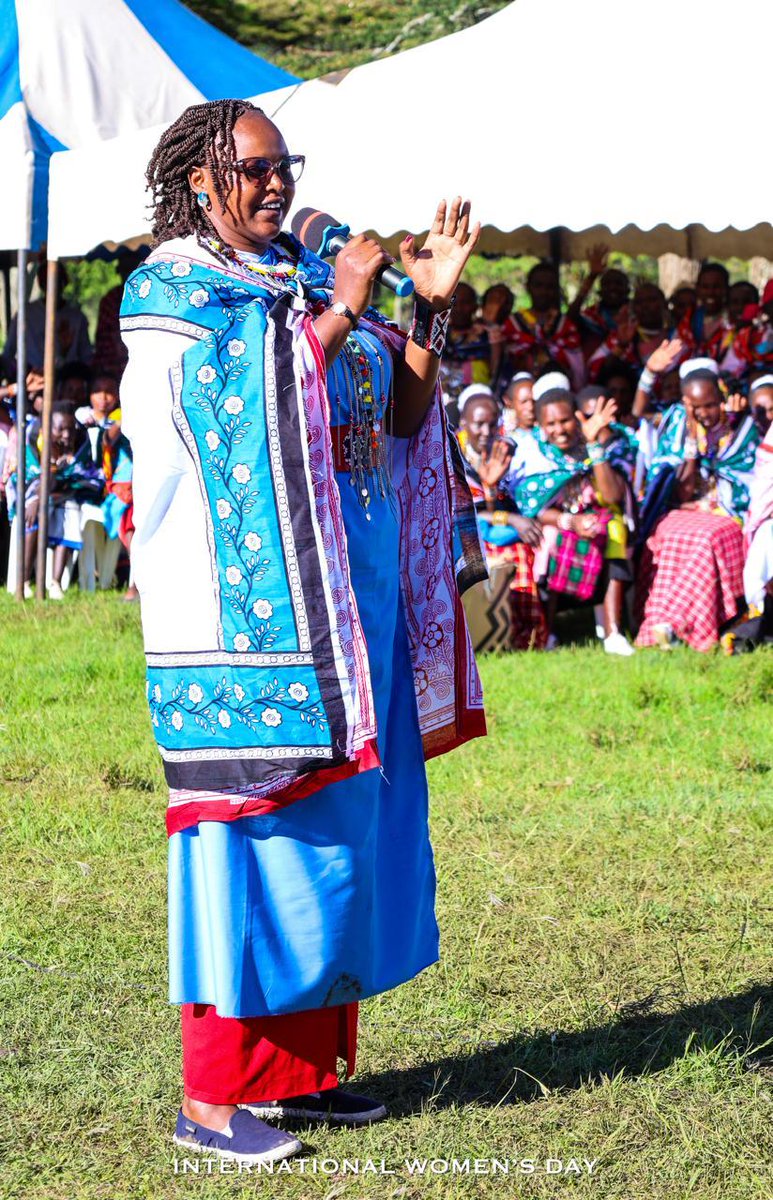
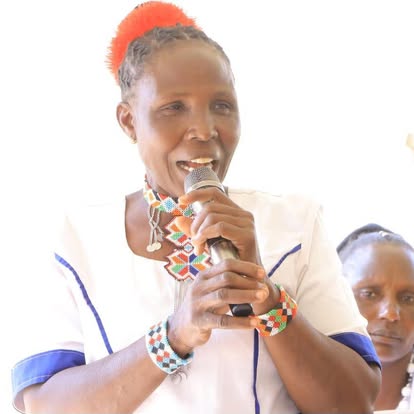
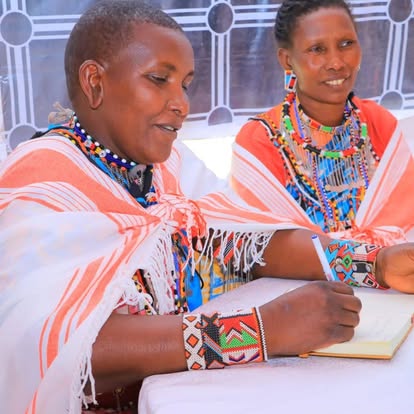
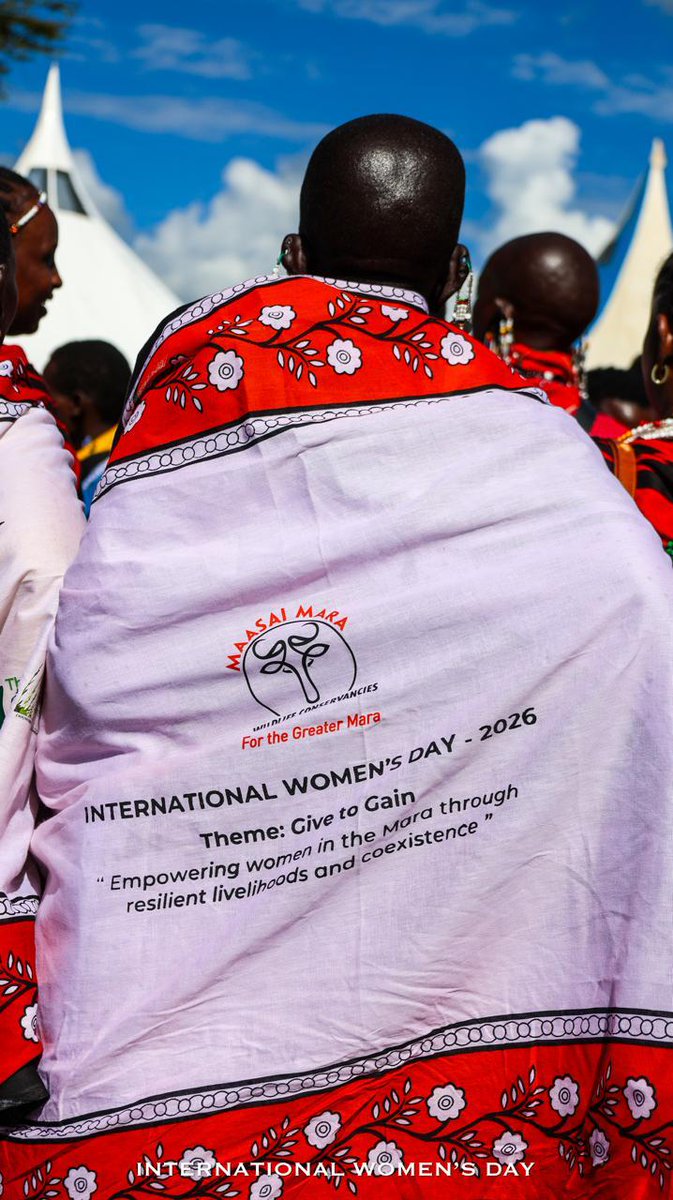
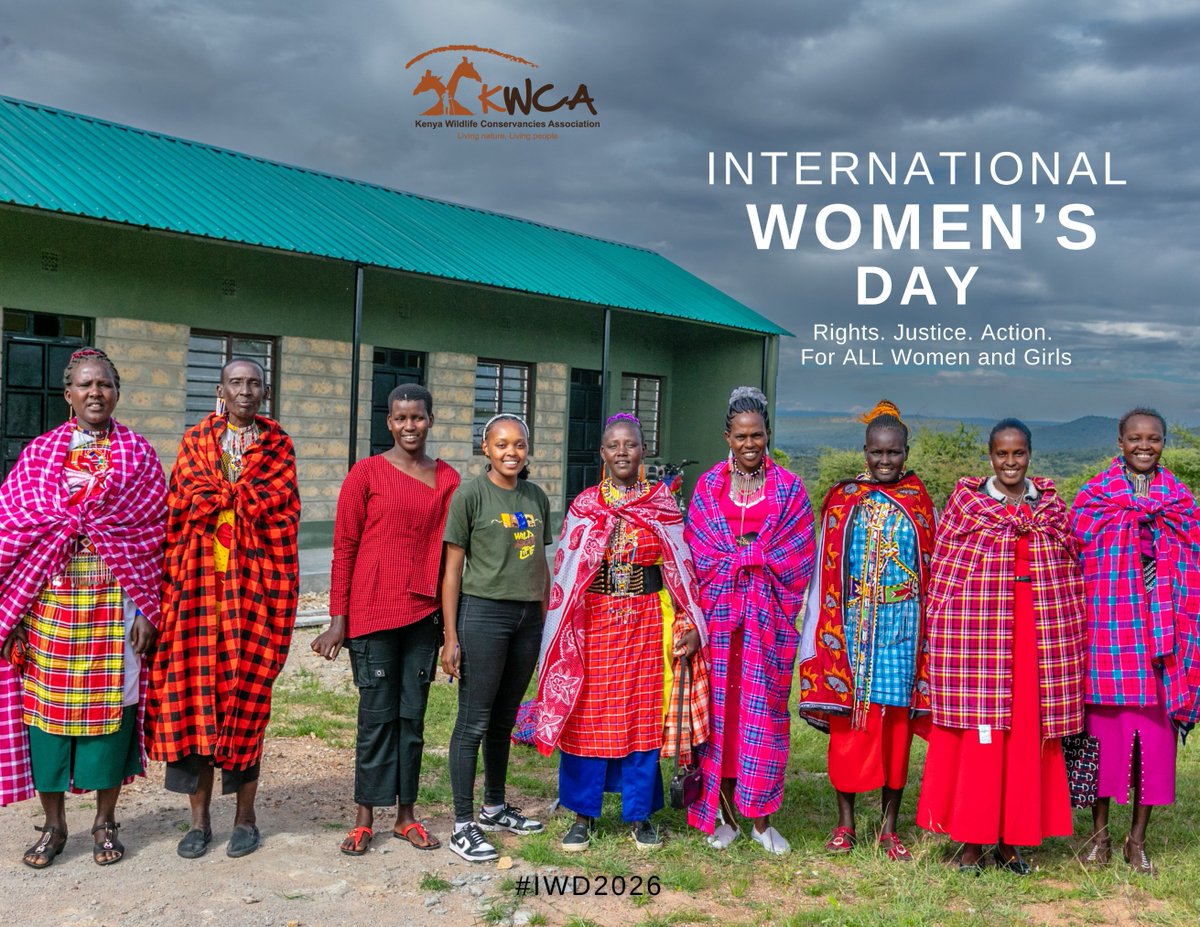
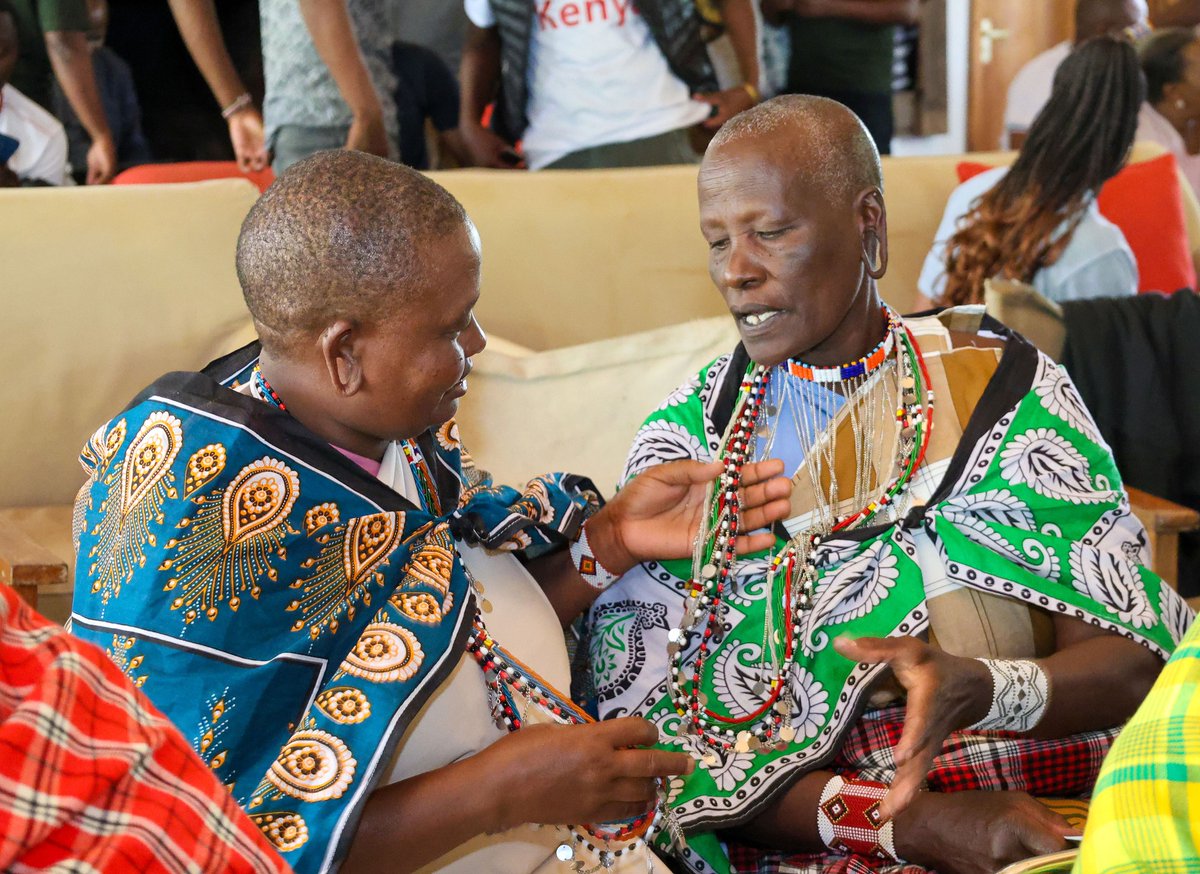
For us, International Women’s Day was not just a celebration — it was a powerful milestone in an ongoing journey. A journey that tells the story of the women of the Mara rising from passive observers to frontline champions and equal partners in conservation.
Even as heavy rains poured, nothing could dampen our spirit. Through the Women’s Forum led by our Chairperson, Penina Taki, we came together to celebrate the progress we have made in advancing inclusivity, equity, and opportunity.
Today, the women of the Mara are not just participants in conservation — they are leaders, protectors, and voices of change shaping the future of our landscapes and communities.
Because when we build a landscape free from gender bias — one that values every voice and every contribution — we all rise together, and conservation becomes stronger.
Together, we give, we grow, and we gain
#IWD2026 #GiveToGain
This International Women’s Day, we celebrate the gallant women trailblazers restoring ecosystems, protecting Indigenous rights and conserving nature for present and future generations.
Happy #WomensDay2026#IWD
On this auspicious International Women’s Day, we take pride in the significant strides made in empowering women in the Mara through resilient livelihoods and coexistence.
Through collective support and strong partnerships, women in the Mara have risen to become frontline champions of community-led conservation, including serving as female rangers across our member conservancies. Their journey reflects remarkable progress — from passive Conservation participants to equal partners at decision-making tables, within conservancy leadership, the MMWCA Board, and as respected landowners.
As a membership body of the Mara conservancies, and in the spirit of this year’s theme “Give to Gain,” we remain committed to giving by creating an equal playing field for all actors in the Mara. In doing so, we collectively gain through equity, fairness, and sustainable conservation for present and future generations.
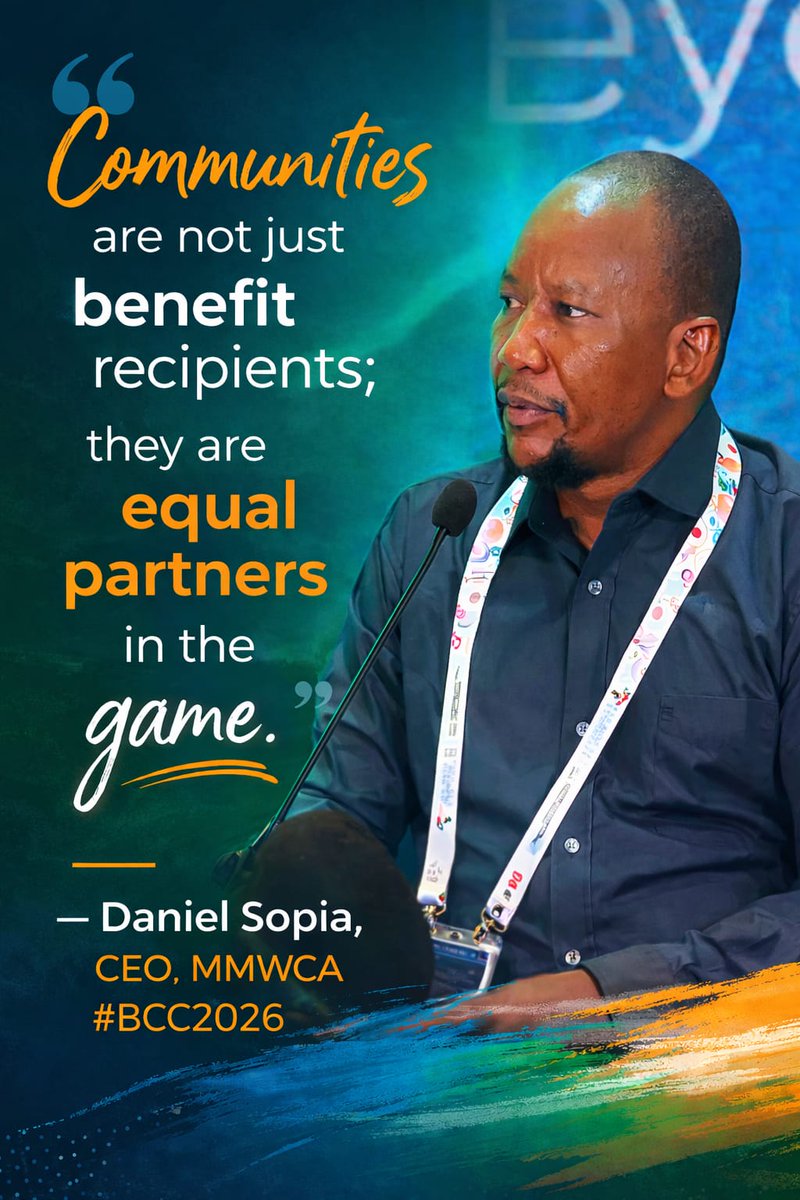
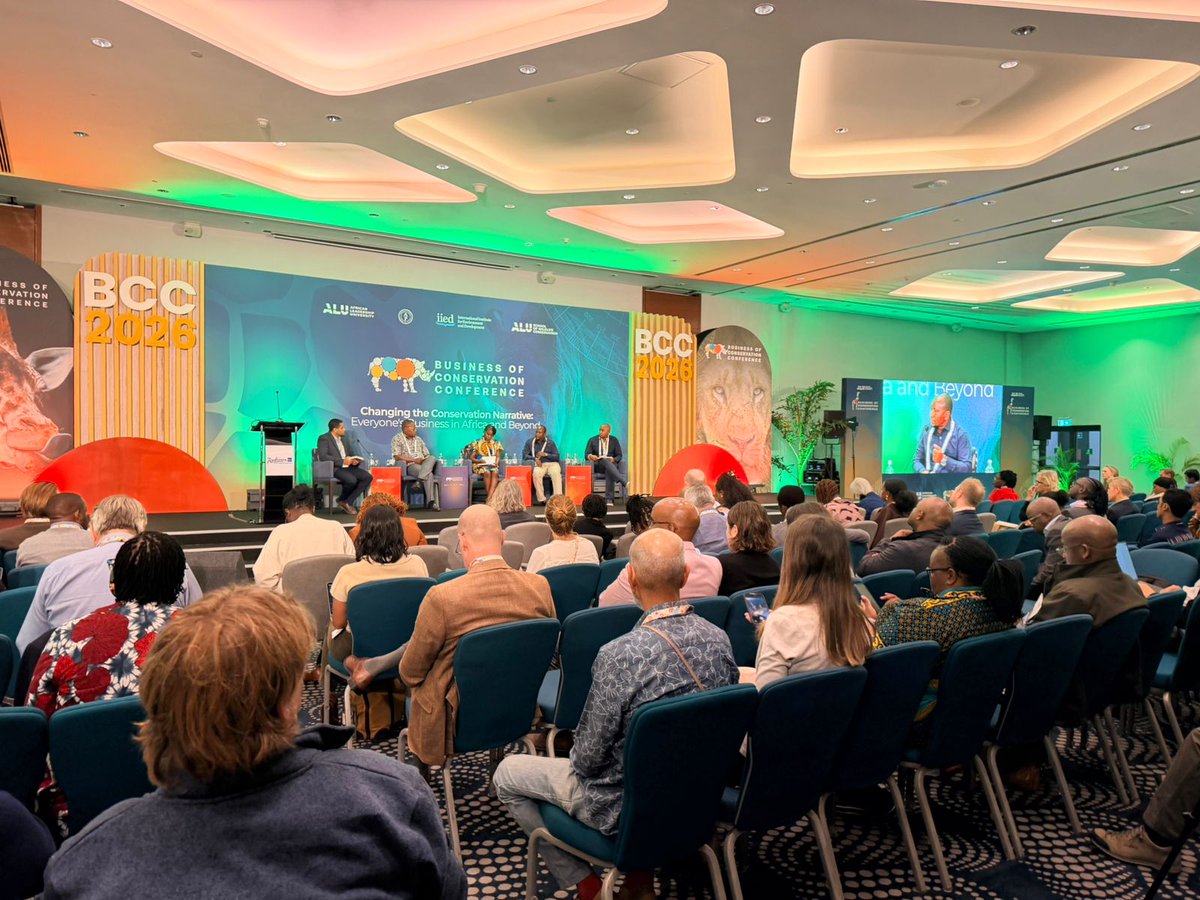
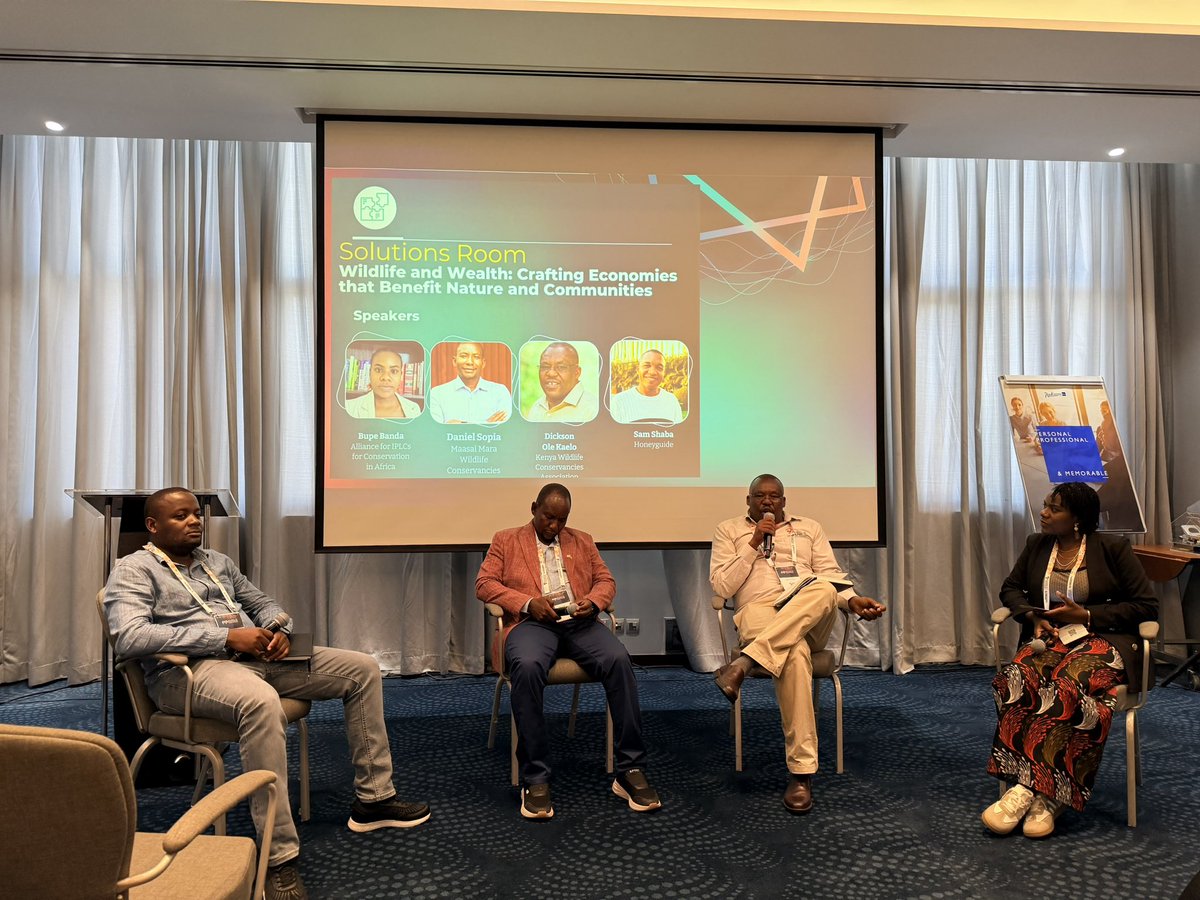
In today's discussion at the Business of Conservation Conference-2026, the conversation focuses on what truly drives success in community-led conservation—highlighting both the achievements that inspire progress and the obstacles that continue to challenge community institutions.
The discussion explores the importance of tailored approaches that reflect local realities, as well as the role of capable leadership and inclusive governance in strengthening community conservation models.
When communities are empowered with the right structures, skills, and opportunities, conservation becomes more than protection of nature—it becomes a pathway to ownership, resilience, and sustainable economic opportunity through the growing wildlife economy. In the discussion, our CEO, Daniel Sopia, insists that for community conservation to succeed it must pay. It must put food on the table.
#businessofconservationconference2026
“Conservation investments is more rewarding and sustainable Equitable governance is prioritized.” Dickson Kaelo at the #BusinessOfConservation2026#BCC2026
Business of Conservation Conference 2026
A powerful and timely conversation is taking place at the Business of Conservation Conference 2026 — one that is based on practical conservation solutions that benefit both nature and communities.
The conversation is happening today from 14:55 – 15:30.
Join our Chief Executive Officer, Daniel Sopia, alongside distinguished panelists, as they tackle a critical question:
How can community-led institutions build resilient, investable business models that sustain natural resources while delivering tangible economic value — even with modest budgets?
Across Africa, communities are proving that conservation and economic empowerment are not mutually exclusive. From nature-based enterprises to locally driven conservation models, practical lessons are emerging on how to build institutions that are financially viable, socially inclusive, and environmentally sustainable.
This session will draw from real-world case studies, sharing insights from experienced practitioners who have built, tested, and strengthened community conservation enterprises in dynamic and often challenging contexts.
Join the conversation that designs actionable models that reposition communities from recipients of aid to credible, investible partners.