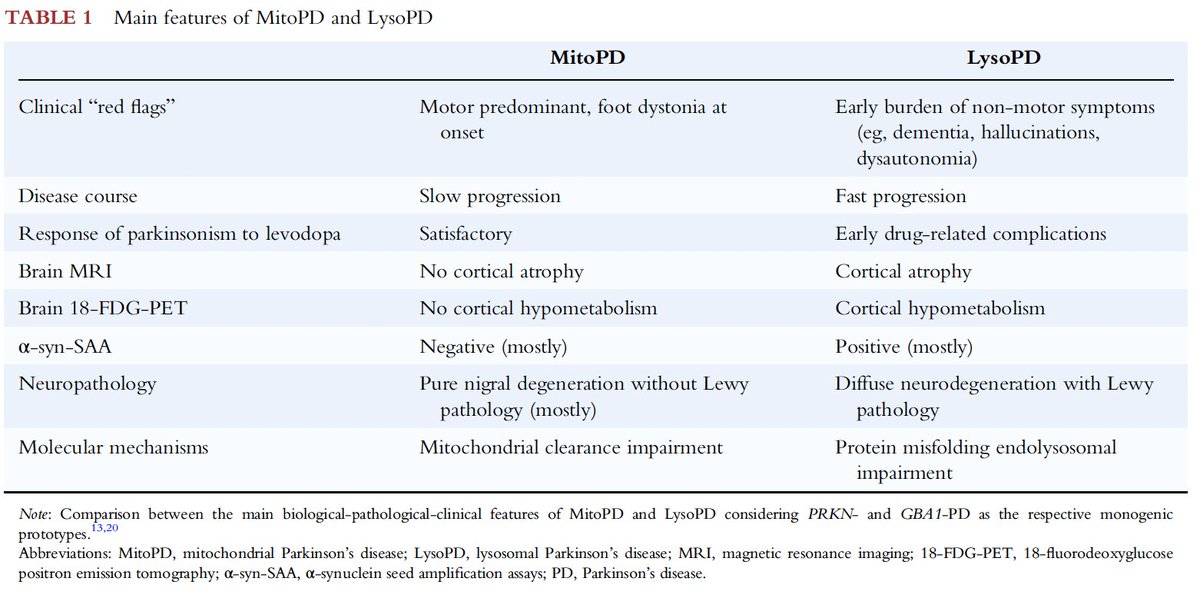
PD pathology frequently involves amyloid-β plaques, tau tangles and/or TDP-43 aggregates, in addition to misfolded α-synuclein. The @movedisorder Scientific Issues Committee reviewed how these multiple pathologies impact PD initiation and progression. https://t.co/F9dBZLpE0D
Here is an insightful review article by Matarazzo and colleagues, highlighting the spectrum, frequency, and implications of co- and multi-pathologies in Parkinson’s disease. @matarazzomd https://t.co/F9dBZLpE0D
Although deep brain stimulation for common movement disorders reliably improves motor symptoms, a new meta-analysis found that routine STN-DBS for PD resulted in significantly poorer speech intelligibility compared with medical therapy. https://t.co/TSUQ5cChu6
A key study by Andriolli and colleagues explores how D2 receptor activity within the indirect pathway contributes to the development of levodopa-induced dyskinesia and D2-agonist associated dystonia. https://t.co/XtsZjdjEKt
An important study by Shen and colleagues demonstrated that Parkinson’s disease (PD) and multiple system atrophy (MSA) have distinct glymphatic free-water pathological profiles. An integrated model incorporating neuroimaging and clinical metrics showed excellent ability to differentiate PD from MSA, with an area under the curve of 0.994. https://t.co/f5wHkX2leG
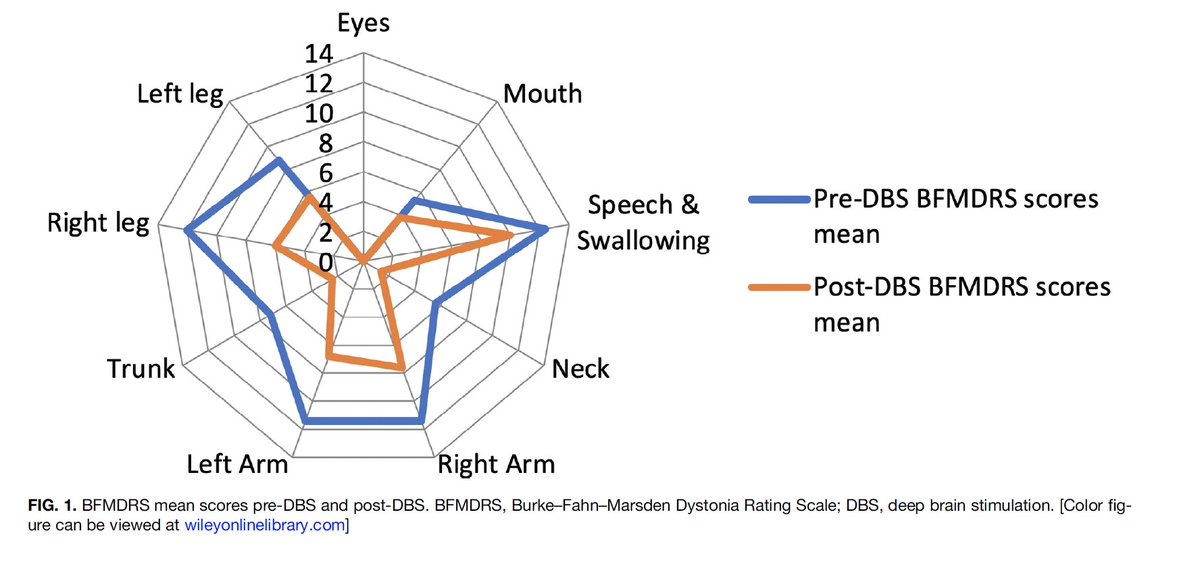
Recognizing which genetic dystonias are responsive to DBS is essential. In Woodhouse–Sakati syndrome, Alhodaif et al. evaluated five patients and reported an approximate 39% improvement in BFMDRS scores following bilateral GPi DBS. https://t.co/CLjXNnrROk
Many movement disorder rating scales in MDS’s portfolio are now digitalized in REDCap. These e-versions were developed through a structured, iterative process to ensure accuracy and quality. @movedisorder https://t.co/x7nbsptuHG
A must-read (and watch) article by Bernardi and colleagues exploring the spectrum of ATP1A3-related movement disorders. The inclusion of a large number of outstanding videos makes it a true visual atlas of these conditions. https://t.co/e2sxJnInIS
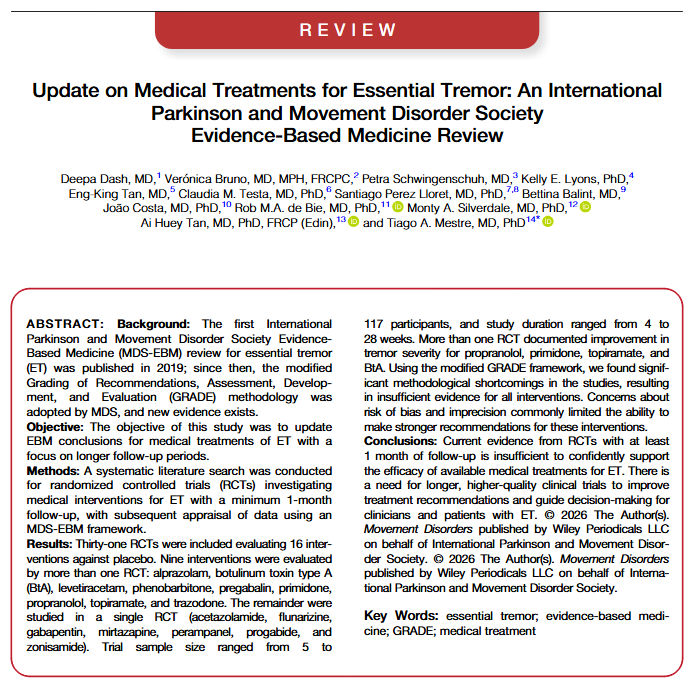
Changes in evidence standards call for more rigorous and modern clinical trials. Find out what that means for the latest assessment in medical treatments for ET. https://t.co/tUnxFBQfpa
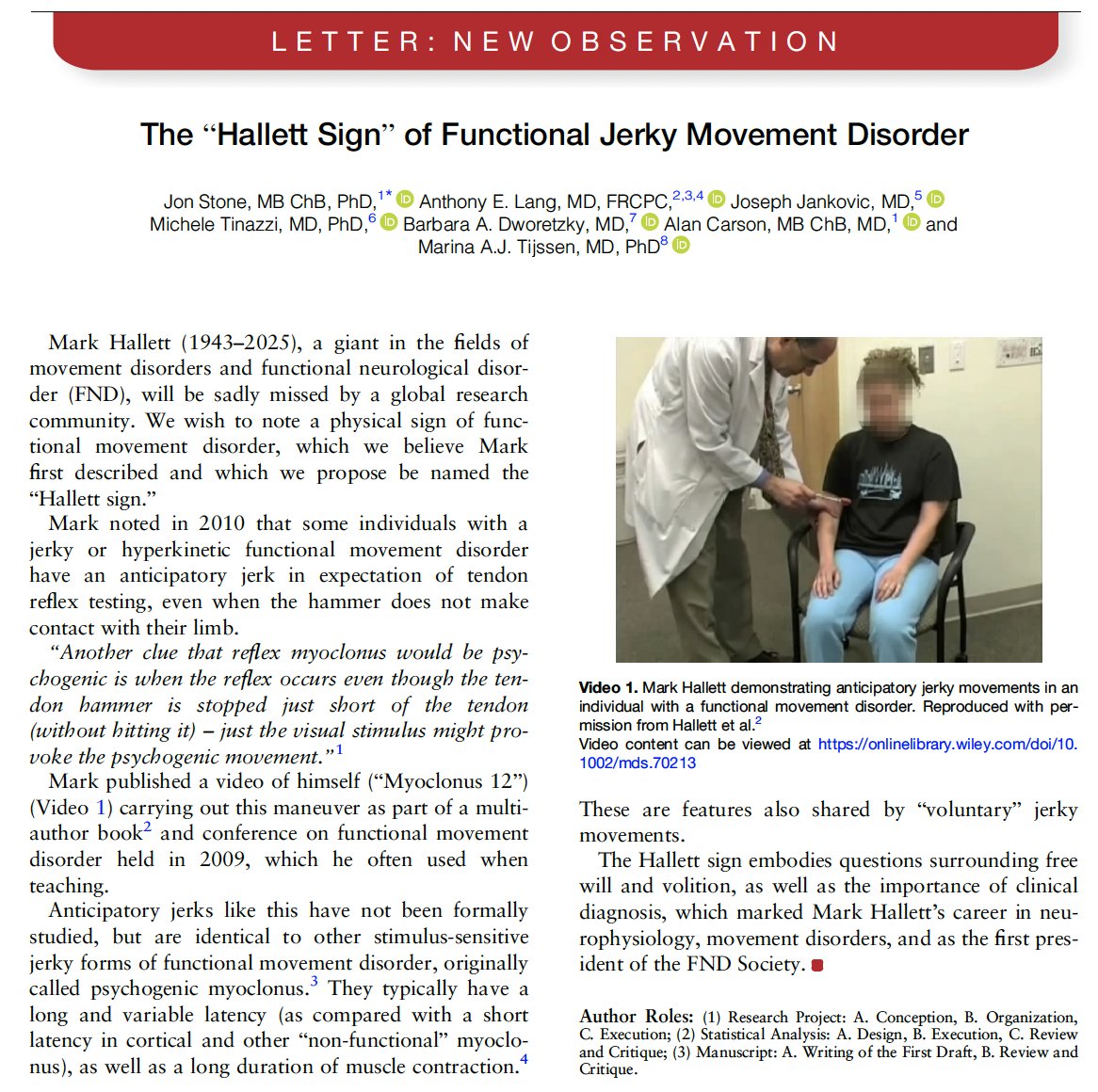
A fitting tribute to Dr. Mark Hallett (1943–2025), one of the true giants in movement disorders and functional neurological disorder.
This article introduces the proposed “Hallett sign”: an anticipatory jerk in functional movement disorder triggered by the expectation of tendon reflex testing, even when the hammer never makes contact — a subtle, elegant clinical observation he used to teach generations of neurologists.
@jonstoneneuro@JankovicJoseph https://t.co/8KoBB5MySO
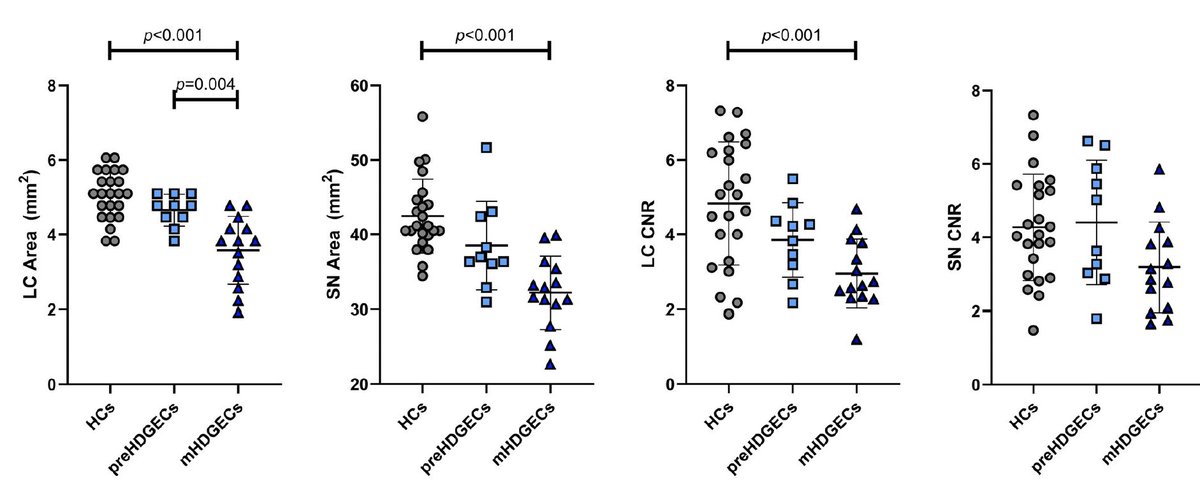
This important imaging study in Huntington’s disease (HD) reports significant subcortical iron accumulation and noradrenergic neuronal loss. A question for the future: What is the role of noradrenergic pathology in HD? https://t.co/eA82Ogf6xO
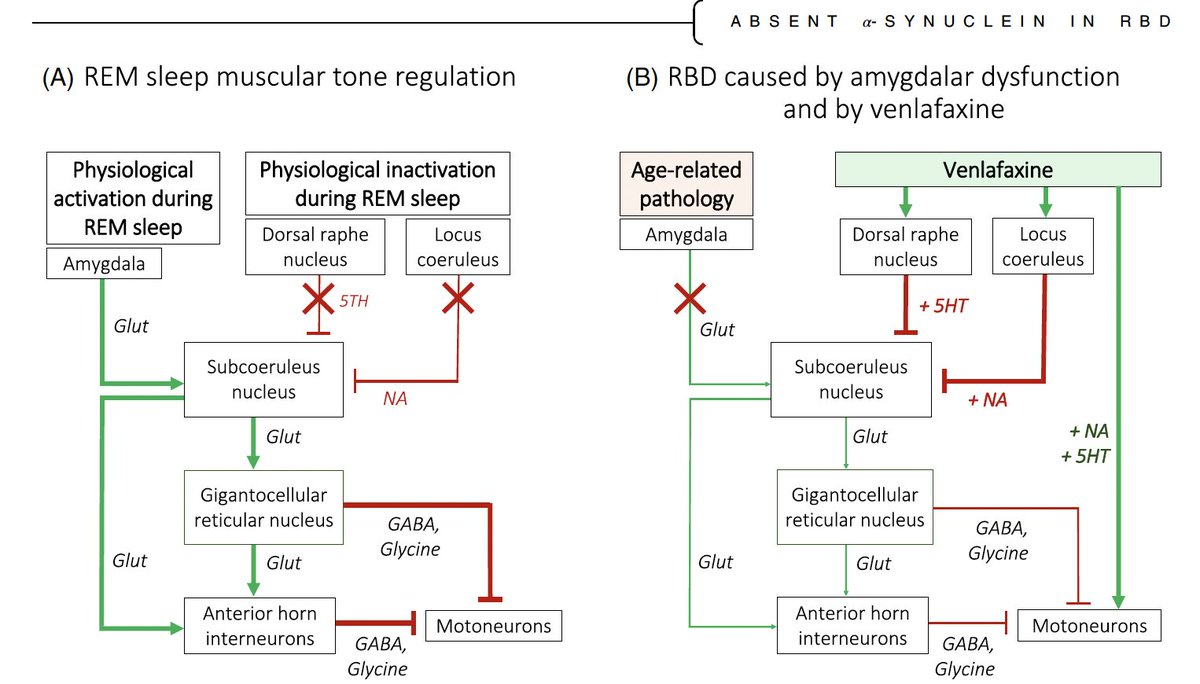
An important case illustrating that REM sleep behavior disorder (RBD) does not necessarily signify an underlying alpha-synucleinopathy. Instead, it may arise from pathology involving the amygdala, with the clinical threshold potentially lowered by antidepressant use. https://t.co/5ElYiOIdqv
A strength of the 2016 nomenclature proposal for genetically determined movement disorders is the delivery of relevant information by linking phenotype-genotype. However, with this comes possible subjectivity. Read more on the strengths and weaknesses. https://t.co/zdQYcC4APm
This phenotypic heatmap of individuals diagnosed with NKX2-1-related disorders reports the presence of neurodevelopmental delay and chorea in 94% and 92% of cases, respectively. @movedisorders#PediatricSIG https://t.co/gdY6yqA9wl
More than 80% of MSA patients report pain, making it important to identify the type of pain. In this large study of 157 MSA patients, the authors explored pain subtypes. The two most common types were directly related to autonomic dysfunction: coat-hanger pain (59%) and painful cold hands and feet (48%). https://t.co/3SQ6d8uZ2a
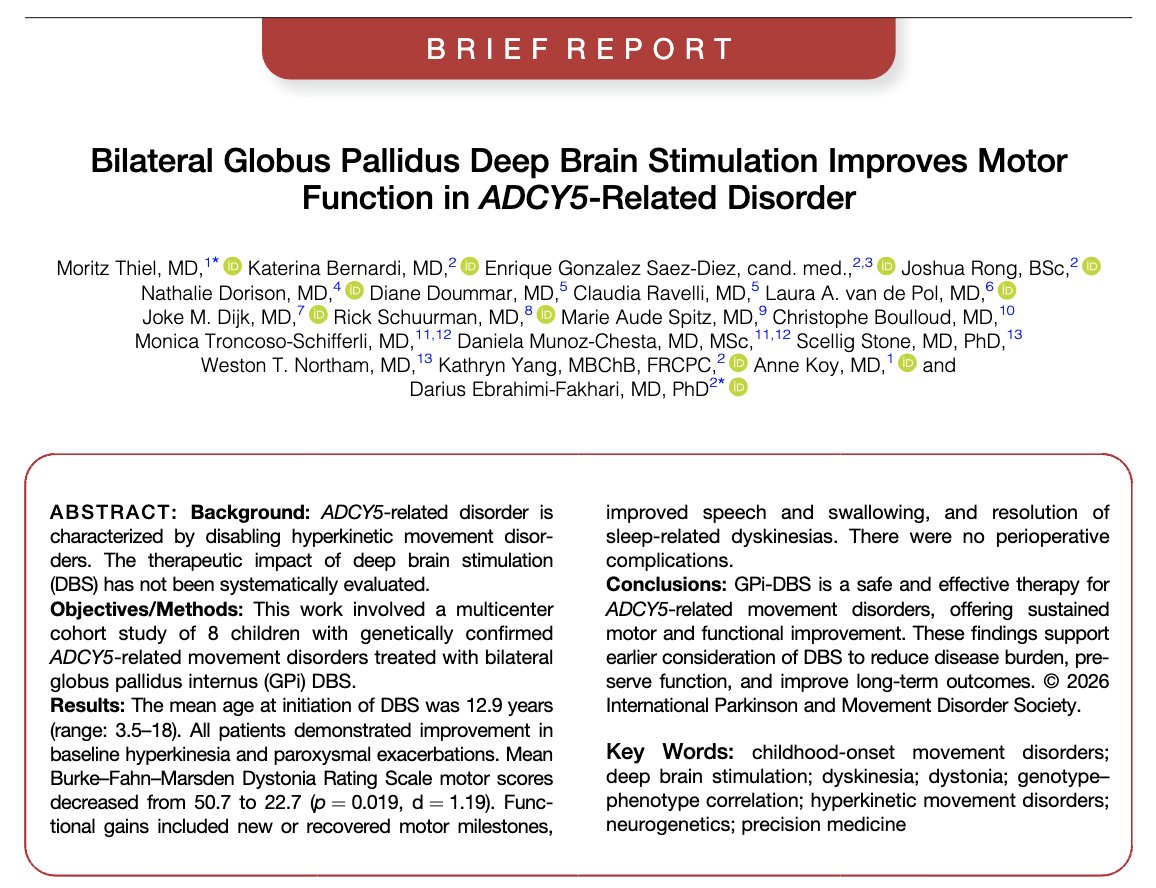
This collaborative study (via DBSMatchMaker) demonstrates significant clinical improvement in patients with ADCY5-related disorder following bilateral GPi deep brain stimulation and represents the largest reported DBS case series in pediatric patients with this condition. @DariusFakhari https://t.co/9hsjCb3Wk5
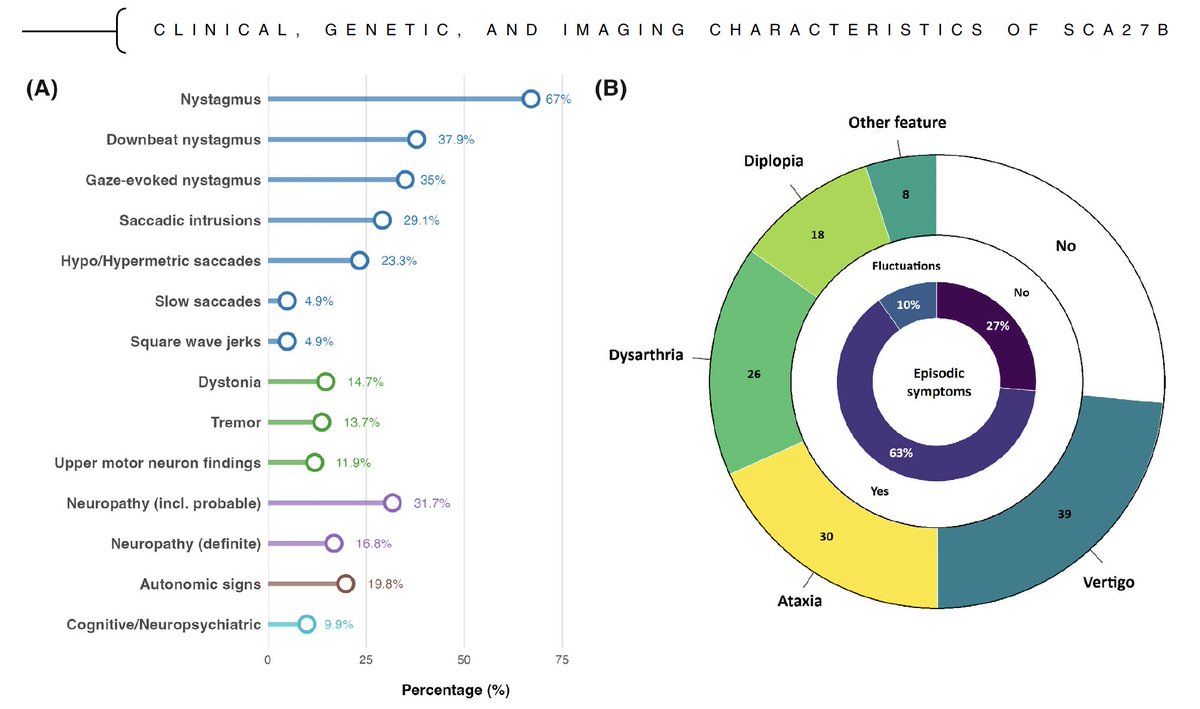
Here is a large Dutch cohort study by Prooije and colleagues on SCA27B: https://t.co/NYc0YcbQ7U
Key takeaways:
1) Core features appear with GAA 200–249 expansions;
2) episodic SCA27B can mimic stroke
3) ~50% show benefit from 4-aminopyridine.
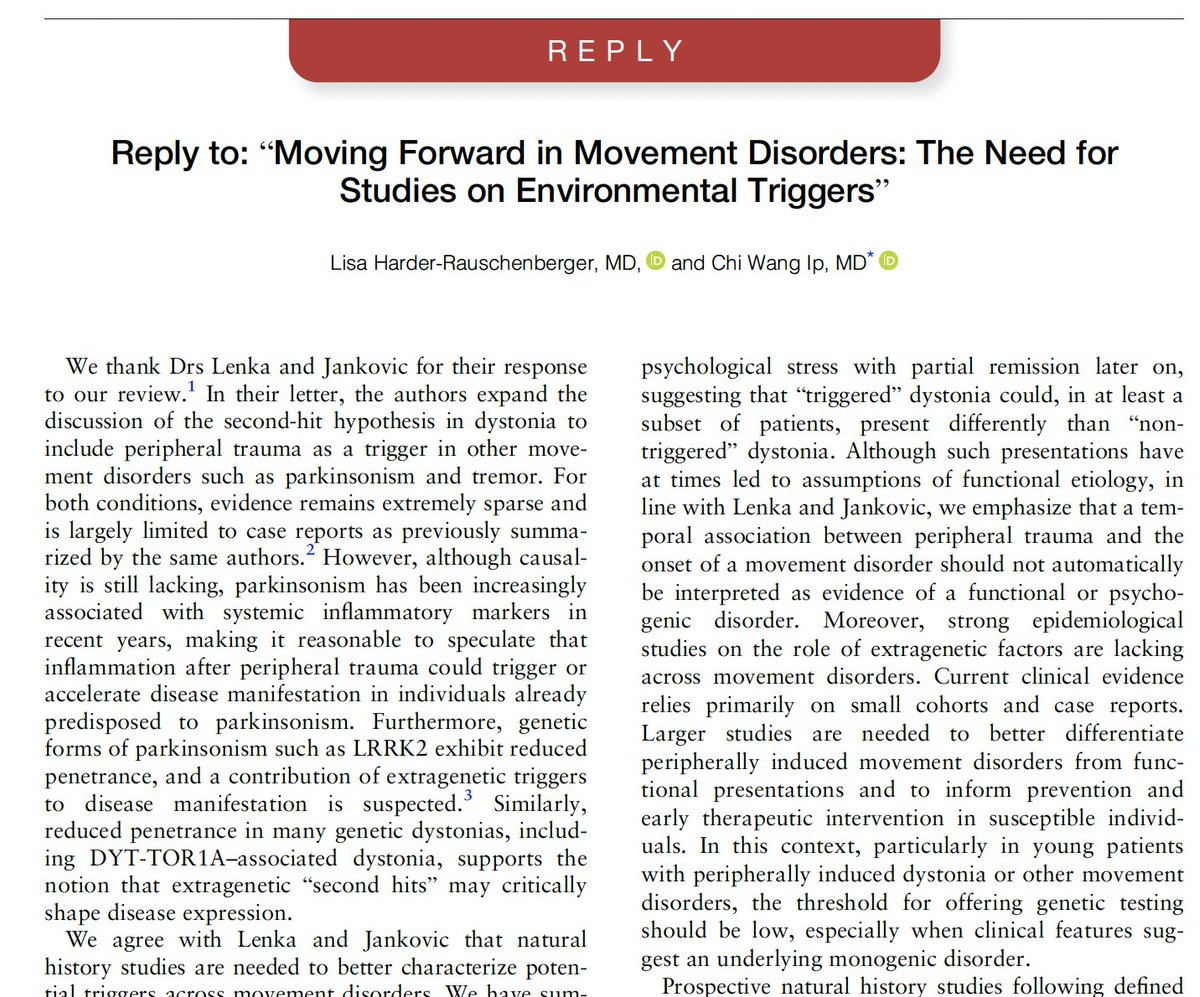
An outstanding review, along with related correspondence, that emphasizes the “second-hit hypothesis” in peripherally induced movement disorders. https://t.co/GwpIduYVOB