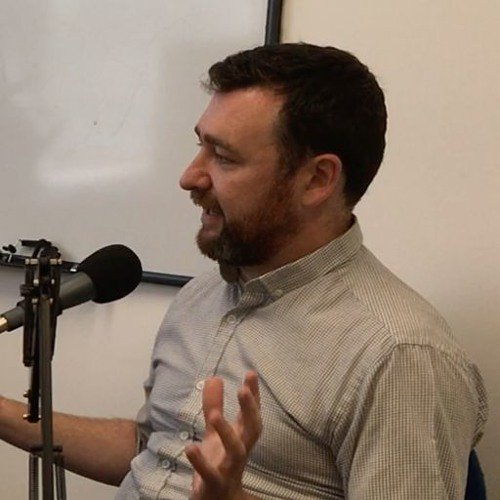
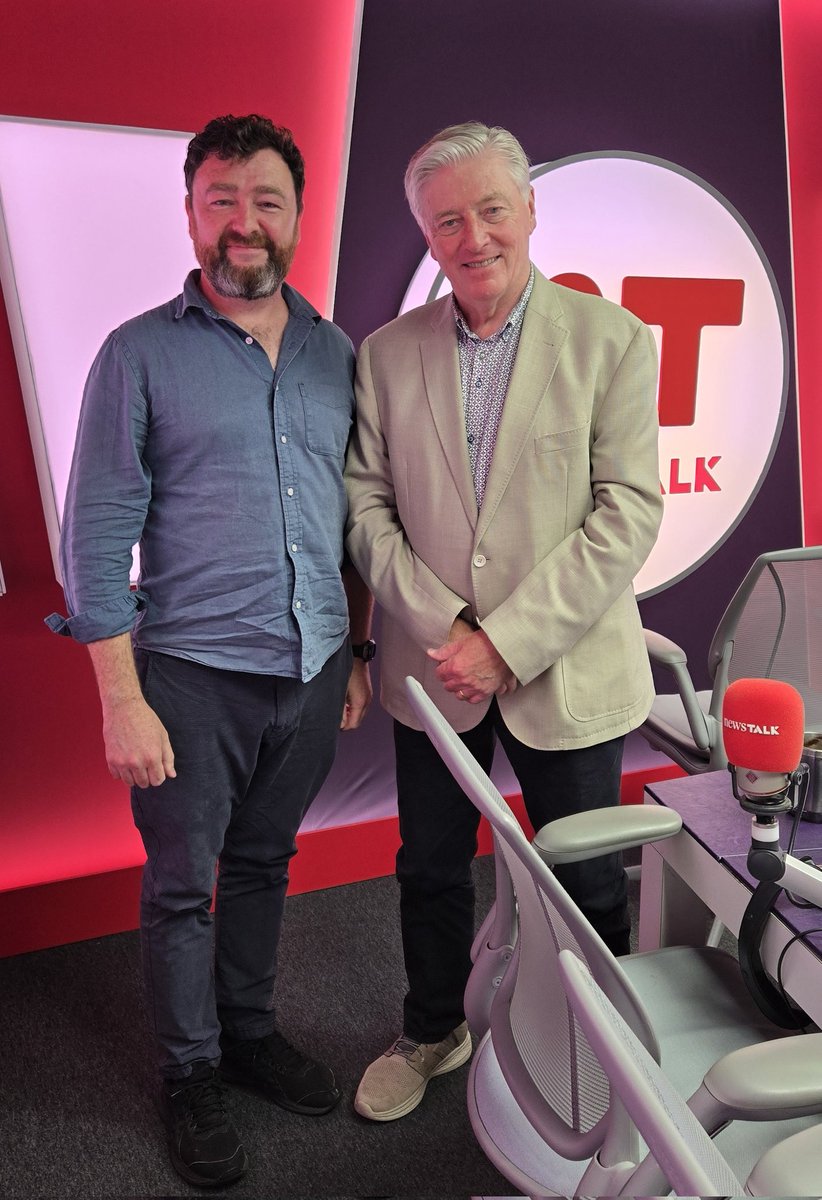
Lab director @brenrooney talks with @JFLdotCOM about his career and research from the psychology of #film and #stories to existential questions of the future of #VR and #media#entertainment. Listen here (or wherever you get your podcasts).
https://t.co/bAWEqIbo5d
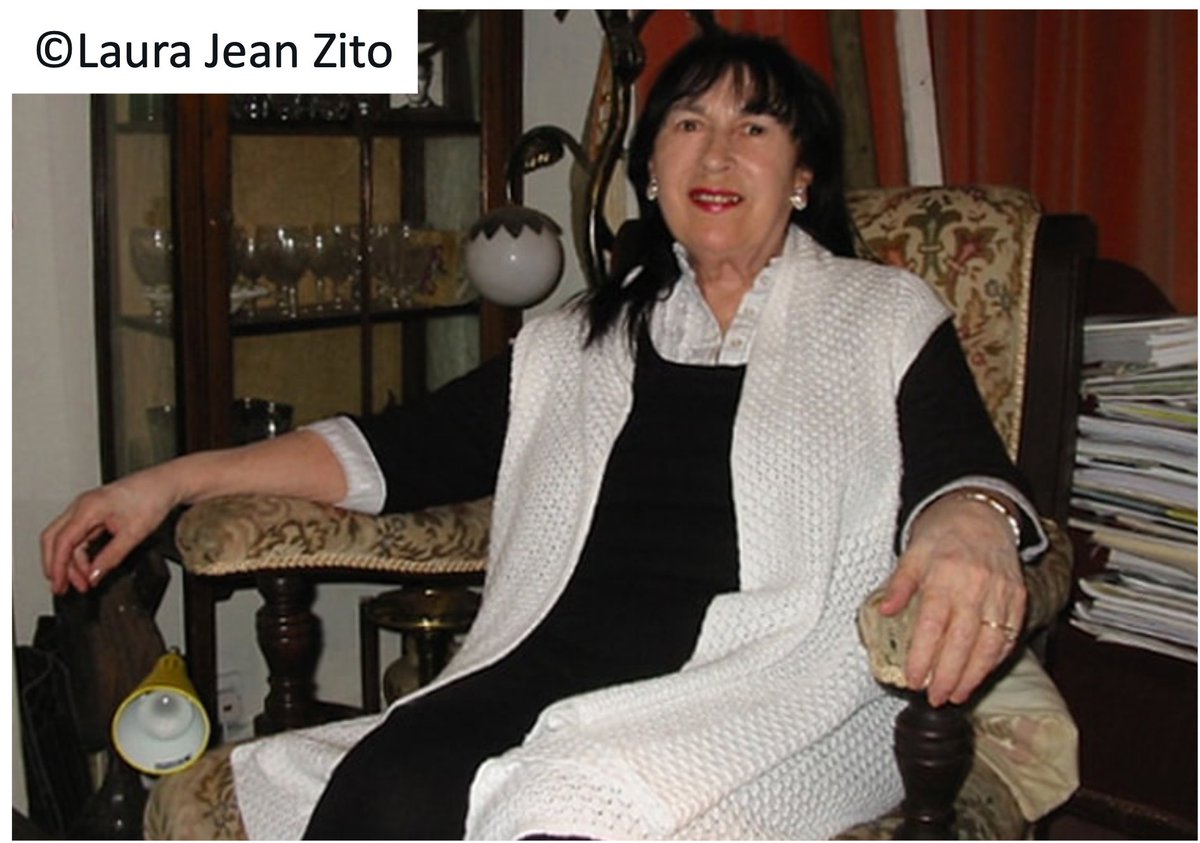
We're saddened by the death of UCD Prof. Emerita Eunice McCarthy. A key figure in psychology, in @PsychSocIreland, & in work&organisational psychology. She was an inspirational academic, supervisor and mentor and will be greatly missed. We send sympathies to her family & friends.
Thanks for reading/sharing the paper Stephen! @StephenFollows
With Katalin Balint's Story Lab at @VUamsterdam, @CynthiaCabanas,
we've been extending this work to look at other #filmfeatures and other audience responses.
We love this topic!😍
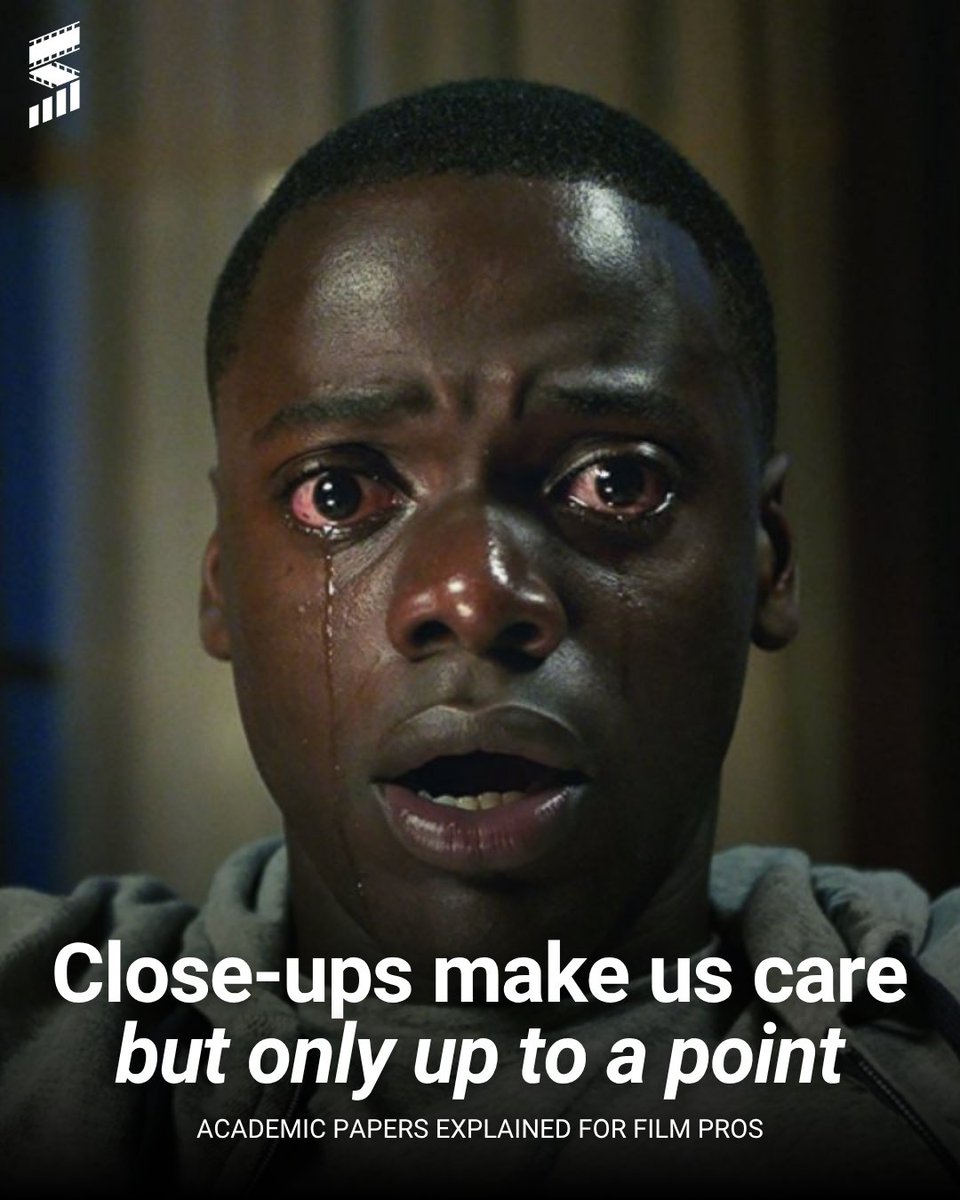
Close-ups make us care... but only up to a point.
This study tested how the number of close-ups affects how viewers describe a character’s inner life. Same film, different versions, each with a different number of face shots.
Here's what they found... (Thread)
🚨 We’re hiring at UCD School of Psychology!
3 x permanent Assistant Professor positions now open.
Deadline: 12 noon, 3 July 2025.
Apply here 👉 https://t.co/7Nh9mpxyJP
(Thread: some personal reflections for anyone unfamiliar with the Irish academic system 👇)
Today is #HSCPDay2025 and we are celebrating innovation in psychology.
@brenrooney, Assistant Professor in the UCD School of Psychology and Director of @ME_LabTweets, shares one of the exciting projects he supervises - using virtual reality to design and foster feelings of awe!
I’m speaking at this important event on how child sexual abuse is represented in #fiction and its impact on audiences. If you’re interested in media, trauma, or cultural research, then come along and follow the project too. Details of the online event below 👇
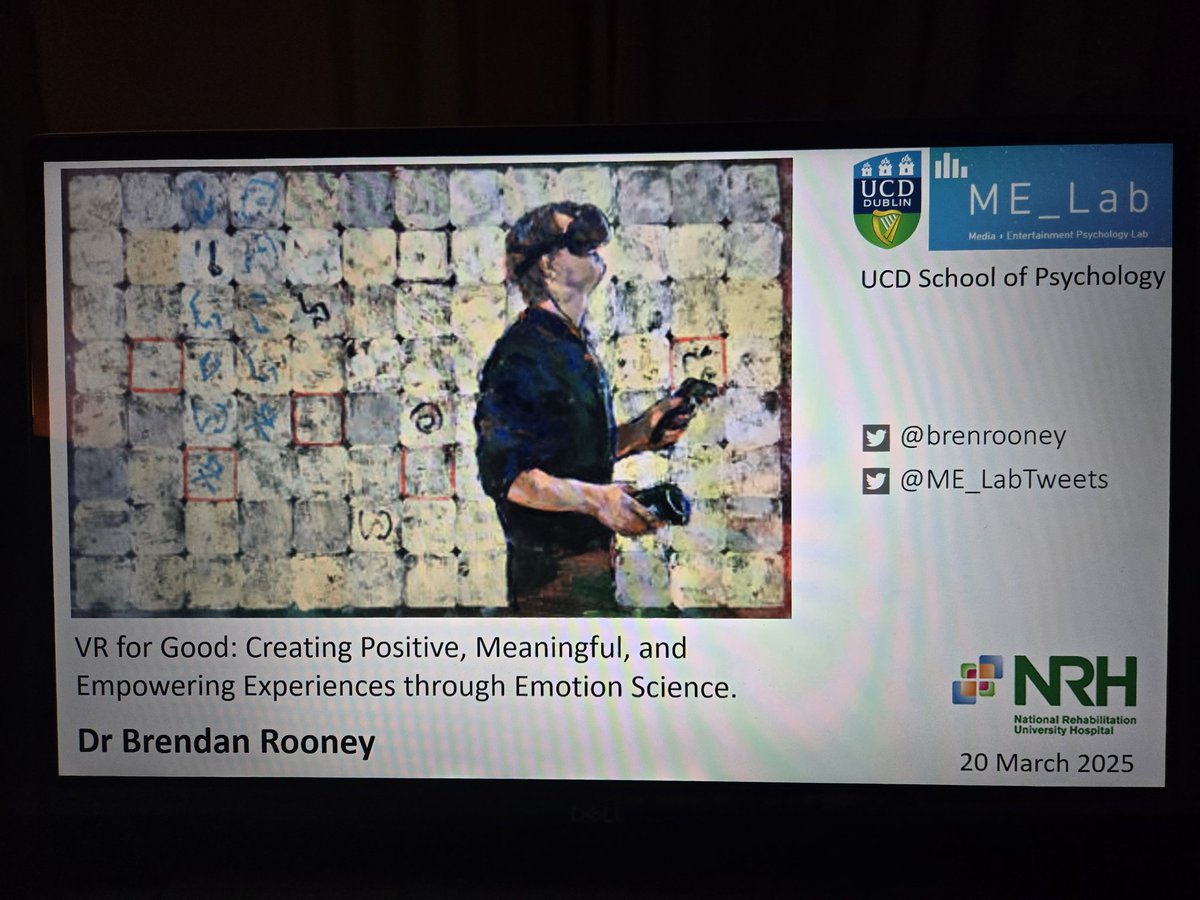
Today I got to visit the National Rehabilitation Hospital @NRH_Ireland
and presented my work around #VR and #emotion to the Spinal Cord System of Care Programme team.
What a fantastic facility!
#ucdpsychstories
🧠📃 Do people view the causes of mental illness differently? A new UCD School of Psychology study has shown people to be more accepting of some causes than others, with biological and hereditary factors carrying the highest stigma.
The research, published in Current Psychology, suggests that different explanations for mental health conditions – ranging from life circumstances to biological causes, shape how people perceive those with psychiatric diagnoses.
For the study, which investigated attitudes towards mental illness amongst the Irish and UK public, stigma was defined as one’s willingness to interact with an individual with mental illness.
The study found that people were most likely to be tolerant and accepting of mental illnesses caused by “sociopolitical turmoil”, with other societal causes, including life circumstances, abuse and relational difficulties, shown to have no impact on the levels of stigma.
Its authors have suggested that raising awareness of sociopolitical causes of mental health conditions – such as political instability, natural disasters and war – could promote more tolerant attitudes towards sufferers.
This may promote support for social justice initiatives that address the root causes of mental health disparities.
“Our findings highlight the importance of raising awareness of the many social factors that can influence mental health, especially those involving social and political unrest,” said Leigh Huggard, a PhD researcher in the UCD School of Psychology who worked on the study.
“By increasing public understanding of these social determinants, we can help challenge stigma and promote more supportive attitudes towards mental health issues.”
Thanks to @APA's Monitor on Psychology for reaching out to discuss #MixedRealityTherapy. Our work on this project has aimed to harness these reality conditions to help make therapy more fun, personal & effective. More in 2025! @UCD @ME_LabTweets https://t.co/beNzJNYnP7
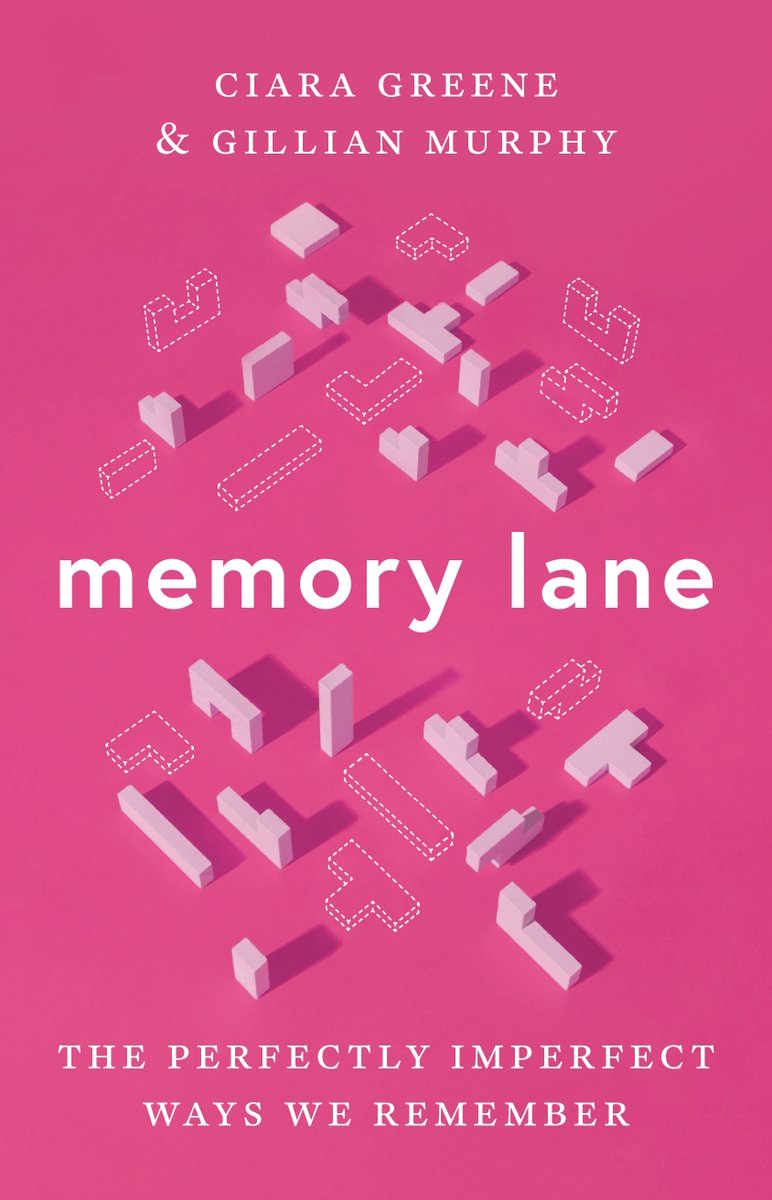
Memory Lane: The Perfectly Imperfect Ways We Remember by @ciaragreene01 and @gillysmurf (on-sale: March 4, 2025) is a “splendid study” with “fascinating case studies.” Read the full @PublishersWkly review: https://t.co/scN4Anp0C9
Why do we love Christmas films so much? @thatdanishgirl on those formulaic and cheesy Christmas films hit so hard at this of the year. With insights from @brenrooney@UCDPsychology@ME_LabTweets https://t.co/izZGVNndQ2
🧠📽️ Prof. Jeff Smith, President of the Society for Cognitive Studies of the Moving Image, introduces our history and aims.
Join SCSMI today!
Explore more at https://t.co/s4VZLj41X2
https://t.co/u1BBK3gYL1
There is a short term Assistant Professor (above the bar) role in my department, closing July 4th. We have some really supportive conditions for temporary early career posts.