Second for second, @tylercowen packs more substance into a talk than anyone I'm aware of. This is a clear, non-hysterical, and somewhat soothing discussion of our AI future.
@SebAaltonen Basically all caps still have these problems:
- some liquid clings to the cap and drops on your clothes while you drink
- when putting the cap back it is usually at an angle leading to incorrect threading and not sealing correctly
for years, society was limited to only 16 syrup squares per waffle but with recent combinatorial optimization breakthroughs our research department has achieved previously unheard of densities of waffle syrup
We are susceptible to a cognitive bias in which we expect new technologies to outright replace the old ones. Thus, people expect electric cars with lithium batteries to replace conventional cars. They expect AI to replace conventional interfaces everywhere. They expect programmers to be replaced by AI agents. And so forth.
These expectations typically lead to disappointment for a few reasons.
First, engineering is all about trade-offs, and it is uncommon for a new technology to arrive without any disadvantages. These disadvantages may not be immediately visible and are often difficult to assess, but they become apparent in the real world.
Second, adopting new technology in a seamless way frequently requires deep changes that take time and money.
Thus, progress tends to look like onion layers: we add new technologies to our stack while keeping the existing ones. We still use paper notebooks and bash shells.
These older technologies are themselves transformed in the process. Soldiers may still carry long knives, but they will be lighter and stronger. We will still be programming in C for decades, but we’ll be using better tools to do so.
Don’t be so quick to dismiss technology that has survived a long time. It may be around longer than you expect.
Fully agree with this article by @elibendersky
- LLMs work best with boring (ie old) or popular (eg js) technology as there is more training data available
- AI reduces usability/discoverability issues
https://t.co/CXThAT32lk
@LubaRaphael I‘ve definitely had good results where I would not have looked something up manually (bc of time / effort not worth it) but I put in one yolo prompt and got a detailed and correct answer.
@LubaRaphael I think it‘s also great for searching large, unfamiliar codebases. 4-5 greps can be replaced with 1 simple AI query and it automatically filters out false positives from the search results.
I started to learn programming with Java when I was 12 years old. There was always some mystery about Objects and reference semantics. I remeber it was a big AHA moment when I discovered value semantics in C++ some years later. Seeing the full picture helped me understand better.
if you're learning c/c++
spend more time understanding memory layout, stack vs heap, and pointer arithmetic.
syntax is easy but memory is the real language.
The worst part about the windows file explorer fiasco is that it essentially has the same features it had 10 years ago. They somehow managed to add all this bloat while adding no user value at all.
New blog: Shelf
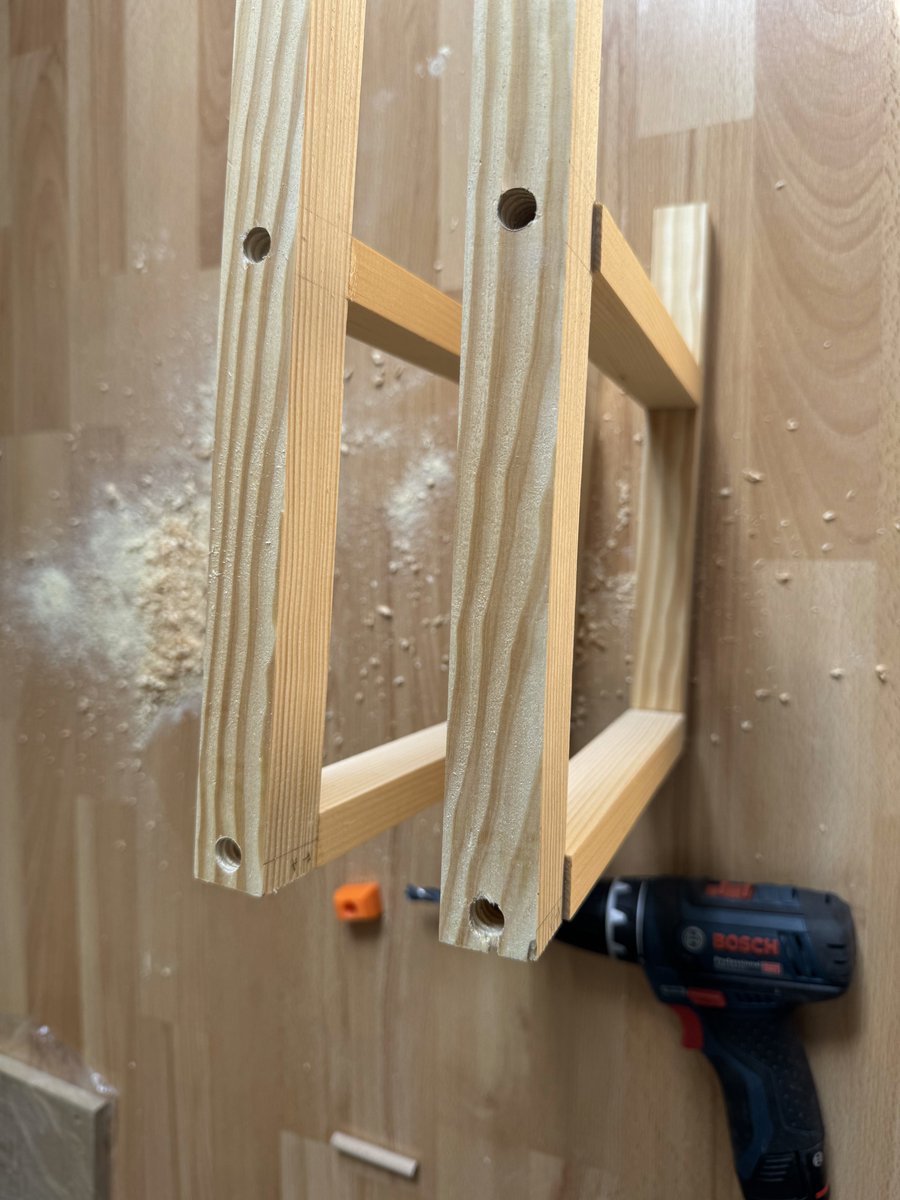
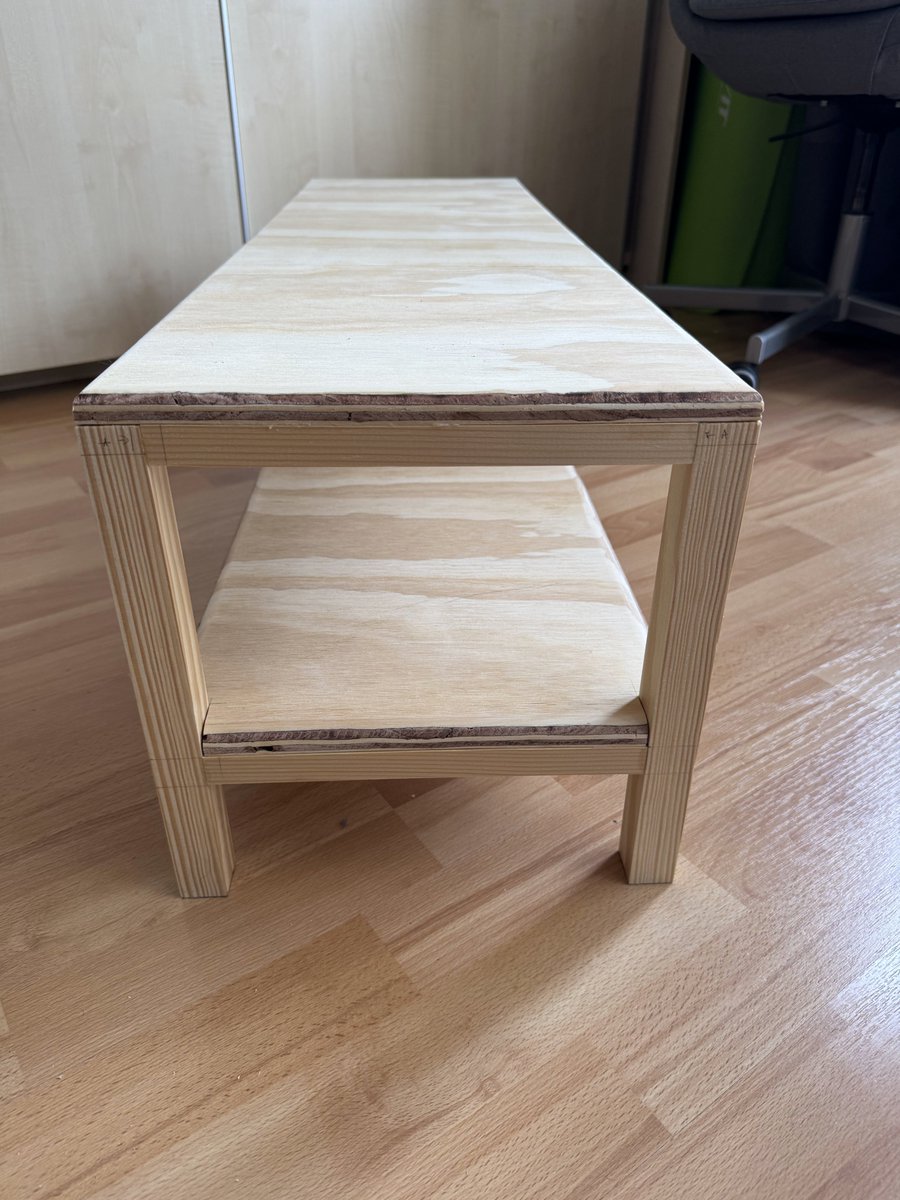
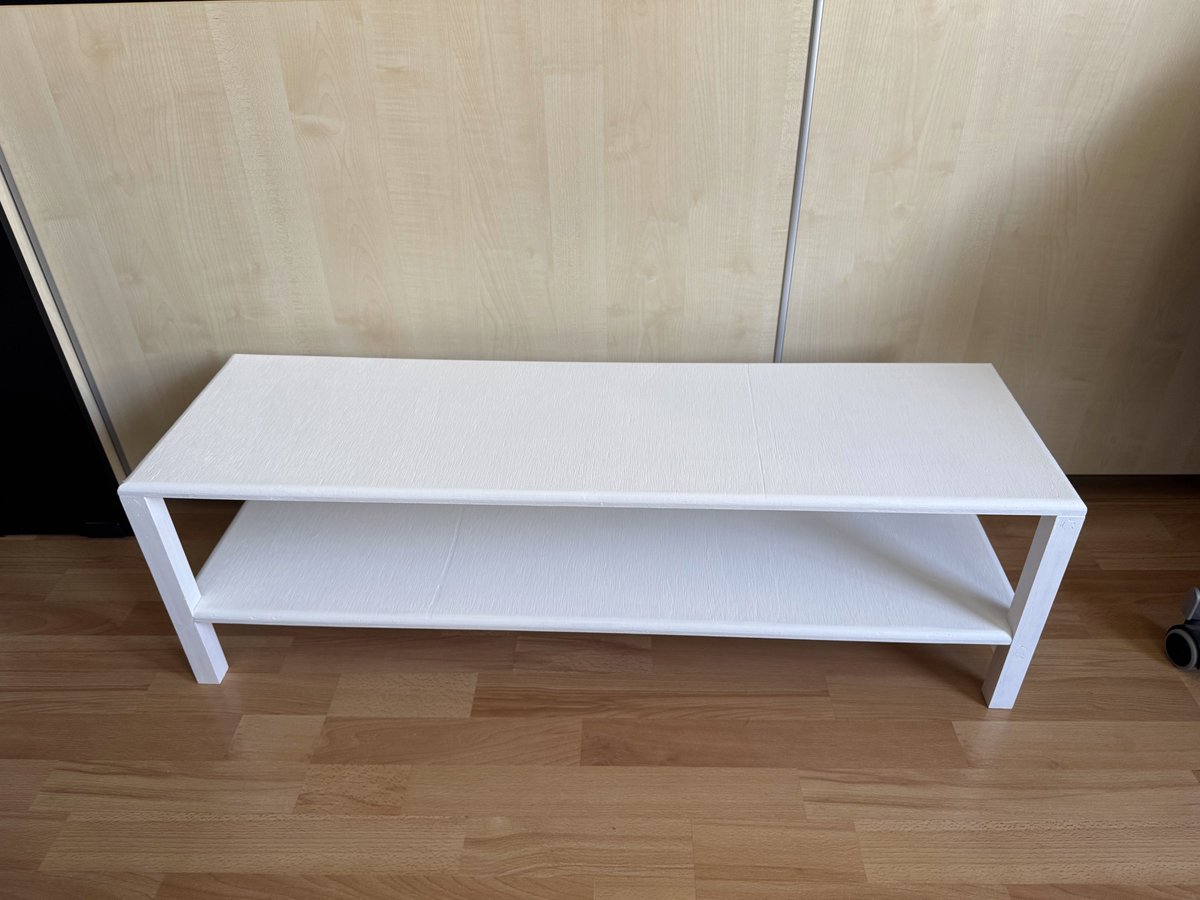
Seeking ever more usable surface area in my storage room, I set out to build an extension for the current shoe rack. My woodworking adventures are documented in the following. But first I shall spoil you with a picture of the end result. #diy#woodworking
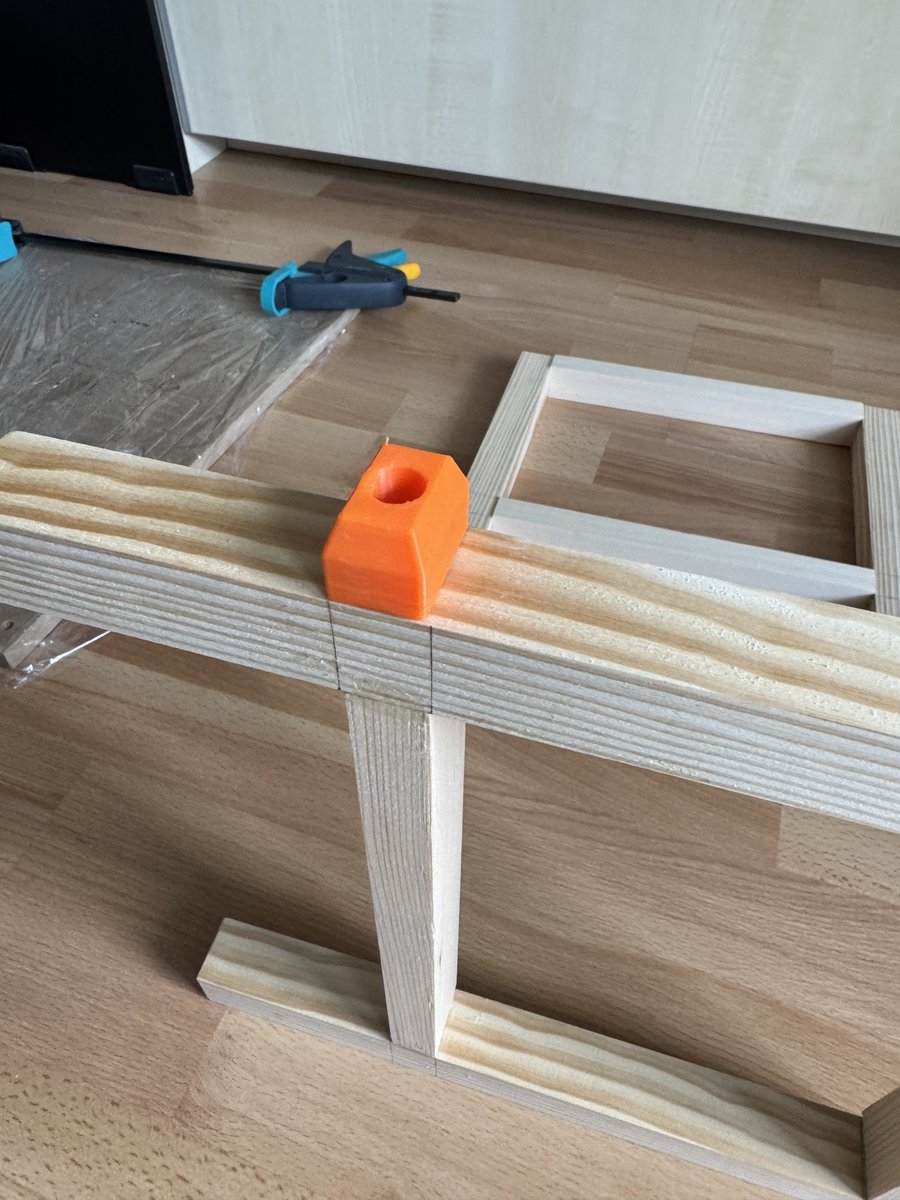
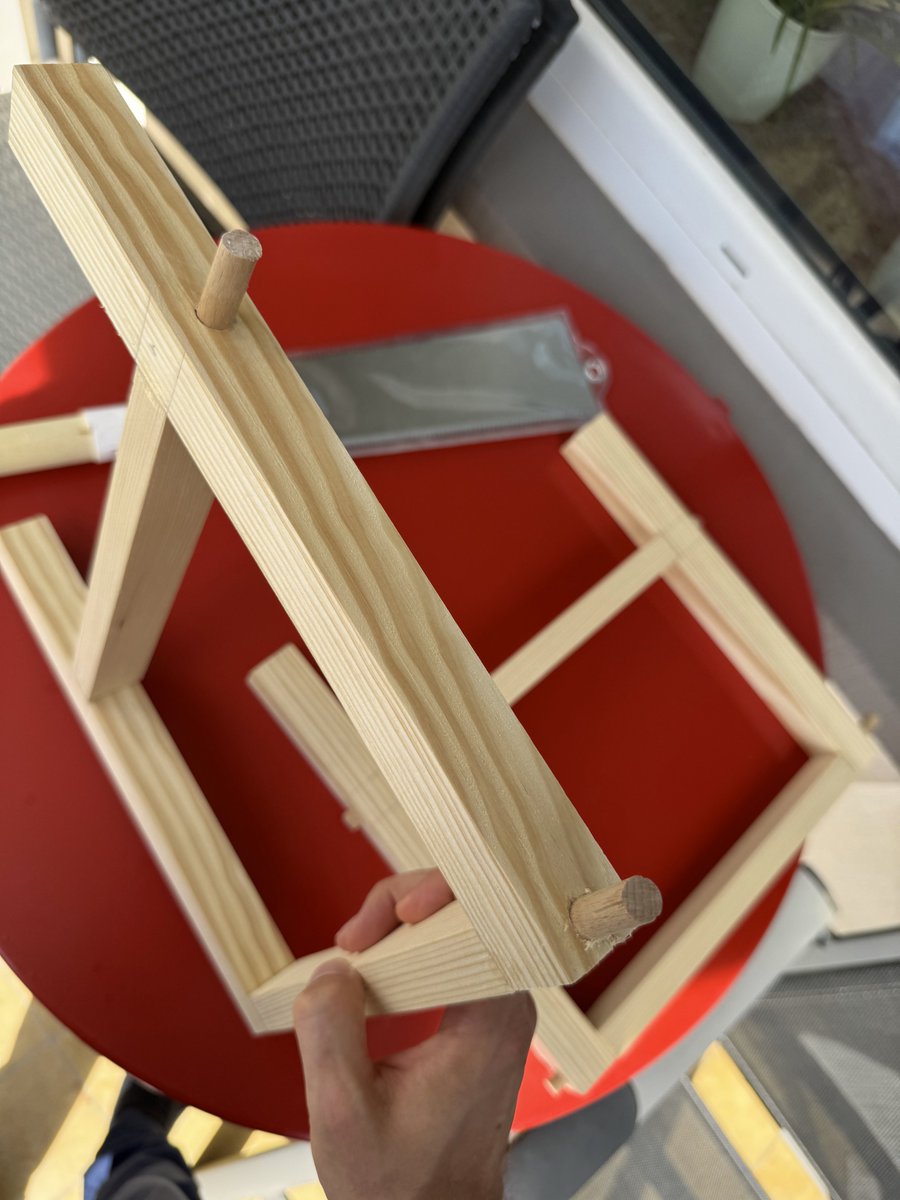
I also used my 3d printer in this project to make some guides for drilling perfectly centered and straight holes for dowels. #3dprint#functionalprint#diy