Exclusive:
It’s confirmed that the Galaxy S27 Ultra will ditch the laser autofocus module, marking the first time Samsung has removed it since its introduction on the Galaxy S21 Ultra in 2021.
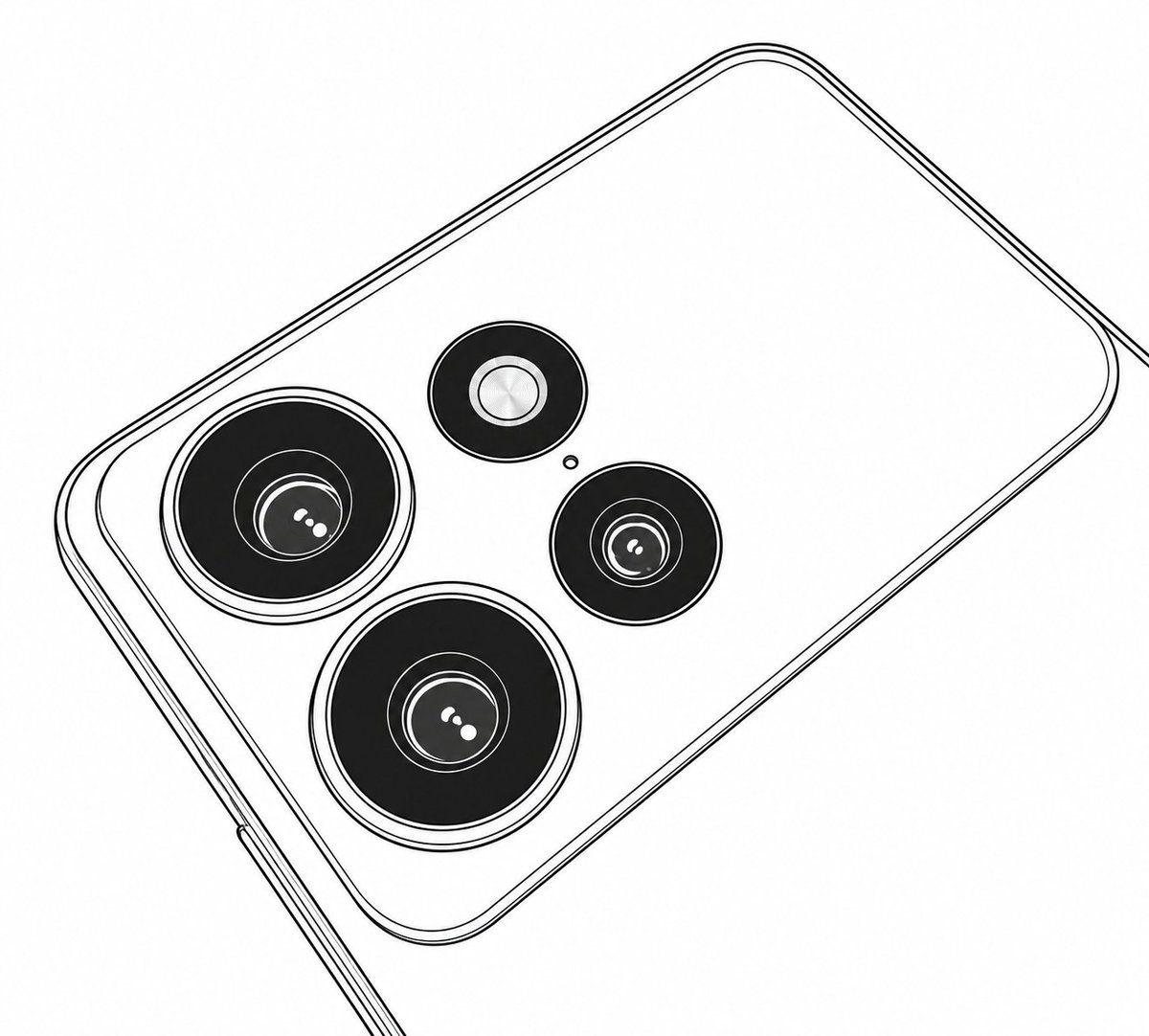
This also explains why the latest S27 Ultra design shows only the main camera, ultrawide camera, telephoto camera, and LED flash. The laser autofocus module has been axed as well.
In other words, compared to the Galaxy S26 Ultra, the S27 Ultra is losing both the 3x telephoto camera and the laser autofocus module.
Tesla FSD graphics evolution:
2020: Minecraft graphics.
2021: Finally upgraded to a 3D game engine.
2026: GTA 6 graphics unlocked.
Six years. Three generations. What a glow-up!
Breaking!Google is finally FORCING Android developers to support foldables! And this time, there are real consequences.
On November 18, Google announced new adaptive app quality standards for Google Play. Starting in April 2027, apps that fail to meet the mandatory baseline requirements for foldables and large-screen devices will be blocked from publishing or updating on Google Play.
Google has divided adaptive app quality into three tiers:
1. Tier 3: Basic Adaptation (Mandatory from April 2027)
Apps must properly utilize available screen space, avoid unnecessary black bars and compatibility modes, support different screen sizes and orientations, and work with multi-window environments.
When users fold or unfold their devices, rotate the screen, or resize an app window, apps should preserve their current state, including text input, scroll positions, and media playback.
2. Tier 2: Optimized Adaptation (Higher Standards)
Apps should intelligently adapt their layouts to different screen sizes.
For example, when a foldable phone is unfolded, apps should take advantage of the larger display with two-column or multi-column layouts instead of simply stretching a smartphone interface.
3. Tier 1: Differentiated Adaptation (Highest Level)
Apps should fully embrace the unique capabilities of foldable devices, including tabletop mode, book-style layouts, multiple app instances, and specialized interactions designed specifically for foldable form factors.
Here's where things get serious.
Starting in April 2027:
• Apps failing the mandatory baseline requirements will be blocked from publishing new releases or updates on Google Play.
• Existing apps may remain available for download, but their visibility on Google Play could be reduced.
• Developers will also need to provide foldable-specific screenshots for their Play Store listings.
• Apps meeting higher adaptation standards may receive special recognition and additional promotional opportunities.
By August 2027, new apps and updates will also need to target Android 17 (API level 37), further strengthening large-screen compatibility requirements.
Interestingly, Google specifically references the different inner-display aspect ratios of Samsung's Galaxy Z Fold8 series, including 4:3 and 1:1 formats, highlighting the growing diversity of foldable devices.
I believe this could be one of the biggest turning points in the history of Android foldables.
For years, smartphone manufacturers have invested heavily in foldable hardware, while third-party app optimization has remained inconsistent.
Now Google is stepping in with actual Google Play enforcement, giving developers a much stronger incentive to take foldable compatibility seriously.
Of course, the initial mandatory requirements focus on basic compatibility. More advanced layouts and foldable-specific experiences will take longer to become widespread. These Google Play policies also won't automatically apply to every Android app store worldwide.
But the direction is crystal clear:
Foldables are becoming a standard part of the Android ecosystem that developers can no longer afford to ignore.
2027 could mark the beginning of a major transformation in the Android foldable app ecosystem.
Here’s some exclusive information I’ve learned about Apple’s 20th-anniversary iPhone:
1. Apple is currently developing four models, two featuring flat glass covers and the other two featuring quad-curved glass covers.
2. Apple has been prototyping this quad-curved design for three years, with several revisions along the way. The curvature of the glass, in particular, is still being refined.
3. The earliest prototype had much more pronounced curves, which were later toned down. The version you saw circulating online a few days ago was actually an early prototype with more aggressive curvature.
4. The quad-curved version has bezels measuring approximately 1mm. However, because the glass curves around all four edges, the bezels become almost invisible when viewed straight on. The result is a nearly bezel-less appearance that could look absolutely stunning in person.
5. From what I’ve heard, industry insiders are very optimistic about this quad-curved design. Some are even more excited about Apple's 20th-anniversary iPhone than its upcoming foldable iPhone.
Samsung is giving Expert RAW a major makeover with the Galaxy S27 series and One UI 9.5, and we've got an exclusive early look at what's coming.
• The updated app features a redesigned interface with larger controls, customizable shortcuts, a camera settings lock, and an improved histogram.
• Samsung is also expanding Virtual Aperture from f/16 to f/22, adding a dedicated Burst mode that captures up to 30 RAW photos, and introducing new controls for tint and photo aspect ratios.
• Perhaps the most interesting discovery is that Samsung appears to be working on video recording support for Expert RAW. The early build includes video-related settings, though recording doesn't work yet.
• There's plenty to look forward to, but some features could still change before the official release.
🚨WHAT A TWIST!
It’s been barely three days since Jensen Huang resigned as NVIDIA CEO, and he’s already reportedly discussing a comeback, according to the Financial Times.👀
Other smartphone brands: “We JUST finished switching from curved screens to flat displays, and now you're bringing curved screens back?!
Apple, you're so damn annoying!”
Samsung is officially entering the AI smart glasses race, and the price starts at just $395!
Samsung has officially announced its new AI-powered smart glasses, developed with Google, Gentle Monster, and Warby Parker. Pre-orders are already open, with sales beginning December 10.
Weighing just 41 grams, these glasses pack some impressive technology:
• 12MP HDR camera, supporting up to 3K video recording at 30fps
• Google Gemini built in, capable of understanding what you're looking at
• Real-time translation, Google Maps navigation, and AI-powered assistance
• Up to 9 hours of battery life, extending to 72 hours with the charging case
• Snapdragon AR1 Gen 1 processor, 64GB storage, and four microphones
• 30 different designs, with prices ranging from $395 to $489
One particularly interesting feature is Gemini's ability to understand your surroundings. You can look at an unfamiliar object, ask a question, and get an immediate response. It can even summarize meeting notes and save them directly to Samsung Notes.
The glasses also support compatible Galaxy phones, Google Pixel devices, and even iPhones.
Samsung and Google are making a serious move into wearable AI. The next major AI battleground could be right in front of our eyes.
Would you wear AI glasses every day?
Samsung is developing a phone with a display that can extend from 16:9 to 21:9. Some people prefer a wider screen, while others like a taller form factor. This design could accommodate both, letting users adjust the proportions to suit what they’re doing. If Samsung can make it work, it could be a very appealing solution.
Battery capacity is the big challenge, though. The sliding mechanism would take up a considerable amount of internal space, leaving less room for the battery. How much capacity could Samsung fit inside? And would it deliver enough battery life with the screen fully extended? Those are questions it needs to answer before this becomes a practical everyday device.
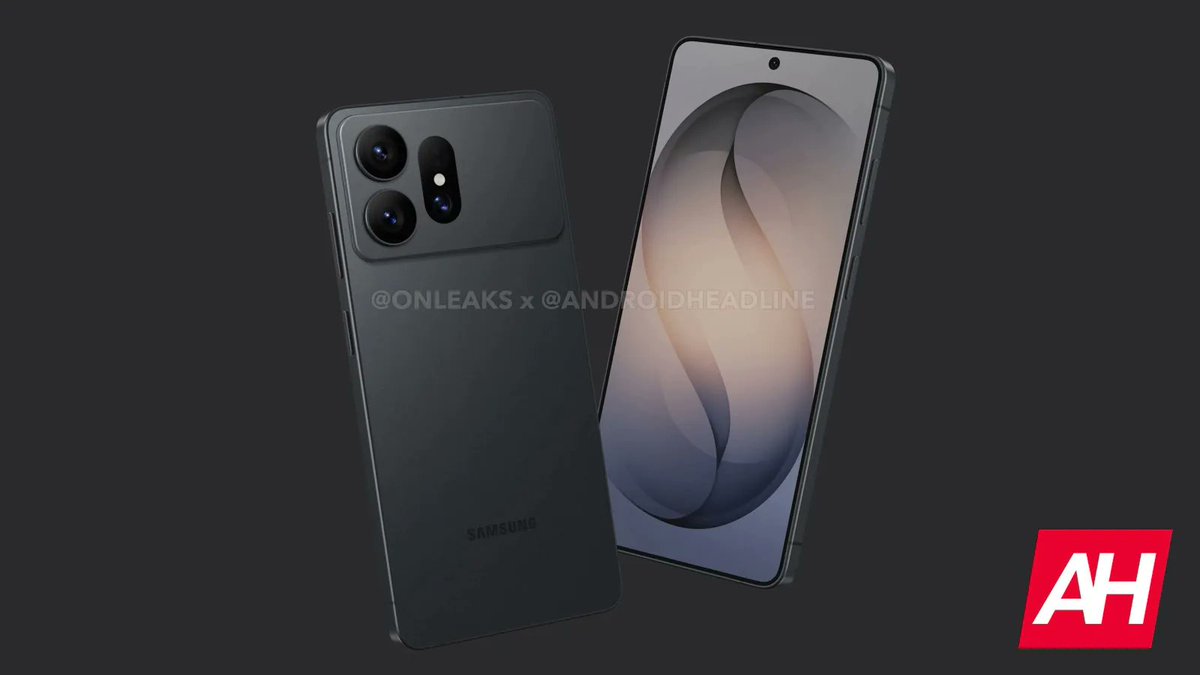
Here’s a LOOK at the Samsung Galaxy S27 series dummy units👇
Samsung Galaxy S27 Ultra (left)
Samsung Galaxy S27 Pro (middle)
Samsung Galaxy S27 Plus (right)
(Credit: Sonny Dickson)
🚨Samsung might be getting ready to put its best Galaxy AI features behind a PAYWALL!
➡️ $4.99/month or $47.99/year
➡️ Access to new Galaxy AI features
➡️ 4x higher usage limits than the free version
After spending $1,000+ on a flagship phone, should you REALLY have to pay Samsung extra to unlock its AI features?
(Source: SammyGuru)
New launch—buds and more
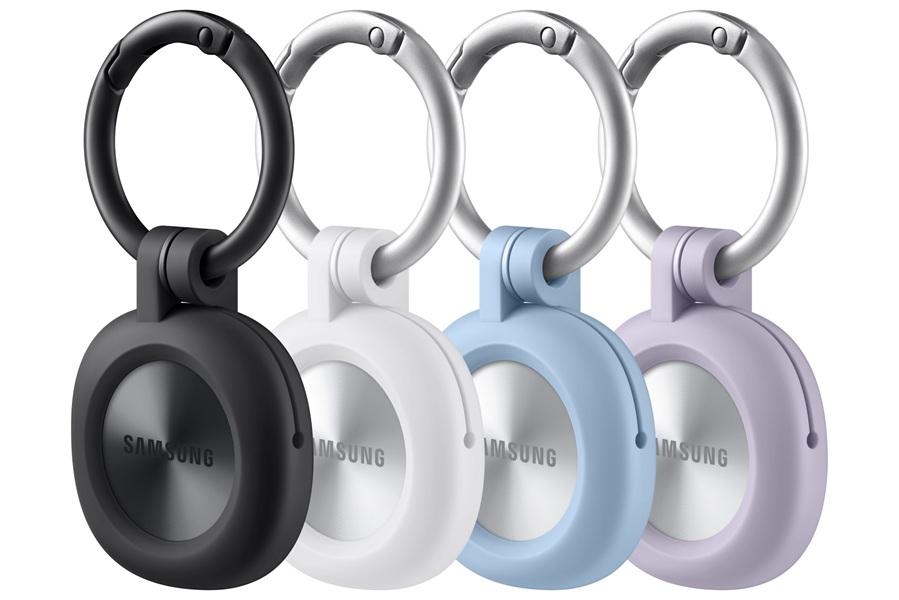
Today (Nov. 6), Samsung announced that the Galaxy SmartTag 3 is available for purchase across the U.S.
🐾 Slimmer design
🐾 Extended tracking range and new features: Place Notification and Movement Detection Alert
🐾 Single tracker: $29; Four-pack: $99
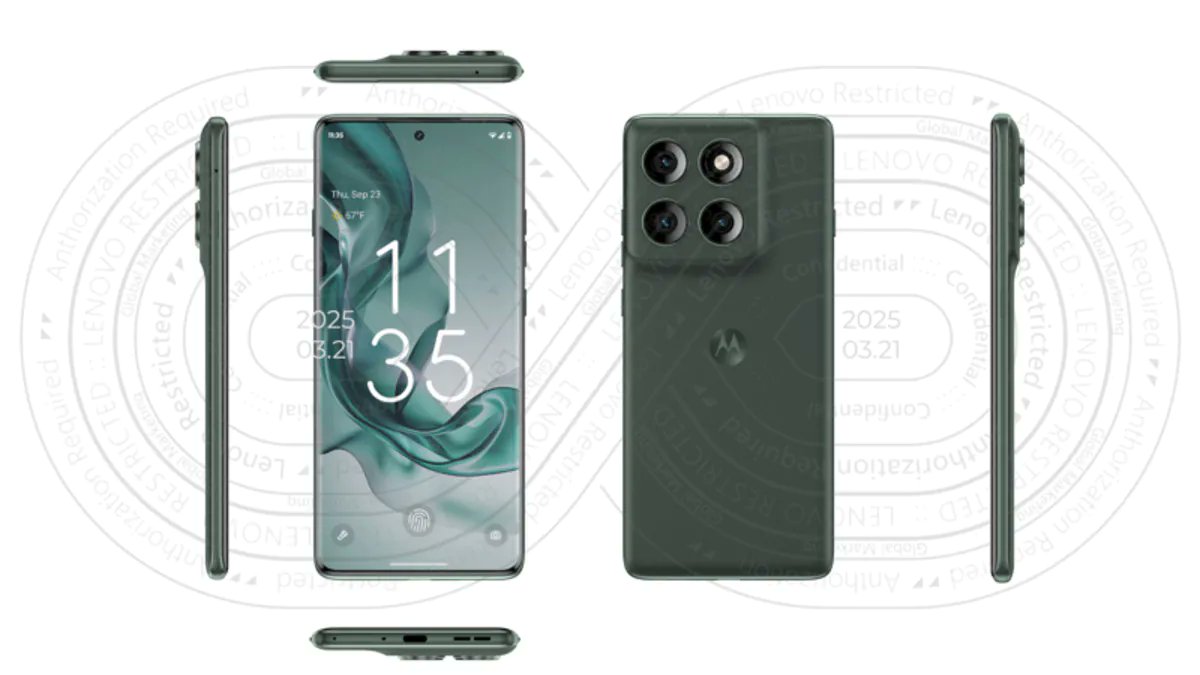
FIRST LOOK at the Moto One☝🏻
➡️ First new One-series phone since 2019
➡️ Looks a LOT like the Motorola Edge (2025)
➡️ Qi2 support, but there's a catch: EPP only, meaning no magnetic charging support (MPP)
(Source: Wireless Power Consortium)
Android’s new ‘SMS of Death’ exploit can crash your phone without you doing anything
A malicious text message can disrupt calls and leave an Android phone stuck in a reboot loop, without the owner knowing what happened.
https://t.co/JzasWtohSV
Samsung just sliced an Apple in half.
But this video carries a much deeper message.
Samsung is reminding Apple and the entire industry that it has been building foldable phones since 2019, refining the technology generation after generation.
The timing is no coincidence. With Apple's first foldable iPhone on the horizon, Samsung is making its position clear.
Apple may be preparing to enter the foldable market, but Samsung has already spent years shaping it.
And the final line says it all:
"Years ahead in Foldables."
This is more than a product advertisement. It's a statement of technological confidence, and a direct challenge to Apple.