What can we learn from past technology-based educational projects? Check out this post on the history of Brazilian Satellites during the 60s and 70s by @IagoZuk, former research assistant at @MIT_GMTaC and recent graduate from @mit_cmsw. https://t.co/9miXKiuM3A
What are the latest developments in digital sovereignty in the European Union? Check out the newest post in the Network Sovereignty Blog: "European Digital Sovereignty: EU’s Projection of Normative Power?" by Abid Adonis, researcher at @AWCPH_UI. https://t.co/uyQ06qXq8k
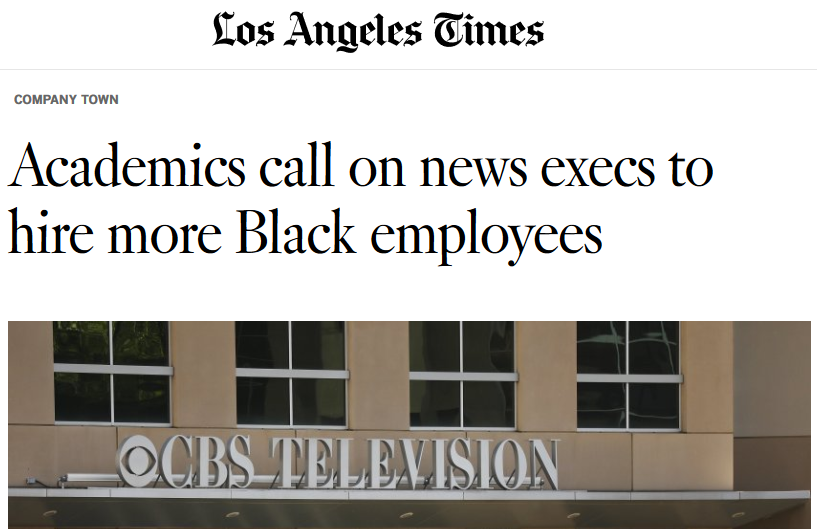
A letter signed by more than 350 media and communication scholars to TV Network CEOs, as well as FCC commissioners, was covered in Los Angeles Times and The Hill. The letter was started by professors Anna Everett (UC Santa Barbara) and Lisa Parks (MIT). https://t.co/xoDFOFCVuI
Lab news: Lisa Parks and Rachel Thompson published a peer-reviewed article, “The Slow Shutdown: Information and Internet Regulation in Tanzania From 2010 to 2018 and Impacts on Online Content Creators” in the International Journal of Communication. https://t.co/IjAmBbOSEr
What are the different meanings that "digital sovereignty" has acquired over the years in academic and public discourse? In this blog post, @stephctr offers a short summary of what has been written during the last couple of decades on this topic. https://t.co/JnO3X8xJKv
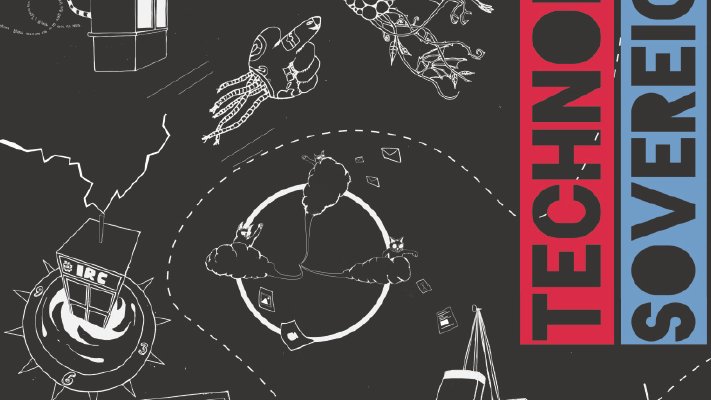
What techniques were used in the past to disrupt cable TV infrastructure? Check out the newest post in the Network Sovereignty Blog: "Notes on Creating the Zine, Cable TV Infrastructures: A Glossary of Illegal Access" by @danielwcarter https://t.co/foodgEiIy0
Mobile politics is contentious politics! The ban of 59 apps by Indian govt cannot come at a better time for my article in @MIT_GMTaC. In this post, I discuss my ongoing research on mobile apps and app stores, including also a short preview of a forthcoming work with @lotus_ruan.
What are the politics behind mobile applications, app stores, and operating systems? Check out the most recent post in the Network Sovereignty Blog: "Mobile Politics: Infrastructural Chokepoints and Geopolitical Flashpoints" by @LRJia https://t.co/eSGXbYm8ve
What different technological alternatives can be imagined and realized by activists and civil society? Read the most recent post in the Network Sovereignty Blog: "Networked Sovereignties: Imagining Alternative Futures in Barcelona" by @caseyrlynch https://t.co/279r1k5BKp
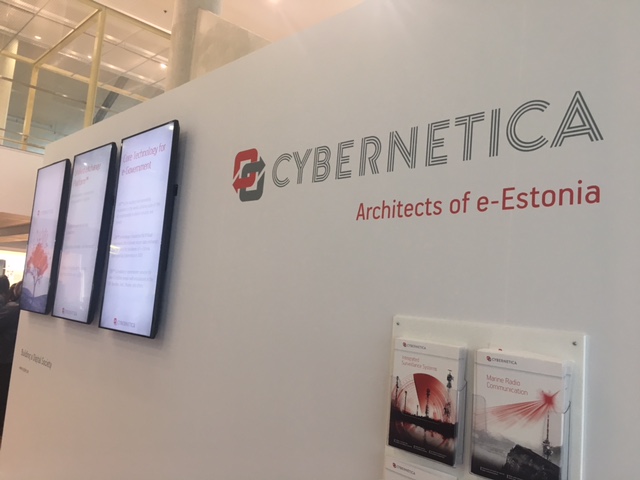
In Tallinn, from my Uber driver to the Estonian president, I heard a range of criticisms and praise for e-Estonia. In this (illustrated) essay published @MIT_GMTaC, I sort through this myth-making to connect the issues of national belonging/exclusion and digital inequities.
How the introduction of government digital services contribute to reproduce social exclusion in Nordic Europe? Check out the newest post in the Network Sovereignty Blog: "National Belonging and Exclusion in Estonia’s Networked Sovereignty" by @sbudnitsky https://t.co/R4OmlOx3zp
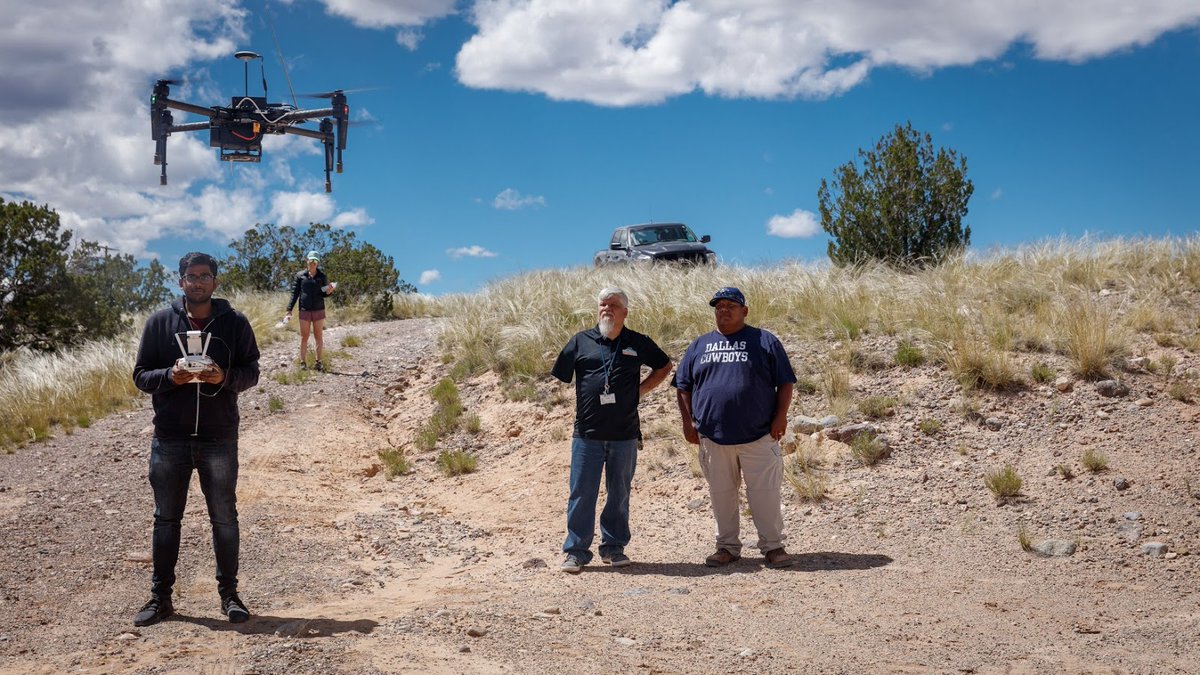
What are the challenges to exercising network sovereignty for Native Nations in the US? Check out the new post by @marisaelena1979 and Morgan Vigil-Hayes: "Wardriving and Warflying: Collecting Accurate Spectrum and Coverage Data in Indian Country." https://t.co/5hafacsuWY
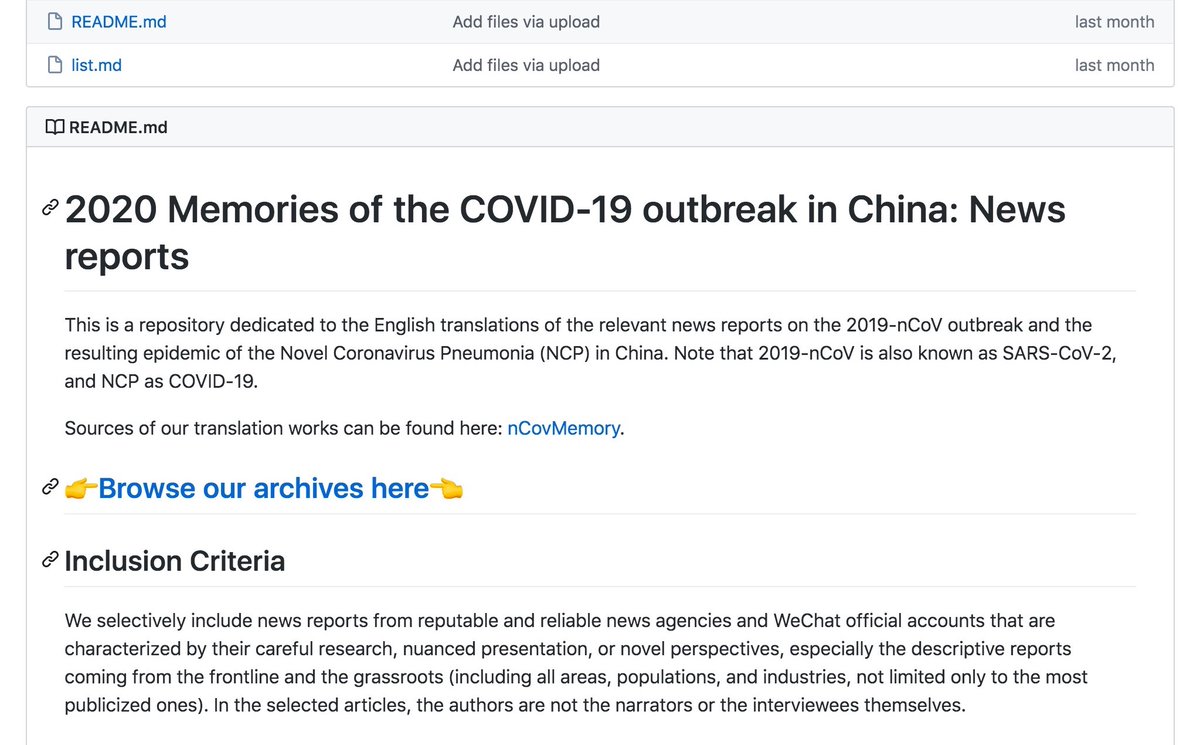
iSchool faculty @amelia_acker shares new research on "Platforms, Community Archives and Remembering the Pandemic" in this blog post: https://t.co/zUWjxiis6G
How Chinese citizens are using platforms to share documents, narratives, and data about their experience of the pandemic? Check out the new post in the Network Sovereignty Blog by @amelia_acker: "Platforms, Community Archives and Remembering the Pandemic" https://t.co/Pa1y0bHrwv
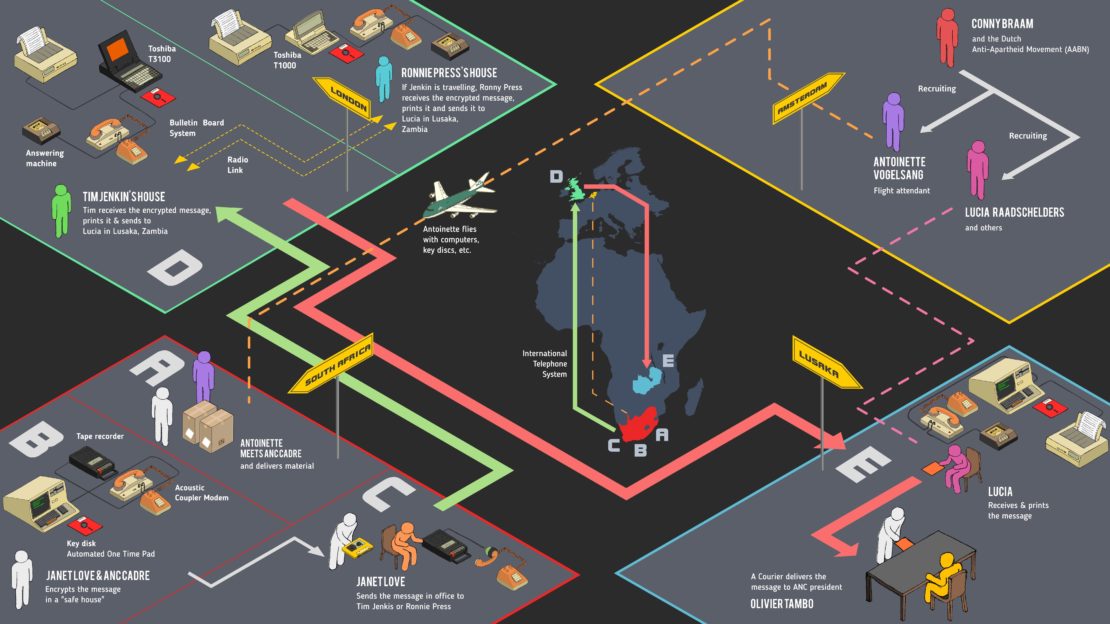
Check out the newest publication in the Network Sovereignty Blog titled "Building a Fugitive Communication Infrastructure during the South African Liberation Struggle" written by Sophie Toupin, PhD candidate at @AHCS_McGill https://t.co/DiSqun8UjU
Graduate research assistant @da_cerna just published a post in @BigDataSur/@data_ctive's blog "COVID-19 from the margins" on how the Peruvian state is using social welfare databases to distribute financial support during the coronavirus crisis. https://t.co/5Tlg2BYmVc
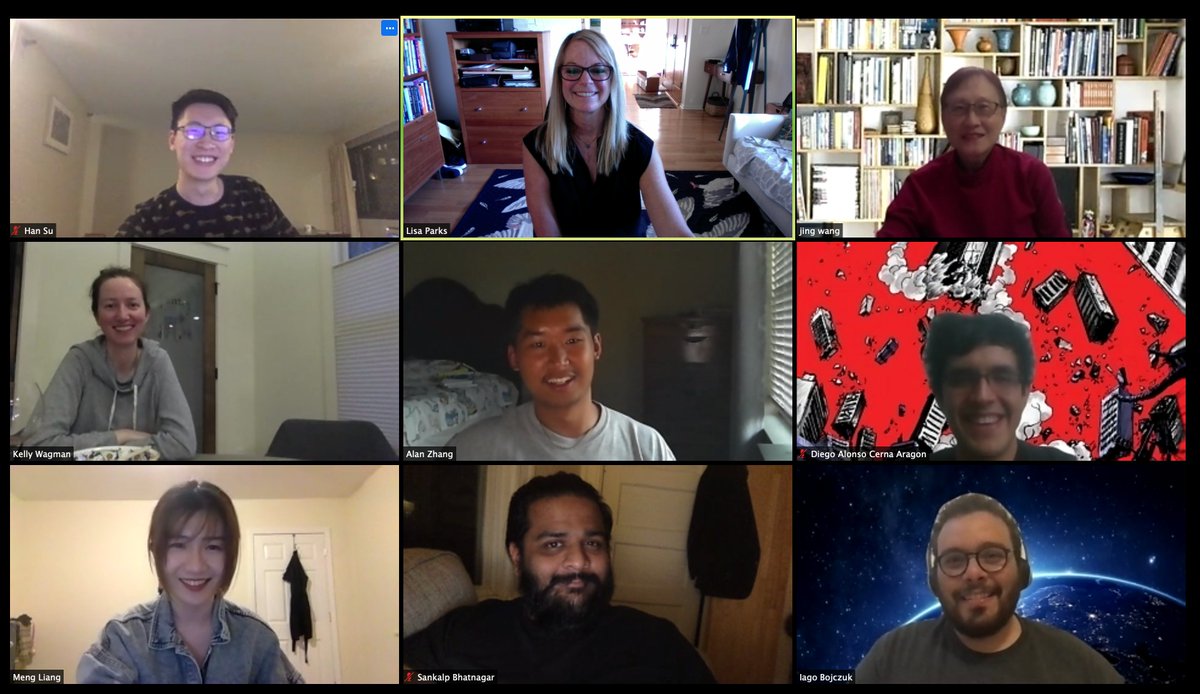
@IagoZuk will pursue an internship with the International Telecommunications Union (@ITU - UN Agency for ICTs), and Han Su has accepted a job with Futurewei Technologies. The GMTaC lab will miss them very much and wishes them both all the best in their future endeavors! 4/4