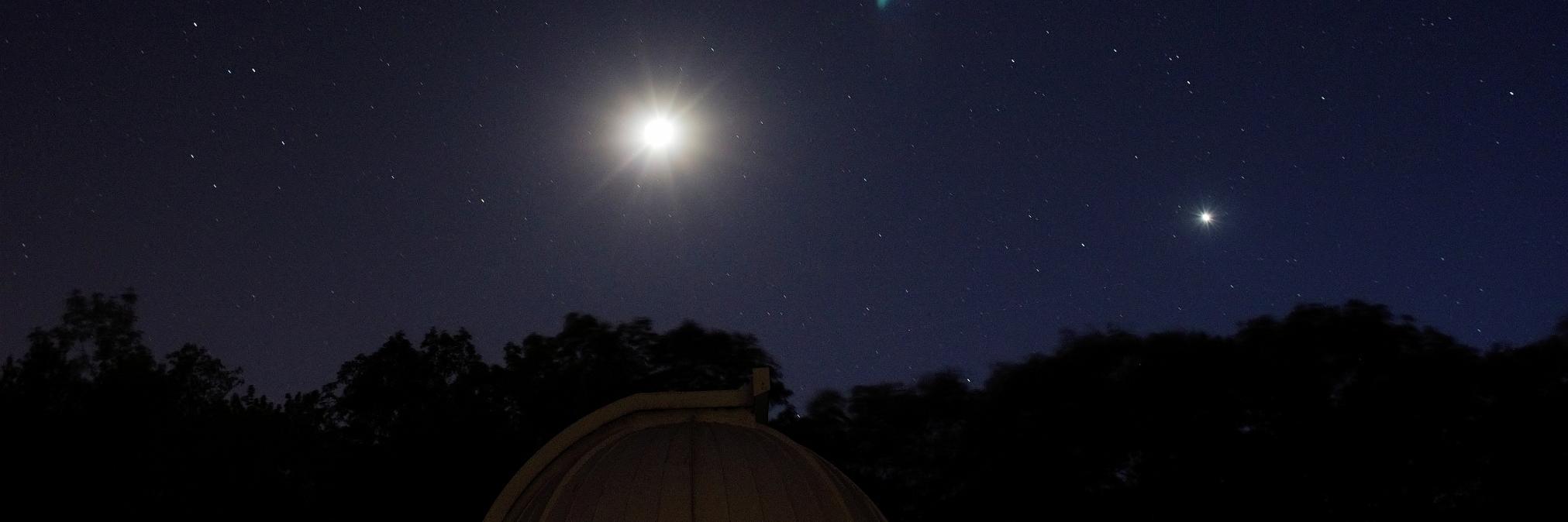
Given where this platform seems to be heading and the indifference of its owner to the destruction of the night sky, likely our last post here. Hope you enjoyed the eclipse, if not, we recorded it for you. #gooutsideandlookup https://t.co/YEriC1ad00
https://t.co/IXDIQ5ya6C
I’ve known Jessica for longer than either of us probably care to admit (ok: more than 40 years, when we both worked in Jim Elliot’s group at MIT) and have always admired her - great to see this interview!
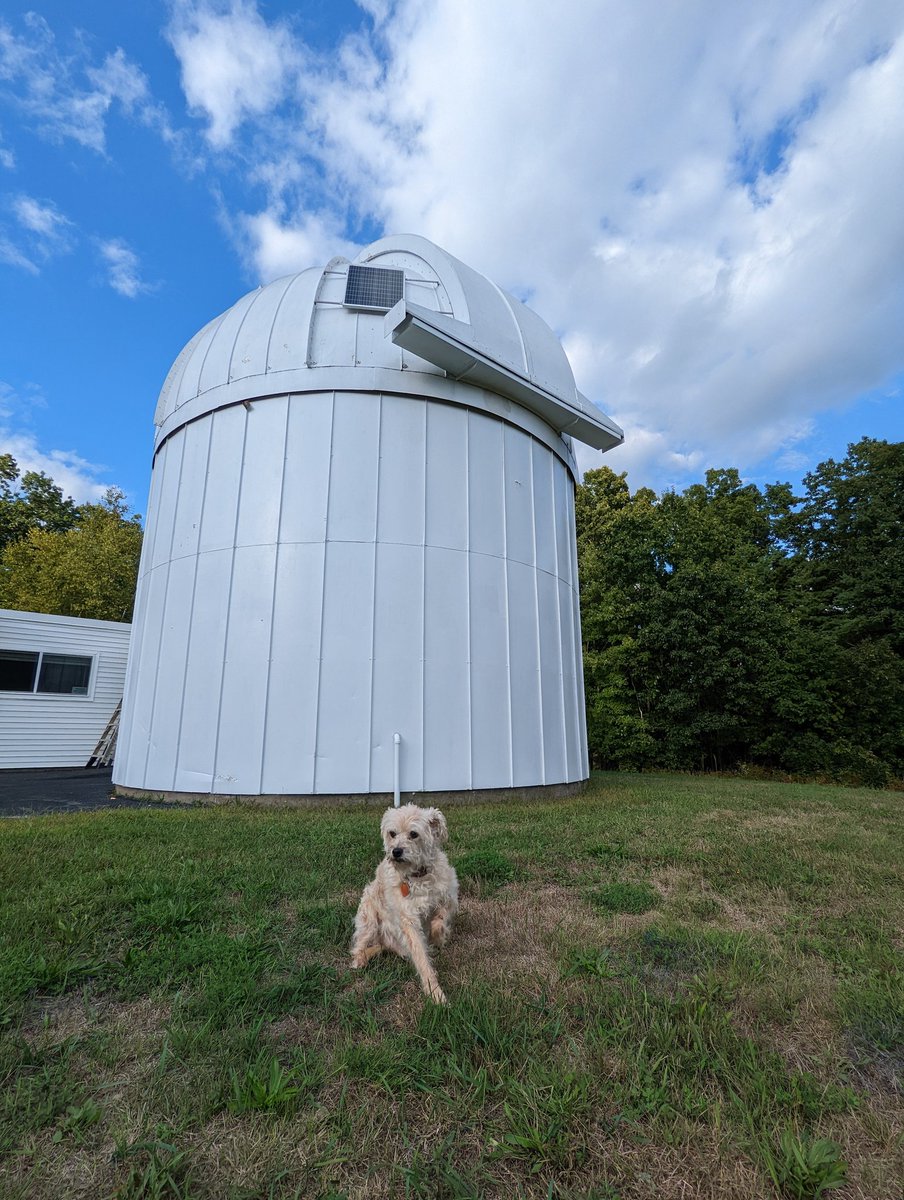
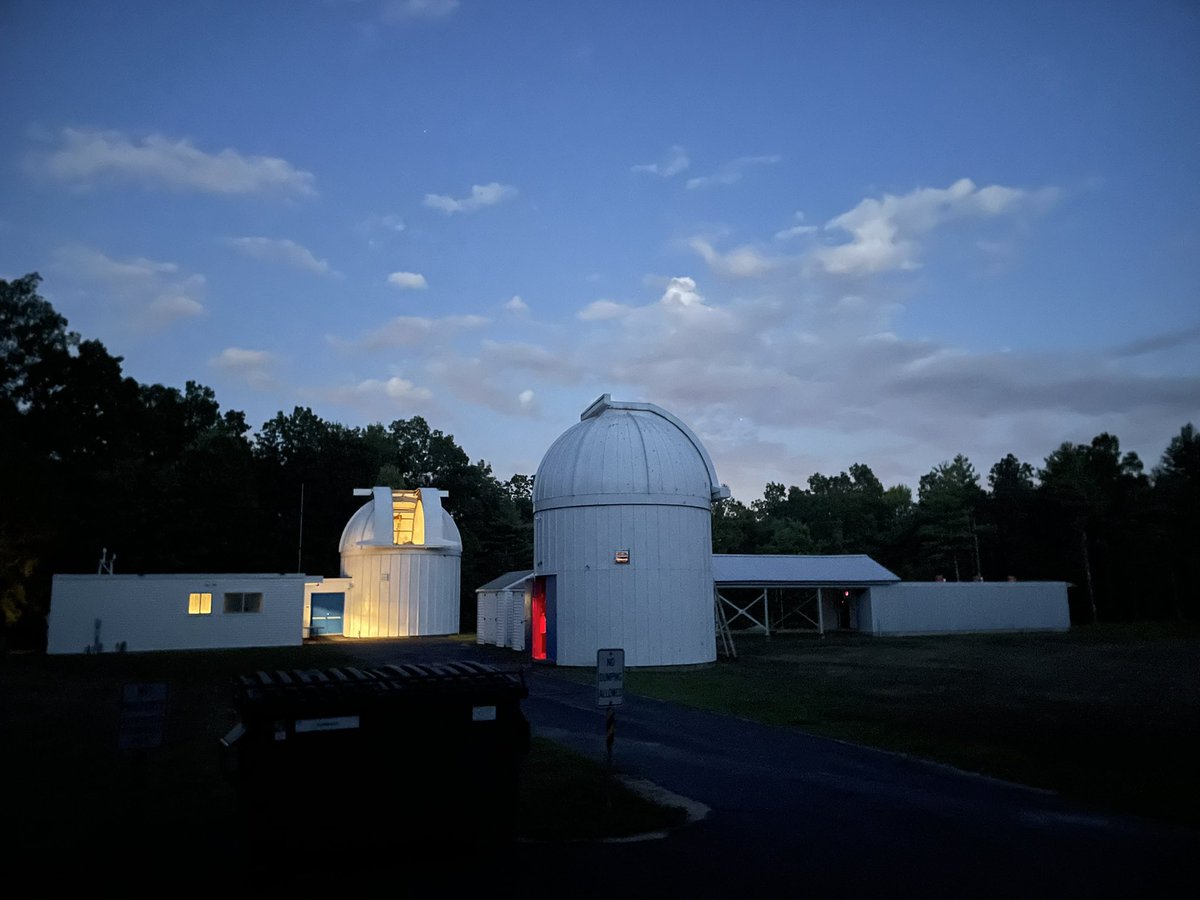
Another milestone at Wallace this week - our 51yo dome is now solar powered! It also knows to close the dome if there's bad weather. Finn approves! #greenobservatory#solarpowered#thisoldobservatory
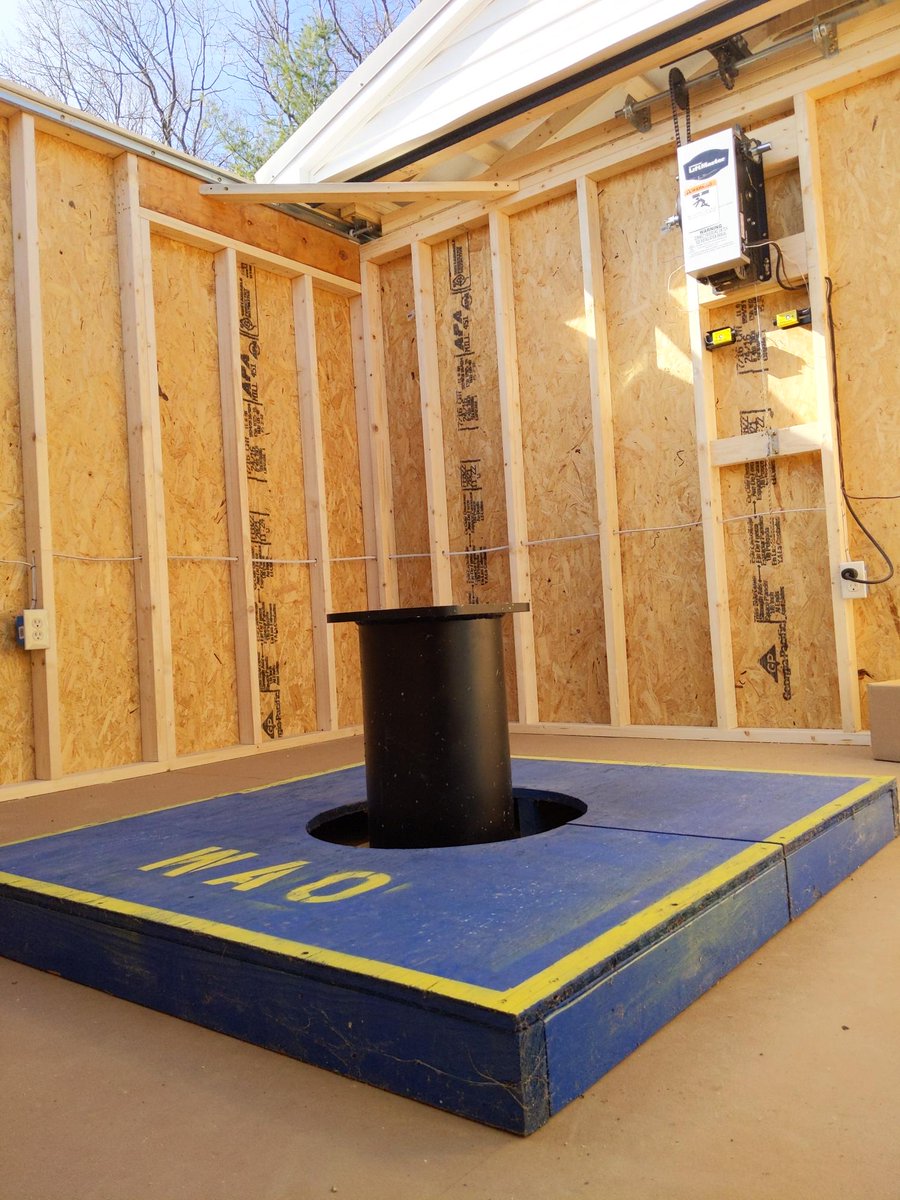
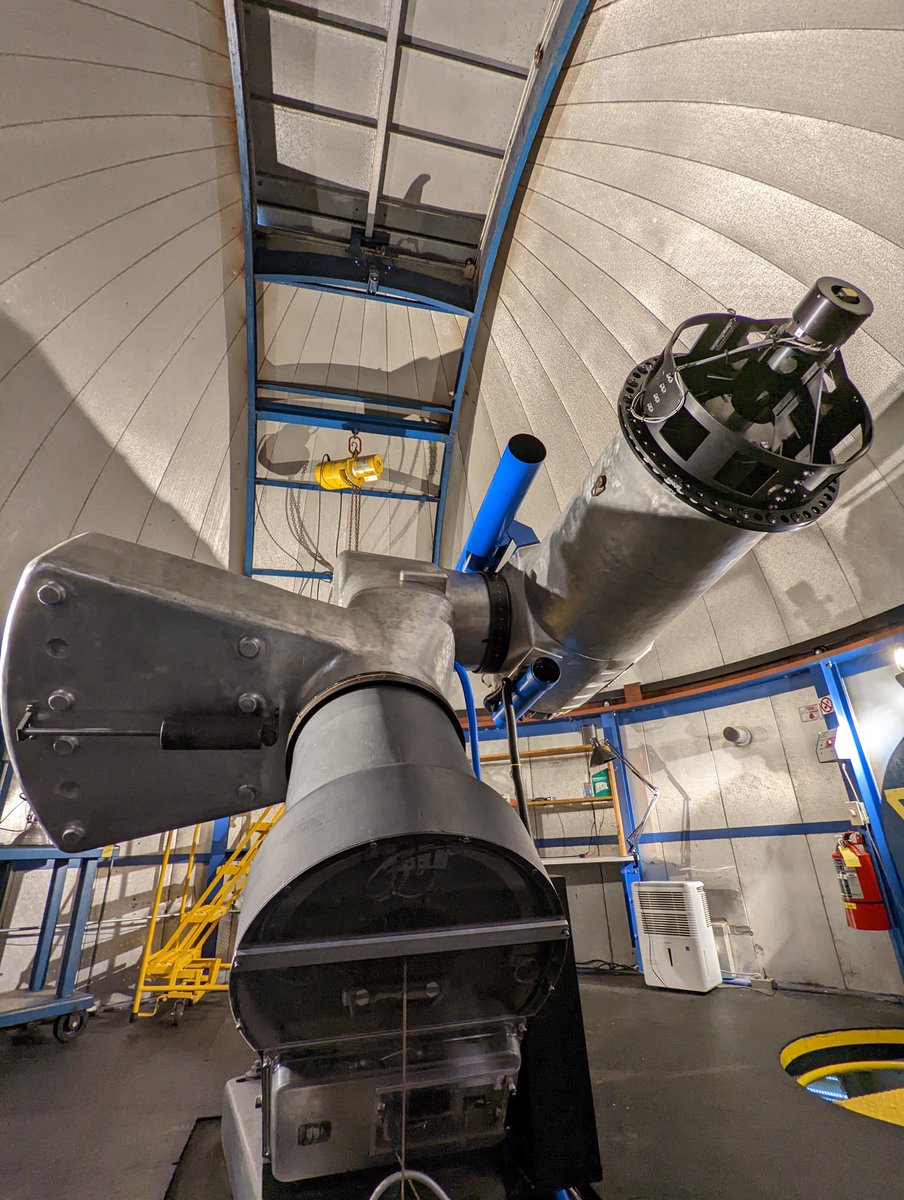
The Wallace 24" telescope is ready for the semester! This summer @MIT summer UROPs helped to refurbish much of the observatory. Note the color-coordinated refractors! #thingsarelookingup@eapsMIT#telescope#astronomy
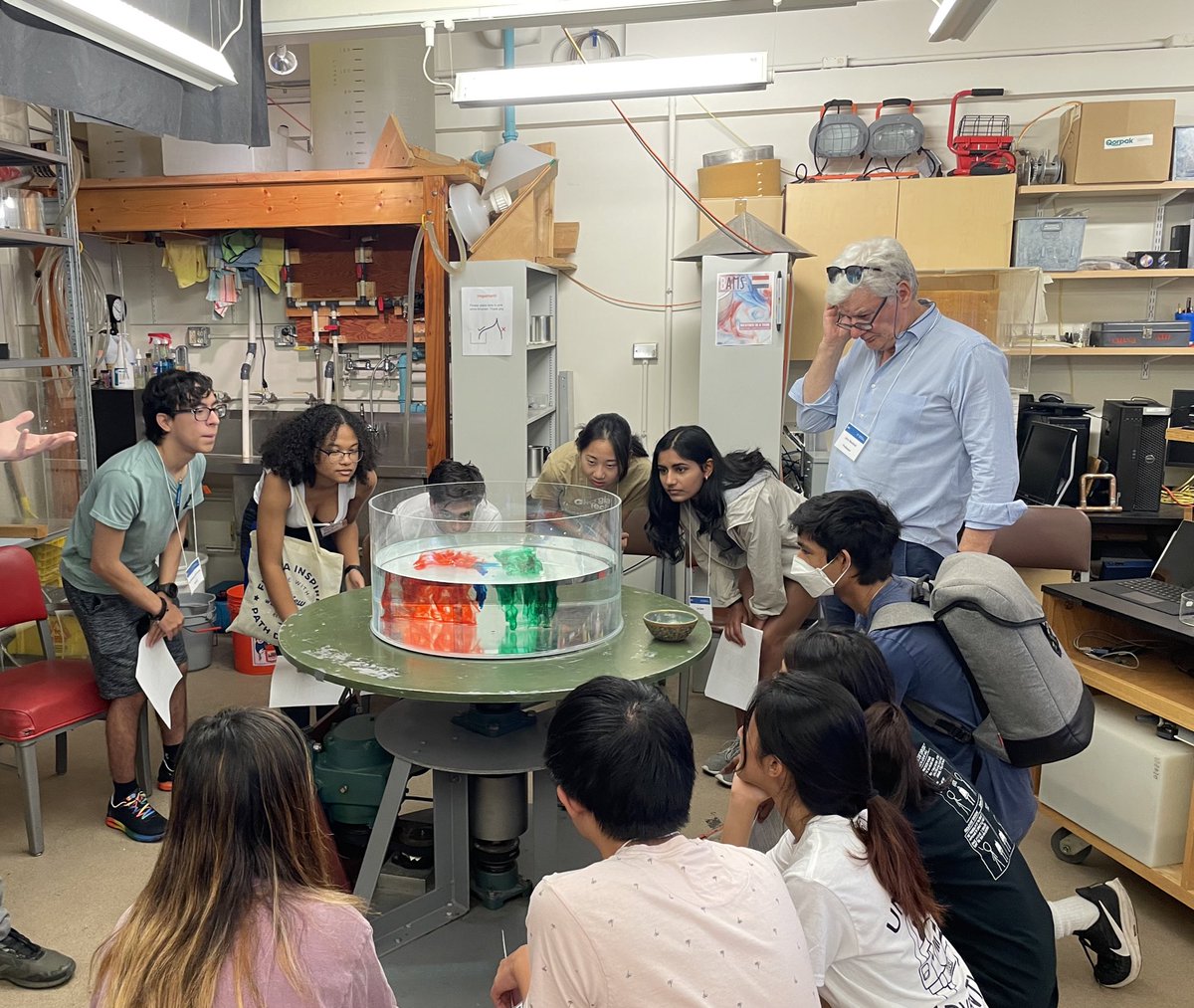
Discover @eapsMIT (DEAPS) program 2022 off to great start with newly arrived @MIT class of 2026 students observing weather phenomena in a rotating fluid tank, followed by a visit to @MIT_WallaceObs to explore astronomy. More this weekend with a meteorology & geology trip in NH!
Good news dark-sky friends - MA legislation H.3306 "dark sky bill", was granted an extension today - the fight for the night continues! If it passes, it will save energy and preserve our night sky. #IDSW
Big news! The Dark Sky bill was advanced by the MA legislature, S.2147. Let's keep pushing this forward, we don't have stars to lose! @IDA_Mass@IDADarkSky#mapoli https://t.co/DQRn0sP660
Pro tip from MIT Wallace Observatory: If you want to see the stars, don't start by looking at your phone.
Also, don't launch 40000 satellites in LEO. #darksky#gooutsideandlookup#turnoffyourlights
https://t.co/BUeg0eLJem
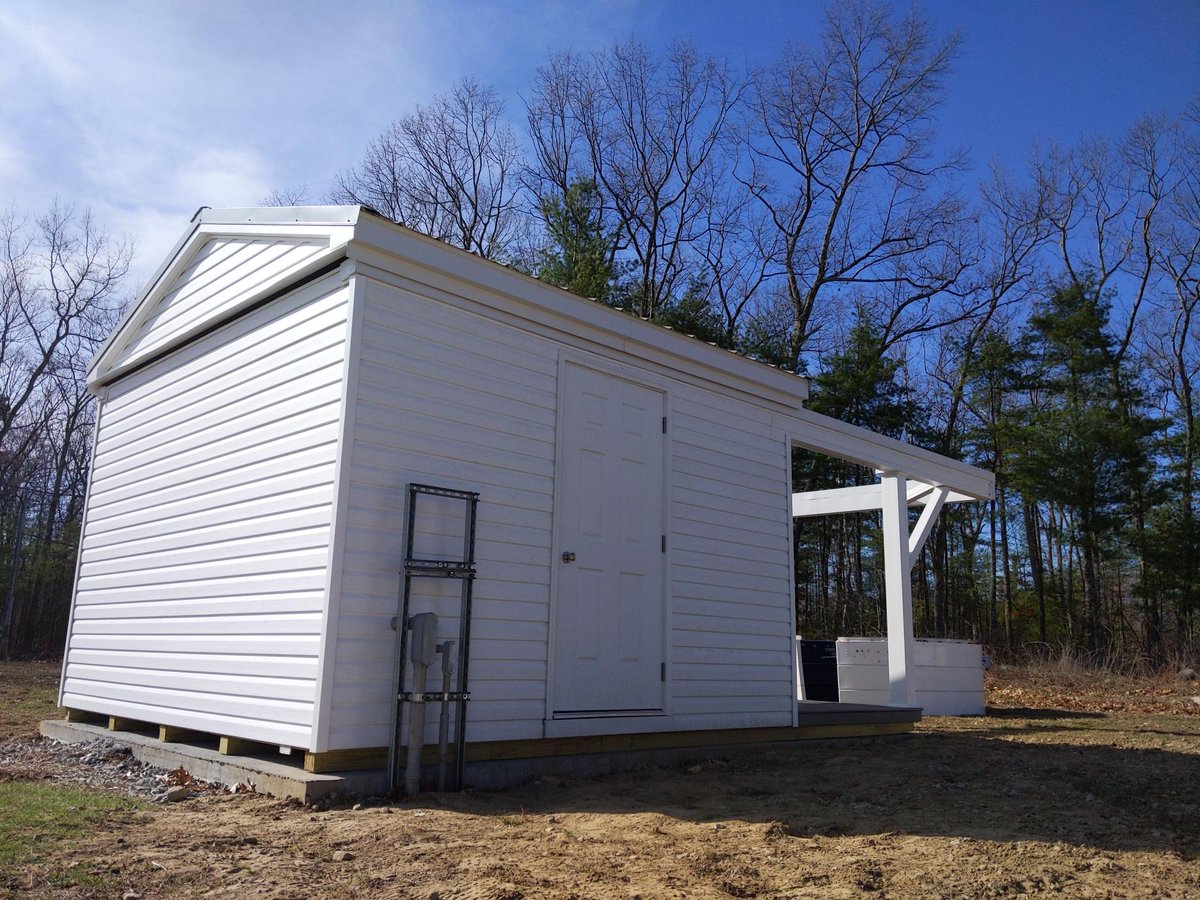
Radio ground stations are straightforward: antennas. But what about optical communication ground stations? They are telescopes! That's right: telescopes! And we are getting one ready at @MIT_WallaceObs for CLICK, our #lasercomm CubeSat! Stay tuned!
New research shows that #lightpollution has increased by at least 49% over 25 years globally. This figure only accounts for light visible via satellites. So, the true increase may be much higher – up to 270% globally, & 400% in some regions.
Learn more: https://t.co/uZ7rYLz7ru
@JohnBarentine Yikes! Do we know what wavelength they are using for uplink and downlink? Likely NIR, could be big problem for those of us that observe in those bands.
If you’ve lost the Milky Way, or you’re even approaching that point, that means there’s a fair amount of light pollution in your environment. Here's a solution: https://t.co/NML8XodqMl #savetheMilkyWay@IDADarkSky#lightpollution#ALAN#darkskies https://t.co/o4QPrJuDDC