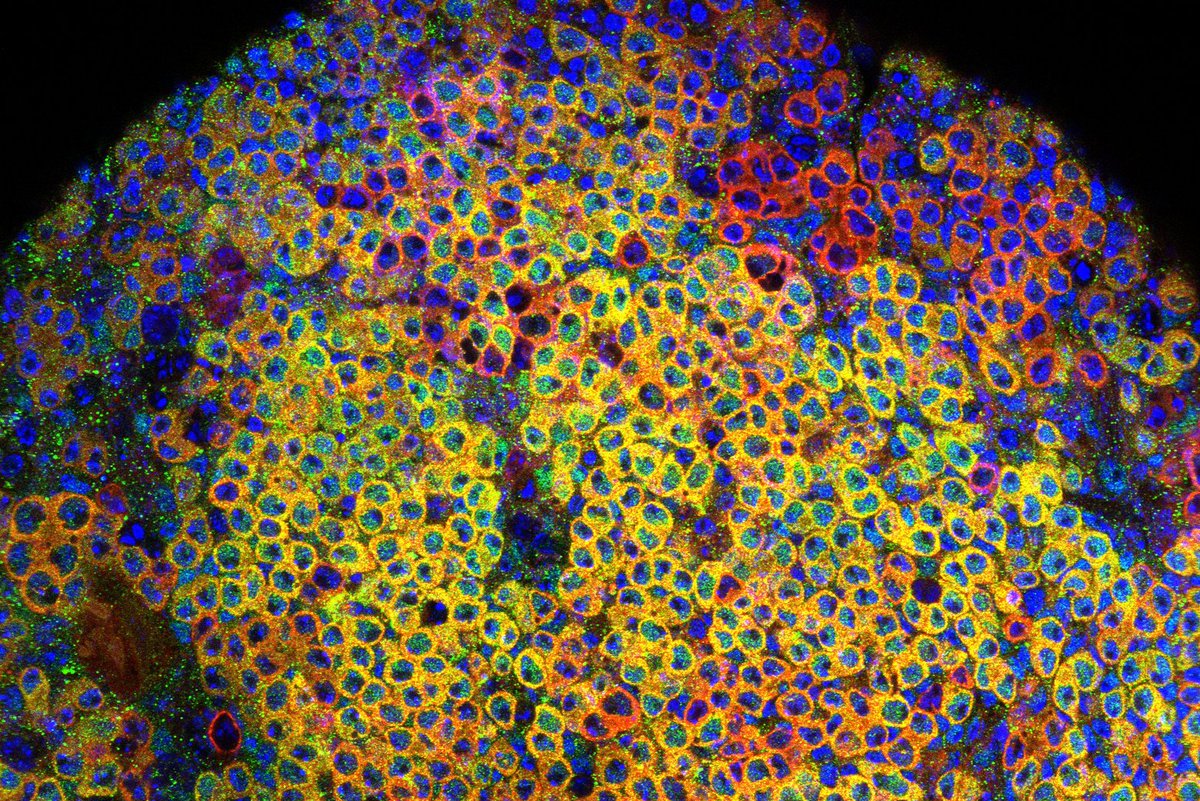
One of the main goals for microbiologists in an experiment is to connect a cell genotype with a specific phenotype. To do this, they need to start with a single cell.
@MITBiology researcher Yashna Thepetta explains how you get there, through a process called "streaking for singles."
Wonder what else you can learn? Visit https://t.co/Ra69l1UzIP.
Congratulations to three students who have earned MIT HEALS Graduate Fellowships! Jessie Xiao (studying alpha synuclein in Parkinson's disease), Evan Ruesch (developing tools for optical physiology), & Emma Ibanez (studying sensory neurons in reproductive system). #neuroscience
When I was in college @MITBiology, I worked in the @WhiteheadInst lab of the scientist, Bob Weinberg, who discovered the very first oncogene, ras. Decades later, a drug targeting ras has finally made historic progress in pancreatic cancer. A great moment.
One of the main goals for microbiologists in an experiment is to connect a cell genotype with a specific phenotype. To do this, they need to start with a single cell.
@MITBiology researcher Yashna Thepetta explains how you get there, through a process called "streaking for singles."
Wonder what else you can learn? Visit https://t.co/Ra69l1UzIP.
🏈 What can a ball toss teach us about visual processing and autism?
Tune in to the Beyond Biology podcast to hear @MITBiology Professor Pawan Sinha discuss the science of vision, his research into brain plasticity, and share the inspirational journey behind his nonprofit, Project Prakash.
🎧 Listen to the full episode on MIT Learn: https://t.co/aDkHRhZldx
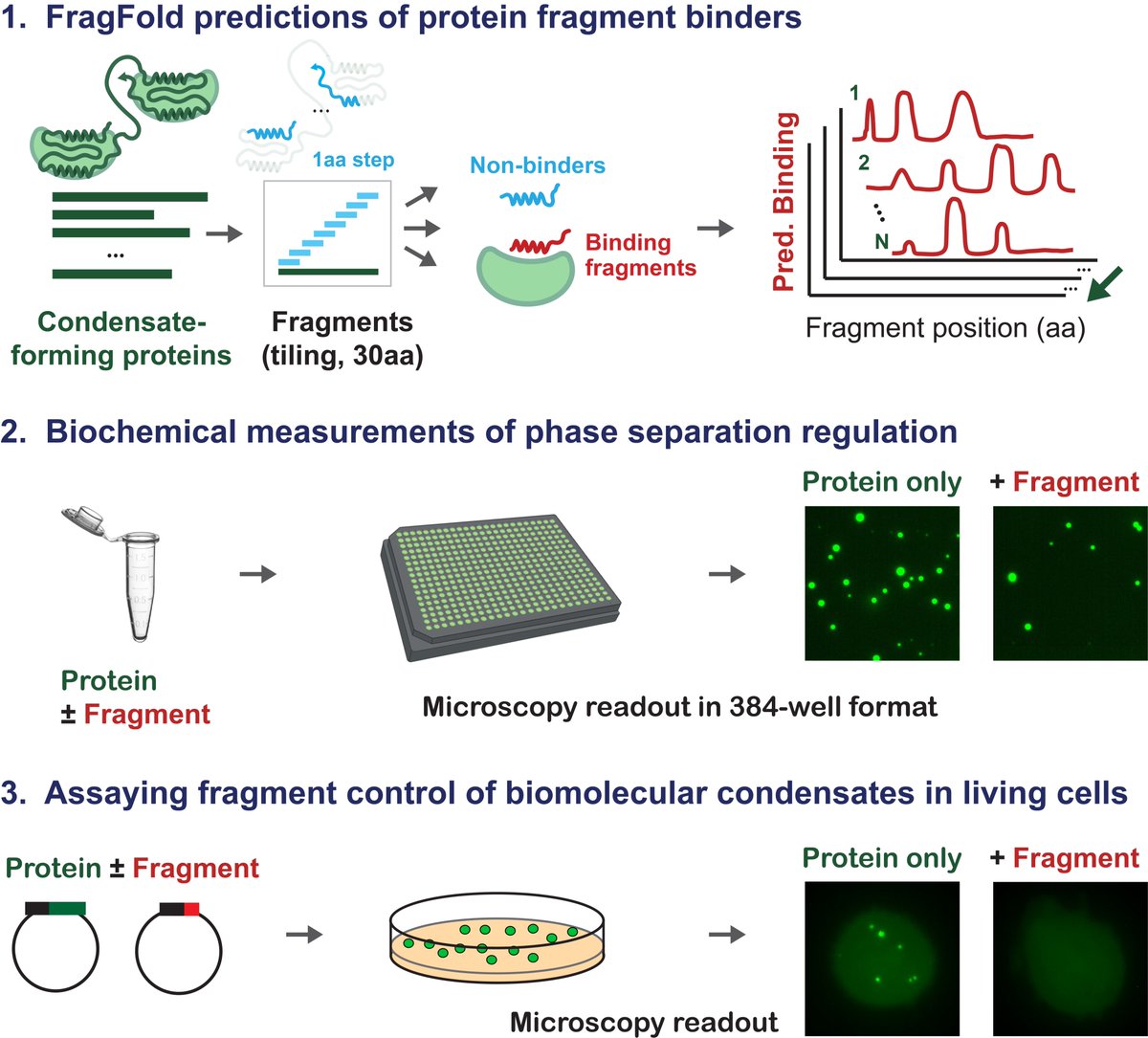
Interested in genetically encodable inhibitors of your favorite biomolecular condensate? Excited to announce our latest work, w/ @jibin_sadasivan, @GeneWeiLiLab, & @LindsayCase19, on protein fragments as generalizable regulators of phase separation. (1/n)
https://t.co/6IMkrTP3ZQ
Ribosomes, the cellular machines that assemble proteins, are made from dozens of proteins and RNA molecules. Putting all of those pieces together is a complex puzzle — one that @MITBiology Associate Professor Joey Davis PhD ’10 revels in trying to solve. https://t.co/nkON8SZPzY
Joey Davis' work has helped reveal that unlike building a house, which happens in a prescribed sequence of steps — pouring the foundation, building the frame, putting on the roof — ribosomes can be assembled in a more flexible way.
Understanding how these structures form and later break down could help researchers learn more about how disruptions of these fundamental processes can lead to disease. https://t.co/p3LyPhsphf
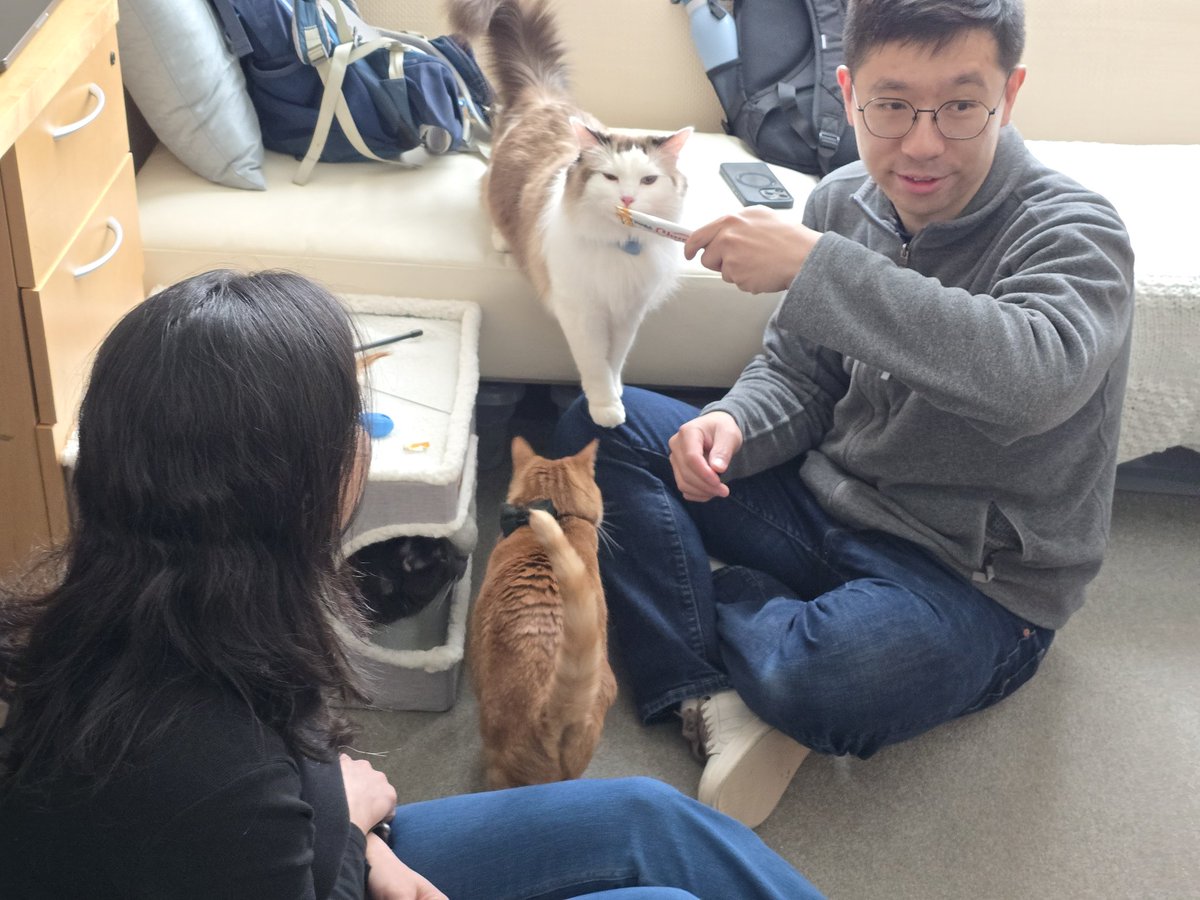
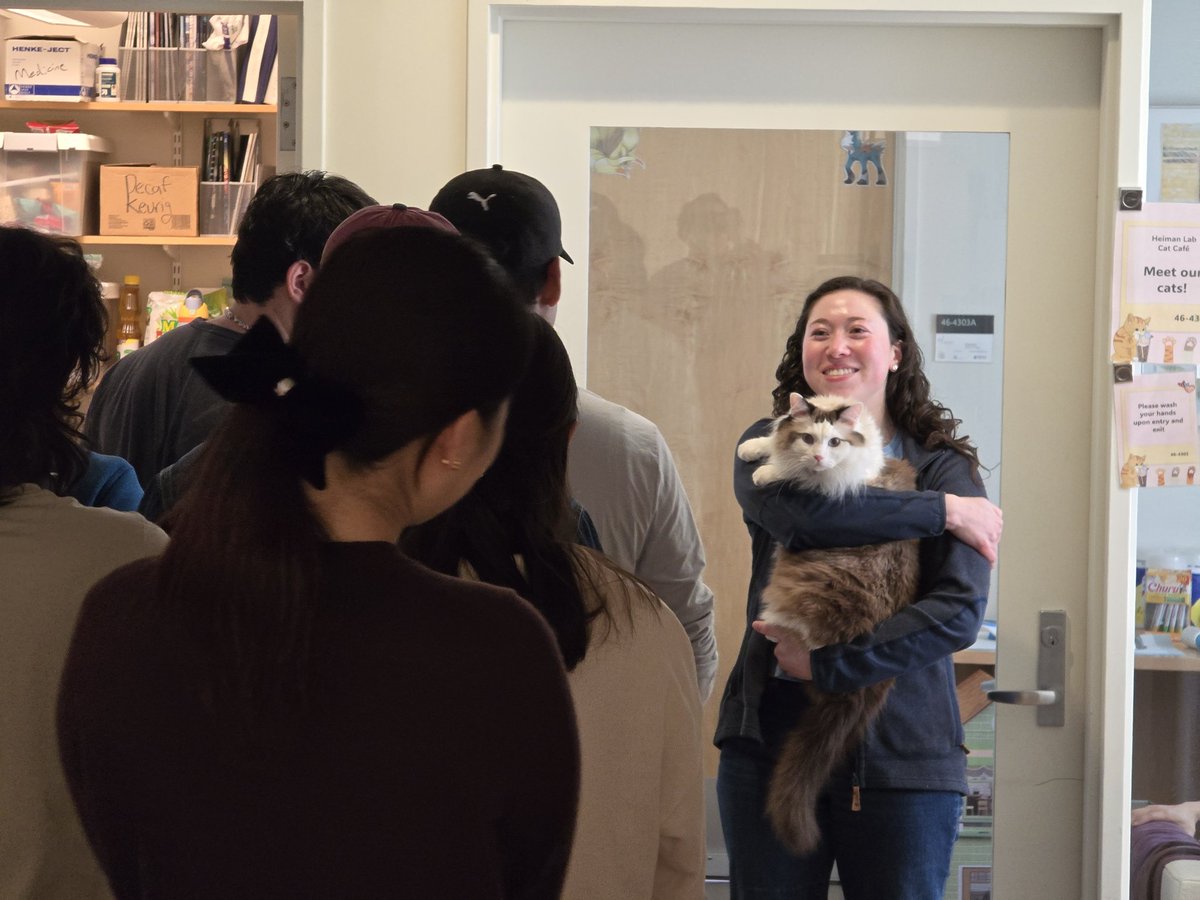
Happy "Cat-sual Fur-day"! The lab of Professor Myriam Heiman treated our whole building to a cat cafe featuring Torbie, Cleo, and Kinje. Hoomans also got Boba tea!
Congrats to MIT scientists Sven Dorkenwald and Whitney Henry for being named 2026 Searle Scholars, an award given annually to 15 exceptional early-career researchers in the fields of biomedical sciences and chemistry!
https://t.co/H4Kuo879Ol
Cancer biologist Bob Weinberg & @WhiteheadInst@MITBiology research on molecular & biochem. determinants of neoplastic cell transformation led 2 discovery of the 1st functionally validated human oncogene (Ras) '79-'81. Paved the way 4 this wk’s Phase 3 #pancreaticcancer #pancsmdata re: daraxonrasib $RVMD. ≈ 90% of pancreatic cancer cases are KRAS-driven. Amgen’s sotorasib (Lumakras) FDA approval in 2021 was the 1st FDA-approved KRAS inhibitor. Dr. Bob Weinberg is arguably the most influential cancer biologist of the last 50 yrs.
MicroRNAs fine-tune gene activity but how do cells control their lifespan?
New study out of the Bartel Lab, in collaboration with @MPI_Biochem, reveals a “two-factor authentication” system that selectively eliminates specific microRNAs: https://t.co/JigMehYn4S
When closely related species mate, their offspring sometimes survive but can’t reproduce.
New work from @yamashitaflylab shows that in hybrid male fruit flies, large Y-chromosome genes fail during RNA processing preventing sperm development: https://t.co/eWQZM81meq
Whitehead Institute Member Jonathan Weissman joins the newly funded ILLUMINE team to tackle the “dark proteome” — proteins expressed by cancer cells that don’t map to known genes.
Their goal? Opening doors to new treatments for hard-to-treat cancers: https://t.co/7BDzEvbWQW
Stem cells can renew themselves and give rise to cells that differentiate into specialized types.
A new study out of the Yamashita Lab uncovers how cells are able to preserve stem cell potential while adopting distinct identities: https://t.co/ZJDhJ9umr0
Hibernation is a biological superpower that can extend lifespan. What if we could harness it? #FreemanHrabowski Scholar Siniša Hrvatin has ID'd the neural trigger that induces key features of the state, which could transform how we treat disease, injury & aging: https://t.co/Z1vENgPl7e.
Fatigue, appetite loss, and poor sleep — are they just side effects of being sick? Whitehead Institute Member Zuri Sullivan and colleagues argue they may be part of a coordinated immune strategy that helps us fight infection.
https://t.co/xrOLbQms2x
Pursuing scientific interests ranging from molecular mechanisms to the impact of environment on inheritance, the 4th annual Catalyst Symposium has brought eight outstanding postdocs trained across the globe to engage with members of our community.
What if the Trojan horse had been pulled to pieces, revealing the ruse and fending off invasion, just as it entered Troy? That’s an apt description of a newly characterized bacterial defense system that chops up foreign DNA. Read more from @MITBiology⤵️ https://t.co/2GkDULIw8z
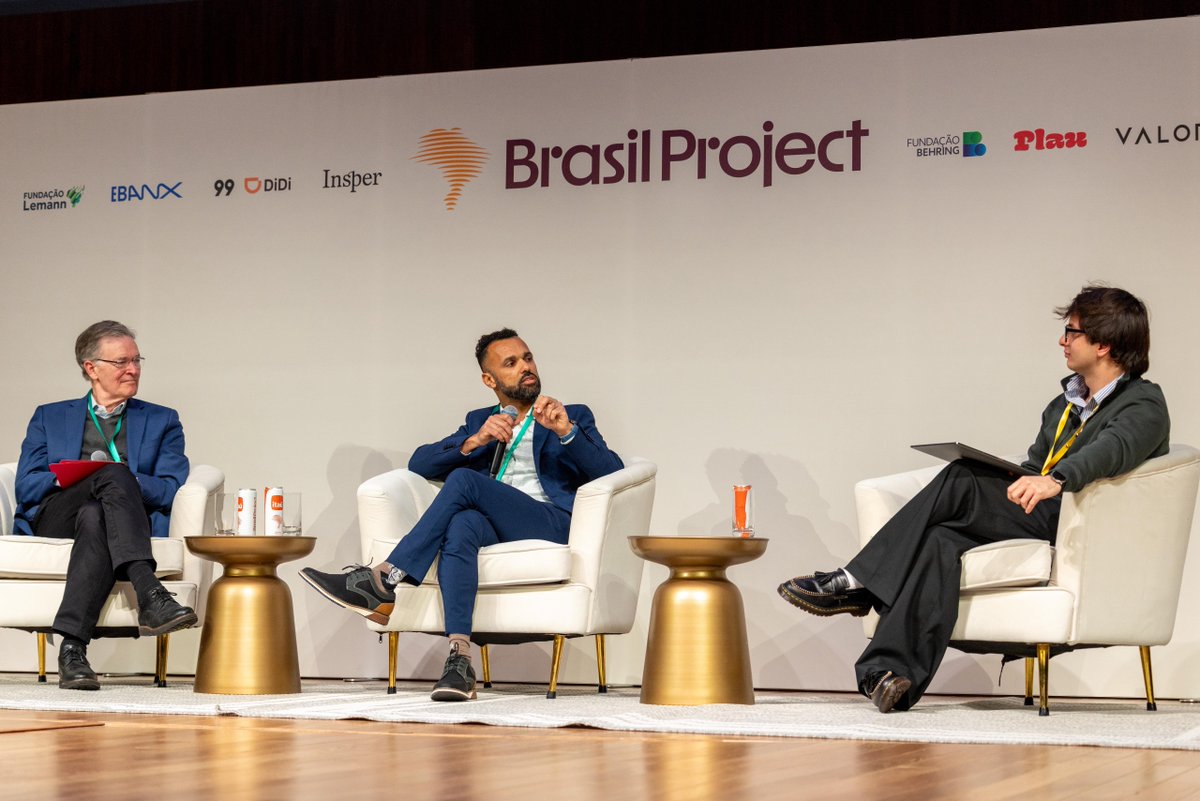
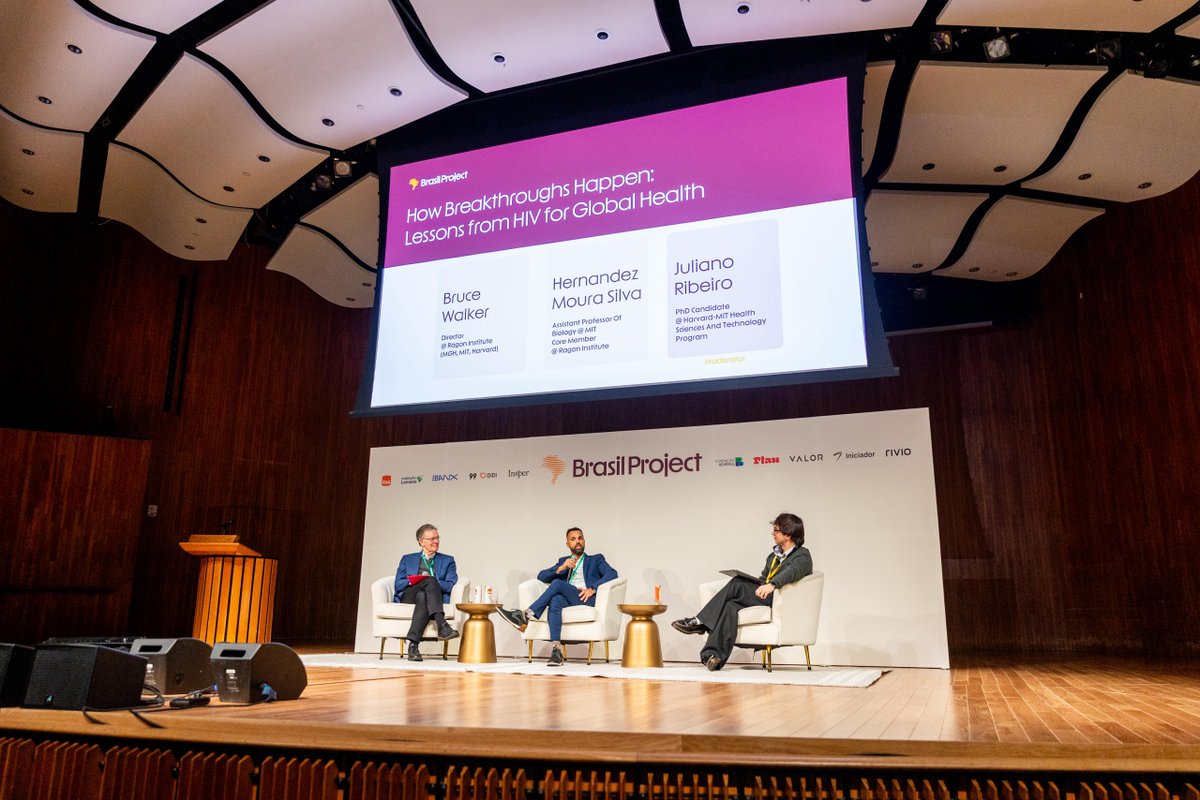
This past weekend, Ragon founding director Bruce Walker and core member Hernandez Moura Silva joined the Brasil Project at Harvard & MIT for a panel titled "How Breakthroughs Happen: Lessons from HIV for Global Health."
Learn more: https://t.co/PHN1DwiD7h
#immunology#brazil