Truck Tech Support Engineer.
Vehicle telemetry expert.
Guitarrist in my one-man band.
Hoping an alien invasion or singleton of Skynet for mankind domination
Hello World!
Back to the grind...
Kicking off a 50 week self-taught journey into embedded software and cybersecurity.
Week1 Target:
Hardware - Don't frying the Arduino by trying to blink an LED;
Software - Writing a code to check if an input "x" and other "y" are equal... 😐
🇬🇧 Lotus 102C Isuzu V12 Test
In 1991, Team Lotus secretly tested an experimental V12 Formula One engine developed by Isuzu. This project, which remains a fascinating "what-if" in motorsport history, centered on the Isuzu P799WE engine.
The Engine (P799WE):
A 75-degree, naturally aspirated 3.5-liter V12 designed by a small, four-person team at Isuzu. It was impressively powerful, producing between 640 and 765 bhp depending on the stage of development, which was competitive with the top engines of the era.
The Chassis (Lotus 102C):
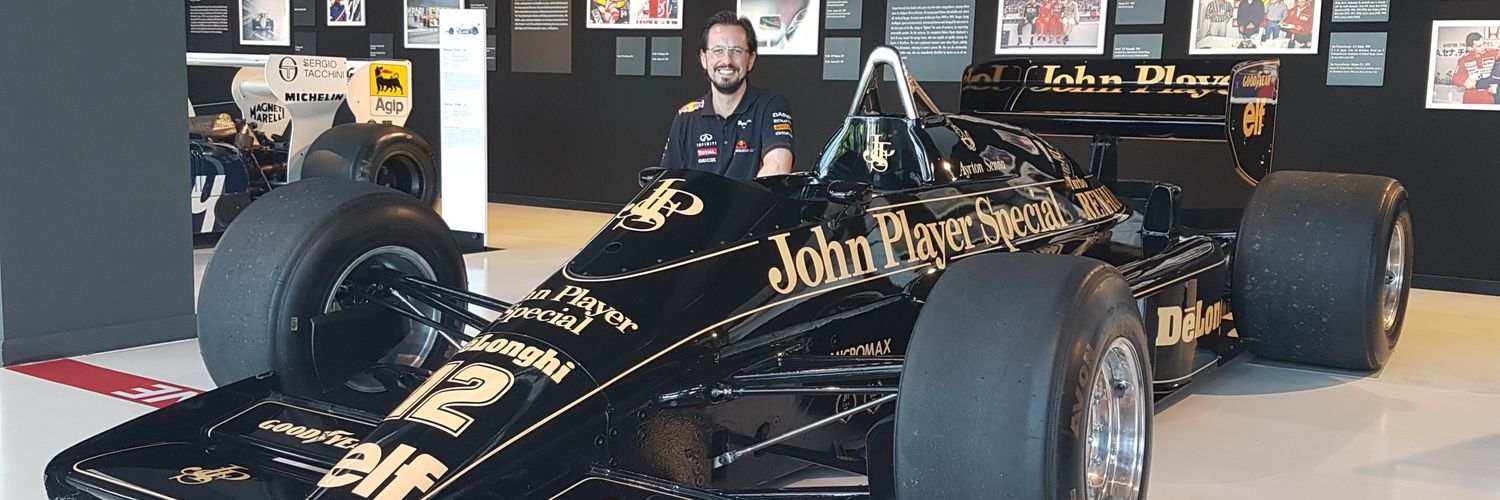
To test the engine, Lotus modified its 102B chassis to accommodate the V12, renaming the resulting car the Lotus 102C.
The Test:
The car underwent system checks at the Hethel test track in late July and early August 1991. The primary on-track evaluation took place at Silverstone in early August 1991, with drivers Johnny Herbert and Mika Häkkinen conducting the tests.
Performance:
During the Silverstone test, the car was reportedly around six seconds off the pace of Ayrton Senna’s McLaren-Honda.
Several factors contributed to this: the engine lacked an alternator (requiring heavy onboard batteries), the chassis was not optimized for the new V12, and the car was not running on specialized racing fuel or tires.
Reliability: Despite the gap in lap times, the engine proved remarkably reliable during testing and was considered easy to work with by the Lotus mechanics.
Economic Collapse:
The project coincided with the collapse of the Japanese asset price bubble. This economic instability, combined with Isuzu witnessing the struggles of other Japanese manufacturers (like Yamaha and Subaru) in F1, led them to cancel their entry into the sport.
Isuzu eventually displayed the P799WE engine in a concept vehicle called the Isuzu Como F1, a radical mid-engine pickup truck unveiled at the 1991 Tokyo Motor Show. While the F1 program never materialized, the P799WE remains a symbol of Isuzu's ambitious engineering capabilities during that era. Today, one of the few surviving examples of the engine is kept at the Tamiya headquarters and the Isuzu Plaza museum.
🎥 @F1
#cars #japan #Isuzu #lotus
@margaretmelonii Se fosse assim, toda vez que vc pulasse, teria o risco de se colidir com uma parede a 1500km/h (velocidade aproximada da rotação da Terra nos trópicos) . Só há alterações no movimento relativo ente eles em situações em que o carro sofre acelerações, frenagem e curvas