And last but definitely most exciting—I visited my family after 10 months! They’ve always been my greatest support and source of peace. Spending time with them has been healing and the perfect end to an incredible August 2024! (7/7)
From hangouts to paper acceptances, August 2024 was packed with amazing moments! It brought joy and wonderful things for me and my loved ones. Here’s a belated recap of how incredible the month was! (1/7)
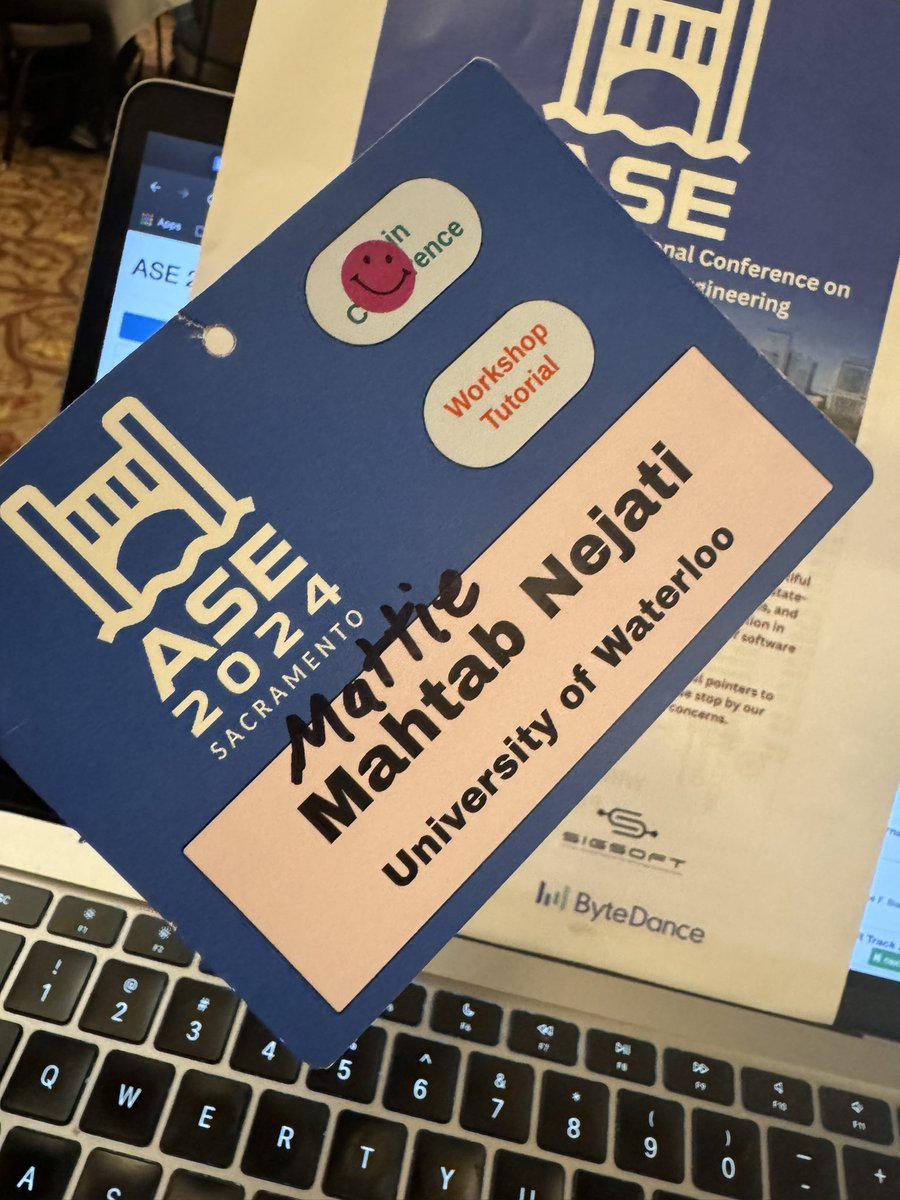
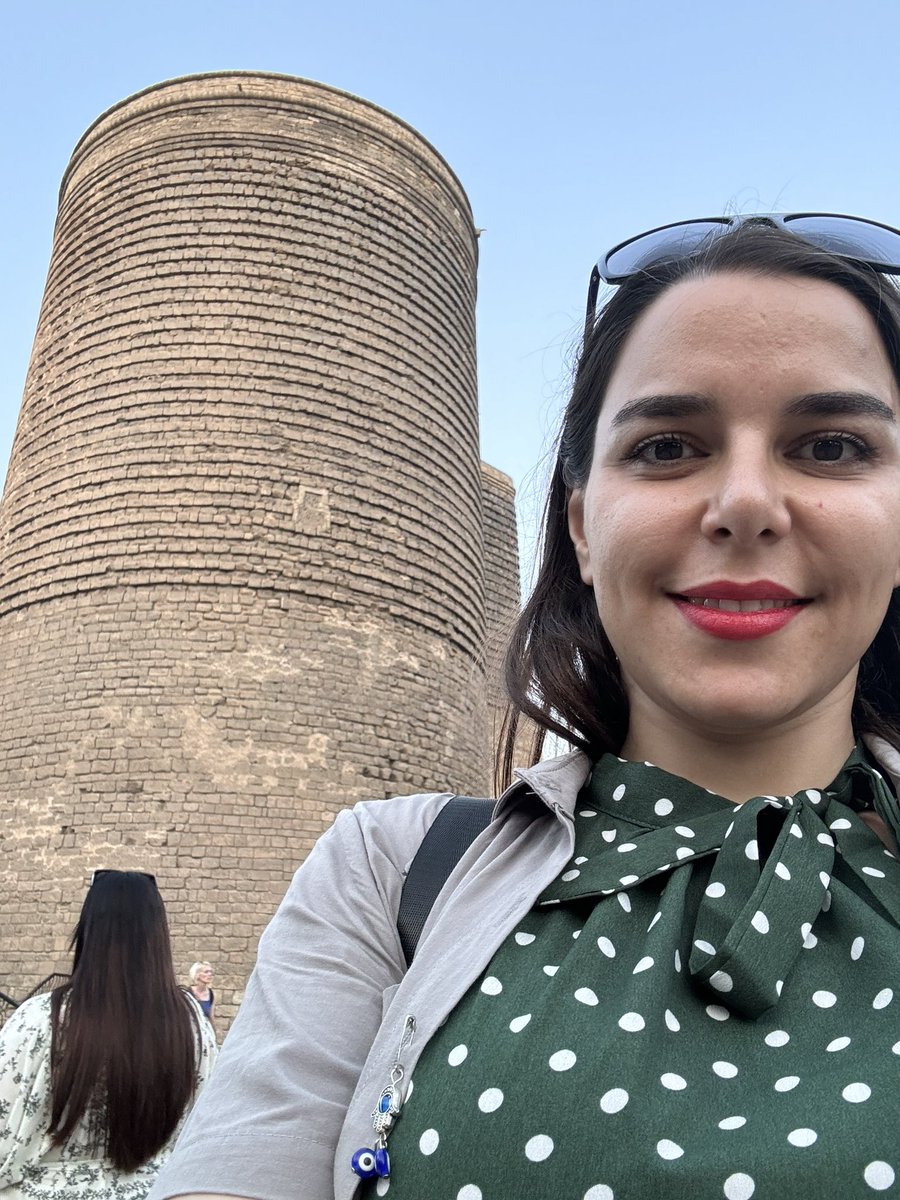
And then, I suddenly found myself in the beautiful city of Baku! The city’s vibrant nights and the approved US visa made all the hectic last-minute planning worthwhile. Bottom line: I’ll be at ASE’24 in person—come find me for a chat if you’re there! (6/7)
And here’s to the 2023 wrap-up🎉
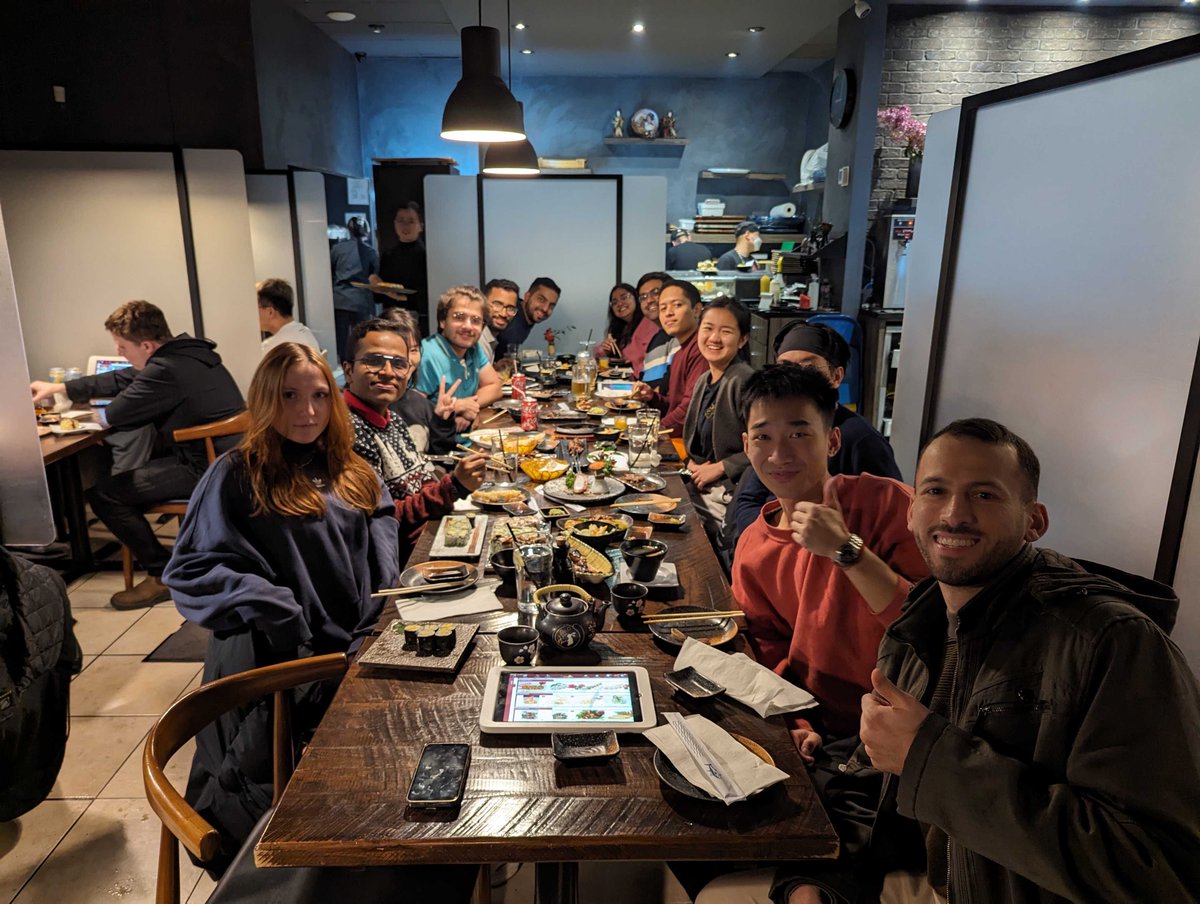
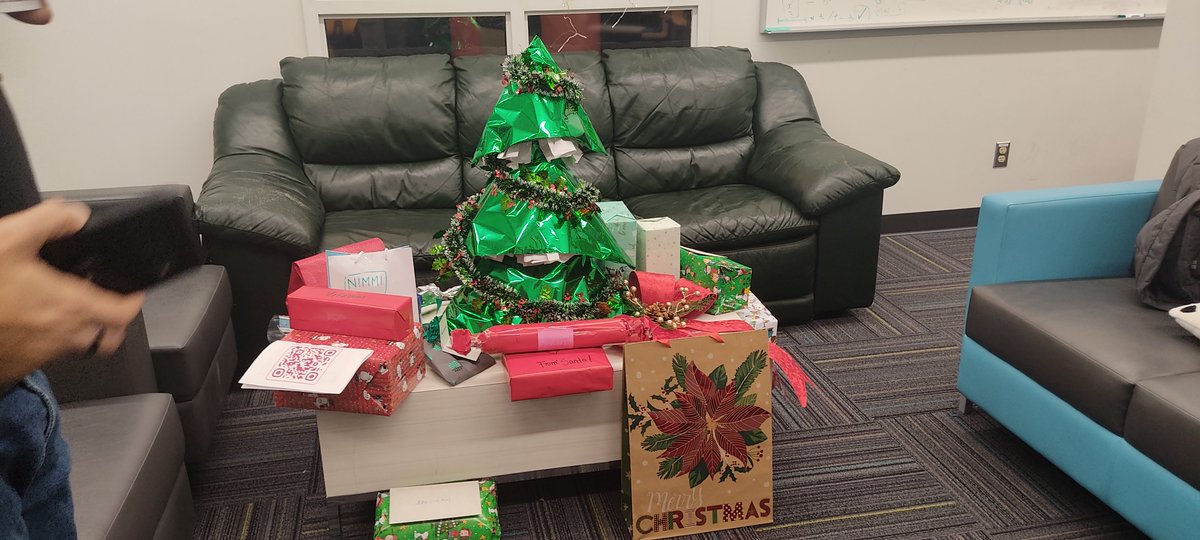
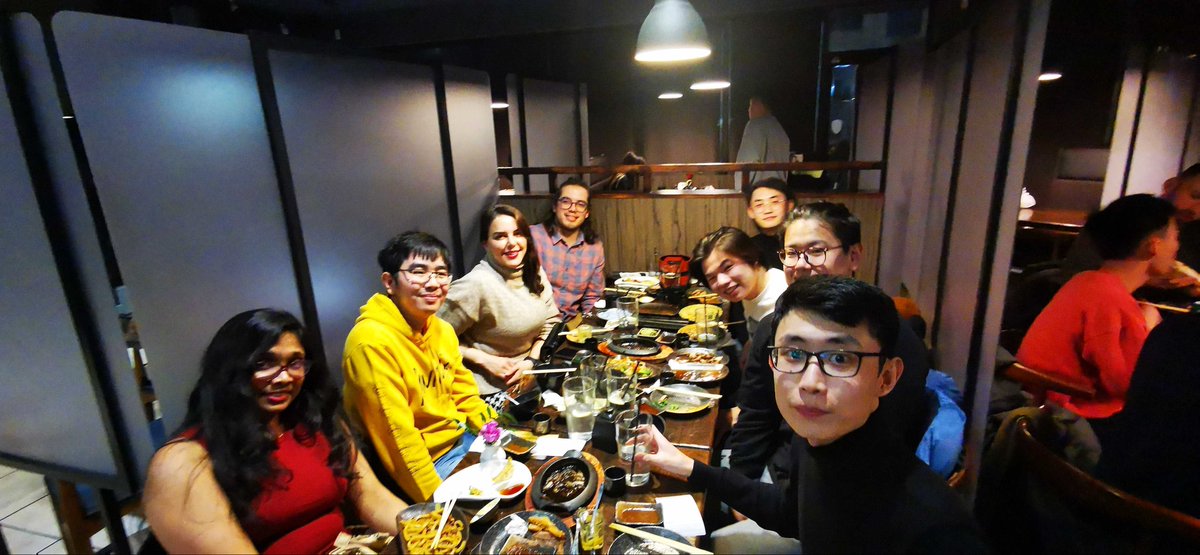
Rebels of the @SoftwareREBELs and the members of the SWAG lab ended their year with another EOY dinner and a round of Secret Santa, symbolizing “work hard, play hard(er?)”.
Let’s make 2024 a wonderful year of friendship, growth, and discoveries.
I love it when I get explained the logic behind a criticism of my work. That moment when you see things in another light and learn a new lesson, even if it’s the hard way.
Having to write paralyzes many junior academics.
3 days ago, I read an article called Draft No. 4.
John McPhee, a non-fiction legend, wrote it.
Here are 9 things I learned from it about writing:
1. Writing is difficult by default
Writing is inherently challenging.
Acknowledge and understand this.
Struggles are a normal part of writing.
2. We all face blocks sometimes
Writer's block is not a sign of incompetence.
Even the most successful writers face blocks.
It's a universal challenge in your writing journey.
3. Write anything to get the pen flowing
McPhee suggests starting to write anything.
Even unrelated writing gets the words flowing.
For example, begin writing a letter to your mother.
4. The first draft is the hardest
The first draft is often the most difficult.
For me, it's the slowest part of my writing.
It's where most doubts and frustrations occur.
5. Revisions rock
Revision is a crucial part of writing.
Real writing often starts after draft 1 is done.
Other drafts will improve your work significantly.
6. Persistence pays off
Persistence is key in writing.
Keep working on a piece despite challenges.
This leads to progress and eventual success.
7. Embrace the writer's mind
Your mind is set on writing your piece.
This writer's mind often continues to work.
You improve or refine ideas even when you don't write.
8. Every creator has self-doubt
Nobody cares about your work as much as you.
Self-doubt is a common & normal part of writing.
It is a checkpoint for your commitment to the craft.
9. Your voice will find you
Young writers often imitate others.
Then they find their own unique voice later.
It's natural & crucial for developing a unique style.
I got so much inspiration from McPhee's article.
If you haven't read Draft No. 4 by McPhee:
Read it now.
If this post was useful to you, I'd love one thing:
Consider sharing it ♻️ so other people can see it too.
And if you like, check out my profile to find out more.
Have a wonderful day. 🫶
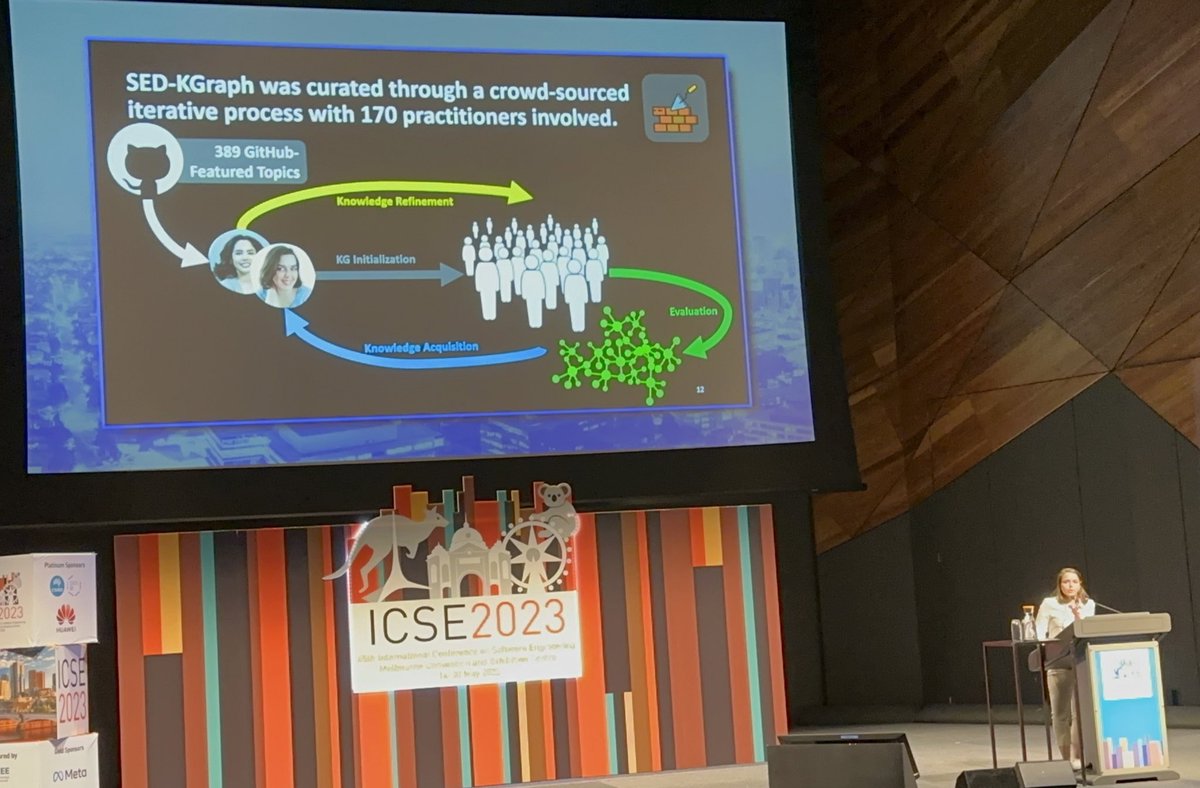
@NejatiMahtab presenting our EMSE JF work on
Semantically-enhancing topic #RecommendationSystems for software repositories in the Plenary room 1.
#ICSE2023@ICSEconf
On Thursday, my former MSc student @NejatiMahtab (now a phd candidate at University of Waterloo) will present our journal-first work with Dr Heydarnoori on enhancing recommender systems for software repositories using knowledge graphs.
Where & when: Plenary room 1, at 14:52
4/n