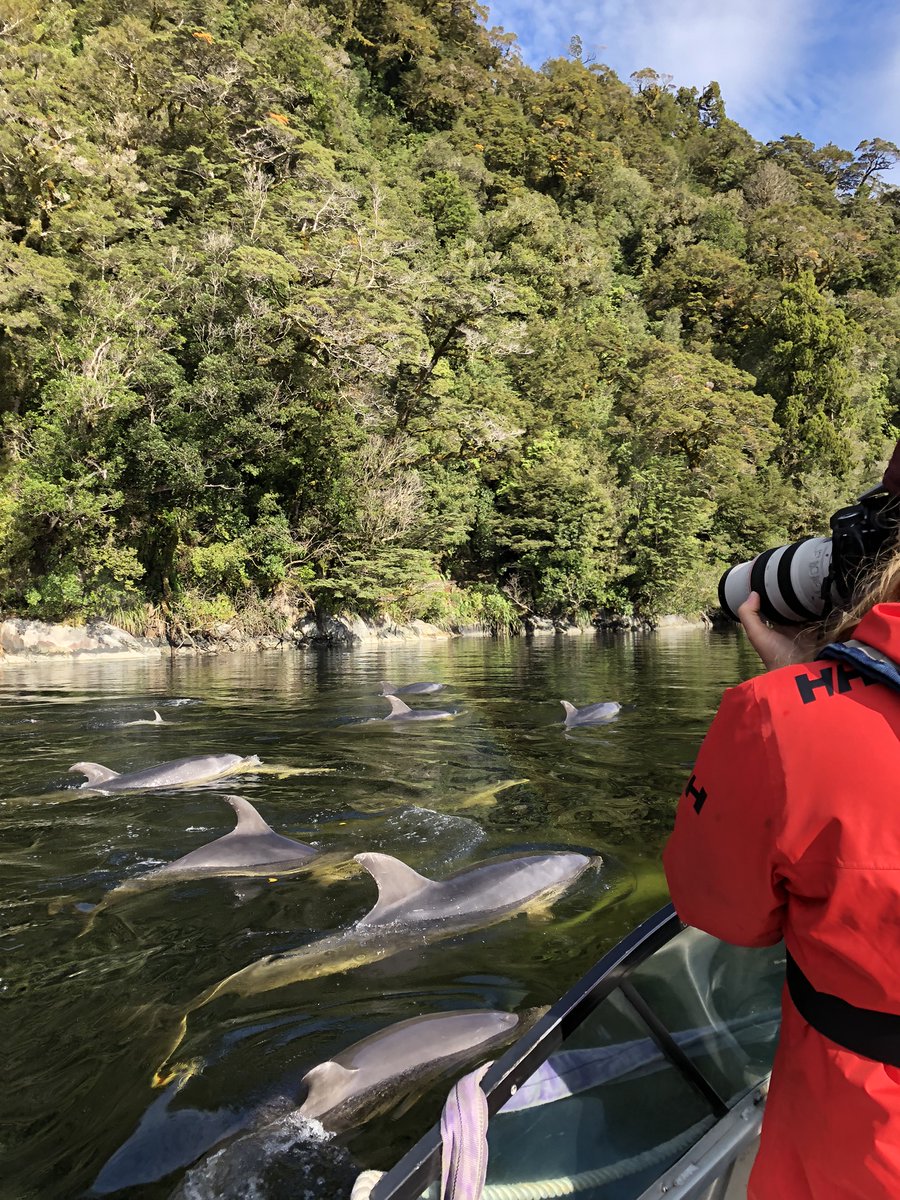
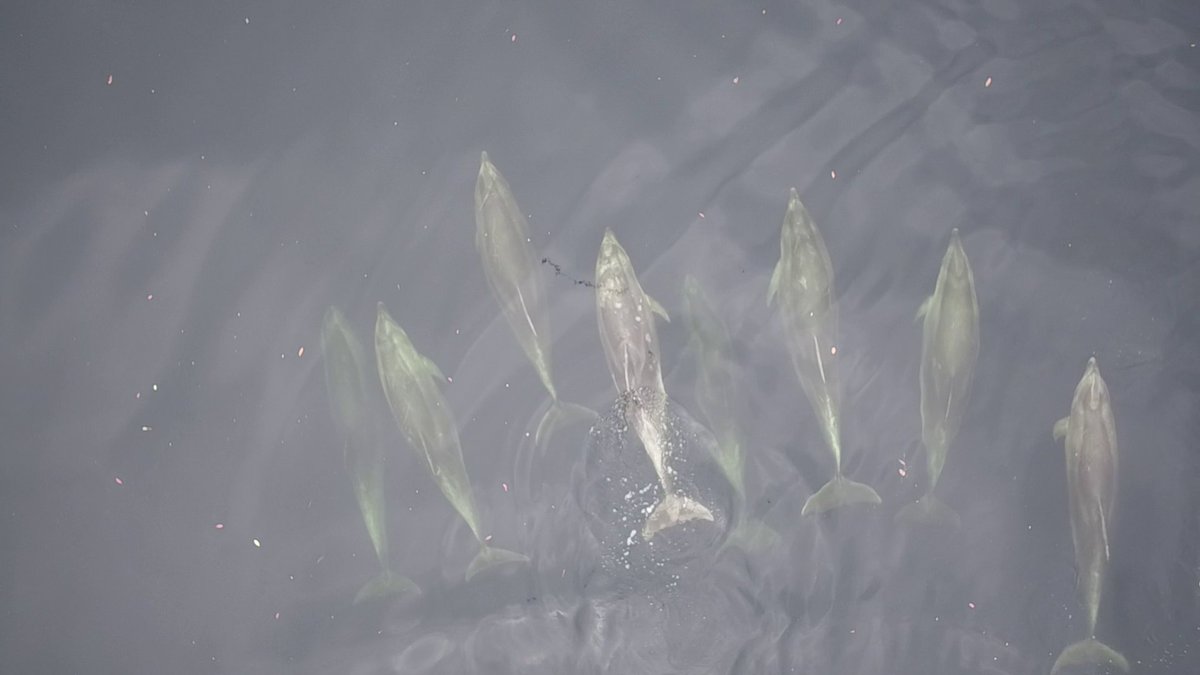
We're back from a recent trip to Fiordland & would like to introduce you to the latest addition to the Doubtful bottlenose dolphin pod: 'Sesame'. This calf was born this summer to 'SN4' who we have sighted in the Patea-Doubtful Sound complex since the project began in 1990!
Stoked to announce the publication of our paper "A long-term shift in the summer distribution of Hector’s dolphins is correlated with an increase in cruise ship tourism" in Aquatic Conservation: Marine and Freshwater Ecosystems @MMRG_UoO
Check it out: https://t.co/KguTdPyJiA
Earlier this month, we were onboard with the @docgovtnz to monitor bottlenose dolphins in the Tamatea-Dusky complex, and to service passive acoustic gear listening for them in neighbouring fiords. Transiting the coast, we sighted three Shepherd's beaked whales
The critically endangered North Atlantic right whale population (Eubalaena glacialis) has experienced multiple periods of decreased reproduction within its observable history, which have played a role in the overall decline of the species.... @leahmcrowe
https://t.co/cHCOCj3iHy
identification is an important tool in the conservation management of endangered species, and recent developments in artificial intelligence are revolutionizing existing workflows to identify individual animals...
https://t.co/texmda6gbO
Winter #fieldwork has begun for our #research group! Starting with surveys for Hector's #Dolphins (Cephalorhynchus hectori) around Ōtepoti-Dunedin. This population is small (around 42 individuals), and with a more diffuse winter #distribution are proving difficult to find!
PhD candidate Leah is currently exploring population dynamics, growth-rates, and distribution of bottlenose dolphins in Fiordland! Read about her awesome journey into marine science and research here: https://t.co/gH3F016S0V
@MMRG_UoO
@leahmcrowe
@otago
@NWDaudt@BrydenCentre_EU@AlexNimmoSmith@PlymUni @RolandLangrock @unibielefeld Thank you🙏Yes, when there's plenty of biological material, #baskingsharks can be seen foraging in convergent slicks, also sea snakes and phalaropes. It combination with low winds, slicks can be very obvious. There's also great papers on slicks as pelagic nurseries.
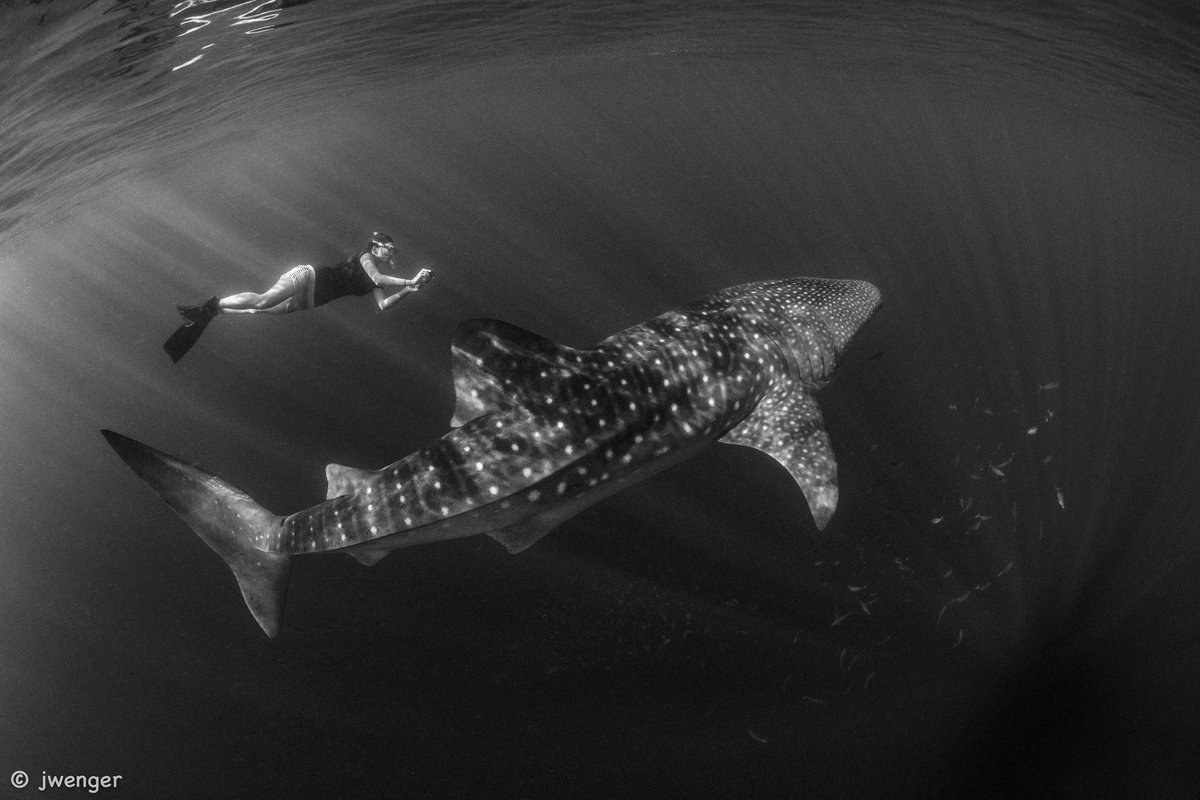
This wk's @PNASNews paper on whale #shark collision risk from #shipping was the work of 69 scientists in 44 institutes across 18 countries - led by the brilliant @FreyaWomersley (see photo!) as part of #GlobalSharkMovementProject - amazing collaboration
https://t.co/Rjvmw3tQ6C
Native sea sponges in #Fiordland national park have experienced a mass bleaching event during ongoing #marineheatwave on west coast South Island NZ. James Bell @WellingtonUni, Rebecca McLeod @Becs_McLeod and I spoke to RNZ about this concerning finding https://t.co/xcPr08NDtg