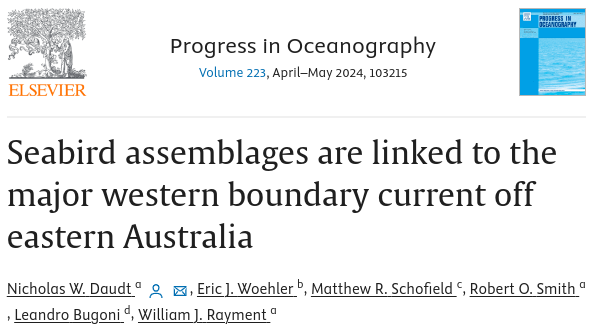
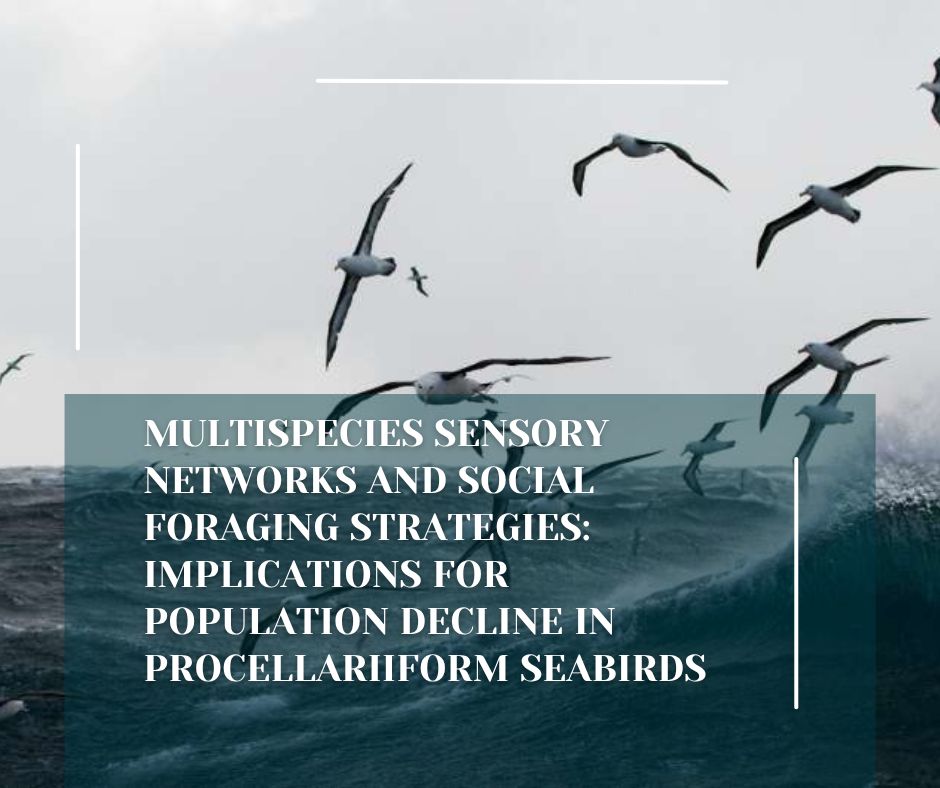
In a new study published in the PNAS, Sönke Johnsen and Gabrielle Nevitt uncover how Antarctic seabirds use shared sensory cues and intricate foraging networks to hunt together — blending competition with cooperation.
https://t.co/l4gYxvC3YX
On Oct 1, 2025, we lost a true icon. Dr. Jane Goodall, DBE & UN Messenger of Peace, passed away.
Her life reshaped science & inspired generations to protect nature. In 2015, she opened the 2nd World Seabird Conference in Cape Town. 🌍💚
🎥 https://t.co/evD3XcP61y
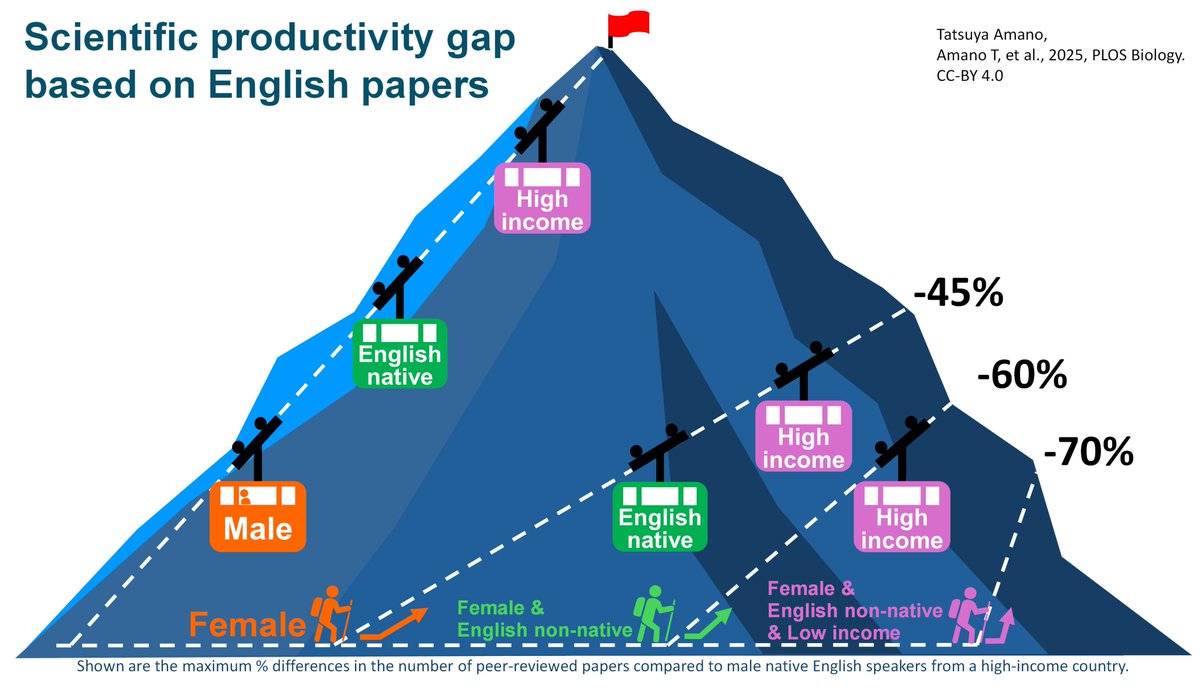
Women, non-native English speakers & researchers from low-income countries are disadvantaged in science but by how much? We found female non-native English speakers from low-income countries publish up to 70% fewer in English than their counterparts. 1/5
https://t.co/MN2E4xyXCJ
📣 From Hackathon to Pre-registered study
Researchers assessed data & code-sharing policies in 275 ecology & evolution journals, and compliance in #ProcB & @Ecology_Letters. Clear policies boost sharing. Started as a SORTEE 2023 hackathon!
🔗 https://t.co/1FEx8oFvP1
🚨¡Anuncio especial!🚨
El 17-sept-2025 relanzamos Con-Ciencia en Las Américas, una serie mensual de webinars en español sobre ecología y cambio global en América Latina y el Caribe 🌎🌿.
¡Acompáñanos y ayuda a correr la voz!
Envía tus preguntas aquí: https://t.co/Ot0TNQ9OT1
📱➡️🌿 From Garmin GPS + paper notebooks to real-time digital field data collection!
Zero Invasive Predators transformed their conservation operations using QField, reducing data turnaround from 2 weeks to daily sync.
Speed saves species!
https://t.co/IOT7ptGsAj
For the new kids in back: If you hate statistics, you'll love my free lectures. Putting science before statistics, from basics of inference & causal modeling to multilevel models & dynamic state space models. It's all free, made with love and sympathy. https://t.co/GnOYGex9Yg
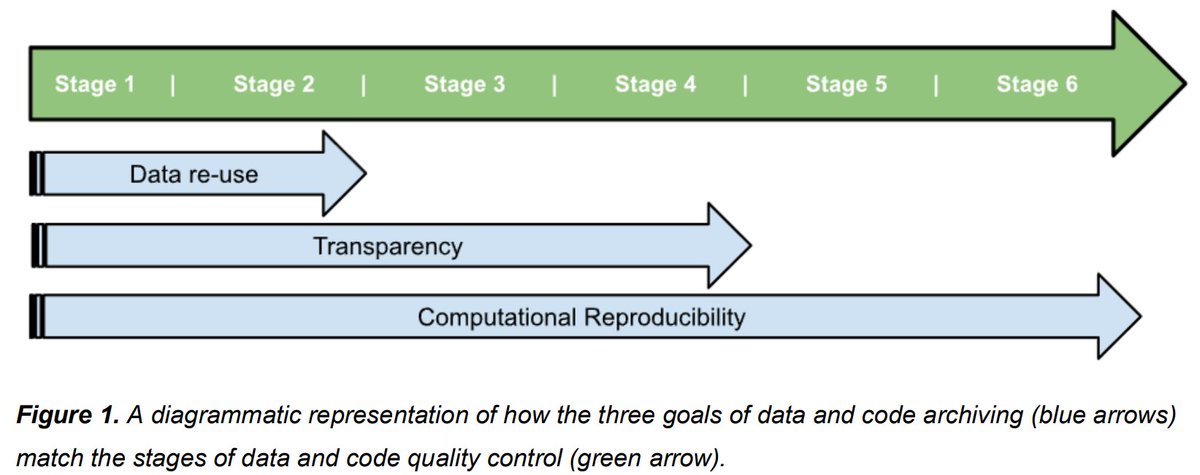
Introducing "The SORTEE Guidelines for Data and Code Quality Control in Ecology and Evolutionary Biology"
The first standardised set of data editor guidelines. Led by SORTEE with input from numerous data editors across ecology and evolution.
🔗 https://t.co/hOYnS10vlP
Not sure what this means, but it is exciting anyway!
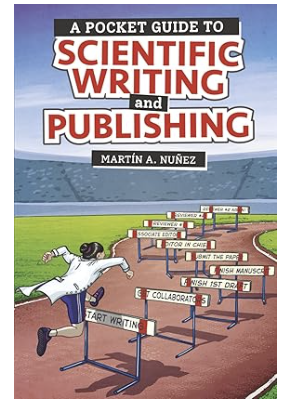
We are #1 New Release in one of the Amazon's indexing categories #⃣1⃣
I cannot wait to see your comments on it
Can we imagine a future in which everyone can use their own language to write, assess and read science with the help of AI? Read this perspective to see why we believe this is the future of academic publishing. #languagebarriers
https://t.co/QzCuoV5Z3Y
Every country is warming.
Every country is experiencing more extreme weather events because of climate change, mainly caused by burning fossil fuels.
Time to #ShowYourStripes and start climate conversations to prompt actions to reduce emissions.
https://t.co/NCt3GNpeSN
A 🆕 Guest Editorial in the @ESABulletin: A survey of early-career scientists finds fees, time & scarce mentorship are the biggest hurdles to participating in publishing
📄Early-Career Publishing and Reviewing: Pitfalls and Perspectives
https://t.co/Berwsc3mv3
📢A MegaMove milestone has just been published in @ScienceMagazine!
With ~380 collaborators from 50 countries, we mapped the movements of 12k+ marine megafauna to identify key habitats 🌊🐋🦈
@pewenvironment@MegaMove_Org@EcoEvo_ANU@uwaoceans
https://t.co/rMZ781kRTZ
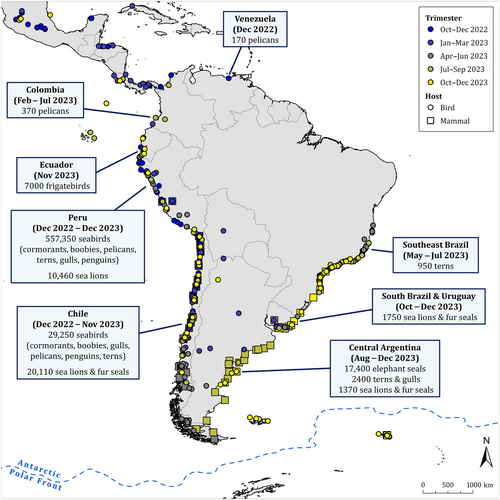
Wow.. its probably been over a year since this one was submitted, but its finally out! Herein we review HPAI across South America (and discuss the threat to Antarctic, prior to its arrival).
👉https://t.co/3cQD8dUDH4
Language barriers are a serious problem in conservation. Non-English papers cited far less in English journals even if well cited in own language (showing have merit). Hungarian, Polish, Korean, and Russian especially poorly quoted.
https://t.co/v0RrtdIuK4
TECHNICAL ADVANCE
Location‐Scale Meta‐Analysis and Meta‐Regression as a Tool to Capture Large‐Scale Changes in Biological and Methodological Heterogeneity: A Spotlight on Heteroscedasticity
🔗 https://t.co/Y4QqjNRMN4
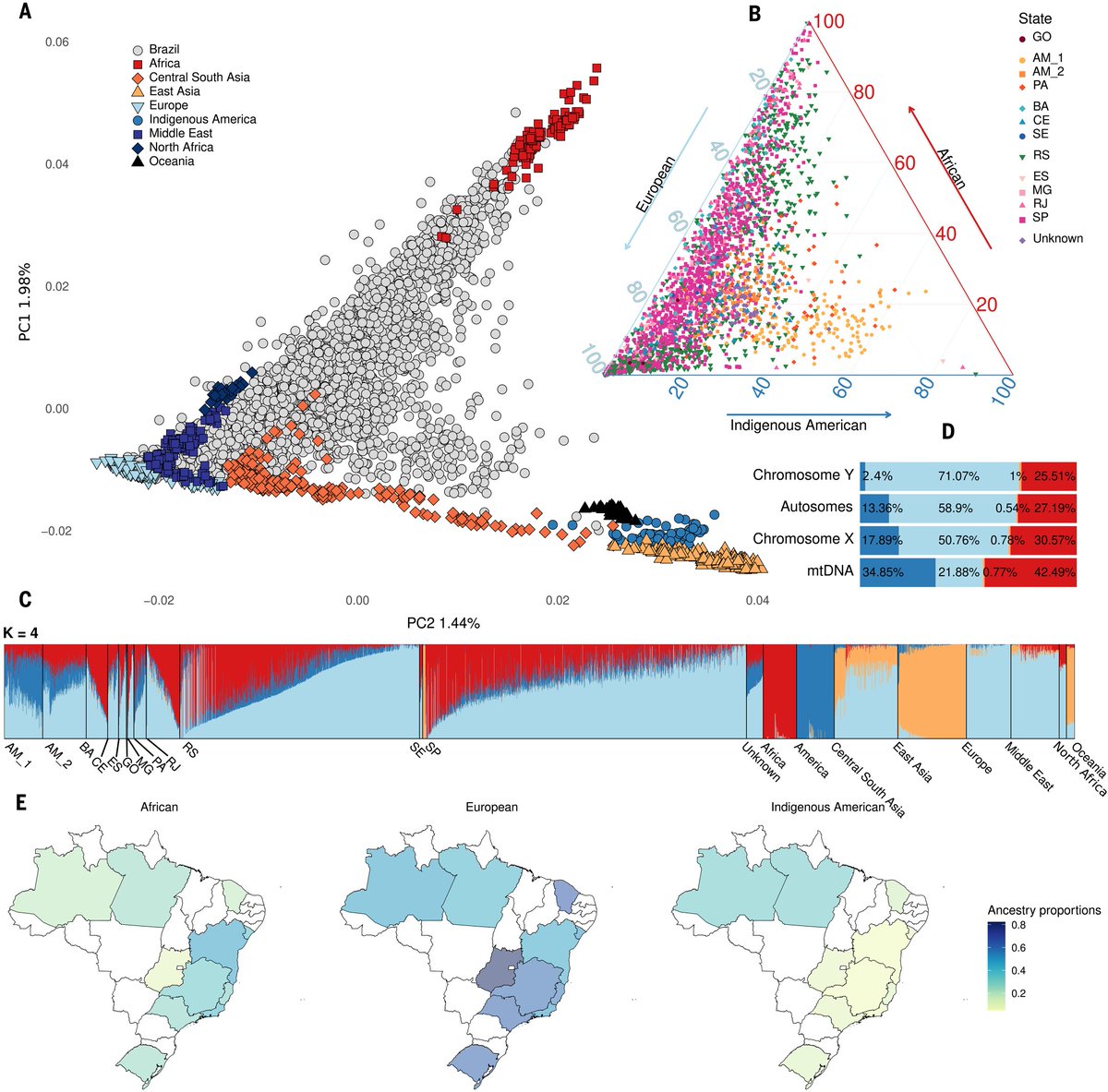
Our new paper is out in @ScienceMagazine! By exploring the rich genetic diversity of Brazil, we show how fine-scale genomic analyses reveal that this diversity, rooted in Indigenous ancestry and centuries of complex demographic history, plays a key role in population health.