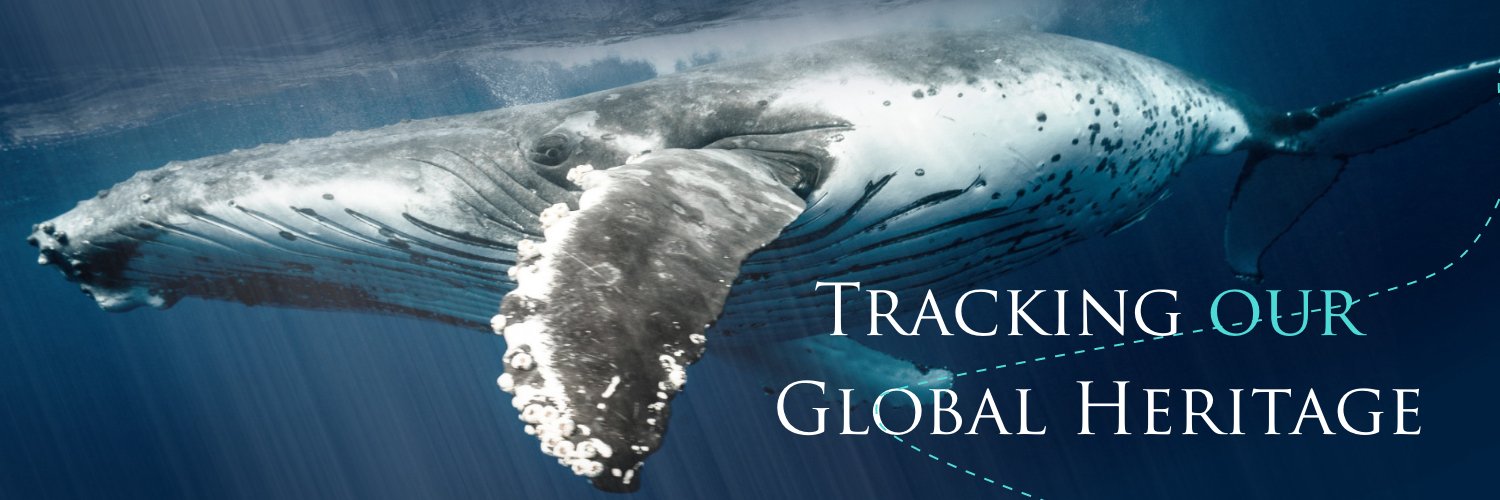
MegaMove is an international collaboration advancing marine megafauna conservation through science & tracking🌎🌊 Read recent landmark study in link below👇
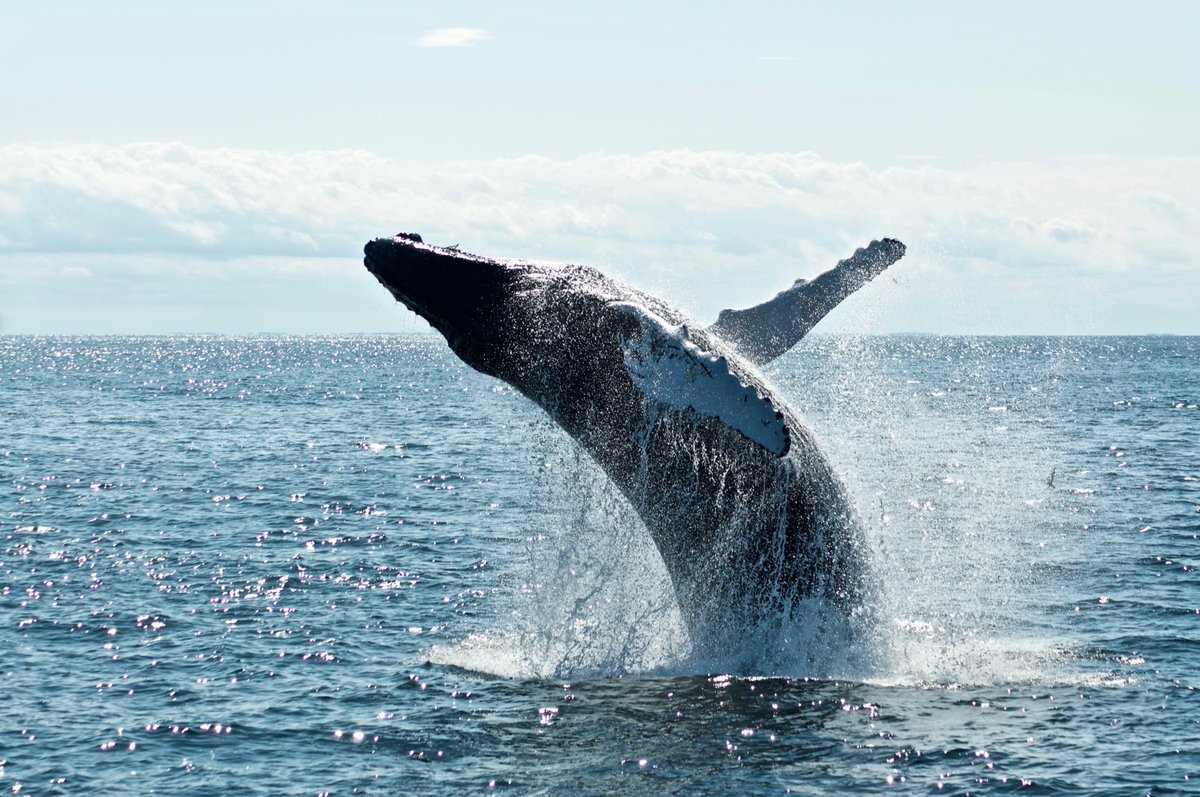
🐋 Whales
🦈 Sharks
🐦 Seabirds
🐠 And so more species travel far across the ocean—knowing where they go can help countries collaborate on their protection.
New research from 350+ scientists can help guide how we work together. https://t.co/D1wqd4TbEu
🌍 Marine megafauna don’t recognise jurisdictional borders. They can move across borders and also through the high seas, where governance is mostly inexistent. That’s why global alignment through the High Seas Treaty and UNCLOS is crucial
@UNOceanDecade
🚢 Marine megafauna are struck by ships, stressed by noise or caught as bycatch. These threats can be deadly but can be mitigated using:
✅ Vessel-animal separation zones
✅ Lower speed limits
✅ More sustainable fishing practices
✅ Evidence-driven design of protection areas
Whales and dolphins rely on sound for their daily activities but human-derived noise is affecting their behaviour. Although invisible, noise pollution is everywhere. Implementing actions to mitigate this threat is needed, such as reducing vessel noise
@scienceANU@UNOceanDecade
🐋 Protecting 30% of the ocean is a strong goal. Now we need to protect must the right areas. @MegaMove_Org shows which areas are the most important for marine megafauna and where protection is needed
📡Usingtracking data covering >70% of the global ocean, @MegaMove_Org pinpointed the areas of most importance across a range of marine megafauna species. These results can be used for smarter conservation planning.
@UNOceanDecade
🐟 A total of 50% of space is used for migration - vast corridors linking feeding and breeding grounds. They are the superhighways of the sea that keep nurseries and home areas connected
@saveourseas@GEOMAR_en#HighSeas
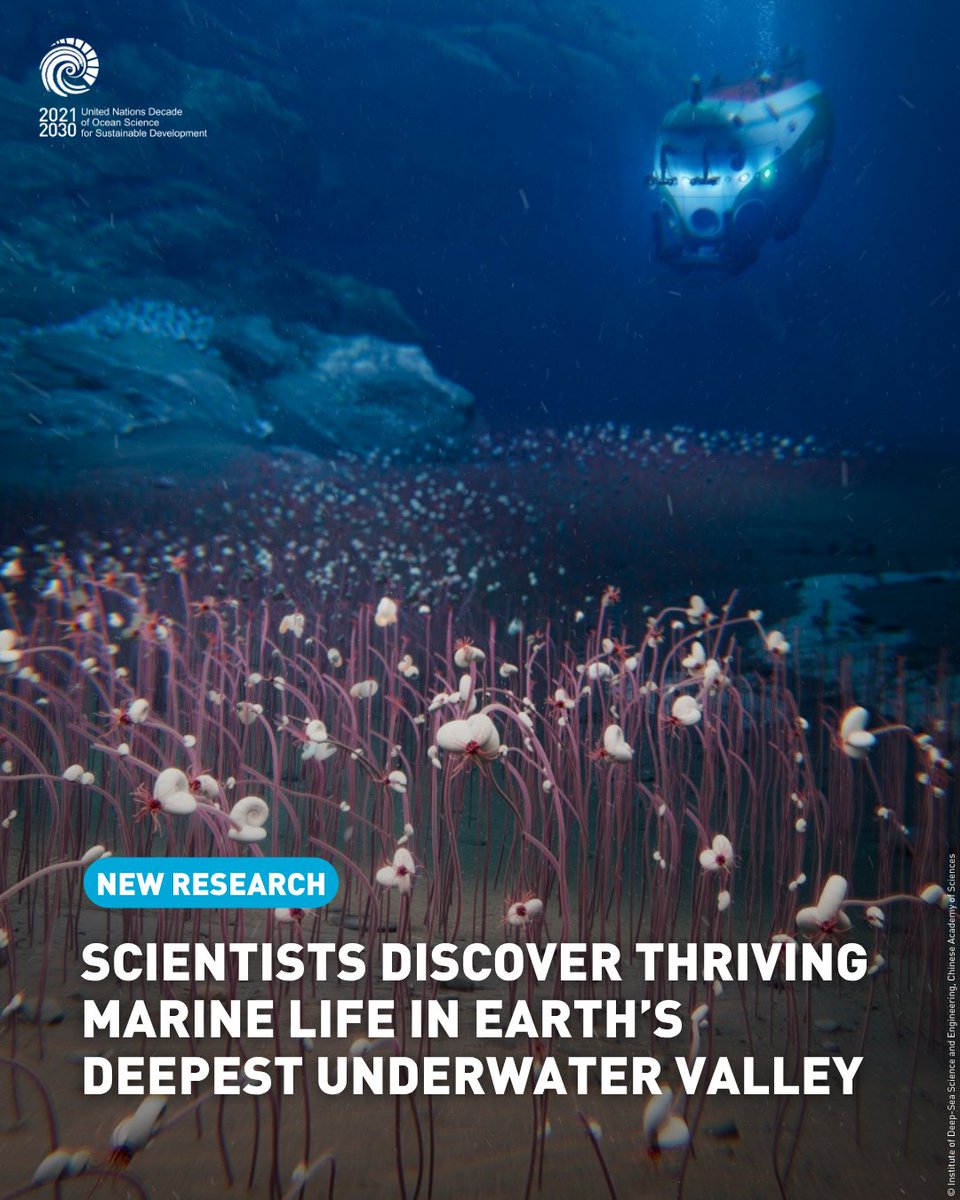
🔵JUST PUBLISHED: As part of the Global Hadal Exploration Programme, an #OceanDecade initiative led by China, researchers have found the deepest colony of creatures ever to be observed.
👉Read more: https://t.co/v0BXi4AF3y
👉Learn more about the GHEP: https://t.co/uJtglNAN3d
🐢 Up to 45% of the space they use is for residency behaviours - resting, feeding, mating. These are the ocean’s nurseries, dining rooms, and homes. They must be protected if threatened species are to recover.
📢 New study by #OceanDecade Action @MegaMove_Org found that:
🦈 Marine megafauna spends 90% of their time in areas identified as "Important Marine Megafauna Areas"
🚨But only 5% of these areas currently fall within marine protected areas
Read more: https://t.co/0J2wsr7SJX
📍 About 66% of marine megafauna movements are linked to important behaviours like migrating, foraging, and breeding. The areas most used for these behaviours might be key to their survival!
@UWAresearch@aims_gov_au
🌊 Close to a third of marine megafauna species - including some of the most charismatic species in the ocean, such as sharks and turtles - are at risk of extinction. Effective conservation efforts are urgent.
@WWF@UNOceanDecade
🌱 Marine megafauna are sentinel species – they can be indicators of climate shifts and ecosystem health. Protecting them means we’re protecting the ocean and other biodiversity that depends on it.
@scienceANU@SchmidtOcean
🧭 The MegaMove Project tracked over 15,000 individuals across 121 species in the global ocean. That’s 30+ years of marine movement data collected by ~400 researchers worldwide - the biggest dataset of its kind.
@scienceANU@ourANU
🌊 Our recent landmark global study on marine megafauna is live and openly accessible. It draws from decades of tracking whales, turtles, sharks and more to guide ocean conservation worldwide.
@UNOceanDecade@ourANU@UWAresearch
🔗 Read more: https://t.co/ayDNekzOaR
🌊🌍 New global study published in Science identifies the most critical ocean zones for marine megafauna conservation.
Using tracking data and network science, researchers mapped key habitats shared by whales 🐳, sharks 🦈, turtles 🐢and more.
🔗 https://t.co/Sv2m1f2rIz
And here is an article I wrote for @ConversationEDU about the just released Science paper showcasing @MegaMove_Org 's recent findings!
To halt human-induced extinctions of biodiv we need mitigation strategies in addition to area protection.
@EcoEvo_ANU
https://t.co/YpNgl6xL1d
Another cool project using tagging to understand what the #endangered Australian sea lions are up to in the Perth metro waters with @SalgadoKent, Holly Raudino, Kelly Waples & many more! @EcoEvo_ANU@uwaoceans @WAMSInews https://t.co/asRXs8o2M3