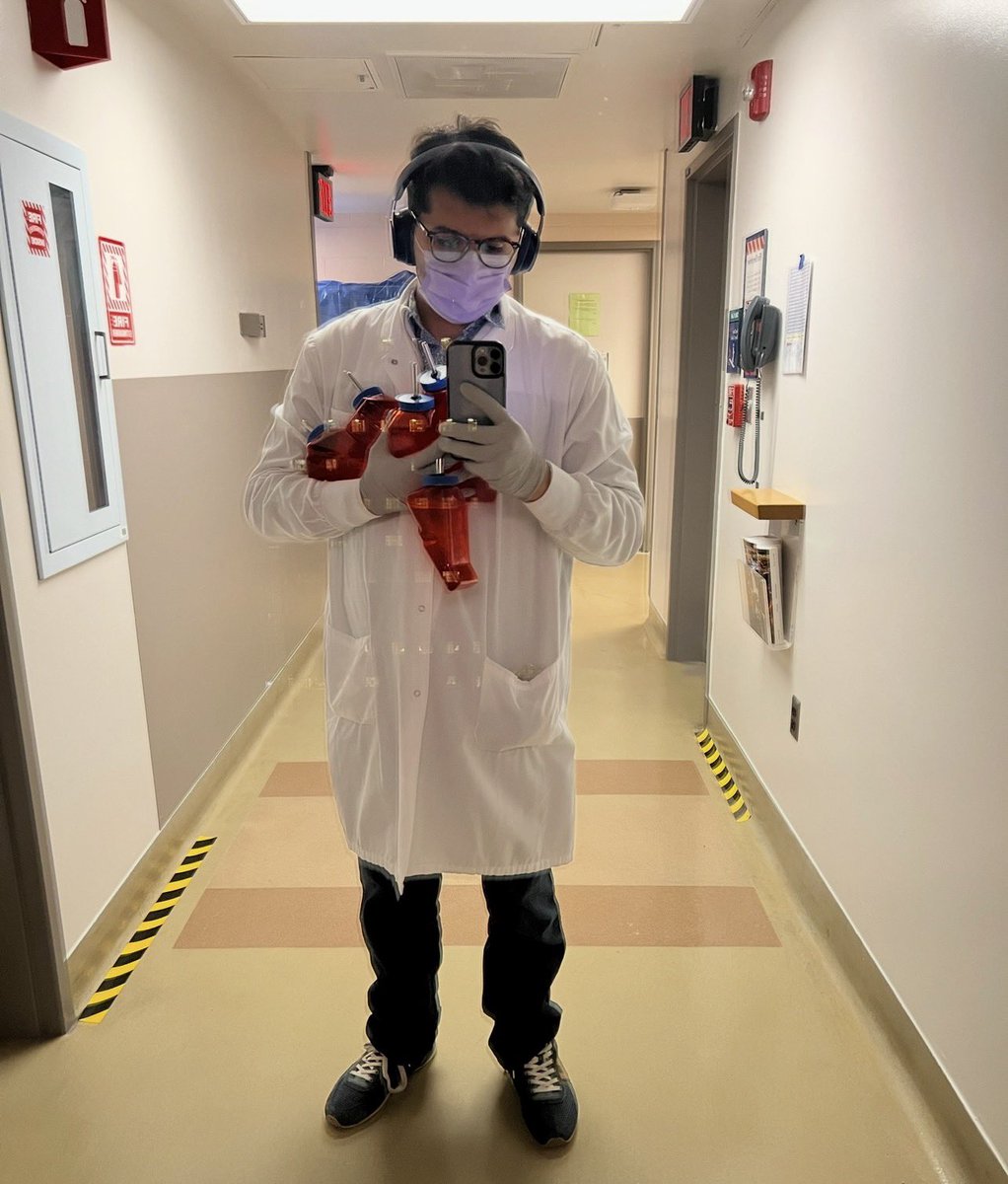
Excited to announce that NeuroEndo CaseLog is now live on the App Store!
Built during my NES fellowship: a mobile app for fellows to track their progress, visualize training data, and export datasets.
Download here:
https://t.co/jTuvy3B9jq
@svinsociety@almuftifawaz
Incredibly excited and grateful to have matched into #neurosurgery at @BarrowNeuro. Thank you to my family, friends, and mentors for making this dream possible. Thank you Dr. Lawton, Dr. Ponce, and Dr. Snyder for the opportunity of a lifetime! 🏜️
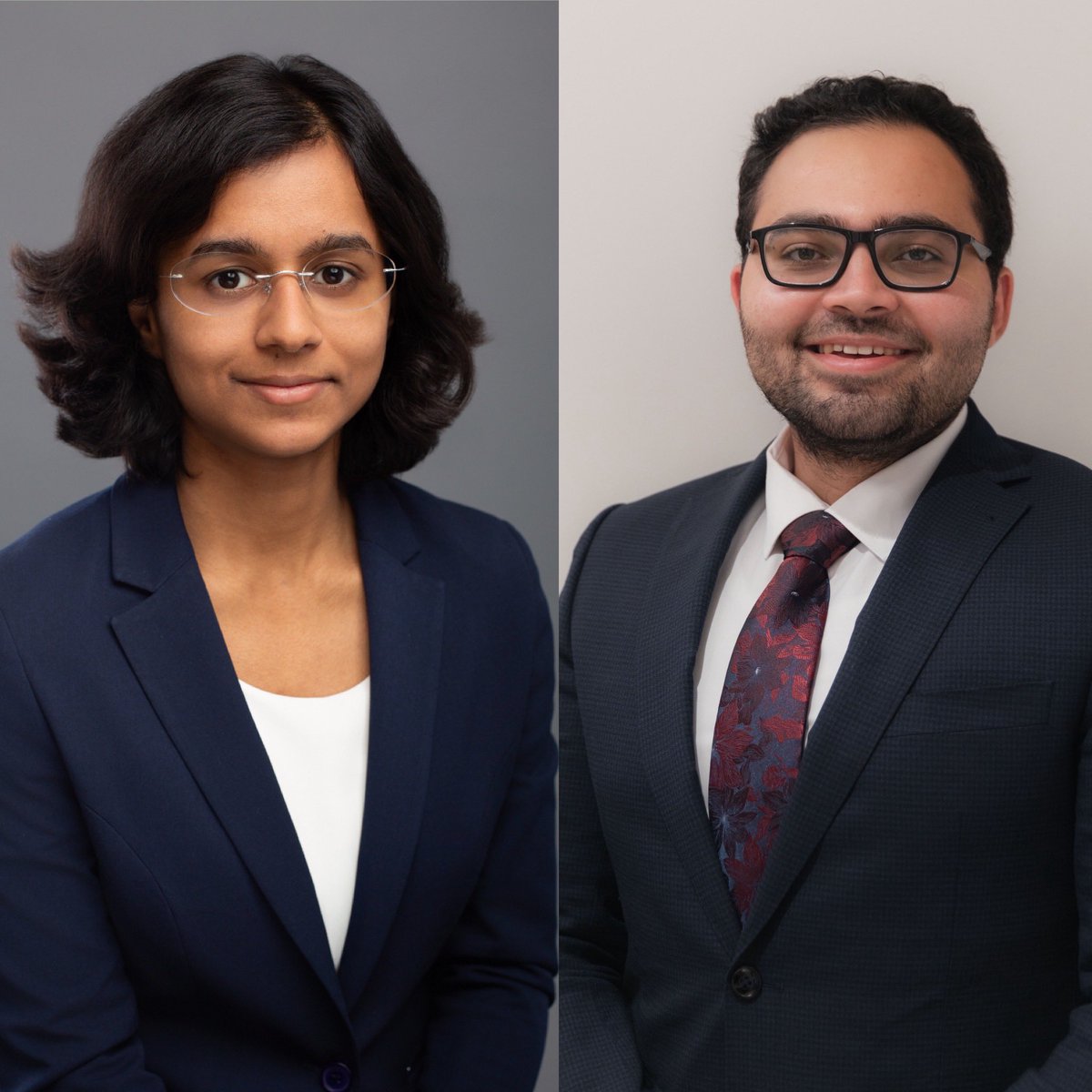
I am so proud of our superstar research fellows @Joannaroy99 and @MusmarBasel who just matched in Neurosurgery! Hard work pays off! Keeping the legacy going!
August 4, 2020.
The Beirut port explosion shattered my city. But the truth is, Lebanon had already been breaking long before that day. The economic collapse, the bankruptcy, the fear, the uncertainty, hospitals struggling to survive, and COVID pushing an already exhausted healthcare system even further, it felt like the ground was disappearing beneath all of us.
Like many young physicians, I watched years of sacrifice suddenly lose their meaning. I was told I would need to redo years of training in a reality that no longer felt sustainable. For me, that was one of the most painful realizations of all, understanding that staying might mean watching the dream I had worked for my whole life slowly fade away.
So I made the hardest decision of my life.
I left Lebanon.
I left my home, my city, my mentors, my friends, and the life I had always known. But the hardest part was leaving my family, my mother and father, whose sacrifices built me long before any title ever would, and my siblings, who carried my absence with love, patience, and strength.
I left carrying grief, uncertainty, and one stubborn belief:
this was not the end of my story.
I came to the United States with $300 in my pocket and little more than determination. For nearly a year, I worked without pay, just trying to prove myself. I heard the doubts over and over again:
“Stay in research.”
“You probably won’t get into a PhD.”
“This path is too hard. Forget about it.”
“It will take too long.”
But I kept going. Because sometimes faith has to speak louder than fear.
Eventually, I was accepted into a PhD program at the #1 hospital in the world. Around that same time, one of the most beautiful chapters of my life began, I married the love of my life, just as things finally started becoming stable and my work became funded.
They told me the PhD would take seven years. I finished it in three.
Along the way, I secured more than four grants from a single project, led two major projects, and kept building when everything around me seemed to say slow down.
At Mayo Clinic, I found a higher standard of excellence, discipline, rigor, humility, and a vision of what medicine and science can become when they are guided by purpose- a Neuroscientist.
At Johns Hopkins: Research, innovation, and device development. I learned how to think bigger, work harder, and demand more from myself. Those years did not just train me, they transformed me- a biomedical engineer.
And over time, the work grew into something I could never have imagined when I first arrived in this country: more than 120 publications and over 130 oral presentations and posters.
But even then, something inside me had never changed.
I missed the hospital.
I missed patients.
I missed the operating room.
I missed the life I had always imagined for myself in medicine.
So I made another difficult decision, to return fully to clinical medicine.
That decision brought me to one of the most transformative chapters of my life: the University of Maryland Medical Center and Shock Trauma.
There, surgeons, residents, nurses, mentors, and teams who challenged me, believed in me, sharpened me, and reminded me every day why I chose this path. The intensity of trauma, the discipline of surgery, and the privilege of caring for patients brought me back to my center.
And through every chapter of this story, I was blessed with mentors who changed my life. People who opened doors for me when I could not yet see a way forward. People who corrected me, guided me, pushed me, and believed in me when the path was uncertain.
I am deeply grateful to my mentors
and to many others whose support I will carry with me forever.
Today, after all of that, I am honored beyond words to share that I have matched as a PGY-2 Neurosurgery resident at the University of Alabama at Birmingham, one of the premier neurosurgical programs, renowned for its extraordinary surgical volume, pioneering innovation, and a legacy of mentorship.
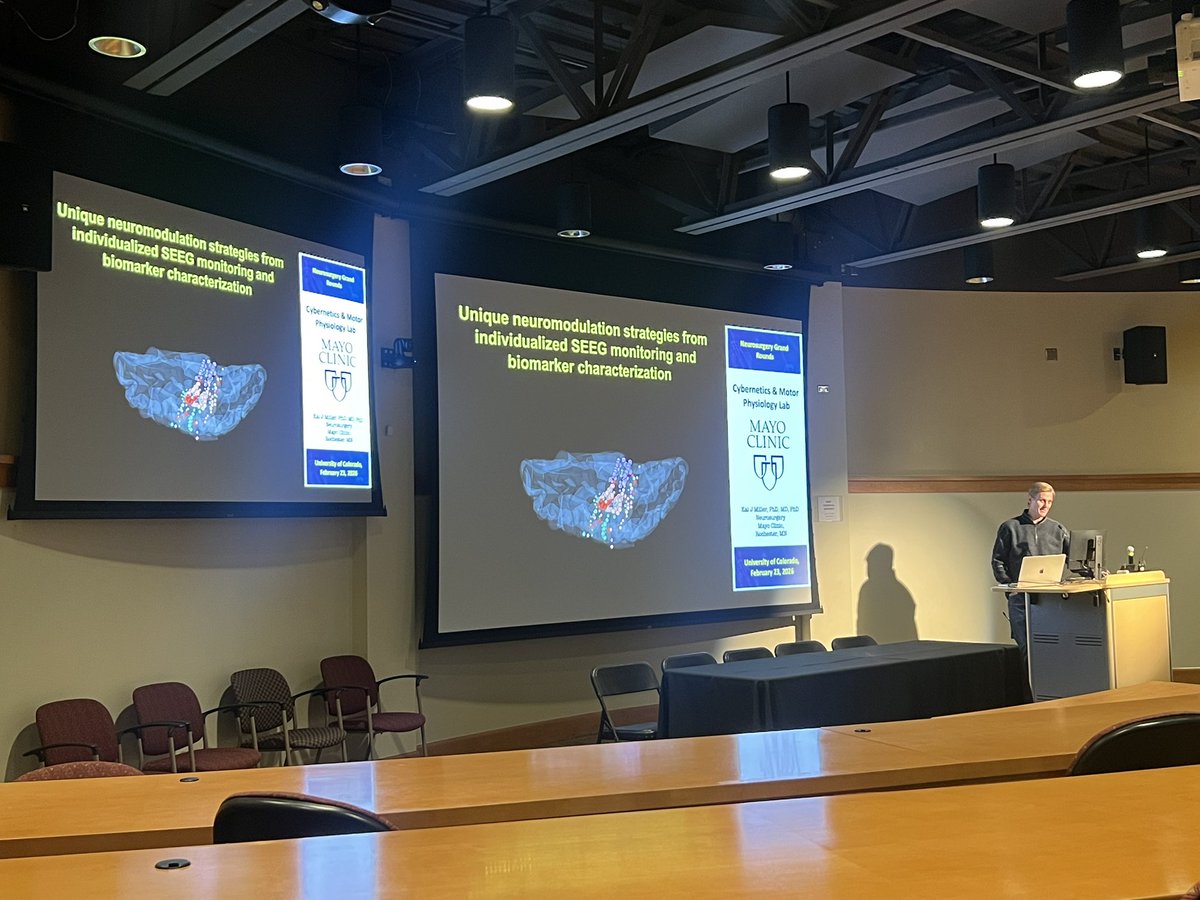
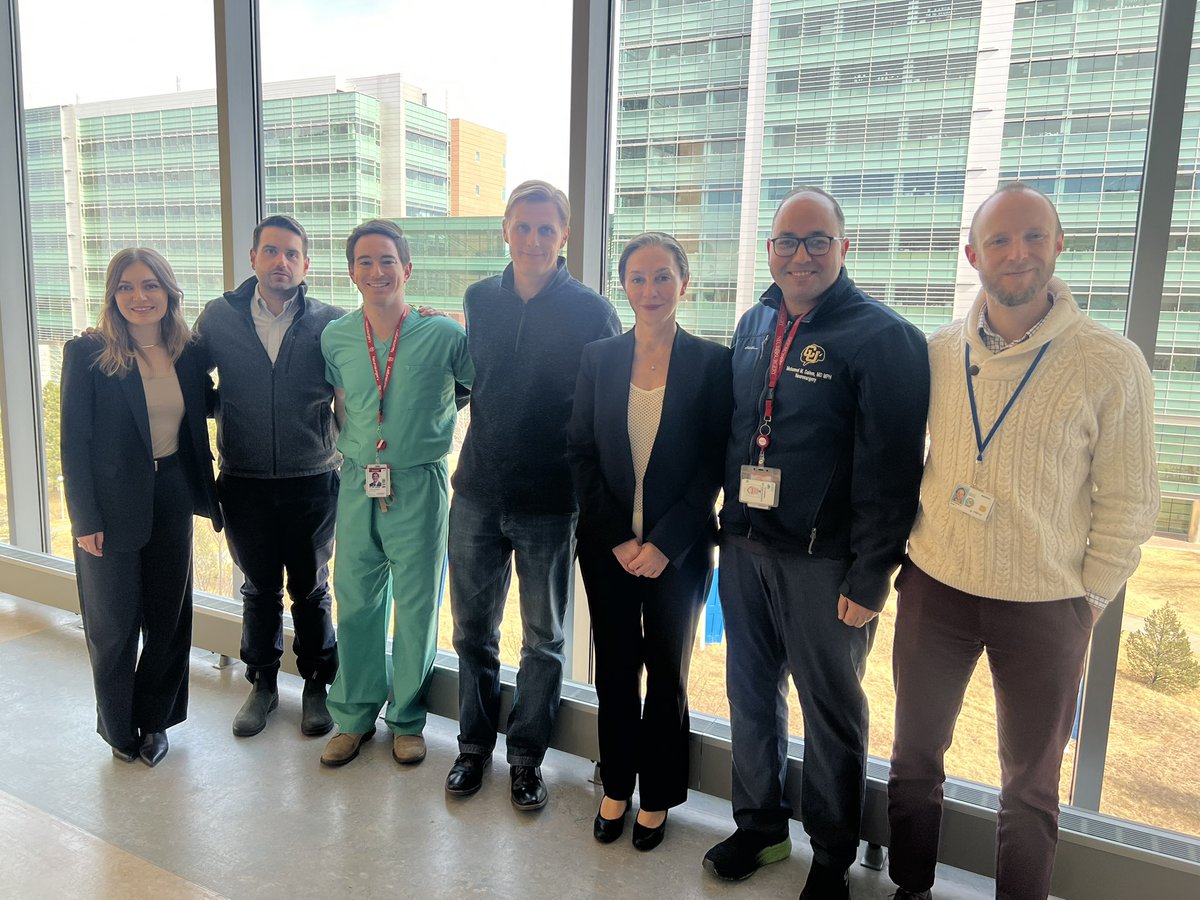
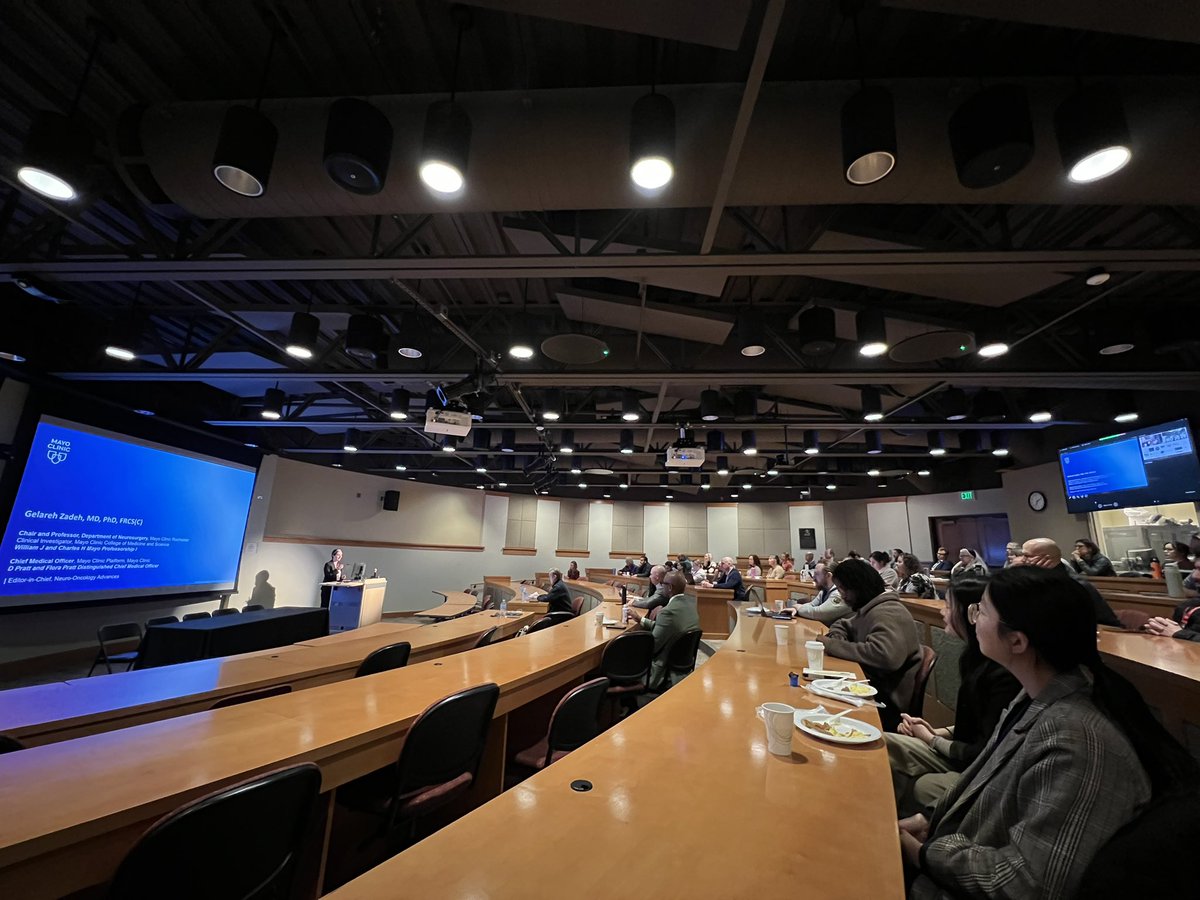
We had the pleasure of hosting renowned neurosurgical leaders @gelarehzadeh and @Kai_J_Miller from @MayoClinicNeuro at CU #Neurosurgery. Outstanding talks on modern neuro-oncology and individualized SEEG-guided neuromodulation strategies. Even better, they spent time with our residents afterward.
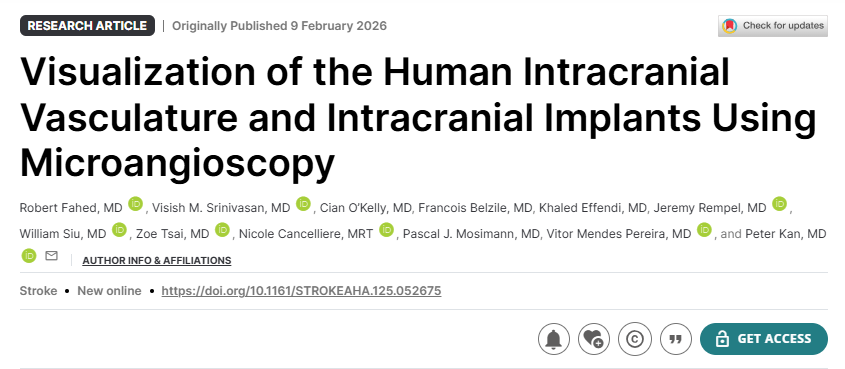
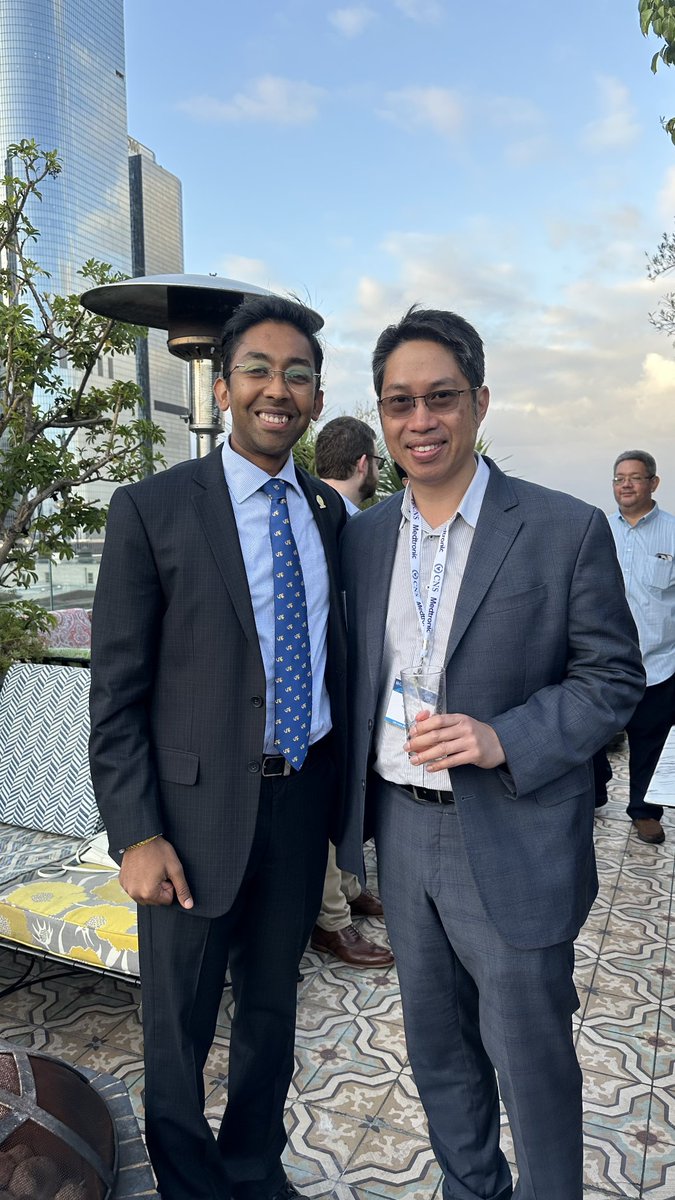
📢 Proud moment: our work “Visualization of the Human Intracranial Vasculature and Intracranial Implants Using Microangioscopy” is now published in @StrokeAHA_ASA .
Collaborators/supporters: @PeterKa80460001@vitorpereiracan@vena_medical.
https://t.co/e49nK70D09
Strong work by our star student and future #Neurosurgery resident @aviagajjar, forecasting a 13.5% rise in MMAE demand for cSDH over the next 25 years in the US. An important data-driven signal for workforce planning and resource allocation— now out in @TheJNS
MMAE for cSDH is a rapidly expanding, trial-supported minimally invasive adjunct to surgery 🧠
We analyzed all institutional ED cSDH presentations to derive radiographic eligibility thresholds, then paired these with national incidence data + U.S. population projections 🇺🇸
Result: projected 13.5% rise in MMAE demand by 2050, from ~39K ➡️ ~45K patients/year (>8 mm), providing a framework for forecasting future neurointerventional demand 📈
Grateful to work with @illidia_@RJabarkheel@MMSalemMD@JanKarlBurkhar1@visishs@PennNSG
https://t.co/tsSU1TxESZ
#Neurosurgery #MMAE #cSDH
Our chief resident, Dr. Pazniokas, receiving the prestigious Duke Samson Award at #2025CNS for her work on complement activation in aneurysmal subarachnoid hemorrhage. Big congratulations for this well-deserved recognition! 👏#Neurosurgery@WomenInNSGY
Congratulations to Dr. Mohamed Salem, MD, PGY-II Neurosurgery Resident at the University of Colorado, recipient of the Neurosurgery Cerebrovascular Paper of the Year at #CNS2025!
Honored to present the 2025 Vascular Paper of the Year @NeurosurgeryCNS and receive the award with the boss @JanKarlBurkhar1@PennNSG. Thank you @CNS_Update for recognizing our work! Grateful for the support from my program @CUNSGY and a great dinner with the team at #2025CNS
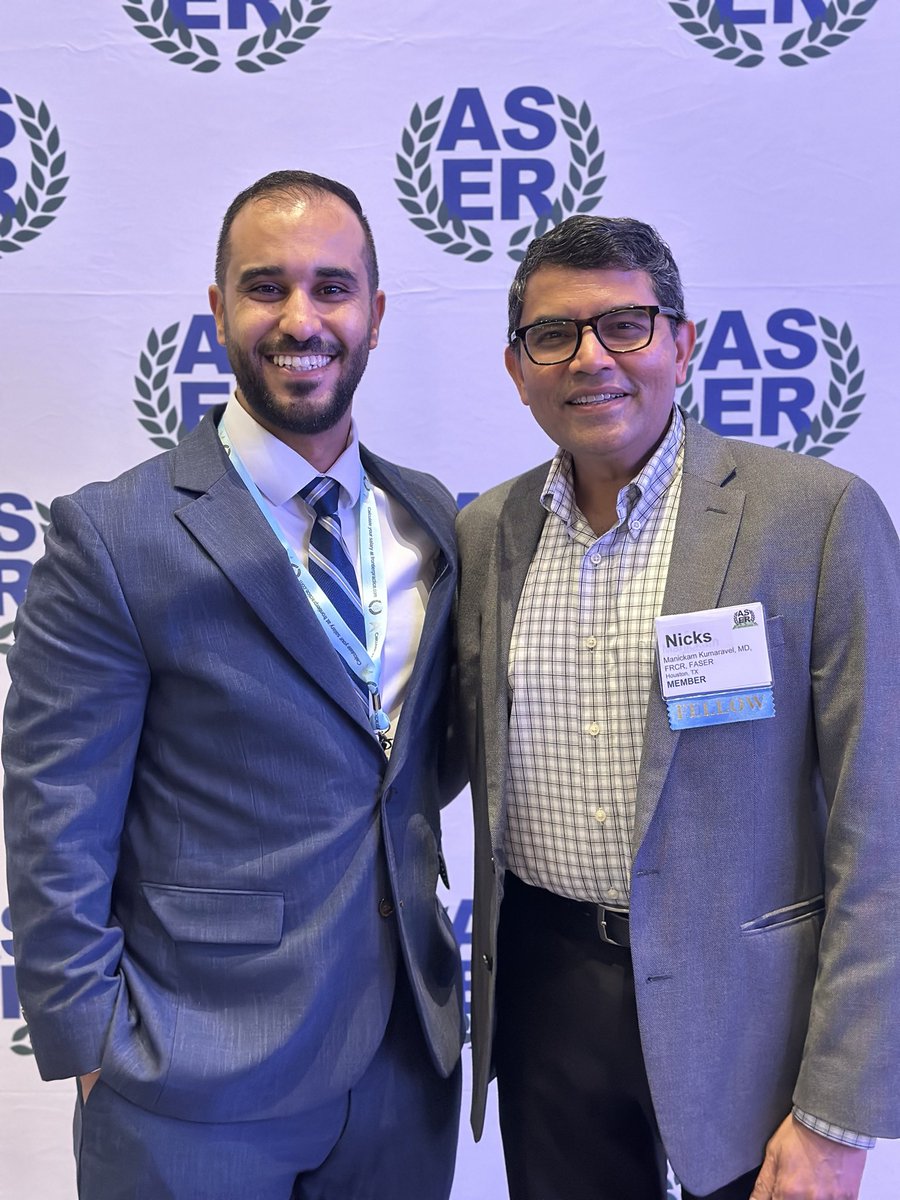
I'm honored to announce that my program has approved an accelerated pathway, allowing me to combine my Chief Resident year with the #Emergency Radiology/#Musculoskeletal (ER/MSK) #fellowship. This unique opportunity enables me to "catch up" at least one year after the many years spent in research, military service, and residency training in my home country.
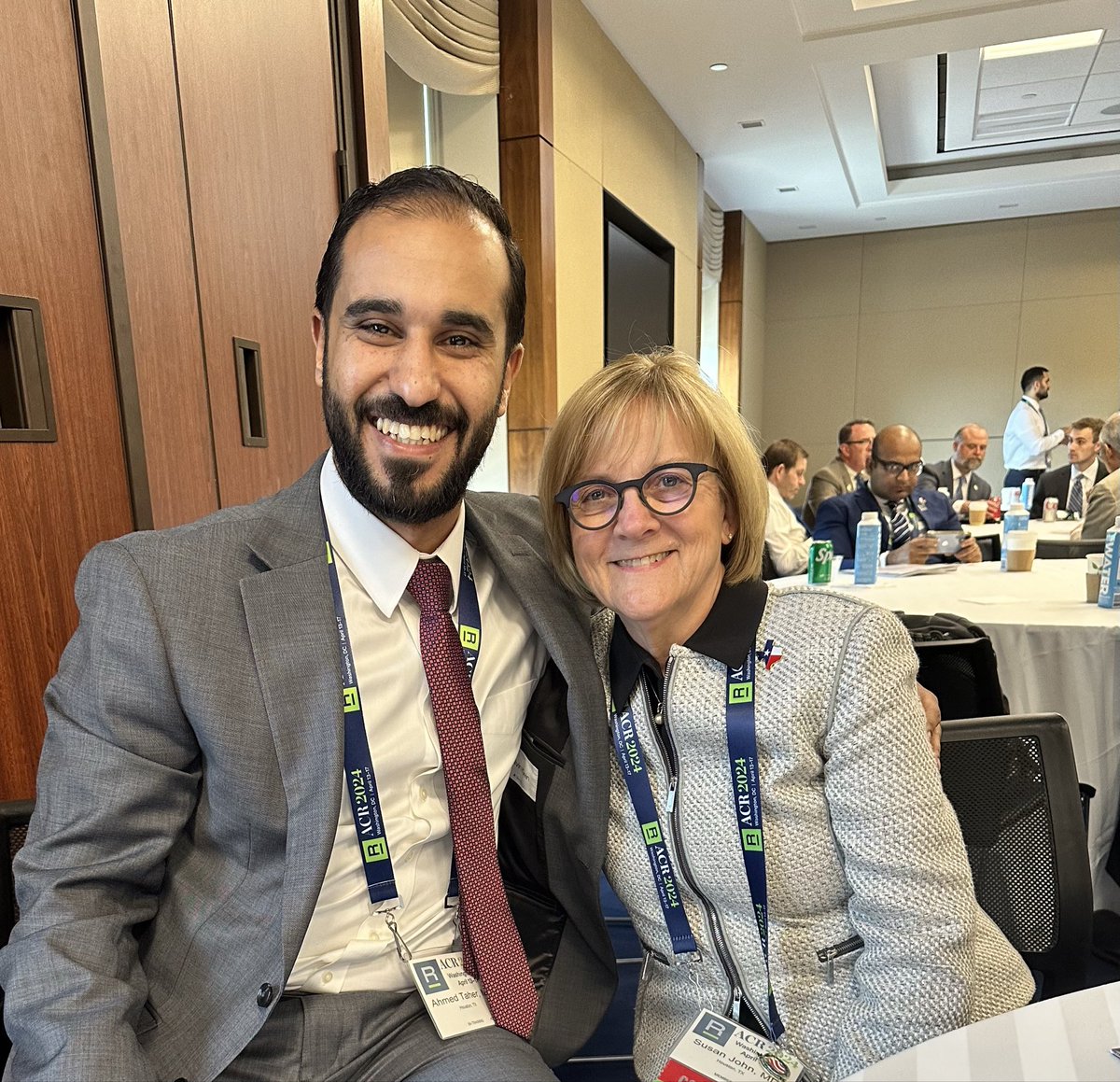
I will be graduating in September 2026 with a combined residency and ER/MSK fellowship. I want to express my deepest gratitude to my Program Director, Dr. Emma Ferguson, my Department Chair, Dr. Susan John, and all the ER and MSK faculty who believed in my proposal and continue to support my journey at this incredible institution.
Forever grateful! ♥️
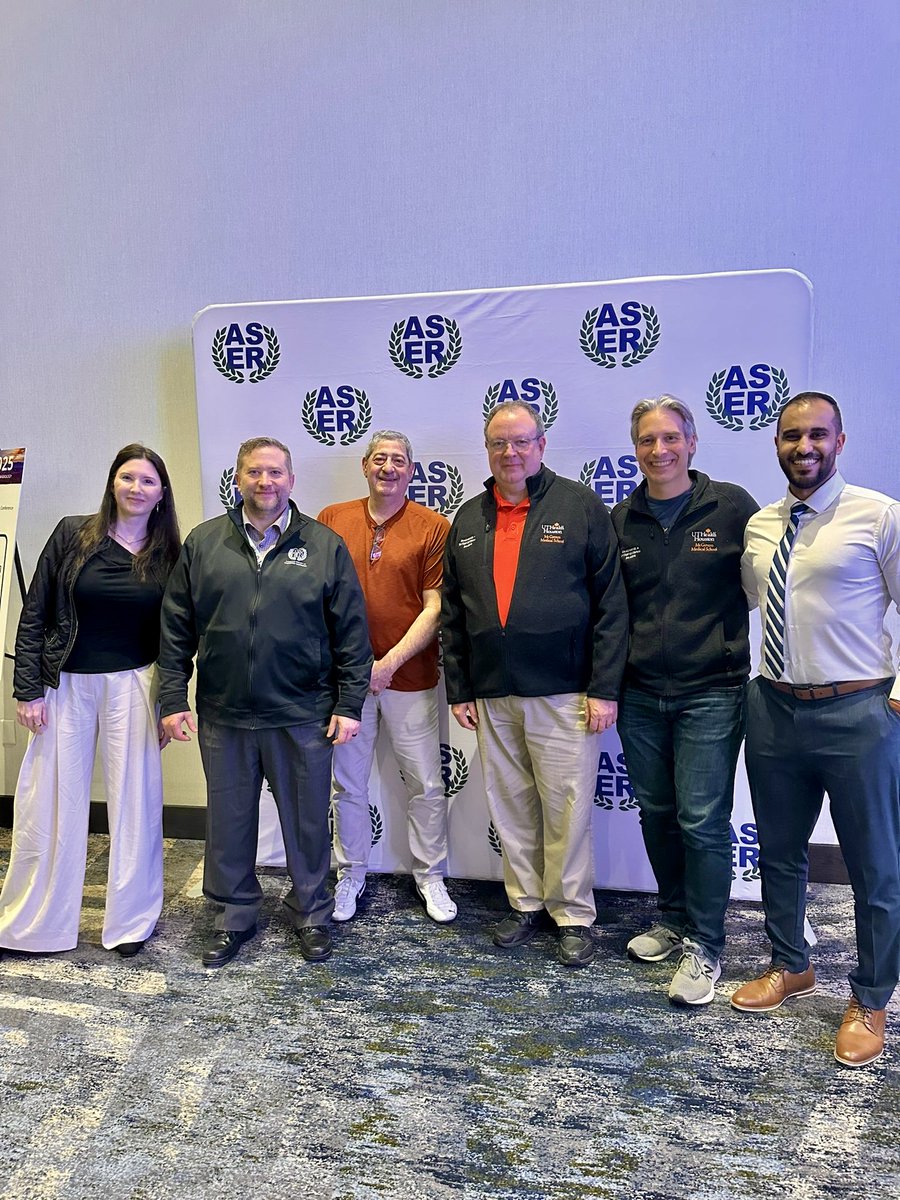
I used the opportunity of our gathering at the #ASER2025 meeting to take some pictures so I could make the announcement 😂
Better late than never!!✌🏽
#Radres #futureradres #medtwitter #medstudents #matching2025 #radmatch
Strong work by @santiagogpMD showing #cSDH single-session evac + MMAE is safe, efficient, and shortens hospital stay with similar recurrence to the matched conventional staged-approach cohort, as our group continues to push the envelope for #MMAE care, out @TheJNS#Neurosurgery
JNS Focus just released a new issue on contemporary management of chronic subdural hematomas; a must read!
Happy that one of our projects at @UofUNeurosurg on Single-Session CSDH evac + MMAE was included @TheJNS : 429 patients with chronic subdural hematoma, single-session MMA embolization + evacuation was as safe as staged treatment, cut length of stay (5 vs 7 days), and showed similar low recurrence, good functional outcomes, and low mortality. Streamlined & efficient. #neurosurgery
https://t.co/90QImgLv23
📢 Interview Season at CU Neurosurgery 🧠
We’re excited to welcome applicants for the 2025–26 Match!
✅ Applications due: October 15 via ERAS
✅ 3 positions available
✅ Interview Dates: Nov 6–7, Dec 4–5, Jan 8–9
Interview Weekend Schedule
•Thursday Evening: TED-style talks from our new Chairman Dr. Fecci @PeterFecci , CU leaders, and department faculty, followed by an evening out in Denver with our residents.
•Friday Morning: Faculty interviews + program overview with our program direct Dr. Roark.
•Friday Afternoon: Campus tours and time to explore Denver.
•Friday Evening: Wine tasting at Dr. Fecci’s home, followed by a department dinner with residents and faculty.
•Saturday: A free Colorado weekend with resident-curated recommendations for mountain towns and Denver adventures. 🏔️
✨ Hotel accommodations provided for Thursday & Friday nights.
We look forward to meeting the next generation of neurosurgeons!
Check out the website for more information about our program:
https://t.co/7bMfZ4j7dF
#Neurosurgery #Match2026 #MedTwitter
Big congratulations to our Chief Resident Dr. #JuliaPazniokas on winning the prestigious Duke Samson Award at #CNS2025! 🧠🎉 We look forward to seeing her present this work on the national stage in LA this October and celebrating this well-deserved recognition. #Neurosurgery
Just published in Operative Neurosurgery:
@NeurosurgeryCNS
Immensely grateful for the opportunity to work with @UofUneurosurg and the research team of Dr. Ramesh Grandhi, who made it possible for us to join efforts in this multicenter study examining single-session MMA embolization + evacuation for chronic subdural hematomas, focusing on the surgical technique itself.
By comparing cases with similar hematoma characteristics, we evaluated small craniotomies, burr holes, and SEPS to see which approach might offer the best balance of safety, efficiency, and outcomes.
Across centers, burr hole–based strategies, especially SEPS, often showed the most favorable workflow profile when clinically and radiographically appropriate. #Neurosurgery
https://t.co/6tTfaCq4WU