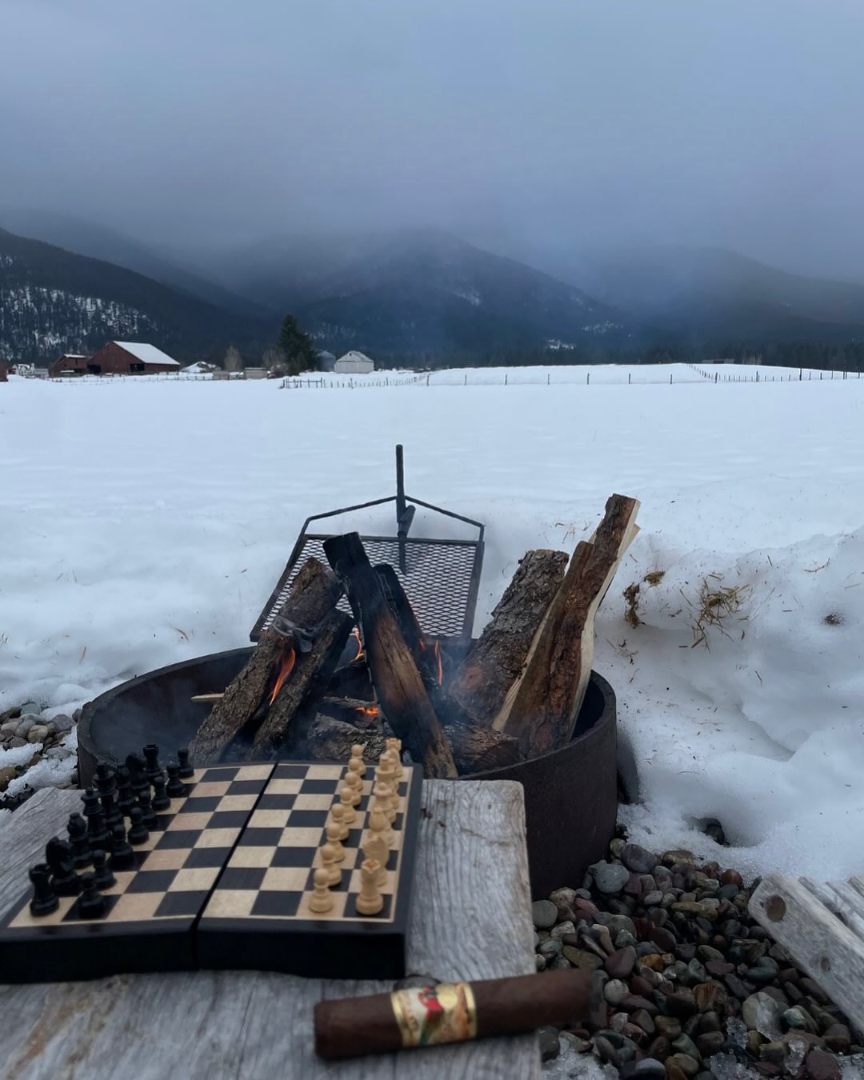
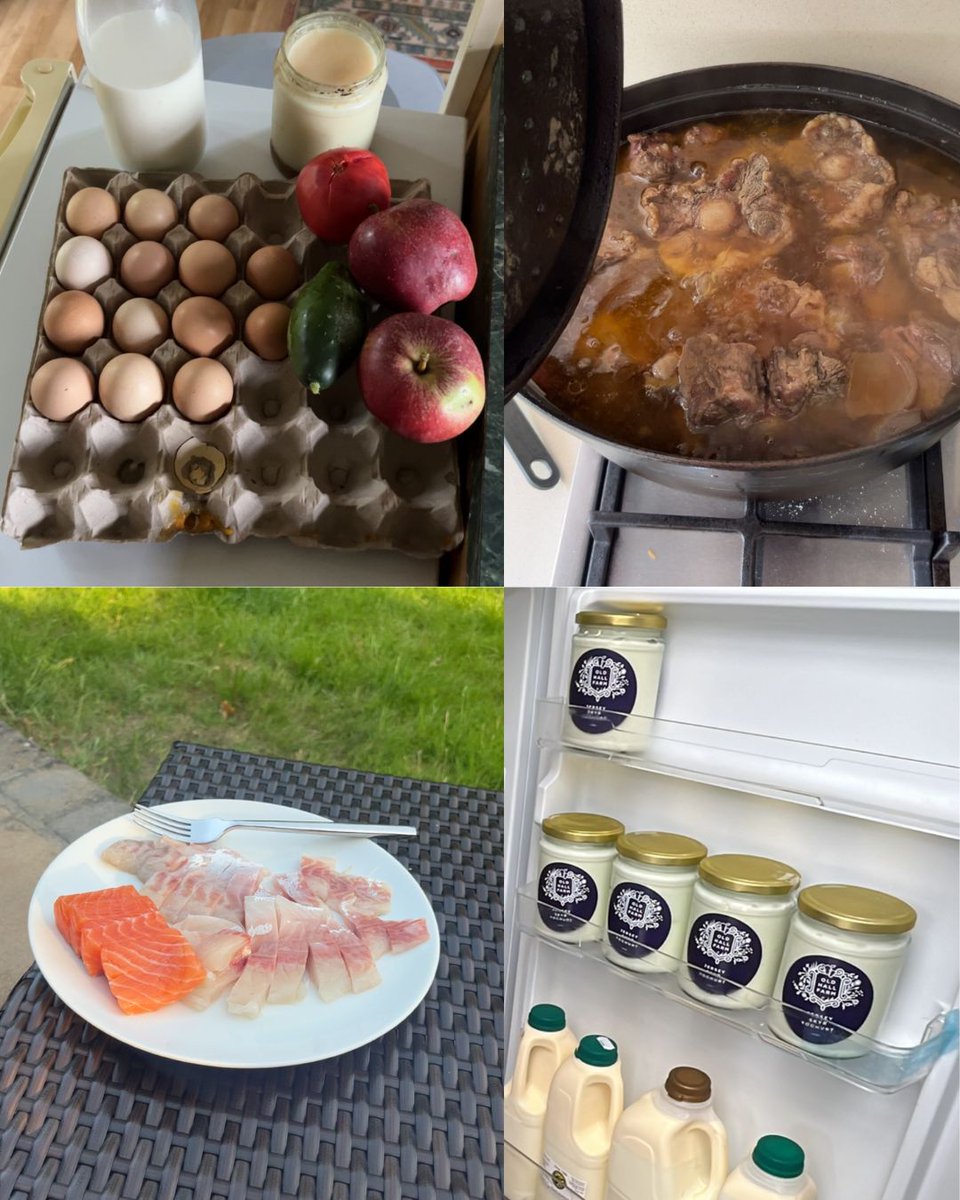
What fresh raw milk, grass fed raw meats, saturated fat and cholesterol, collagenous bone broth, oysters, homemade raw ice cream, coconut oil, separating high carb meals from high fat meals, royal jelly, raw local honey, waking up at sunrise, full body sun, seasonal fruit and vegetables, supporting your local farmer, minimising artificial blue light, not overtraining, realising life is a game and the goal is to have fun & not stress does to your vitality.
Always stay in motion, physically and mentally, to have abundant energy.
You will operate on a higher bioenergetic level as a result of this momentum.
And sticking to the plan and staying ruthlessly consistent to achieve your health goals is heavily influenced by that biological energy.
How people respond to you, how you manage stress, the clarity of your thinking, your creativity, ambition, resistance to cheap artificial stimulation, desire for novelty, tolerance for discomfort, emotional stability, focus and how you walk and speak are also all reflections of that energetic level.
The paradox of energy is that it has to be continuously used to ever feel abundant and limitless.
We are often waiting for that right moment that never comes to start projects/work, but by always saving energy and delaying by avoiding the act of doing, the body learns to shrink its capacity to even produce ATP in the first place.
Action, motion and actively using energy is what generates the biochemical signal to produce more energy down the line. So starting before you feel ready is often the best move - motion creates more energy that helps you figure everything else out.
Deep work, zone 2 cardio, resistance training, swimming, combat sport, writing, any hobbies - these all very much put energy to use, and in turn help keep it flowing, mentally and physically, which is when you feel like you have unlimited energy and could do something for hours and hours on end.
When it comes to common problems we see nowadays - body composition issues, insulin issues, brain fog, low drive, fatigue - these are essentially energy flow issues, where fuel isn’t able to be used effectively.
This is why indulging in modern vices like chronic doomscrolling, binging youtube, snacking sugar can cause you to feel low drive, motivation and energy - because they simulate the reward of action without actually requiring any real biological action, leading to your body lowering it's energy producing capacity and dulling the behavioural drive needed to move and get active, negatively affecting energy flow.
It is the same issue with body composition, skinny fat insulin resistance - put simply these are ultimately energy flow issues, where there is not a lack of energy, but an inability of your cells to oxidise the fuel it has for energy, leading to energetic stagnation and fat storage.
Movement, among other important things, helps restore the body’s ability to utilise fuel correctly by increasing energy demand and increasing mitochondrial oxidative capacity which trains cells to burn fuel more efficiently, thus resulting in more energy.
Expenditure is what makes you feel alive and the healthiest - when you then recharge and recover properly with sunlight, circadian health, sleep, human connection, true leisure and your individual protocols and targets, this is when energy flow slowly restores. Optimal body composition, energy, radiant skin will all naturally emerge as byproducts of this over time.
Always stay in motion and momentum, physically and mentally - this way you'll become an energetic machine, more resilient, harder to kill.
If you ever tried to transform to a lean, sculpted physique by doing a deficit but ended up in a cycle of losing a bit, becoming softer, then plateauing and regaining, your body isn't doing anything out of the ordinary or failing, and you likely do not need another supplement or another biohack.
Your hormones and metabolism most likely adapted to your reduced calories and prevented your fat loss gains in an attempt to conserve energy (survival mode) - which is part of why the mainstream "calories in vs calories out" is hugely oversimplified.
Dieting this way often manifests as suppressed thyroid function, reduced leptin, lower libido and energy, elevated cortisol, gut endotoxin causing inflammation, elevated SHBG, low energy expenditure, low testosterone and low electrolyte status.
There's no doubt you can become lighter and lose weight by following this model - but losing weight can mean muscle too, not necessarily only fat tissue, which is what you want to avoid as much as possible.
And what type of tissue you lose is very much influenced by your hormonal and metabolic state, which focussing on calories alone does not completely address.
Actual fat loss is not just about a deficit - it is about creating conditions where fat can be mobilised, fat can be oxidised, and metabolism remains active and efficient to preserve muscle tissue - and that is mostly dependent on hormones, which are biological messengers influenced by redox state, nutrient saturation, stress, ATP availability.
And so without addressing the hormonal situation, which heavily influences what tissue is used as fuel as well as your energy expenditure, the result is predictable - namely temporary weight loss, feel low energy/sluggish, then weight regain and a vicious cycle repeats.
So instead of asking "What special foods, tricks and hacks can i eat and do to continuously decrease my energy in and force my body to lose fat?", try and ask:
Am I eating heavy meals during times of the day where my body actually wants food?
Do I have healthy dopamine tone that allows for leptin and insulin sensitivity?
Am I increasing energy out in a way that doesn't stress my body out?
Is my thyroid being supported to keep my energy expenditure high?
Is my liver glycogen adequate?
Is my insulin cycling normally between meals?
Is my cortisol low enough to allow fat release?
Do I actually feel energised from the food I'm eating?
Am I in an environment that makes the optimal decisions the default?
Does my training feel good and do i recover and sleep well?
Here are a few strategic things you can incorporate during a fat loss/recomp phase to be able to answer Yes to these questions:
- Front loading calories - and aim for - 1.6-2.2g protein per kg bodyweight
- Adequate carbs eaten strategically around training (if your metabolic situation allows you to - if elevated fasting insulin and Hba1c, aim for lower carbs temporarily)
- micronutrient saturation through animal based diet (oysters, liver, egg yolks, dairy, meats, cod livers/oil) - focus on b1, b7, taurine, vit d, k2, A, C, E, magnesium, zinc.
- utilisation of carb refeeds
- carb cycling throughout the week and don't mix high high fat with high carb meals
- myofascial release on tight muscles and abdomen.
- optimal calcium:phosphorous and glycine:methionine ratio - incorporate more calcium foods like dairy, bone-in sardines, and more collagenous foods like broths, oxtail, gelatin.
- Optimise your sleep routine - dial in circadian rhythm which will support your metabolic and anabolic hormones.
- hydration and mineral balancing - mineral water with sea salt/lemon juice, fruits, dairy, electrolytes (sodium, potassium, magnesium)
- Moving a lot - resistance training, zone 2 cardio 180-220 minutes per week, movement snacks throughout the day, hiking, swimming, surfing, fighting, real lifemaxxing.
- Plan your days for easier consistent execution of what you have to do.
Front loading your calories and nutrients is an extremely effective needle mover for insulin health.
For those that want to tone up, body re-comp, lose visceral fat, when this way of eating is adhered to overtime and you combine it with all other health inputs (sunrise/sunset viewing, food-first nutrient saturation especially b vitamins, magnesium, taurine, vit d, k2, movement, resistance training, human connection, sleep, mobility/myofascial release, physical competition), this way of eating will not only accelerate those goals, but it will also optimise leptin sensitivity, cortisol, dopamine, testosterone, melatonin, energy, cognition, sleep, and overall metabolic health in general.
This is because of the beauty of the human body and how hormones never work in isolation.
You fix one input and that then also slowly optimises all other systems of physiology.
Eating most of your food and carbs in the first half of your day and less in the evening helps manage blood glucose, increase pancreatic beta cell function helping the speed and efficiency of insulin release, reduce oxidative stress, and increase metabolic flux.
Aiming for around 40% of total energy intake in first meal, then 40% for second meal, then approx 20% at an early dinner can be a good structure, while also focussing on optimal hydration early on in the day as well (fruits, raw dairy, mineral water with unrefined sea salt/lemon, electrolytes)
Calories in vs calories out is too incomplete and simplistic for the complexity of a system such as the human body.
Embracing more discomfort in the modern world is what gives life meaning and direction, because it demands your full potential.
Your body only builds the capacity that you demand of it, in mitochondria, the mind, hormones, muscles and energy - and the more you build the closer you get to your highest capacity.
Meaning is ultimately what it feels like when that capacity is finally in use, especially when it is in use for something bigger than yourself.
And so the more you live this way, the more meaning you will discover through struggle, and the more you discover, the more you will commit to meaningful work, and the more you commit to meaningful work the less you become distracted, and the less you become distracted the easier it is to get rid of the inputs and behaviours holding you back from your health and life goals and the easier it is for you to stay relentlessly focussed.
You make the optimal behaviours the default, and you develop a distaste even thinking about engaging in your old behaviours again.
You tap into a deep surge of aliveness, you escape fear-based living, you fill up with desire to attack life and not simply survive, all because you're living the complete opposite of death: an energetic life which expresses itself in radiance, hormones, the physique, fluid movement, warmth, clear identity, there'll be new people you meet that you wouldn't have otherwise and new opportunities begin opening up.
You end up developing a compounding momentum which will be conducive to ruthless consistency towards your goals, automatic execution, purposeful creation and essentially living the true human experience.
When you can end every discomfort in under thirty seconds with the click of a button on a phone (endless scrolling to numb stress, food delivery the moment you get hungry, chasing instant dopamine), you will ultimately be broken by the first discomfort you come across which you won't be able to artificially escape from.
You'll develop fragility, become unmotivated, your tolerance for hardship will be drastically lowered and you lose that hunger for anything hard earned and real.
We used to orient ourselves through freezing arctics, hot deserts, mud, rain, thorns, built for constant locomotion and physical exertion through carrying, lifting, dragging natural materials.
Yes, we no longer live in those times - but our environment today has changed much faster than our bodies have had the chance to adapt with it, meaning our true human instincts and ways of living that we evolved with still exist deep down within us.
Modern chronic comfort lures us into an evolutionary trap where we feel "safe" within it, but ultimately it prevents us from expressing our true animalistic instincts, motivation to achieve hard and great things, and true health.
It all comes down to reconnecting with nature, in which embracing more discomfort plays a big role.
Warm raw milk with honey by the campfire. Slow cooked collagenous stews, crispy potatoes, root vegetables at a candle lit dinner. Stewed apples and pears. Post sauna fruit, mineral water, oysters. Tartare with raw yolks.
This is what peak winter nutrition looks like for health, energy and performance.
Conventional nutritional approaches still often view optimal nutritional balance as filling isolated nutritional "buckets" up one by one.
In reality, because of the body's complex integrated systems, each nutrient influences other nutrients absorption, function, requirements which then influence hormones - and all of this is also modulated by the environment. So you have to take all of this into account, not just fill invidivual nutrient buckets.
Collagenous meats have glycine which may support insulin signalling, helps build glutathione levels protecting mitochondria from free radical damage, helping use fatty acids and glucose more efficiently for energy, supporting metabolism and body composition long term.
Oysters have iodine and tyrosine which builds thyroid hormone which selenium then helps convert t4 to active t3, and zinc helps cell receptors act on t3, supporting metabolism for body composition, metabolic rate, glucose handling and high energy.
Warm raw milk has calcium, which supports pancreatic insulin release to handle sugars, and b vitamins help mitochondria use that sugar from honey to generate ATP.
Stewed apples and pears are a good source of pectin, a soluble fibre that is effective at slowing glucose absorption and feeding gut bacteria to make butyrate, a short chain fatty acid that supports insulin signalling and appetite hormones such as GLP-1 and PYY.
And environment influences all of these relationships as well. For example sunlight timing influences glucose handling, a cold ocean swim changes your mitochondrial demand, and movement and training affects nutrient partitioning and metabolism.
The relationships of nutrients within these foods, as well as the combination of these foods themselves eaten within a coherent, natural environment is what creates a healthy foundation - use supplements only when you can truly justify their use.
Eat like this more for energy, performance, body composition and vitality.
@fearnothing i haven't posted any recipes on here yet, might do tho good idea. But for the most part i like to keep it simple - for example for stews i'll just through in meat, star anise, thyme/rosemary, onions, carrots, then just simmer for about 16-24 hours.
When you can end every discomfort in under thirty seconds with the click of a button on a phone (endless scrolling to numb stress, food delivery the moment you get hungry, chasing instant dopamine), you will ultimately be broken by the first discomfort you come across which you won't be able to artificially escape from.
You'll develop fragility, become unmotivated, your tolerance for hardship will be drastically lowered and you lose that hunger for anything hard earned and real.
We used to orient ourselves through freezing arctics, hot deserts, mud, rain, thorns, built for constant locomotion and physical exertion through carrying, lifting, dragging natural materials.
Yes, we no longer live in those times - but our environment today has changed much faster than our bodies have had the chance to adapt with it, meaning our true human instincts and ways of living that we evolved with still exist deep down within us.
Modern chronic comfort lures us into an evolutionary trap where we feel "safe" within it, but ultimately it prevents us from expressing our true animalistic instincts, motivation to achieve hard and great things, and true health.
It all comes down to reconnecting with nature, in which embracing more discomfort plays a big role.
Chronic comfort is the most expensive thing you'll buy.
You pay for it with the slow death of someone who's true purpose, life work and sense of being truly alive has been traded for the couch, Netflix and doomscrolling - all seamlessly without ever realising that you stopped actually living properly.
You pay for it with low androgens that genuine challenge was designed to produce. The low dopamine tone that difficult tasks and novelty seeking were supposed to regulate. The cortisol regulation that real work followed by real rest was supposed to create. You become a victim of the perceived social defeat effect, worsening your posture, forcing shallow chest breathing, densifying and restricting your fascia and mobility, permeating your gut lining, impairing mitochondrial function - which all create stagnation and disease in the body.
Comfort feels like peace, but its an evolutionary trap which prevents you from living like you're supposed to.
Its a type of modern poverty that simply doesn't get paid attention to.
Front loading your calories and nutrients is an extremely effective needle mover for insulin health.
For those that want to tone up, body re-comp, lose visceral fat, when this way of eating is adhered to overtime and you combine it with all other health inputs (sunrise/sunset viewing, food-first nutrient saturation especially b vitamins, magnesium, taurine, vit d, k2, movement, resistance training, human connection, sleep, mobility/myofascial release, physical competition), this way of eating will not only accelerate those goals, but it will also optimise leptin sensitivity, cortisol, dopamine, testosterone, melatonin, energy, cognition, sleep, and overall metabolic health in general.
This is because of the beauty of the human body and how hormones never work in isolation.
You fix one input and that then also slowly optimises all other systems of physiology.
Eating most of your food and carbs in the first half of your day and less in the evening helps manage blood glucose, increase pancreatic beta cell function helping the speed and efficiency of insulin release, reduce oxidative stress, and increase metabolic flux.
Aiming for around 40% of total energy intake in first meal, then 40% for second meal, then approx 20% at an early dinner can be a good structure, while also focussing on optimal hydration early on in the day as well (fruits, raw dairy, mineral water with unrefined sea salt/lemon, electrolytes)
Calories in vs calories out is too incomplete and simplistic for the complexity of a system such as the human body.
Calories in calories out does not account for circadian metabolic fluctuations.
Your body is primed to digest food during the day, especially mornings. Insulin sensitivity is higher meaning you burn more glucose as fuel and store less as fat.
Come nighttime, melatonin rises and insulin sensitivity drops. You shift to recovery mode where your body preferentially burns fat, clears damaged cells, and repair tissues.
Eating at night impedes repair functions and overburdens metabolic function, giving you the worst of both worlds.
Frontload calories. Relax at night.
Living in an environment that makes the optimal behaviours the default, and the wrong ones effortful is the number one way to fast track your way to your health goals.
It makes the following so much easier to execute, which is what should be done for maximum results:
- Being intentional with all your tasks and activities
- Doing what you have planned with no deliberation
- Becoming physically and mentally resilient
- Being ruthlessly consistent
Modern culture often promotes the usage of "pure willpower" to get most things done but, although there are times where using willpower is beneficial, it implies that the mind should be dominating the body most of the time regardless of physical surroundings and external inputs.
But this treats the body like a separate organism always fighting against the external world, rather than an intelligent organism always accurately responding and adapting to it's environmental signals - light, dietary, water, temperature, physical and electromagnetic.
These adaptions, for example insulin/leptin resistance and poor body composition, are then what we call symptoms and "disease". In optimal environments, these types of adaptations leading to undesirable symptoms would less likely occur.
Willpower itself is metabolically expensive in the brain, and constantly having to use it in a body which is living within an incoherent environment will undoubtedly lead to behavioural relapse, because you are forcing your conscious mind to override your body's evolutionary survival programming - willpower is therefore finite and once your body has reached it's fatigue or stress limit, your survival programming will take over and you will give in to your sub optimal surroundings and often overcompensate in the opposite direction.
For example, using pure willpower to diet down to a low body fat percentage will a lot of the times eventually lead to one or multiple big days of binge eating. People then blame their character, telling themselves they are lazy or lack discipline, when truly they're just adapting to their environment.
Environmental mastery is key - it's the foundation upon which everything else is built.
Engineering an optimal environment to optimise your health is all about making the optimal behaviours the default and the wrong ones effortful.
- Plan your days/weeks so you can embrace cognitive miniamlism by not having to deliberate and overthink on what to do - pure execution
- Digital minimalistic environment - notifications off, no tech in sleeping room, intentional media consumption. (digital minimalism by cal newport is a good read)
- Escaping chronic comfort - it’s the most expensive thing you’ll buy, which you pay for with low dopamine, loss of enjoyment in everyday natural things that are meant to give you maximum joy, low androgens, soft physique, the need to be conflict avoidant etc.
Front load discomfort (pick one or more hard things a day that serves something you care about and chip away at it every morning before you get to use any screens), find your purpose and you'll actually feel the need to embrace discomfort because you'll have found something which you want more.
- Circadian biology - morning/midday/afternoon light, dark evenings and sleeping with the sun is important for melatonin, cortisol, dopamine, leptin, insulin, testosterone. This influences circadian feeding times, where front-loading your calories and only eating when truly hungry will provide further metabolic benefits.
- Human connection - spend most time around people who live life the way you do.
- Set up workspace outside/next to a window.
- Inner environment - embrace stillness, boredom and processing emotions rather than numbing them.
Also frame goals as identities, not outcomes. For eg “Lose 10kg and optimise body composition” keeps you constantly chasing it. “I’m strong and lean, eats well and trains hard” makes it easier for you to keep locked in and make consistency the default. The more desperately you want the outcome, the harder it resists you.
Your body will be in constant communication to you about whether your fat loss/re-composition phase is being executed the right way or not.
Some signs you're doing it the right way (energy systems/metabolism stays mostly intact, androgen signalling remains strong, and avoiding stress "survival" metabolism):
- Energy and mood stays consistent throughout the day - no afternoon crashes, dependence on stimulants to function or brain fog
- High sleep quality - you're falling asleep relatively quickly/easily, sleeping through the night and waking up rested and energised
- Hunger is manageable and appears around normal meal times, with no strong cravings at random times
- Libido stays normal
- Digestion stays normal - no new bloating, motility issues or pain
- Your strength in training is being maintained, possibly even increasing
- Body temperature is normal (>36.4 Celsius upon waking, gradually edging closer to 37 during the day)
- You're actually losing fat tissue, not muscle
Some of the signs stress metabolism might be taking over (decreased thyroid output, disproportionately low leptin, decreased sex hormone function, elevated cortisol):
- Daytime fatigue but sleeping for long enough, or poor sleep quality
- Wired but tired feeling, mood crashes
- Strong cravings at random times throughout the day
- Suppressed libido, hair shedding
- Lower body temperature and feeling cold all the time
- You're losing muscle, not just fat
Some adaptation is normal during fat loss, but if you feel like your body may be running on stress metabolism, some things that can help in signalling metabolic recovery include a refeed with a focus on carbs (and a week of eating at maintenance if needed), laying off training intensity (de-load week), focussing on sleep and circadian biology quality, and addressing all other fundamentals (stress management, human connection, mobility/myofascial release, nutrient saturation, sunlight).
A fat loss/body recomposition phase done correctly should very much minimise any sort of major fatigue, energy problems, slow recovery, low drive etc.
Ultimately, getting lean in the right way (not just focussing on calories in vs calories out, but actually focussing on metabolic health) will leave you feeling more alive and electric, and this will compound into all areas of your life:
- Less excess body fat means less aromatase (the enzyme converting testosterone to estrogen)
- Hypothalamic signalling becomes clearer and more efficient (hypothalamic GnRH release -> pituitary LH/FSH release -> activation in testes to stimulate testosterone)
- Mitochondrial networks remain fused and efficient, meaning ATP, CO2 and metabolic water output remain high, reactive oxygen species are lower, recovery is faster etc - redox state improves and you can actually use the nutrients you eat as fuel.
- Growth hormone pulsatility is more robust, helping preserve lean mass and liberate fat.
- Lower systemic inflammation, helping insulin sensitivity, glucose clears into muscle efficiently, thyroid signalling improves, and you become more metabolically flexible, meaning fat oxidation resumes normally between meals and you don't crash between meals
- Muscle protein synthesis is fully responsive to training
- You simply look better and people respect you more unconsciously - jawline, muscle insertions/striations, overall bone structure and other markers of androgen/physical dominance get revealed
- You carry yourself differently - you become more present in relationships, with more energy and drive, more willingness to take risks and meet people.
Getting lean really does have the capacity to change your life, healthwise and everywhere else.
When you actually work with your body instead of against it, as many approaches out there unintentionally make you do, you can make lifelong changes that are far easier to reach and maintain, because body composition becomes a byproduct of the health you’ve built.
The main foods I'll be prioritising this winter to optimise performance, metabolic health and energy.
- collagen rich foods - broths, stews, collagenous meats (oxtail, cheek, shin, tongue, chicken feet), homemade gelatin gummies.
- Adequate carbs - potatoes, fruits (apples, pears, berries), root vegetables, dairy, raw honey, white rice, maple syrup
- animal proteins - white fish (cod, haddock), shellfish, fatty fish (mackerel, sardines, wild salmon), beef mince, eggs with raw yolk, non expensive cuts like bavette and braising steak to make tartare, raw dairy, kefir, yoghurt/skyr, cheeses
- "nature's supplements" cycled throughout the week - liver, heart, raw oysters, raw egg yolks
- additional foods for meals - arugula, raw shredded carrot, cooked onions, nutritional yeast, well-cooked mushrooms, fermented vegetables, bell peppers, cacao powder for chocolate milk, high quality unrefined sea salt.
- Supplements - vitamin b1 on very high carb days, magnesium glycinate, myo-inositol after carbs
A food first approach is always best - important nutrients to prioritise for metabolic health, insulin/leptin signalling, immune function, include vitamins A, D, E, K, C, glycine, b vitamins (especially b1 and b7), magnesium, taurine, DHA, choline, which these foods will provide, especially the animal foods.
When on a budget, the grass fed organic options are not always necessary - as long as you are eating mainly whole foods from the best sources that you can find, that will already be doing most of the work for you.
Also a helpful tip for any non organic produce is to soak it in a water bath with either some vinegar or baking soda, or one after another (as if you put them in together, they react and neutralise each other), and peel any carrots, potatoes etc. If you can of course, always go for organic, local, grass fed, no antibiotics etc if you can.
Everyone's situation is different so nutrient requirements differ based on metabolic health, training, health goals and overall bio-individuality,
but if you base the majority of your meals on these foods for long enough, and pair foods together wisely, then it will serve as an excellent foundation for your health from which you can address all other health aspects.
Eating your hydration is especially important in winter.
Because breathing dry, especially indoor heated winter air constantly drains moisture from your respiratory tract without triggering your thirst reflex as much, eating your hydration is important to provide a steady, slow-release supply of cellular water and electrolytes that your body can actually retain.
This is of course needed for energy production.
Warm broths for example, especially with collagenous cuts such as oxtail, are nourishing to the thyroid, pro-metabolic, beneficial for your fascial health, gut, and immunity.
Absolute winter staple food, along with raw dairy, apples, pears, seafood.
Building muscle can be a great catalyst for optimising metabolic health, insulin/leptin signalling, and energy and drive.
Muscle tissue is metabolically active and is the largest glucose disposal site in the body - so it greatly supports insulin signalling and metabolic efficiency by supporting efficient oxidation of carbohydrates into energy and ability to switch to fat oxidation between meals (metabolic flexibility) - of course it also helps build an aesthetic physique.
Build muscle more efficiently:
- Resistance training 3-4x a week (weights, calisthenics) - choose a split that works for your schedule/goals, focus on compound exercises (eg. pullups, dips), add any isolation movements after, and focus on progressive overload over time (can be done by adding reps/sets, adding weight once you've hit the top of a rep range, or shortening rest time).
Intensity is key, but going to complete failure every session is unproductive and can be harmful, especially as natural lifters, and will need a lot of recovery - leaving around 1-3 reps in reserve is efficient.
- Key mitochondrial nutrients (important for energy production and androgen receptor sensitivity) - b vitamins, A,D,E,K2, vit C, magnesium, copper, zinc, DHA, EPA, cholesterol, choline, glycine, inositol
- Restorative sleep + circadian alignment - early bed, early wake time and daytime sunlight is key for hormones and true recovery. Training outdoors is also very beneficial if you can, as vitamin D from sun may affect leptin signalling to help shift energy toward lean mass.
- Optimise dopamine function - avoid artificial dopamine (doomscrolling, hyper palatable snacking) and rewire your brain for natural dopamine (sunlight, human connection, moving your body etc). This will have positive effects on testosterone, growth hormone and insulin signalling.
- Protein (1.8-2.2g/Kg ideal bodyweight) - focus on animal foods to get abundance of complete, bioavailable amino acid profiles (eggs, dairy, seafood, muscle/collagenous meats, broths)
- Total energy intake - maintenance calories or a small deficit if you have fat to lose and want to body recomp. And then a small-moderate surplus for when you’re already lean and want to maximise gains. Prioritise sufficient protein and carbs, and fill the rest of calories from healthy fats (eg. egg yolks, dairy, fatty fish)
- Adequate carbohydrates, mainly before and after training (approx 3-5g/kg bodyweight, adjusted depending on metabolic health/digestion/tolerance) - potatoes, fruit, white rice, dairy, maple syrup, raw honey,
- Address any gut symptoms, suspected dysbiosis, leaky gut - key for nutrient absorption and utilisation
- Physical challenge - sprint, spar, combat sports, movement hobbies, compete with things at stake. This, alongside a lot of zone 2 cardio like walking/swimming, will also help build metabolic flexibility, creating a much better cellular environment to build muscle.
- Myofascial release on any tight areas (psoas, abdomen, neck/jaw/shoulder areas are usually among the tightest) using gua sha blade and/or lacrosse massage ball/foam roller. This is a good time to practice breathwork as well.
Muscle is built most effectively when foundational health is locked in, so doing resistance training in parallel with all other health inputs and reconnecting with nature in general, as part of a holistic approach, is very beneficial - they all synergise together to build the health, firing metabolism, insulin/leptin signalling, healthy dopamine and lethal physique over time, especially when the basics are executed with ruthless consistency.
The main foods I'll be prioritising this winter to optimise performance, metabolic health and energy.
- collagen rich foods - broths, stews, collagenous meats (oxtail, cheek, shin, tongue, chicken feet), homemade gelatin gummies.
- Adequate carbs - potatoes, fruits (apples, pears, berries), root vegetables, dairy, raw honey, white rice, maple syrup
- animal proteins - white fish (cod, haddock), shellfish, fatty fish (mackerel, sardines, wild salmon), beef mince, eggs with raw yolk, non expensive cuts like bavette and braising steak to make tartare, raw dairy, kefir, yoghurt/skyr, cheeses
- "nature's supplements" cycled throughout the week - liver, heart, raw oysters, raw egg yolks
- additional foods for meals - arugula, raw shredded carrot, cooked onions, nutritional yeast, well-cooked mushrooms, fermented vegetables, bell peppers, cacao powder for chocolate milk, high quality unrefined sea salt.
- Supplements - vitamin b1 on very high carb days, magnesium glycinate, myo-inositol after carbs
A food first approach is always best - important nutrients to prioritise for metabolic health, insulin/leptin signalling, immune function, include vitamins A, D, E, K, C, glycine, b vitamins (especially b1 and b7), magnesium, taurine, DHA, choline, which these foods will provide, especially the animal foods.
When on a budget, the grass fed organic options are not always necessary - as long as you are eating mainly whole foods from the best sources that you can find, that will already be doing most of the work for you.
Also a helpful tip for any non organic produce is to soak it in a water bath with either some vinegar or baking soda, or one after another (as if you put them in together, they react and neutralise each other), and peel any carrots, potatoes etc. If you can of course, always go for organic, local, grass fed, no antibiotics etc if you can.
Everyone's situation is different so nutrient requirements differ based on metabolic health, training, health goals and overall bio-individuality,
but if you base the majority of your meals on these foods for long enough, and pair foods together wisely, then it will serve as an excellent foundation for your health from which you can address all other health aspects.
The paradox of energy is that it has to be continuously used to ever feel abundant and limitless.
We are often waiting for that right moment that never comes to start projects/work, but by always saving energy and delaying by avoiding the act of doing, the body learns to shrink its capacity to even produce ATP in the first place.
Action, motion and actively using energy is what generates the biochemical signal to produce more energy down the line. So starting before you feel ready is often the best move - motion creates more energy that helps you figure everything else out.
Deep work, zone 2 cardio, resistance training, swimming, combat sport, writing, any hobbies - these all very much put energy to use, and in turn help keep it flowing, mentally and physically, which is when you feel like you have unlimited energy and could do something for hours and hours on end.
When it comes to common problems we see nowadays - body composition issues, insulin issues, brain fog, low drive, fatigue - these are essentially energy flow issues, where fuel isn’t able to be used effectively.
This is why indulging in modern vices like chronic doomscrolling, binging youtube, snacking sugar can cause you to feel low drive, motivation and energy - because they simulate the reward of action without actually requiring any real biological action, leading to your body lowering it's energy producing capacity and dulling the behavioural drive needed to move and get active, negatively affecting energy flow.
It is the same issue with body composition, skinny fat insulin resistance - put simply these are ultimately energy flow issues, where there is not a lack of energy, but an inability of your cells to oxidise the fuel it has for energy, leading to energetic stagnation and fat storage.
Movement, among other important things, helps restore the body’s ability to utilise fuel correctly by increasing energy demand and increasing mitochondrial oxidative capacity which trains cells to burn fuel more efficiently, thus resulting in more energy.
Expenditure is what makes you feel alive and the healthiest - when you then recharge and recover properly with sunlight, circadian health, sleep, human connection, true leisure and your individual protocols and targets, this is when energy flow slowly restores. Optimal body composition, energy, radiant skin will all naturally emerge as byproducts of this over time.
Always stay in motion and momentum, physically and mentally - this way you'll become an energetic machine, more resilient, harder to kill.
Before you label yourself as unmotivated, lazy and not inherently worthy of achieving your goals:
- Check bloodwork including testosterone, free testosterone, SHBG, oestradiol, prolactin, full thyroid panel, fasting glucose and insulin, cortisol
- Ensure adequate intake of magnesium, b vitamins, taurine, carbohydrates, animal proteins
- Make sure you are moving daily, with resistance training, mobility, hobbies, movement snacks every 30–40 minutes - Motion is the antidote to stagnation.
- Ensure you actually have a purpose, something to build every morning when you wake up
- Look at your day and see how much of it is spent consuming. Especially cheap artificial stimulation that slowly atrophies your mind/drive, making you feel more stuck, low energy, and as if real effort feels harder than it should.
- Design your environment to make effort the default, not chronic comfort
- make sure you're doing as many of the fundamentals as you can - circadian health, breathwork, sleep, human connection, time in nature
When losing weight, body re-comping, fixing insulin signalling/metabolic issues, a big reason progress can stall is dysregulated hunger signals - especially because they often take some time to recalibrate, even once you've started doing everything right on paper.
Proper appetite regulation therefore becomes crucial, to prevent cravings/overeating which lead to exacerbation of metabolic issues and fat gain.
Some things you can implement to aid with this:
- Firstly learn to identify real hunger vs fake hunger - for example real hunger appears gradually, and a sudden wave of hunger out of the blue is often fake hunger. This sudden wave of fake hunger usually goes away after 10-20 minutes.
- Ensure micronutrient saturation in your meals - foods like meats, seafood, eggs, dairy, fruits, root vegetables, potatoes . Temporarily tracking food in cronometer can be very helpful too.
- Naturally support the GLP-1 appetite suppressing system through Yerba mate/green tea, chewing food thoroughly, resistant starches (eg cooled potatoes)
- Going on walks outside whenever you experience a wave of fake hunger, and after meals
- Front loading protein early in the day, and eat protein before carbs
- Hydrate efficiently - mineral rich foods (broths, soups, oysters, fruits, dairy), mineral water, electrolytes and salt if required, will all help energy and reduce cravings
- Eating at the same time daily can make hunger signals more predictable
Over time, as leptin/insulin signalling and gut hormones improve, your brain will read hunger signals more accurately and appetite regulation will slowly become more automatic.
An optimal way of getting out of a skinny fat, insulin resistant, low androgen situation is to do a body recomposition.
People will recommend going on a bulk phase first to pack on solid amount of muscle in order to then strip off all the fat later.
But this is over simplified - the problem is that a surplus, in someone who's insulin signalling isn't optimal and who already has an under-muscled base, can cause excessive oxidative stress in the mitochondria that already have limited capacity to utilise carbs and fats for fuel - the surplus can then partition more towards fat, because the hormonal situation has not been addressed yet.
Similarly, cutting first will also highly risk muscle loss which is not want you want here, and it will also not ameliorate the hormonal situation and may in fact make things worse.
A body re-composition is the sweet spot that, over time, allows your body into a metabolic state which builds more muscle (metabolically active tissue lowering fasted insulin over time), mobilises fat more efficiently, promotes mitochondrial biogenesis allowing cells to become more flexible with fuel, and shifts hormones into a better direction (less visceral fat, less aromatase, less inflammation, better androgen/leptin/insulin signalling, better appetite regulation over time).
Here are some base structural implementations to use in a body re-composition phase:
- Protein, with emphasis on animal protein and raw dishes where possible - seafood, meats, eggs, raw dairy - 1.6-2.2g protein per kg bodyweight
- Ensure sufficient vitamin B1 (thiamine), vitamin B7 (biotin), magnesium, taurine, vit d, vit k2 - very helpful nutrients to become insulin sensitive again.
- Understand what part of your environment was causing your body to get to this state in the first place - Could be sedentary living, lack of physical challenge, too much artificial light and circadian dysregulation, excessive screens/tech, chronic stress, nutrient gaps etc. Then you can begin to reverse engineer environment.
- Calories around maintenance, in a very slight deficit of around 100-300 calories.
- Zone 2 cardio (walking, swimming etc) around 200 minutes spread across the week, and occasional sprints (1-2x a week 3x5-10s max sprints)
- Resistance training/calisthenics 3-4x a week with progressive overload - aim for the golden ratio (shoulder:waist ratio of around 1.61:1), incorporating exercises such as pull-ups, dips, lateral raises.
- Fundamentals - abundant sunlight, sleep, mobility/myofascial release, stress management, human connection, no alcohol, appropriate leisure/work balance
- Address your individual gut health - use any digestive/energy symptoms and bloodwork to help build targeted dietary and supplementary interventions
- Circadian rhythm - most key hormones run on circadian rhythms, so this one is incredibly important for appetite regulation, insulin sensitivity, body composition and energy - darkness after sunset, wake with the sun and be outdoors as much as possible.
- Optimal glycine:methionine and calcium:phosphorous ratio - essentially, make sure to include calcium through dairy/bone in sardines, and glycine/collagen/gelatin from bone broths, collagenous meats like oxtail, or homemade gelatin gummies.
- Micronutrient saturation with "natures supplements" for mitochondrial function - liver/organ meats, oysters, cod livers/oil, and animal based diet in general.
- Protect dopamine at all costs - minimal and intentional tech use, engage in activities where real dopamine is actually earned, prevent any overthinking, eat/sleep/manage stress as best you can. This will be huge for other hormones such as testosterone, but also for motivation and drive throughout the re-comp process.
- 2-3 large big meals throughout the day - no grazing and snacking.
- Adequate carbs from whole foods, especially around training and on training days. Earn them and always pair with protein and separate as much as possible from high fat - fruits such as berries, honey, potatoes, root vegetables.
- Get bloodwork - fasting glucose/insulin/HbA1c, lipid panel, TSH, free t3 and t4, androgen hormones, prolactin, estradiol, ALT, AST, GGT, vit D, ferritin etc to identify which areas of physiology to work on.
Run a re-comp for around 3-6 months and then re-assess with bloodwork, strength, waist size, energy.
It can be a slow process, but when done properly it's a powerful leap into long term health and aesthetics.