This doesn't guarantee a higher GEN price.
The unlocks haven't disappeared. They've been pushed further into the future
The real test is whether GenLayer can build actual demand for GEN before those tokens hit the market.
Better tokenomics are a start. Adoption is what matters
GenLayer just cut its unlocked supply at TGE from 30.4% to 16%.
Sounds bullish for GEN. But what does it actually mean for early users waiting for the airdrop?
Let's look beyond the headline numbers. 🧵
GEN tokenomics: what changed in the November 2026 paper
We published an updated tokenomics paper on 18 November.
Based on community feedback, more of the supply is now locked for longer: we chose to lock more of the Foundation and Early Ecosystem allocations.
🔓 Unlocked at TGE
→ Now: 673.24M GEN (16.0% of supply)
→ Before: 1,275.75M GEN (30.4%)
What changed
GenLayer Foundation (840M · 20%)
Before: 100% unlocked at TGE
Now:
• 410.74M at TGE
• 145.76M over months 1–2
• 283.5M in team & advisor grants, on the early-contributor schedule (fully vested at month 48)
Early Ecosystem (231M · 5.5%)
Before: 100% at TGE
Now:
• 25% at TGE
• 6.25% monthly for 12 months
What stayed the same
• 4.2B GEN genesis supply
• The size of every allocation
• Schedules for investors, early contributors, GenLayer Labs, Growth and the DeepThought DAO
• Community airdrop terms
Two smaller edits
• First-year issuance: ~361.0M GEN (8.60% of genesis supply)
• Rewards earned on unvested tokens vest on the same schedule as the tokens
📄 Full paper: https://t.co/mupf8dsJA4
Early users' airdrop terms remain unchanged.
No extra tokens. No better vesting. No new benefits.
But there's a potential upside: fewer tokens available from other allocations could mean less sell pressure when our tokens finally become tradable.
My take:
GEN has utility in staking, execution fees and network security. That's a solid foundation, but adoption and real demand matter more than tokenomics on paper.
What concerns you most: unlock pressure, inflation, or demand? #genlayer
GenLayer $GEN tokenomics
The October 2026 design sets a 4.2B GEN genesis supply. But the real story isn’t just the number. It’s who gets the tokens, when they unlock, and whether real network usage can drive demand.
Unlocks & inflation 📊
30.4% of genesis supply unlocks at TGE, but effective initial float is ~24.4% due to additional lockups.
Scheduled issuance starts near 8.9% and trends toward 4%. Staking rewards aren't guaranteed profit.
Funny thing everyone obsesses over liquidity, TPS and volume
Meanwhile, the real headache is simpler: who decides what actually happened?
Price feeds track numbers They can't tell you who won the game, the election, or whether an event even happened
That's what caught my eye👇
Everyone is teaching AI agents how to act.
@GenLayer is teaching them how to disagree
When agents clash over facts, outcomes, or reality itself, Intelligent Contracts and LLM validators turn uncertainty into consensus
Bradbury is live
The AI economy finally has a court.
I wasn’t even planning to dig into this.
Just noticed something felt... off around @GenLayer
Not dramatic
No big scandal
Just - quieter
Less energy
You know that feeling when a room hasn’t changed… but somehow it has?
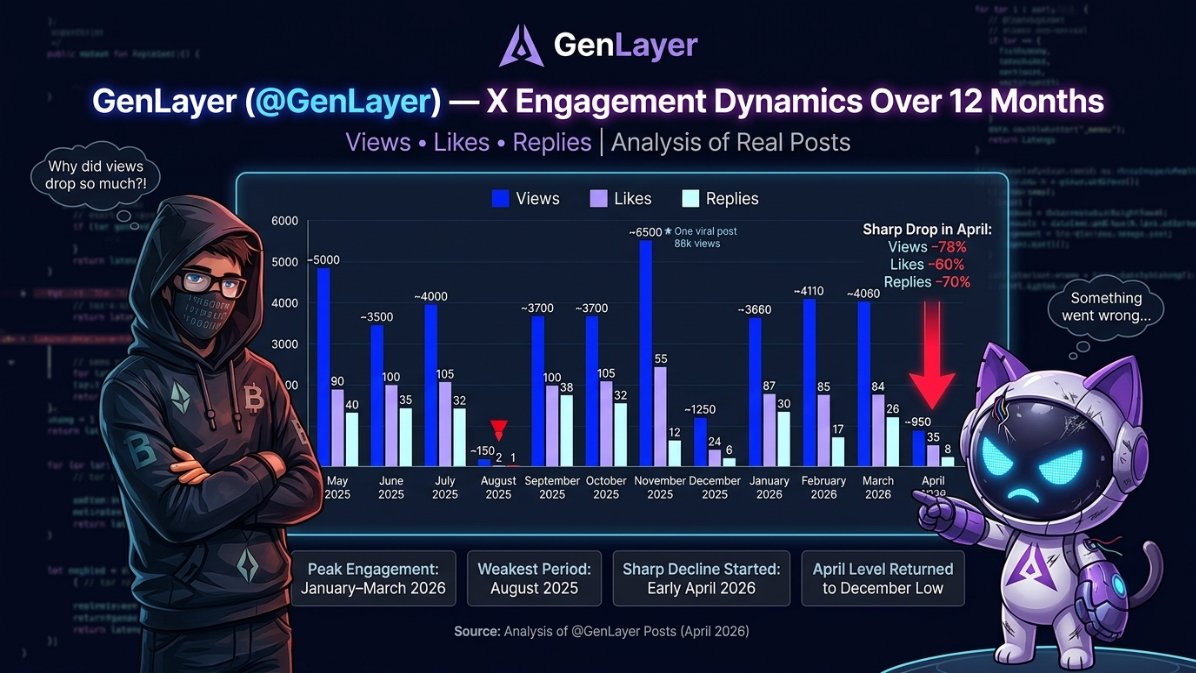
So yeah, I checked the numbers.
That time of the month is here.
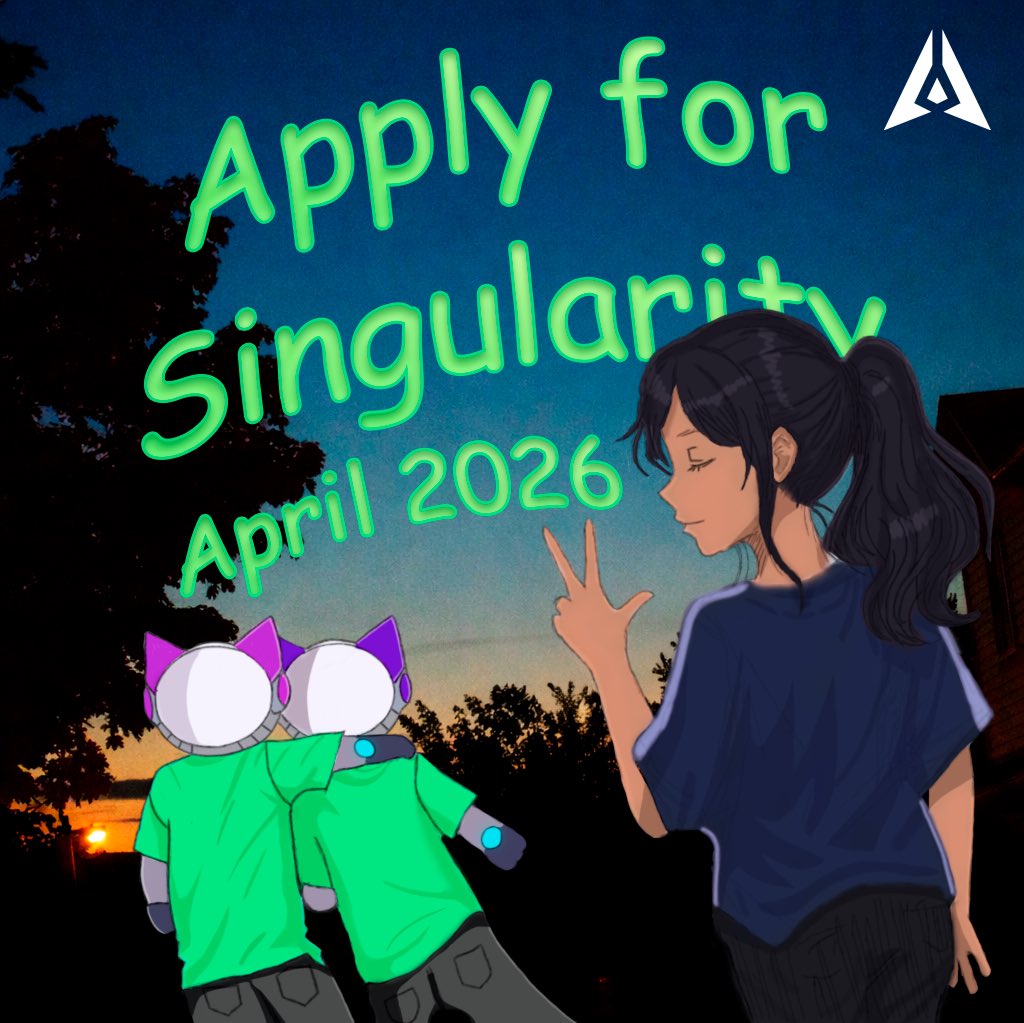
If you believe you’re a true representative of the GenLayer community and meet the requirements, head to our Discord for details.
@RuzgarFlns@Koks1k93 Your call.
Honestly, it’s weird - I never saw you once in that project.
Makes you wonder who slipped you that info… and why.
Think about it, and things might click into place.
I’m really sorry for my words.
But please, take a good look at who’s actually around you.
@Joyanto320@get_optimum Interesting angle. In practice, the real bottleneck isn’t just storage or memory - it’s coordination under load. If Optimum can consistently reduce latency at scale, that’s where it actually becomes meaningful infrastructure.
@IanCrisThea@PerceptronNTWK Clean concept. The real question will be how sustainably the rewards scale once participation grows “idle compute for rewards” only works long-term if demand for that compute actually increases alongside users.
@IanCrisThea@PerceptronNTWK Clean concept. The real question will be how sustainably the rewards scale once participation grows - “idle compute for rewards” only works long-term if demand for that compute actually increases alongside users.
@thesarimzaidi Nice vibe. That “better than yesterday” mindset is what actually keeps communities building long-term - not perfection, just steady progress and consistency.