PPM implantation post-TTVR is common and often challenging. With few known predictors of AV block, we need better tools to identify high-risk patients early.
AV block after Evoque: 55 patients with 14 events -mostly in the first 48h. We detail incidence, clinical course & monitoring strategy. Physiologic studies of AV conduction needed for better risk stratification.
@TiberioFrisoli @MRaadMD@HenryFordHealth
🔗 https://t.co/ZIGQIj15Ep
An incidental RA lead (10y old) microperforation was noted during LVAD implantation - a rare complication (<1%) that can lead to pericardial effusion or hemothorax. While thought to be uncommon, how many subclinical cases go undetected? @HenryFordHealth#EPeeps#Cardiotwitter
Another win for #SinusRhythmTherapy
Temporary restoration of sinus rhythm before ablation of longstanding pers AF significantly increases 1‑year arrhythmia‑free survival, even when patients present in AF at the time of ablation. #EPeeps#CardioTwitter https://t.co/xCYHUN3686
CSP is an effective alternative to BVP in patients with AF undergoing AVJ ablation and pacemaker implantation—more details in our meta-analysis. #EPeeps
🚨Latest #FreeRead Article in
@JICE_EP
Conduction System Pacing vs Biventricular Pacing for Atrial Fibrillation in pts Undergoing AV Junction Ablation: a Meta-Analysis
🧐📖https://t.co/h1dT44C4Eg
by Favour Markson & @MRaadMD#EPeeps
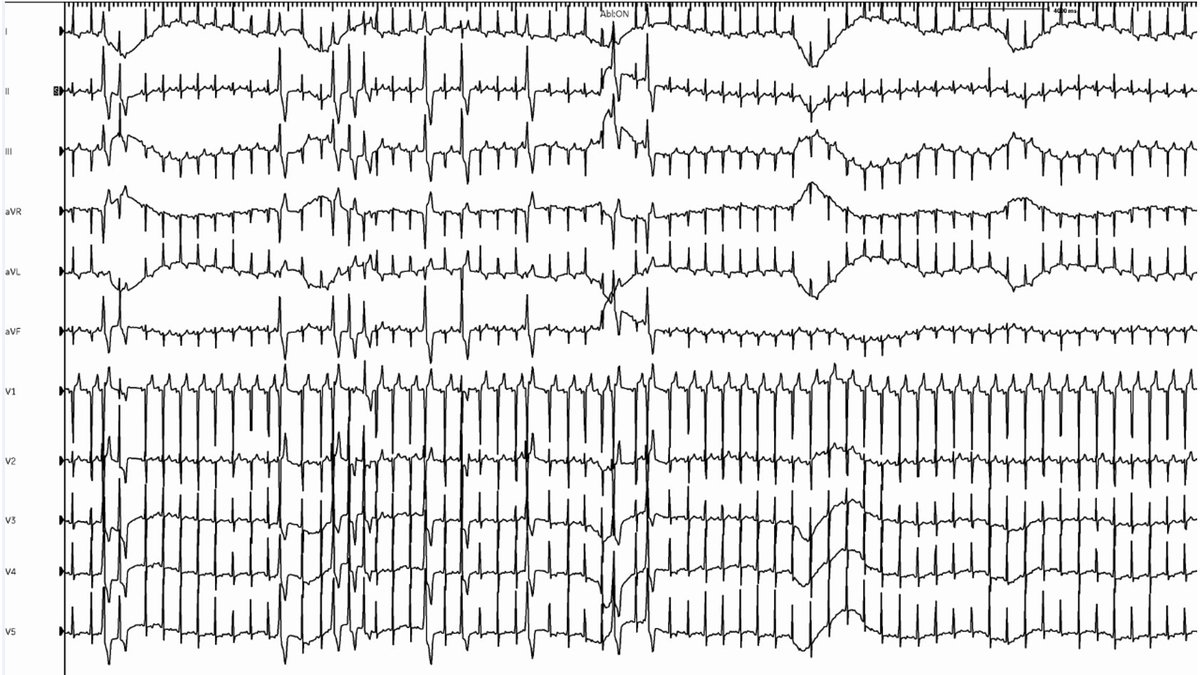
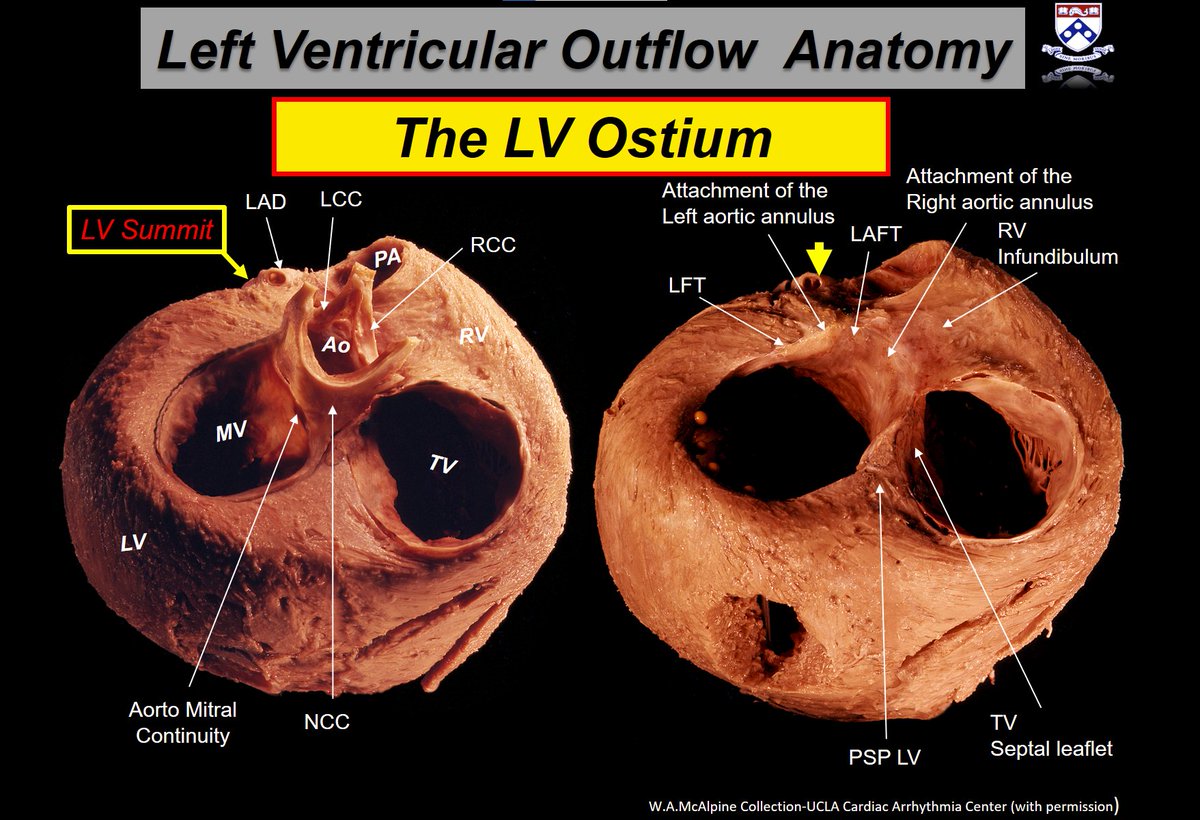
Why stop at 2 birds with 1 stone when you can get 3? @DrFerminGarcia maps the LV annular branch with EP star. 3 distinct PVCs mapped to intraseptal origin. Ablation adjacent to earliest EP* eliminates all 3 PVCs with 1st burn. #Epeeps@Penncardiology@CarliPetersMD @MiguelVldrbno
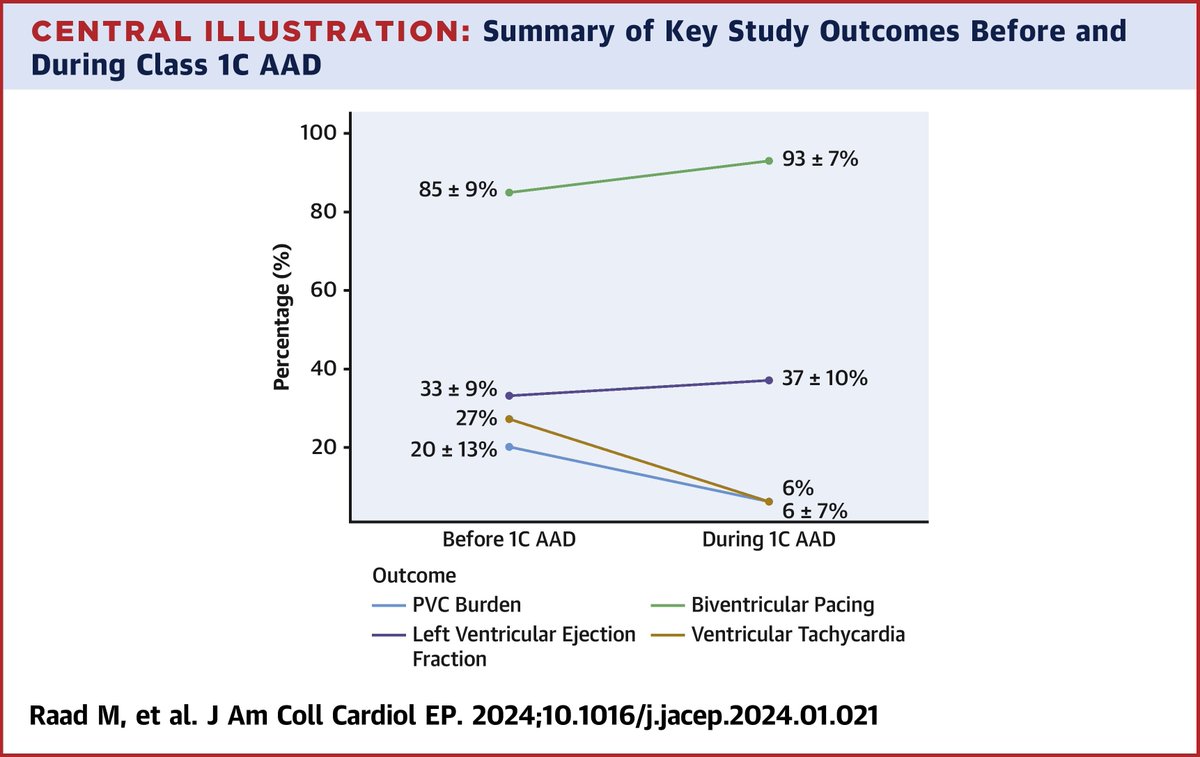
Has the die been CAST?
#EPeeps#Cardiotwitter, how do you feel about 1C AADs in NICM?
Check our experience on 1C AADs for the treatment of PVCs in patients with NICM and ICDs --> Effective PVC and VT suppression with improvement in LVEF and BiV pacing %
https://t.co/fTwW33OqDu
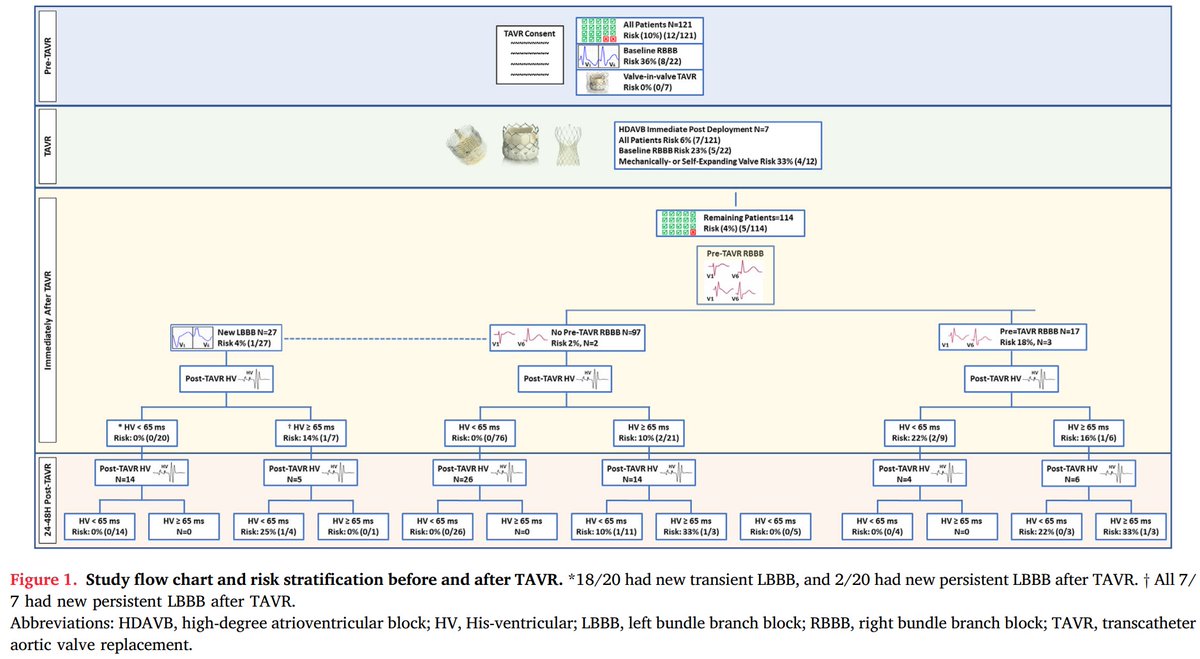
•Patients receiving valve-in-valve implants are at low risk. Moreover, patients with mechanically- and self-expanding valves (N=12) are at a higher risk of HDAVB at the time of valve deployment. The risk was zero in the postoperative course
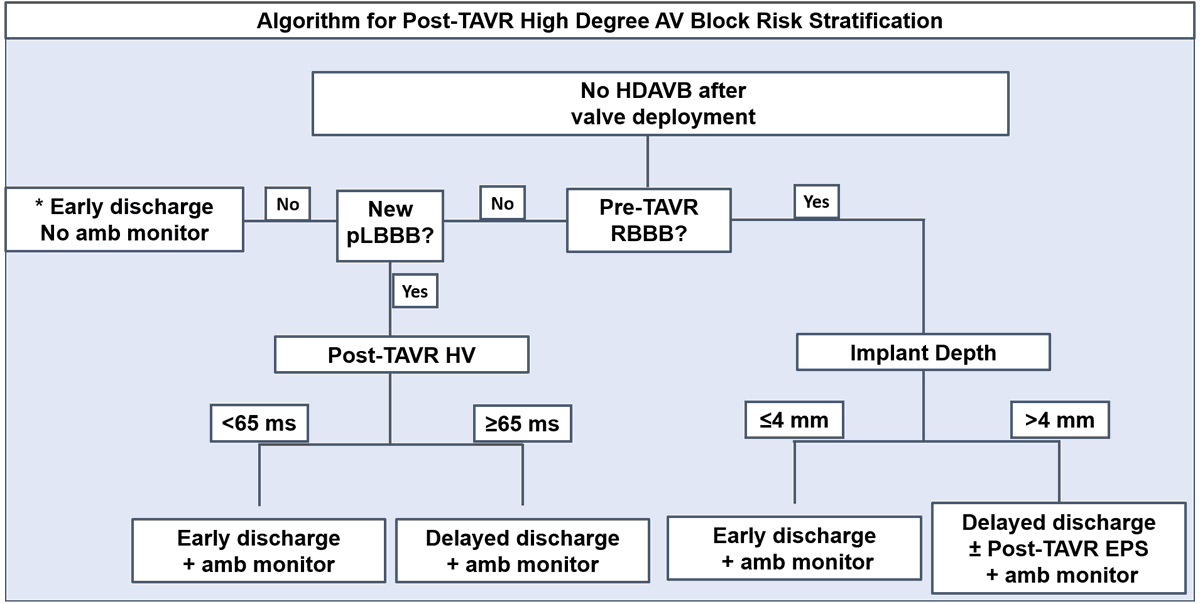
#EPeeps#SHD check our #TAVR Conduction Study results: The EP study's role in AV block risk stratification, identifying low/high-risk patients, and determining optimal post-op discharge timing after TAVR
https://t.co/BRURcfpPLu @HFHCardioFellow @PennEPFellows#cardiotwitter
•This prospective study (N=121) alongside our retrospective study (N=1,049), suggests that a longer postoperative monitoring period may be required for patients with baseline pre-TAVR RBBB (postoperative day 4) and new post-TAVR persistent LBBB (postoperative day 3)
#EPeeps The promise of less invasive sympathetic denervation for VT...congrats to @FilippoCauti & team on continued innovation. Thank you to @JICE_EP for the chance to discuss with @MRaadMD@PennEPFellows the need for a better mechanistic understanding https://t.co/lChh5FU7lX
Excellent editorial by @MRaadMD & @Dr_Markman for recent @JICE_EP paper by @FilippoCauti et al.
Cardiac sympathetic modulation: searching for a simplified approach
📖https://t.co/Zo56z8GIA8
#epeeps Save the Dates of October 11-12, 2024 for the @vtsymposium @ the New York Marriott at the Brooklyn Bridge. Don’t miss attending the premier conference for state-of-the-art information on the pathophysiology & treatment of ventricular arrhythmias https://t.co/UCNISYBakb
A new comprehensive review ✏️ by @gsupple & Mohamad Raad, MD. guides clinicians through optimized strategies for improved procedural outcomes & patient safety during epicardial ventricular tachycardia ablation.
👉 https://t.co/qYbZiC9RfX
#AblateVT#EPeeps@PennEPFellows