“I’d like to start using a prosthesis, get back into sports, and run marathons,” says Maksym, an MSF patient. He was injured in a Russian drone attack and had his left leg amputated. In Ukraine, patients with severe injuries are supported by MSF acute rehabilitation team.
Russian forces are using a variety of drones to attack civilians in Ukraine. Yevhen Bodnar, an anaesthetist with Médecins Sans Frontières, describes the injuries sustained by our patients as a result of these attacks.
“This medical facility was equipped with powerful inverter and battery systems — capable of autonomously supplying electricity to parts of the hospital for extended periods, even during blackouts,” says Yann Minois, MSF project coordinator.
The level of destruction of Ukraine’s energy infrastructure by Russian forces remains critical. People continue to face the consequences of electricity shortages, which are expected to worsen during the summer months.
Kyiv City Clinical Hospital No. 10, which provides care for more than 300 patients receiving inpatient treatment and thousands attending outpatient consultations, asked for MSF's support to secure uninterrupted power supplies for its operating theatres and intensive care unit.
MSF condemns the repeated attacks on civilian and energy infrastructure in Ukraine, which continue to deprive people of electricity, clean water, and access to essential services.
Over the past 24 hours, Russian forces launched more than 600 drones and over 50 missiles across Ukraine, with Kyiv, western regions, and frontline areas among the hardest hit, including Chernihiv, Dnipropetrovsk, Kharkiv, Sumy, Zaporizhzhia, Kherson, and other regions.
“Today’s Kyiv attacks by Russian forces on civilian and energy infrastructure are yet another sobering demonstration that this is a war being waged against people. A reliable power supply is critical for hospitals,” says Christopher Stokes, MSF Senior Humanitarian Advisor.
Russian drone and missile attacks on critical infrastructure are causing power and water outages, including at medical facilities. This video shows how hospitals near the front lines are forced to operate under these conditions.
The life under nets. Russian drones threaten civilians on roads used for evacuations and humanitarian aid delivery. To protect people, some routes are covered with nets. This video shows one such road used weekly by MSF medical teams.
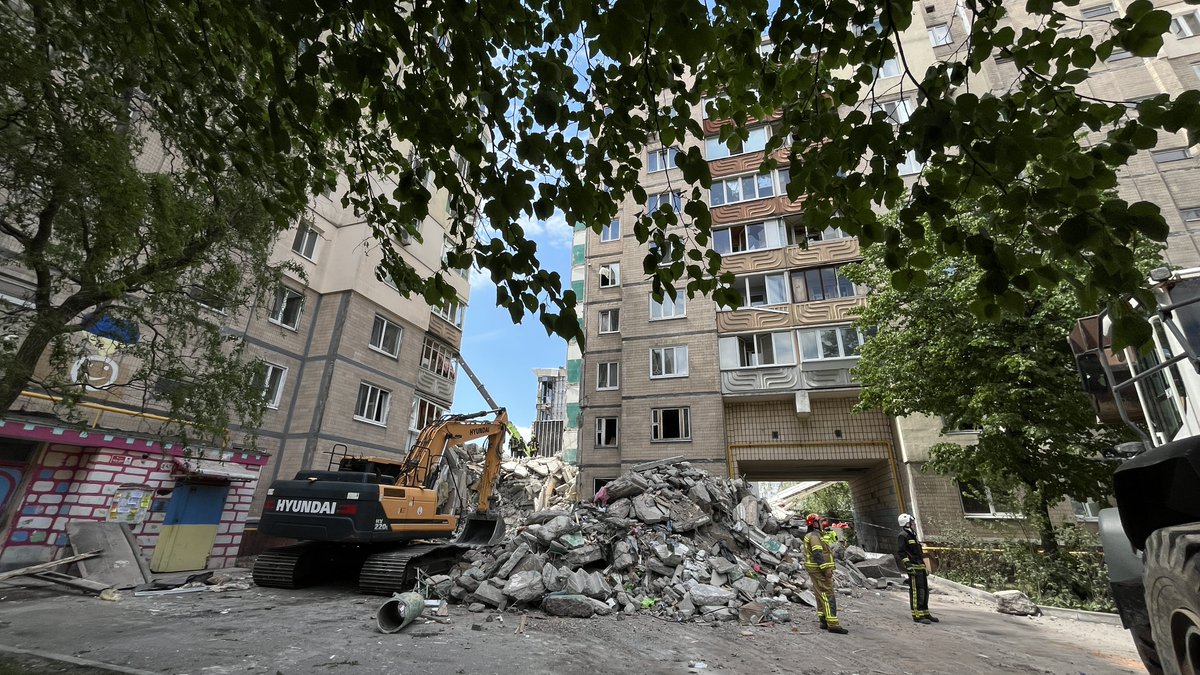
Four years on, Kharkiv continues to face relentless attacks.
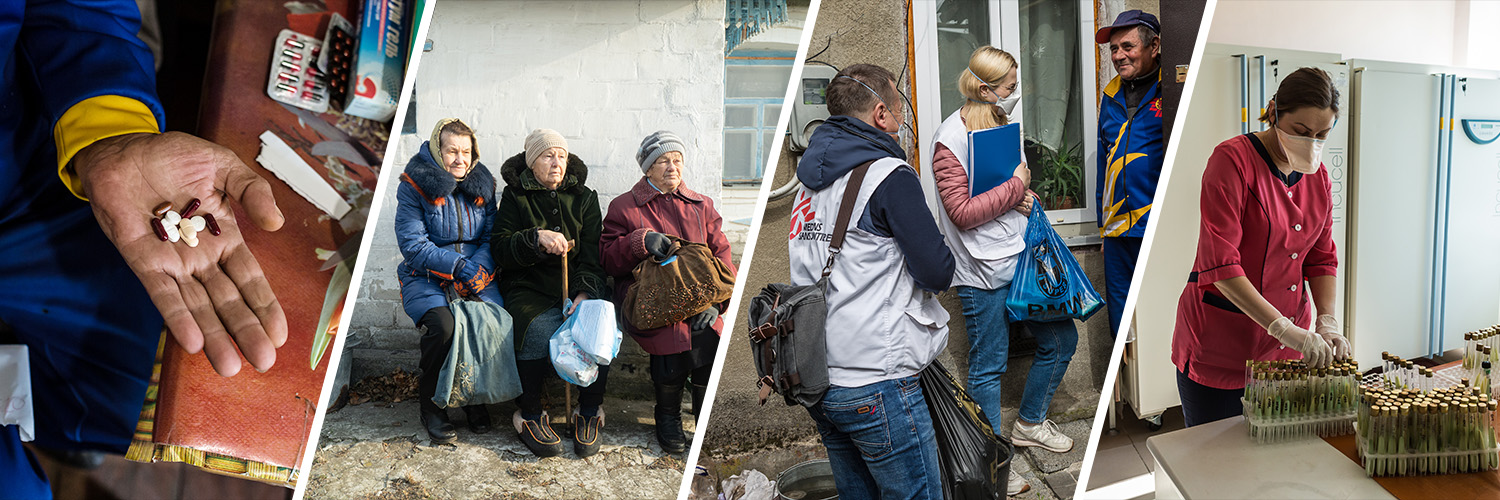
Today, MSF medical teams still run mobile clinics in settlements across the Izium community in Kharkiv region.
“We walked through the tunnels of the Kharkiv metro, carrying our food and medicines and doing mobile clinics”. Javid Abdelmoneim, President MSF International, shares his memories of working in Ukraine four years ago.
We continue to bear witness to the stories our patients shared and the conditions they faced at that time.
Speaking out about what we see is a core principle of MSF.
When chronic turns critical: Ukraine’s silent health crisis. “By the time people reach a doctor, they are often already in critical condition — and sometimes too late,” says Robin Meldrum, MSF Country Director in Ukraine.
“Due to insecurity — attacks on civilian infrastructure, railway, passenger buses — people are afraid to leave their homes,” said Katsa Brenneman, MSF Health Promotion Manager in Ukraine.