Stay up-to-date w/ new findings from basic science, clinical, community health and policy research from investigators at Morehouse School of Medicine (@MSMEDU).
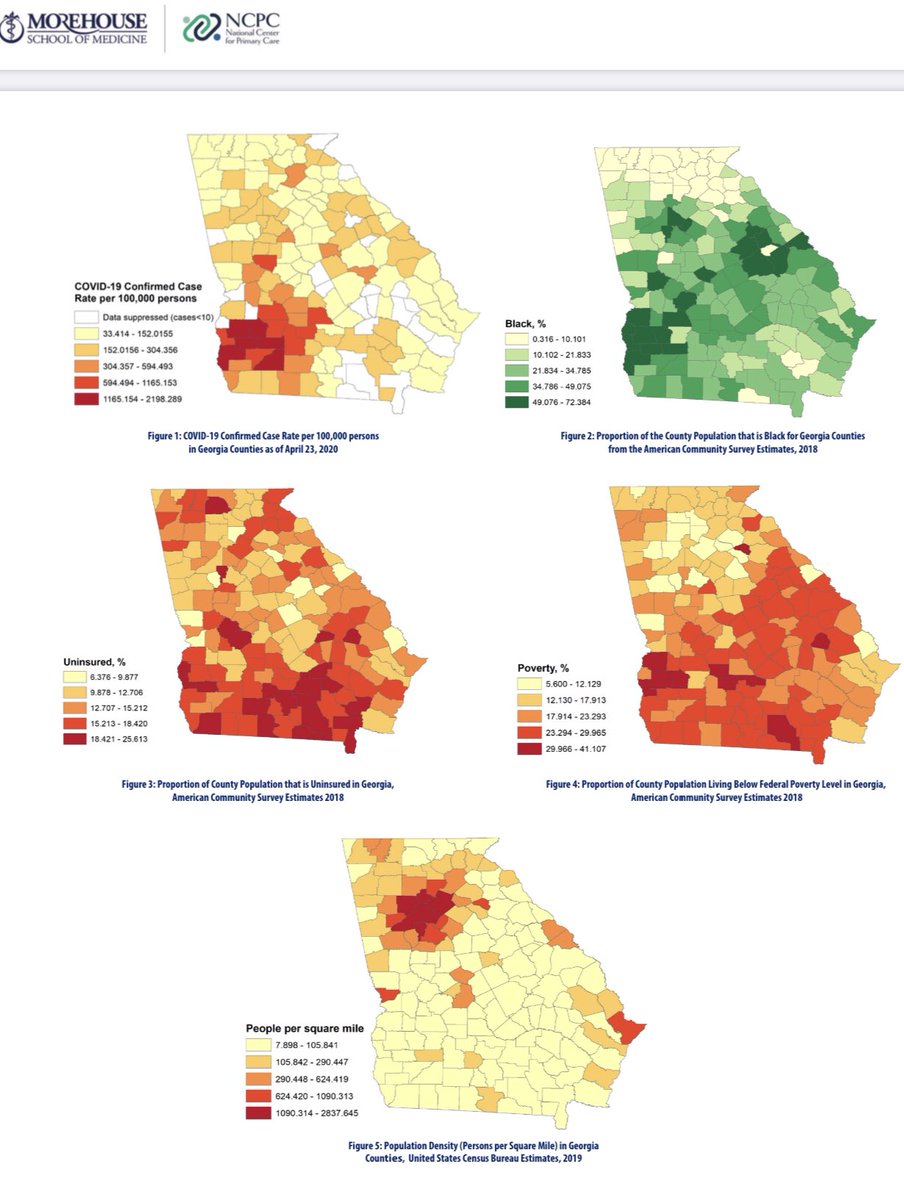
The higher the percentage of black people in a Georgia county’s population, the higher the COVID-19 rate is, a @MSM_NCPC study has found. Findings should guide resource allocation for screening, testing and treatment in these counties. Learn more: https://t.co/ruqTiUi4G3
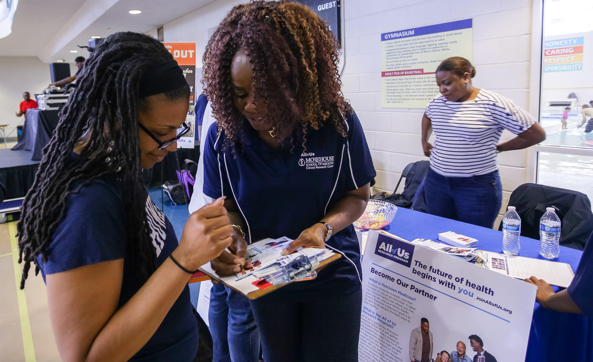
People who decide to become a partner of the All of Us Research Program share information about their health, habits, and what it’s like where they live. Learn how you can become a partner today! https://t.co/PhBlWp5aaO
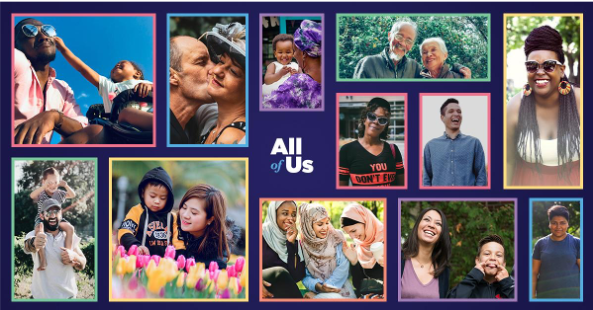
The All of Us Research Program is an effort to help researchers better understand health & disease. The program is bringing communities together with health care institutions to help make it a reality. Learn more how you can get involved. https://t.co/8EZxOZwkE6
Studying emerging pathogens is one of our core research priorities. We’re taking what we know about other diseases like HIV, and pairing it with @PrometraIntl#naturalproducts research to examine the potential impact on #COVID19. Learn more via @ajc: https://t.co/WKcBGk3uDp
“..health care engagement, stigma and policy are drivers of racial-ethnic disparities.” says Dr. McGregor (@work2heal), lead author of new study to identify disparities in rates & types of #depression treatment. https://t.co/as2UkmdNdN
New @MSMEDUresearch from investigators at @SHLIatMSM and @MSM_NCPC find rates of #depression treatment are lower for African Americans and Hispanics, compared with Caucasians when they analyzed a nationally representative sample of #Medicaid beneficiaries. https://t.co/Xc4WbqVWrx
KSCMHE Associate Director of Policy @mdouglas1313 will be a panelist for a new virtual series hosted by @Ctr4chr. On May 4th they will discuss mental health disparities, particularly states failing mental health parity laws! Register today!!
https://t.co/nq4ueo6cr6
Watch pt. 2 of the latest episode in our Speaker Series w/ @CreatetheGood, @AARPBlackCom, @MSMEDU + @nbcusa_inc for a special conversation on #healthresearch in the African American community. ⬇️ #JoinAllofUs#NMHM2020
*Taped prior to physical distancing: https://t.co/LkDktYlzdA
Mark your calendars! We're celebrating 2 years of @AllofUsMSM. Join us as we chat about the importance of research to address #healthdisparities in the black community. Register here: https://t.co/rTN5pk6h6t
We agree @jason_r_DC. Recent estimates from the @MSM_NCPC (@docahg) at @MSMEDU report that the number of people with Alzheimer’s disease & related dementias (ADRD) will double by 2060, impacting minorities hardest. https://t.co/fxUYdYtkJw
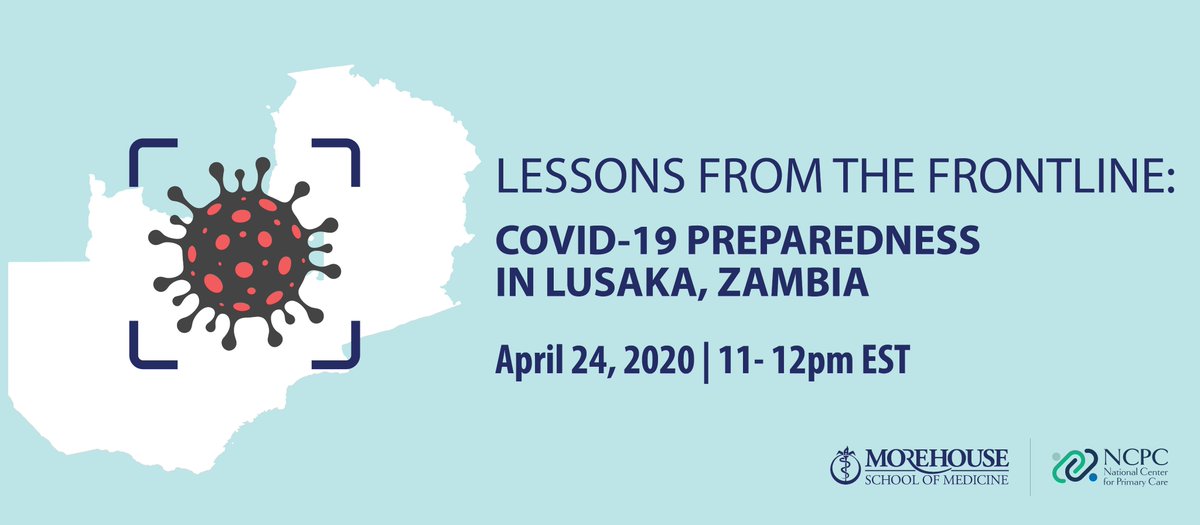
Register to hear Dr. Dominic Mack from the @MSM_NCPC and Dr. Walkitria Smith @mhctelemedicine share insights on addressing challenges when adapting to new clinical guidelines and the opportunities for using #telehealth during the #COVID19#pandemic. https://t.co/hoYND46F5L
We've added some #COVID19 questions to see how #primarycare clinicians are using digital health tools during the pandemic.
Are you using #telemedicine for the first time? #healthequity#telehealth
Sign up to take the survey: https://t.co/4MjrxHHYx8
“...once we look back & crunch the numbers, the disparities will be appalling, like they have been every time there has been a crisis. Again, we have an opportunity to change the outlook,” says @DanielEDawes about #COVID19 inequities via @Essence https://t.co/7cQPwPCJJW
Hey Dads! During #shelterathome, consider talking with your sons about their health. "Fathers are an underutilized resource in stopping the cycle of racial health disparities," says @MSM's Dr. Latrice Rollins (@latrice_rollins) via @washingtonpost https://t.co/D77iOW6Y58
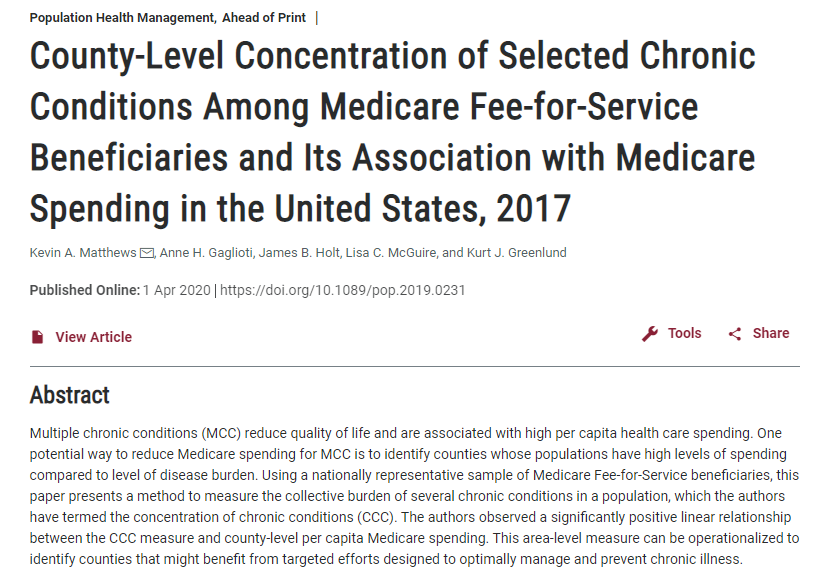
Another new publication out from our Research Director & family doc @docahg & collaborators from @CDCgov. Findings are relevant to #COVID19 bc areas with high burdens of chronic conditions are likely to have higher morbidity and mortality due to virus
https://t.co/6abpcfOMcl
New @MSMEDUresearch from investigators at @SHLIatMSM and @MSM_NCPC find rates of #depression treatment are lower for African Americans and Hispanics, compared with Caucasians when analyzing a nationally representative sample of #Medicaid beneficiaries. https://t.co/stL7566NBo