You have goals. We have the program. ✅ Accelerated 8-week classes 🛜 100% online 💰 No out-of-state tuition 🧑🏫 Apply now for Spring 2027 and learn from faculty who support your next move.
@tsrc_org@TXState_RC@NBRC_tweets@txsthealth
Spirometry quality starts with communication! A 2026 @respcare study linked language barriers to lower-quality FEV1/FVC testing. RTs can help bridge the gap through effective coaching and interpreter support. @TXState_RC@aarc_tweets@NBRC_tweets#PFT https://t.co/d1eCwxB4wa
𝗙𝘂𝘁𝘂𝗿𝗲 𝗔𝗽𝗽𝗿𝗼𝗮𝗰𝗵𝗲𝘀 𝗳𝗼𝗿 𝗔𝗰𝘂𝘁𝗲 𝗥𝗲𝘀𝗽𝗶𝗿𝗮𝘁𝗼𝗿𝘆 𝗗𝗶𝘀𝘁𝗿𝗲𝘀𝘀 𝗦𝘆𝗻𝗱𝗿𝗼𝗺𝗲 (𝗔𝗥𝗗𝗦)
Decades of fruitless searching for effective pharmacotherapies have prompted a reappraisal of the syndromic approach to ARDS and have highlighted the ways in which the marked clinical, biologic, and physiological heterogeneity of the syndrome may hinder identification of effective treatments. In other fields of medicine (e.g., oncology), identification of discrete biologic subtypes has enabled dramatic improvement in patient outcomes. Similar approaches to identifying biologic, physiological, and radiologic subphenotypes are being applied in ARDS, with potentially promising results (seen in figure). More broadly, the movement toward subphenotyping in ARDS parallels broader philosophical changes in critical care, as the field considers whether syndromic definitions of ARDS and sepsis need to change. Although these syndromes have been vital in developing the current standard of care, the concept of “treatable traits” (i.e., a specific biologic or physiological mechanism that responds to a particular intervention and transcends syndromic diagnoses) is gaining increasing traction.
Learn more about ARDS: https://t.co/zlAPmKOEpa
🏈 I get the Pac-12 rules. The title game was set after Week 12, & both teams drew road games. But if we’re calling it Flex Week, let’s flex. TXST & SDSU tied for second. SDSU took round one 31–29. Imagine round two. Winner gets Boise. #MissedOpportunity. #EatEmUp@TXState_RC
🫁 Cuándo iniciar ventilación no invasiva en la exacerbación de EPOC? | GOLD 2027
La ventilación mecánica no invasiva (VMNI) es la modalidad inicial de soporte ventilatorio en pacientes hospitalizados por exacerbación de EPOC con insuficiencia respiratoria aguda que sean candidatos.
🚨 GOLD señala al menos una de estas indicaciones
🧪 Acidosis respiratoria → PaCO₂ ≥45 mmHg y pH arterial ≤7.35.
😮💨 Disnea intensa con fatiga muscular o mayor trabajo respiratorio → uso de músculos accesorios, movimiento abdominal paradójico o retracción intercostal.
📉 Hipoxemia persistente pese al oxígeno suplementario.
#EPOC #GOLD2027 #VMNI #VentilaciónMecánica #MedicinaDeUrgencias #MedicinaCrítica #FOAMed #MedTwitter
Boko stopped by our booth for #BobcatDay! 🐾🫁
Come meet our first-year respiratory therapy students at the @TXState_RC booth, try your hand at “bagging” a real pig lung, and watch it inflate. While you’re here, ask us how RTs help patients breathe! @txst@txsthealth#moreRTs
Can real-time feedback improve neonatal resuscitation? A 2026 simulation study found respiratory function monitoring reduced mask leak and improved ventilation performance. Another reason hands-on RT training matters! @tsrc_org@TXState_RC#moreRTs https://t.co/QfpjDLhm7s
2/ Every RT knows that moment. Kwame got him on oxygen & a pulse ox, called for a second tank when his sats stalled, and stayed until he started breathing. Well done, Kwame! 👏 @aarc_tweets@NBRC_tweets#RespiratoryTherapy#RTLife
https://t.co/6N6AC2vYZk
1/ Over Canada, 4 hrs from NYC, a passenger on a United flight from Tokyo was on the floor. Face blue. Fingers blue.
The doctor next to Kwame White volunteered to help. He tapped her shoulder and said he was a respiratory therapist. Her reply: "Oh, thank God." 🫁 @TXState_RC
A short report by Shaikh and co-workers evaluated the feasibility of estimating functional residual capacity in mechanically ventilated children using a single-breath de-recruitment method compared with a nitrogen washout method.
https://t.co/bFneO4zaRJ
COPD care goes beyond inhalers! The new GOLD 2027 report emphasizes early diagnosis, pulm rehab & individualized care. RTs play a vital role in assessment, exercise training, & patient education. @aarc_tweets@NBRC_tweets@TXState_RC#COPD#GetYourMSRC https://t.co/DOm7AHTtFl
An inhaler only works when used correctly! A 2026 study of 575 asthma/COPD patients found 73.4% made critical inhaler errors. RTs are taught to assess technique, correct errors & teach patients about their prescribed medications. @tsrc_org@TXState_RC https://t.co/3Db0pRaOLn
🫁 COPD care goes beyond inhalers.
From triple therapy and newer medications to pulmonary rehabilitation and respiratory support, treatment must be individualized.
Explore Part II of APCCMPD's COPD teaching series:
https://t.co/ujmH8WXl6v
#PCCM#meded#pulmCCM#PCCMedEd
Is a low residual AHI enough to confirm effective CPAP therapy? A 2026 SLEEP study highlights residual breathing disturbances & hypoxemia that device downloads may miss. RTs: Look beyond AHI when assessing PAP outcomes. @tsrc_org@TXState_RC#SleepMedicine https://t.co/C7mr2cW0VA
Can high-flow nasal oxygen help open the airway? 🫁 See how the pharyngeal airway and glottic view change as heated, humidified flow rises from 0 to 70 L/min—positive pressure in action. @WWLNHS@WWLCCOT@YorksAmbulance
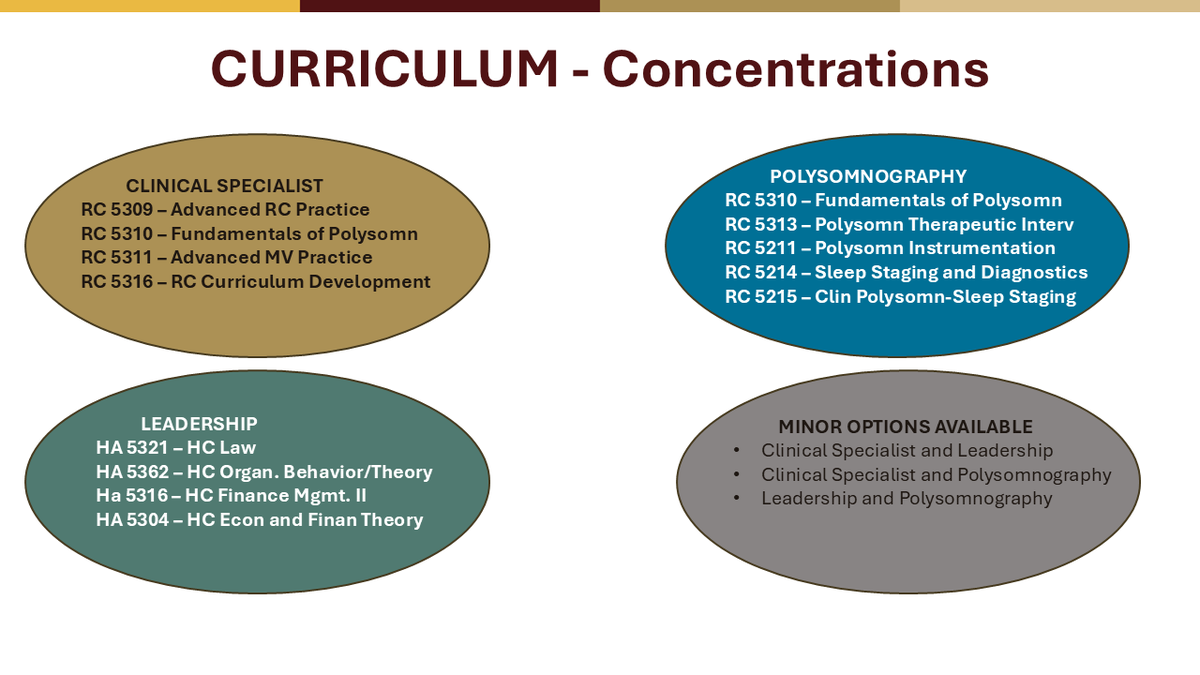
Where could your respiratory care career take you next? Texas State's 100% online MSRC offers 3 concentrations: Clinical Specialist, Polysomnography & Leadership. Choose your path! @tsrc_org@TXState_RC#RespiratoryCare@aarc_tweets https://t.co/bYJZL2MCKP
Herrera et al did a combined bench and pediatric clinical study examining the accuracy of plateau pressure & derived respiratory-system compliance across modes of ventilation, lung conditions, inspiratory-effort levels, and inspiratory-hold durations.
https://t.co/mnHB9SMpos
2/2 Respiratory muscle weakness deserves targeted assessment! RTs can evaluate MIP/MEP, identify weakness, and help develop individualized respiratory muscle training plans with appropriate resistance, progression, and reassessment. @tsrc_org@TXState_RC#RespiratoryCare#RMT
1/2 Can targeted RM training improve function in COPD? A 2026 review of 13 trials found that IMT improved inspiratory strength and walking performance, even without significant improvements in FEV1. @TXState_RC@aarc_tweets@NBRC_tweets#RespiratoryCare https://t.co/kAg6tugIWq