Up next in our Lab Member Spotlight series is @yaksbmb
Fun fact: With Ben, you can never quite tell whether he’s serious, joking, or just keeping you guessing! :D
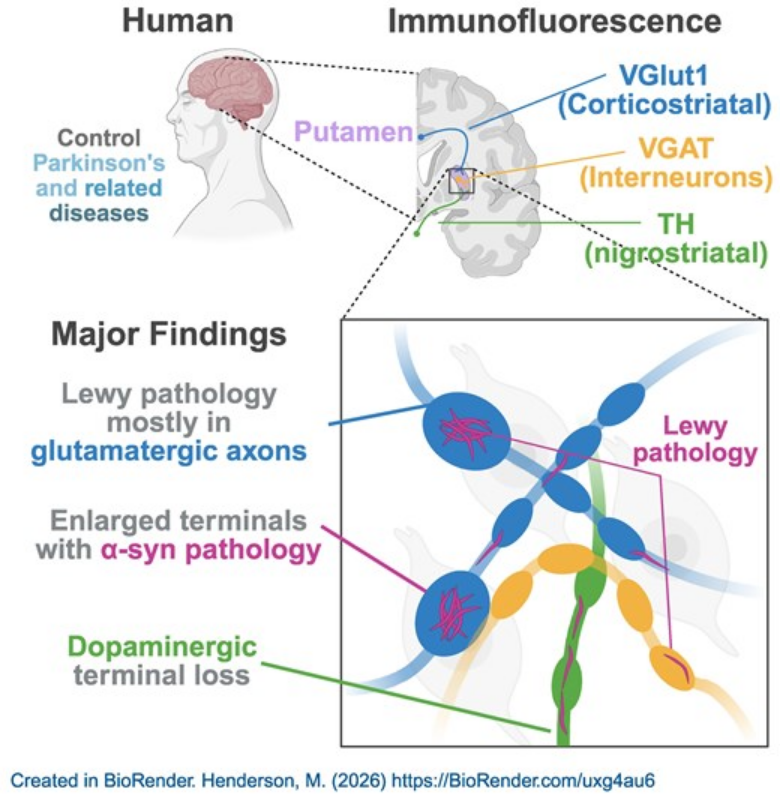
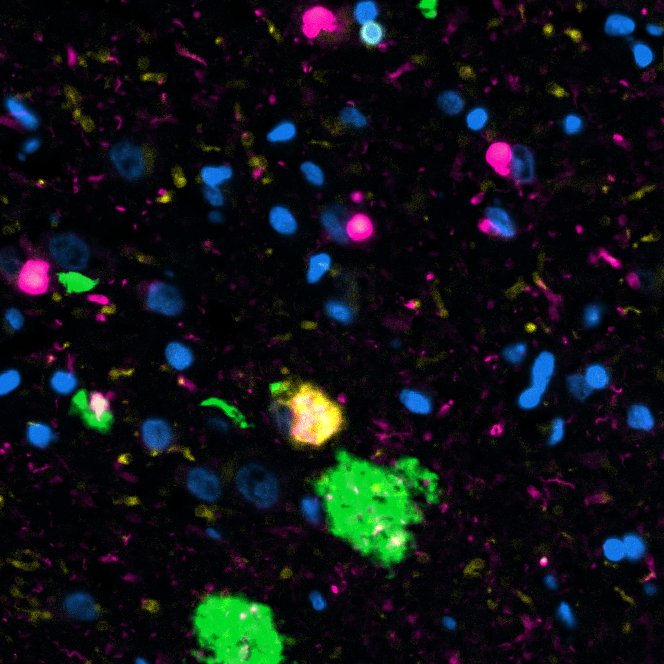
New research from @MXHend & @VAInstitute colleagues suggests "that Lewy pathology accumulates at excitatory corticostriatal synapses prior to overt synaptic degeneration and could contribute to cognitive decline in Lewy body diseases"
https://t.co/sBX1rVvL3e
Out now. A collaboration with Sofia Lövestam, Masato Hasegawa and Sjors Scheres. We report that tau filaments extracted from the brains of individuals with Alzheimer’s disease and corticobasal degeneration breed true in the brains of wild-type mice. https://t.co/hAgJiZhBFY
We are kicking off a new initiative this month: Lab Member Spotlight. We will be highlighting a different member each month to showcase our talented team in the Henderson Lab! Our first featured lab member is Kevin Kurgat! Thank you for all of your hard work, Kevin!
We’re hiring a Postdoc in the Henderson Lab @ Van Andel Institute!
Join our team studying neurodegenerative disease across scales (molecular → circuits). Flexible, high-impact projects and strong mentorship.
Apply: https://t.co/QJFXnmLiIy
Please share!
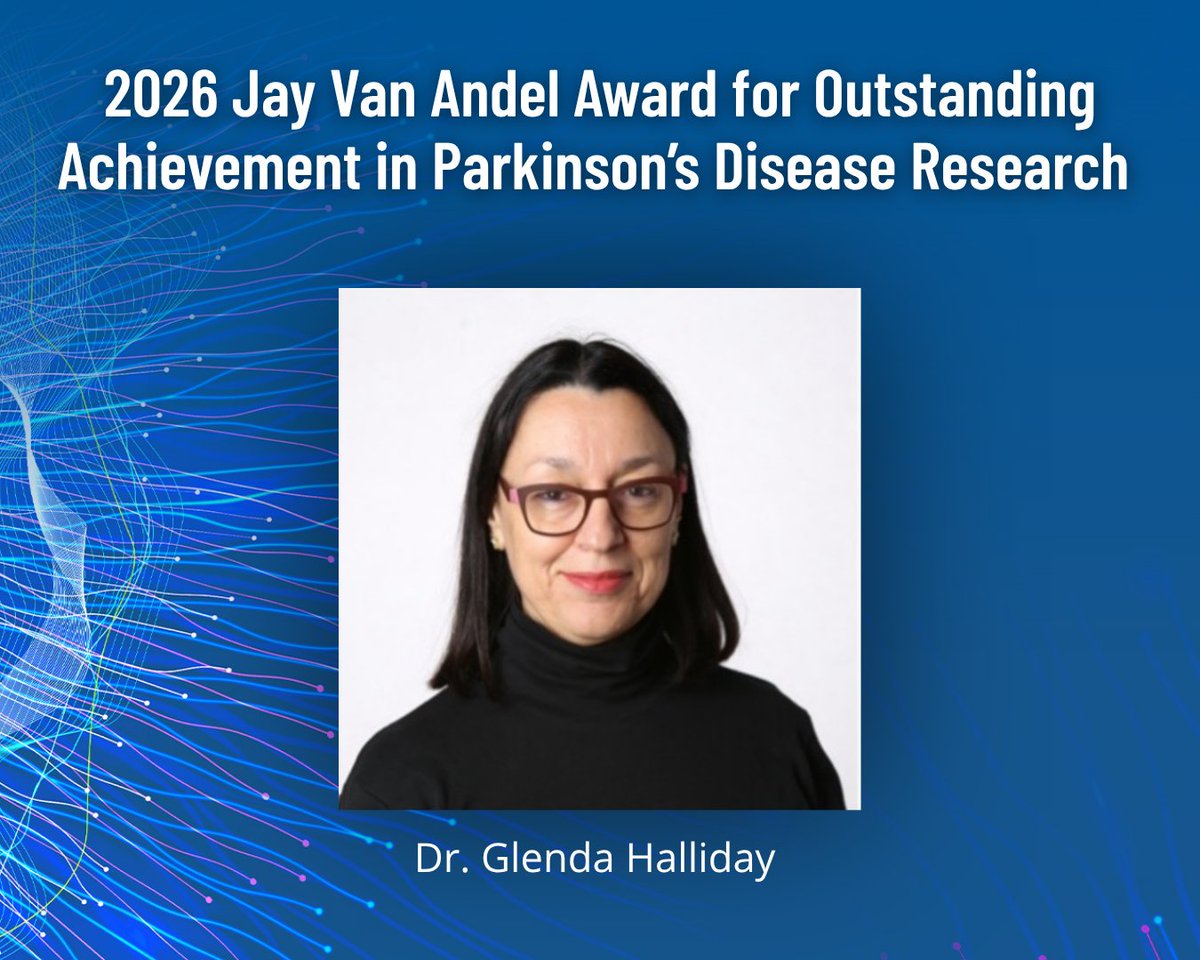
We are excited to recognize renowned scientist Glenda Halliday, Ph.D., as the recipient of the 2026 Jay Van Andel Award for Outstanding Achievement in Parkinson’s Disease Research!
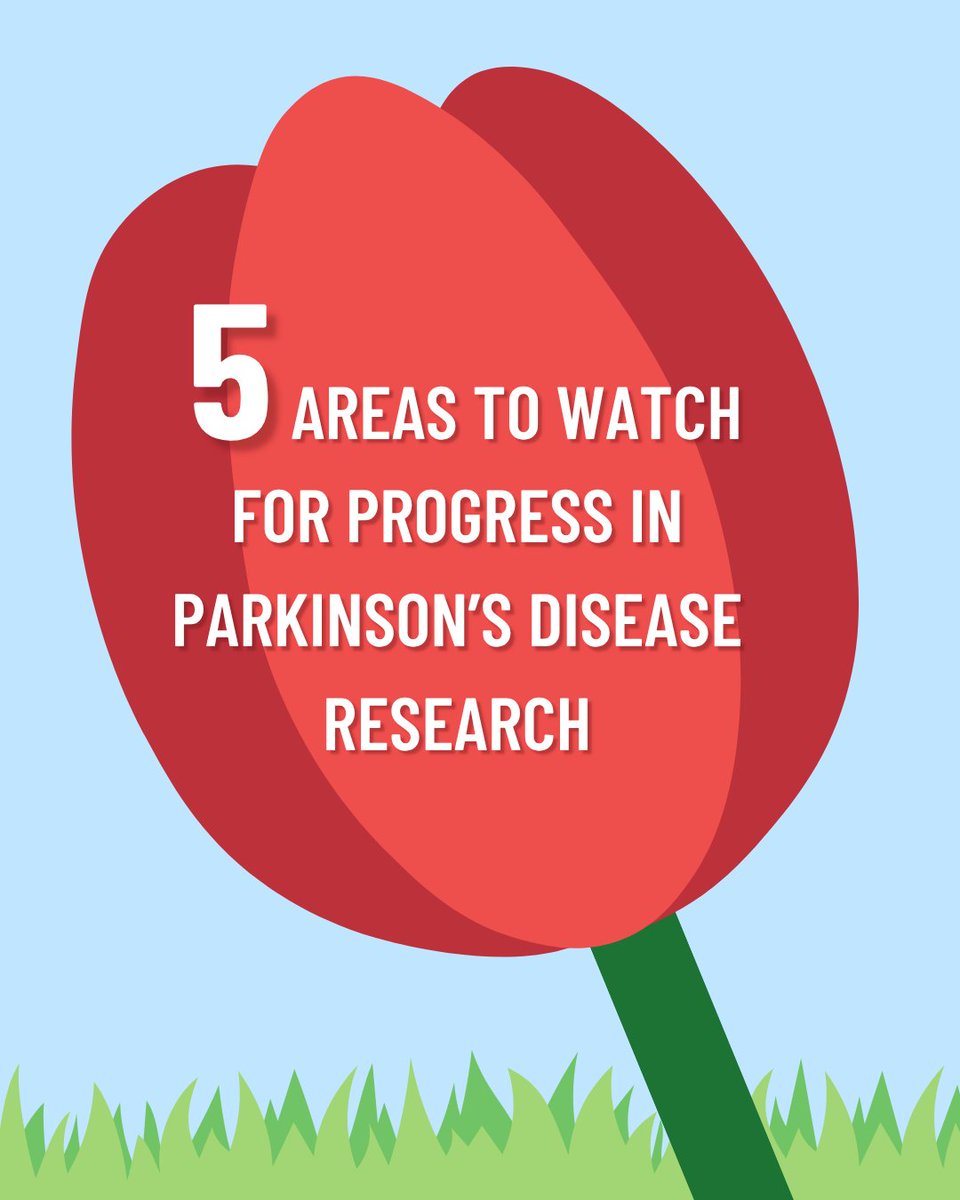
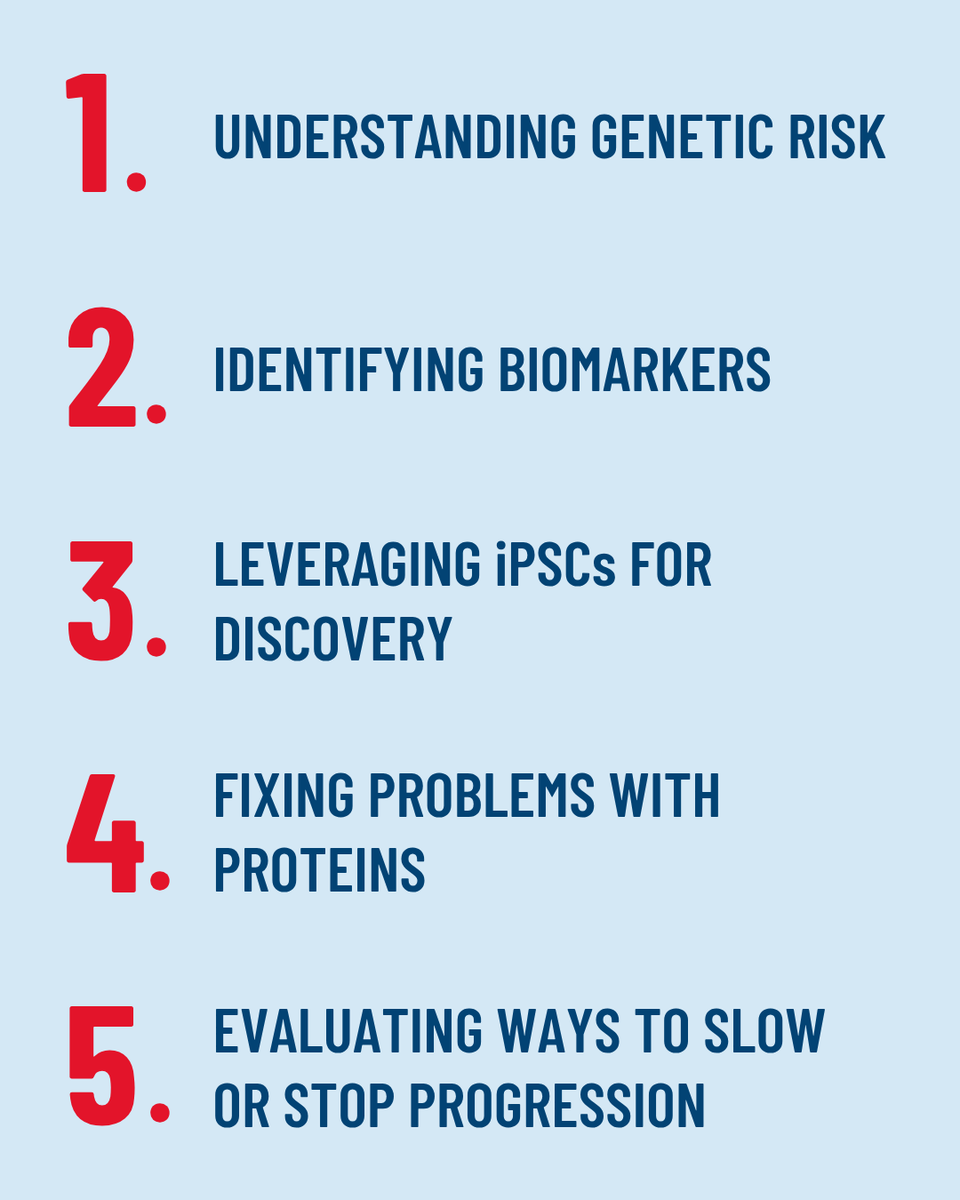
What’s on the horizon in Parkinson’s disease research? In honor of #ParkinsonsAwarenessMonth, VAI’s Dr. Darren Moore highlights five areas to watch for breakthroughs in Parkinson’s research.
The first time you start a research lab, there’s no manual.
So I made one.
A practical toolkit for postdocs and early-career faculty launching their first lab: hiring, startup planning, collaborations, and building a sustainable research program.
https://t.co/a30LLykjKq
Can a chronic stomach infection influence #Parkinsons disease risk? Recent findings by VAI’s @MXHend and colleagues reveal how infection by the H. pylori bacterium may influence the risk and progression of Parkinson’s.
❗🧠 New review in IEEE RBME
How network math models are reshaping how we think about neurodegenerative disease, from brain dynamics to disease progression
"Network models of neurodegeneration: bridging neuronal dynamics and disease progression"
https://t.co/TXOwvjznTV
New paper from @MXHend & @VAInstitute colleagues reports Helicobacter pylori infection & #Parkinsons-associated α-synuclein pathology drive parallel neurodegen. pathways in the substantia nigra; H. pylori infection doesn't exacerbate α-synucleinopathy
https://t.co/c6HQlBjGxW
Exciting study of Alzheimer's plasma biomarkers in a community sample. The finding I was most surprised by was this plot of biomarker prevelance by education. Education reduces incidence of AD, but this shows it also prevents biological markers of AD! https://t.co/yzhbvRjLir
A study by @MXHend and collaborators found that an unstructured layer surrounding the Alzheimer’s-related protein tau plays a critical role in recruiting other proteins to misfold in Alzheimer’s progression. The findings were published in @NatureComms.
https://t.co/e74JqOVheu
Synuclein sinkholes snare lysosomal repair proteins. Without them, lysosomes leak, spilling synuclein seeds into the cytoplasm. Does this speed up pathology? @MPI_Biochem https://t.co/nrCqVUofc8
Congratulations to Dr. J. Timothy Greenamyre, recipient of the 2025 Jay Van Andel Award for Outstanding Achievement in Parkinson’s Disease Research! Dr. Greenamyre received the award today at the Grand Challenges in Parkinson's Disease symposium: https://t.co/pyX2lzXe5N