This GPT made By. @atulkhekade
👉https://t.co/N0dsoPv8wD
<Question 1>
❓Why haven't many DApps been built on it like Ethereum?
Answer👉 The XDC Network is relatively new compared to Ethereum, lacking the long history and vast developer community advantages Ethereum has. Ethereum was the first major platform for smart contracts and DApp development, evolving a broad ecosystem and toolset over time. Meanwhile, the XDC Network is establishing itself with a focus on specific functionalities and performance, particularly in trade finance use cases, and is expected to attract more developers and projects over time as it establishes itself.
<Question 2>
❓From a developer's perspective, what advantages might the XDC Network have over Ethereum?
Answer👉 From a developer's standpoint, the XDC Network offers several advantages over Ethereum. Firstly, XDC provides faster transaction processing speeds and lower transaction costs, which can be beneficial for large-scale use cases or DApp development. Additionally, XDC is compatible with the EVM (Ethereum Virtual Machine), allowing Ethereum developers to easily migrate existing code and use similar development tools and frameworks. These features make the XDC Network an attractive option for developers eager to adopt it quickly.
<Question 3>
❓Speed and low fees are features many chains have. What makes the XDC Network stand out?
Answer👉 The XDC Network differentiates itself by offering specialized use cases and solutions, particularly in the trade finance area. This means XDC leverages its strengths in security, performance, and cost-efficiency as a corporate blockchain solution aiming to solve real-world problems in finance, supply chain management, etc. Additionally, XDC continues to invest in technological innovations, such as enhancing compatibility with the EVM through the Andromeda upgrade and supporting developers to easily deploy code across various EVM chains.
<Question 4>
❓If it's a corporate blockchain, will there always be a lack of demand from retail users?
Answer👉 While there are concerns that corporate blockchains may struggle to attract retail user demand, platforms like the XDC Network aim to provide comprehensive solutions that benefit both corporations and retail users. By supporting corporate applications while facilitating the development of DApps for retail users through fast transaction speeds, low fees, and EVM compatibility, the XDC Network can stimulate retail user participation over time.
<Question 5>
❓Will users find products that combine RWA tokenization, such as trade finance invoice factoring, with DeFi as attractive as yield strategies available on Ethereum, L2s, and other chains?
Answer👉 Users may find products that combine real-world asset (RWA) tokenization, such as trade finance invoice factoring, with DeFi attractive compared to yield strategies offered on Ethereum, L2s, and other chains. Platforms like the XDC Network, optimized for specific financial and trade finance services with low transaction costs and fast processing speeds, could offer competitive advantages in RWA tokenization. These features may provide new yield opportunities distinct from existing Ethereum-based DeFi products, presenting an appealing alternative for users.
<Question 6>
❓For Vaults that automate portfolio investment strategies, combining RWA tokenized assets could offer safer and more sustainable yields, right? Then, what are the advantages of RWA tokenized products utilizing the TradeFinance area over traditional RWAs like real estate, government bonds, or gold?
Answer👉 RWA tokenized products in the TradeFinance area particularly offer unique advantages through fast liquidity, transparency, and low transaction costs. This allows for more flexible capital allocation and quicker realization of returns compared to traditional RWAs like real estate, government bonds, or gold. Specifically, trade finance plays a crucial role in the global economy, and tokenizing it allows investors to increase accessibility to diversified trade transactions worldwide, contributing to diversity and risk distribution.
<Question 7>
❓Integrating asset tokenization products in the trade finance area into decentralized lending services could enrich Yield strategies and offer attractive APYs, right?
Answer👉 Integrating asset tokenization products in the trade finance area into decentralized lending services can help generate more diverse and stable yields than traditional DeFi Yield strategies. This integration provides investors with attractive APYs, expanding access to a broader asset class and investment opportunities, and building a more sustainable revenue model through risk diversification.
<Question 8>
❓Would integrating XDC Network into popular cross-chain, bridge products among existing Ethereum holders, by wrapping ETH into XDC Network assets for use in XDC Network's DeFi products, facilitate easier adoption? And could there be any potential issues with this strategy?
Answer👉 Using cross-chain bridges to wrap ETH into XDC Network assets to onboard Ethereum users onto the XDC Network could facilitate user adoption. This strategy allows users to explore XDC Network's DeFi products with familiar assets. However, potential issues include security vulnerabilities, bridge reliability, and managing the value stability of wrapped assets. These issues can be minimized with thorough security measures and continuous monitoring.
<Question 9>
❓Could zk bridge solutions help solve bridge security issues?
Answer👉 zk bridge solutions could help resolve bridge security issues. Utilizing Zero-Knowledge proofs, this solution verifies the validity of transactions while protecting users' private information. This significantly improves security for asset transfers through bridges, especially ensuring the safe transfer and integrity of assets.
<Question 10>
❓Then, while the native assets of other chain ecosystems exploring the XDC Network are important, I think deploying native USDT on the XDC Network is also crucial given its high liquidity and adoption rate. What do you think?
Answer👉 The deployment of major stablecoins like USDT within the XDC Network is particularly important. Given USDT's high liquidity and widespread adoption, it can expand the XDC Network's user base and facilitate asset movement and transactions within the network. Stablecoins act as a bridge, making it easier for ecosystem users from other chains to explore the XDC Network and participate in its DeFi services or applications. Therefore, deploying native USDT on the XDC Network could play a significant role in the network's growth and ecosystem expansion.
#XDCNetwork
When it comes to transaction throughput, #XDCNetwork leads the pack! With a lightning-fast #TPS rate, $XDC outshines competitors like $BTC, $ETH and more, offering unparalleled speed & efficiency for #Blockchain transactions.
Join the race for seamless transactions with #XDC!
XVC Tech announced the funding of €2M round in @boleromusic_. Bolero is on a mission to create a future where music creators benefit from a sustainable & fair income by leveraging blockchain technology & smart contracts.
Don't miss their upcoming podcast https://t.co/cU0N14Y2TC
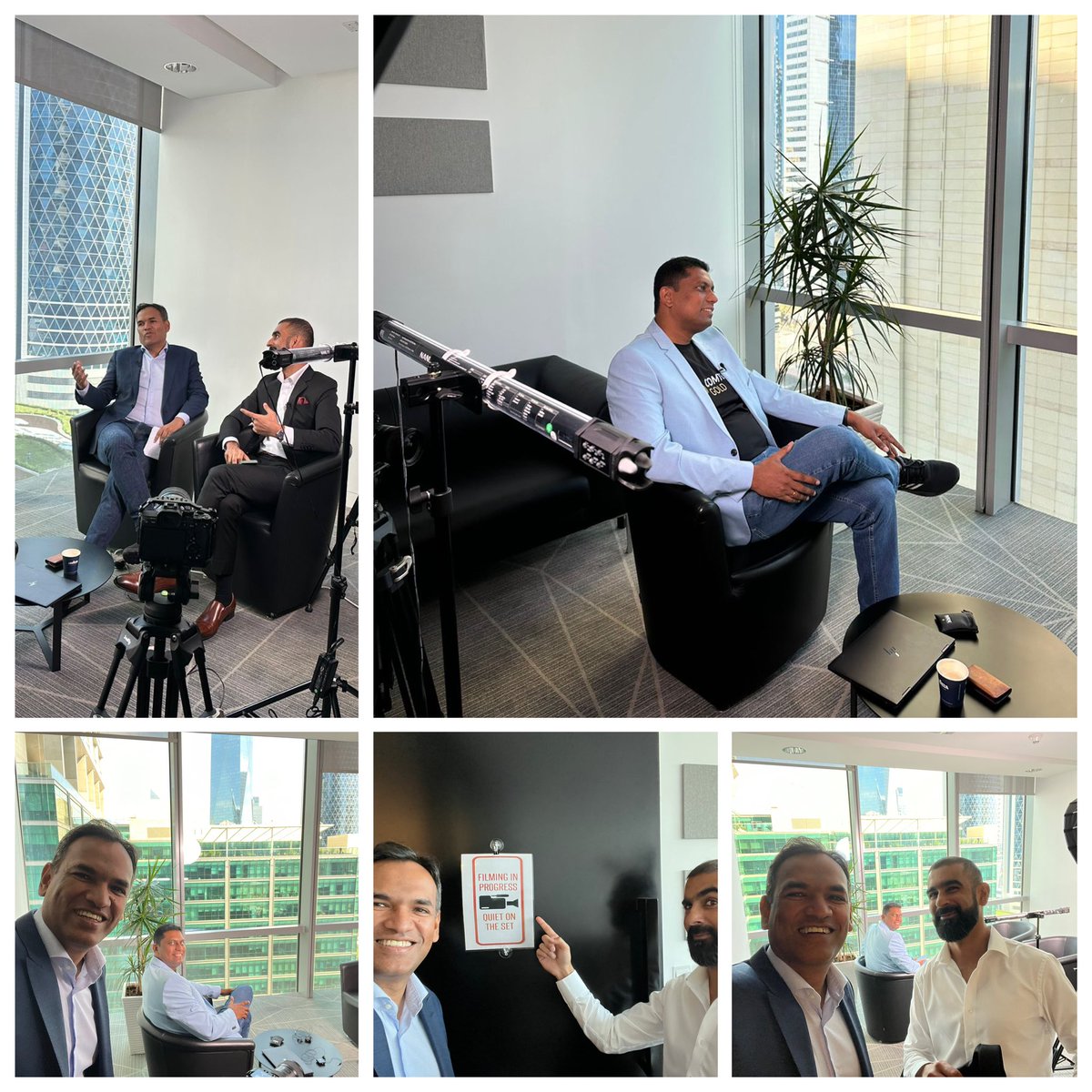
The esteemed #fintech advisor and #tradefinance grandee @AndreCasterman et al in the recap video of the #tradetetech experts speaking at @XinFin_Official Powering $XDC Network offices in Dubai last Thursday. They provided a deep dive into the "Use of #digitalassets in trade finance".
Speakers showcased how #tokenisation and digital asset technologies are enhancing trade finance and lending practices across origination and distribution. They also expanded to tokenised gold used as collateral and a future trade-based token.
Recap of the Finance and Tech Workshop!🌟
We thank all the esteemed panel of #tradetech experts who gave insights at the joint ITFA / XDC Network fintech workshop: "Use of Digital Assets across Trade Origination and Distribution," held in Dubai last Thursday! 🌟
Special gratitude to:
- André Casterman, Casterman Advisory and ITFA
- Aneel Sabir, Enigio
- Ronit Ghose, Citi
- Christoph Gugelmann, Tradeteq
- Atul Khekade & Ritesh Kakkad, XDC Network
- Kalyan Basu, Vayana TradeXchange
- Sunil Senapati, XDC Trade Network
- Navin Dsouza, ComTech Gold
- Joshua Kroeker, Mitigram
- Manuel Rensink, Fathom
- Saloi Benbaha, TradeFinex
Their presentations shed light on how tokenization and digital asset technologies reshape trade finance and lending practices, paving the way for innovative solutions across origination and distribution. The possibilities are endless, from tokenized gold as collateral to future trade-based tokens!
Thank you to all who attended in person. Your engagement and participation made the event truly special.💼🌐
#XDCNetwork #TradeFinance #DigitalAssets #Innovation #RWA #RealWorldAsset #GlobalTrade #RWAs
XDC Network's Dapp #TradeFinex's Head of institutional Partnerships Saloi Benbaha will be speaking at Trade Tech Forum 2024 host by World Economic Forum , Ministry of Economy - UAE , Abu Dhabi Department of Economic Development.
📅 27th Feb, 2024.
📌 AbuDhabi
#TradeTech24
@lcx@StorXNetwork Bullish on $SRX! StorX Network's focus on storage and computing protocols positions it perfectly for the AI-driven future.
#Nvidia , #OpenAI , and others will need such solutions! #Crypto#TechTrends
Incorporating the transformative power of artificial intelligence (AI) into the DaoFin framework marks a significant advancement in the XDC Network's approach to decentralized governance.
Read more on https://t.co/WvXYPNtKsf https://t.co/N20rOjW0uC
#XDCNetwork#AI#DaoFin#DAO