Un tipo que sobrevive probando medicamentos, donando semen y compartiendo piso con dos desastres humanos.
Y entonces aparece Lara.
¿Novela negra o manual para sobrevivir en este mundo de mierda?
Reseño a @JordiDausa, publicado por @papelilloed. 👇
https://t.co/y8HuxkZGNi
Miles Davis beaten up by the NYPD outside the Birdland Jazz Club for walking a white girl to a cab and having a cigarette, 1959.
On August 25, 1959, legendary jazz trumpeter Miles Davis experienced a brutal encounter with the New York City Police Department that exposed the racism Black Americans could face even at the height of their professional success. Davis was 33 years old, internationally recognized as one of the most influential musicians in jazz, and performing at the famous Birdland nightclub in Manhattan. Yet none of his fame protected him from police violence.
That evening, Davis had just finished a performance and stepped outside the club during a break. He had accompanied a white woman named Judy to a taxi and remained on the sidewalk to smoke a cigarette. Standing beneath the Birdland marquee, which prominently displayed his name, he was approached by a white police officer, Gerald Kilduff, who ordered him to move along.
Davis questioned why he should leave when he was working inside the club. He pointed toward the marquee and explained that he was the performer whose name was displayed above the entrance. According to Davis's later account, the officer did not care and threatened to arrest him if he refused to move. Davis stood his ground.
As the confrontation escalated, a struggle developed between Davis and the officer. A plainclothes detective, Donald Rolker, then intervened and struck Davis repeatedly on the head with a nightstick. Blood ran down his clothing as a crowd gathered outside the nightclub. He was arrested and taken to the police station, where he spent the night. He required stitches for his head injuries.
The incident became national news, with photographs showing Davis in his bloodstained clothing. He was charged with disorderly conduct and assaulting a police officer, despite witnesses questioning the police version of events. In January 1960, he was acquitted of the assault charge. The judge reportedly criticized the case, describing it as a travesty of justice to find the victim of an illegal arrest guilty.
@9thwonder that's essentially the story of any cultural movement or form of artistic expression. It began on day one and will continue until the very last day of hip-hop’s existence. Being part of this culture, or simply feeling that you belong to it, also means being aware of this tension
@9thwonder Hip-hop has always been commercialized, commodified, appropriated, and repackaged by others. Broadly speaking, its history has been a constant push and pull between appropriation and preservation, between exploitation and cultural stewardship.
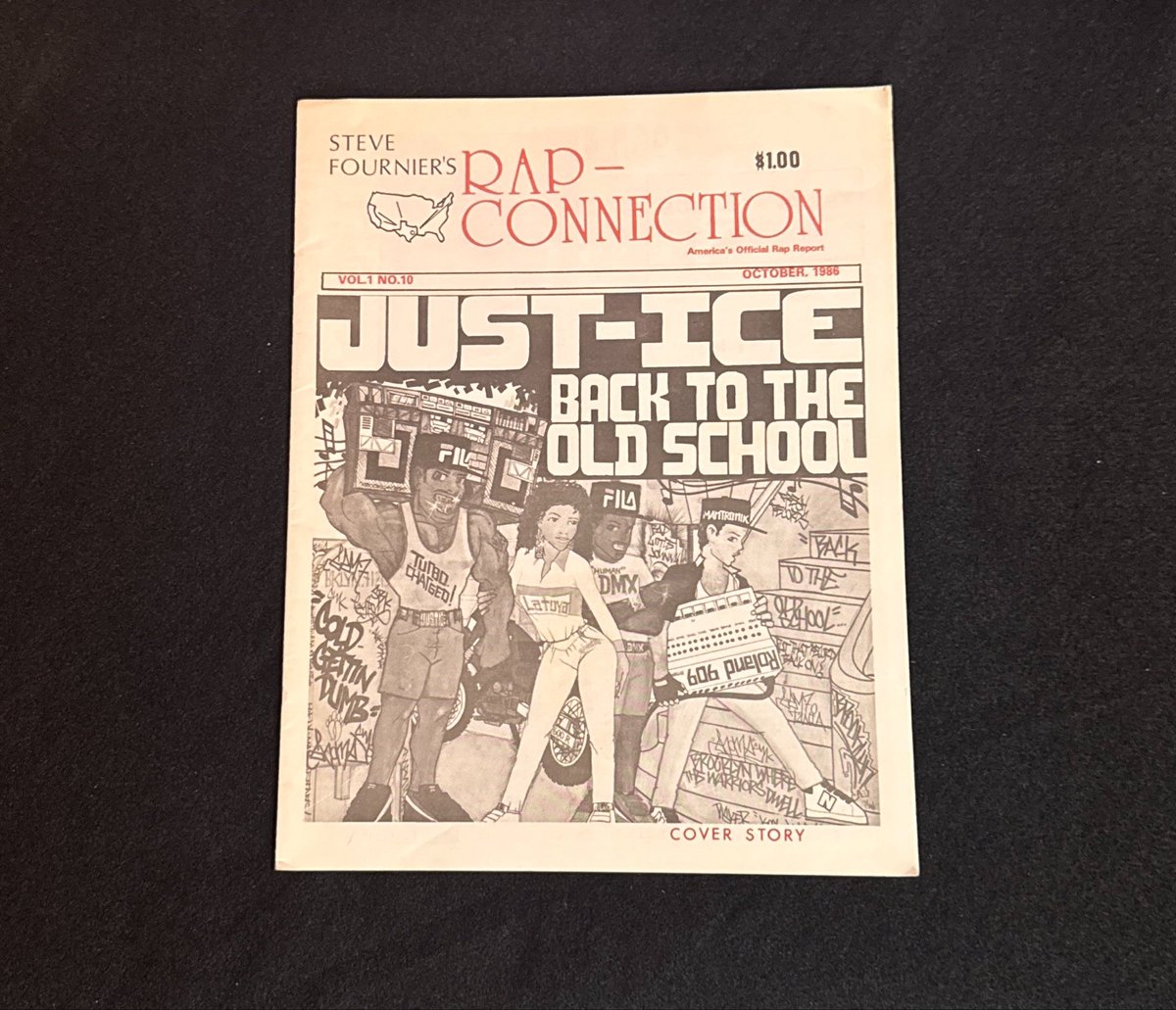
With more than 1,000 subscribers and distribution reaching radio stations, record companies, and schools, Rap-Connection helped connect Houston’s developing Hip Hop community with the rest of the country.
la parte en la que dice n***s quieren escuchar esto? puedo hacer esto todo el dia. bien de mercadotecnia from the begining. Olvidate de ese idilio que te metieron en el boo yahh.
1st realeza hip hop de H-Town. Abajo izqda Steve Fournier, primer Dj en sonar Rap. Dj Darryl Scott, 1st Dj en bajar el pitch, antes que Screw. Captain Jack, Dj de Rhineston Wrangler, club donde se forjan Willie D y K Rino (arriba izqda y centro). Facemob y J prince.
DJ Screw speaking on how his Chopped and Screwed mixtapes became so popular, people would line up outside of his house to buy personalized tapes [2000] 🔥
Y cuatro años despues @BIGBROTHABOB de la
@CryptaMag fam escribe el articulo definitivo sobre la code y su impacto cultural en Houston. RIP DJ Screw RIP Big Moe. PIllanos aqui
https://t.co/xB6yGzomAy
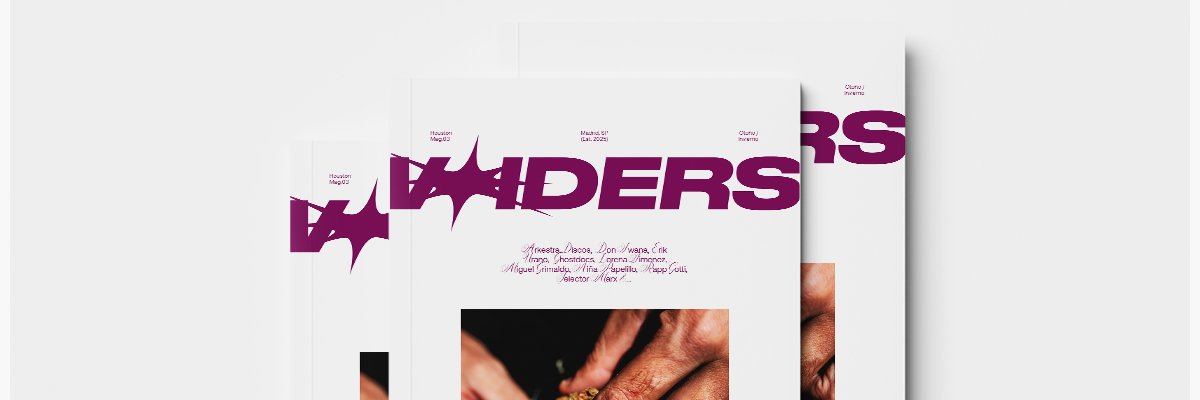
16/11 de 2022 lanzamos un particular SOS a los medios. 4 años despues, subidos en nuestro magazine de papel y de tinta, seguimos en la misión. MAG.03 contiene 80 pags dedicadas a la historia del hip hop en Houston y atravesadas por la vida y obra de Dj Screw. Larga vida Robert.
@selectormarx
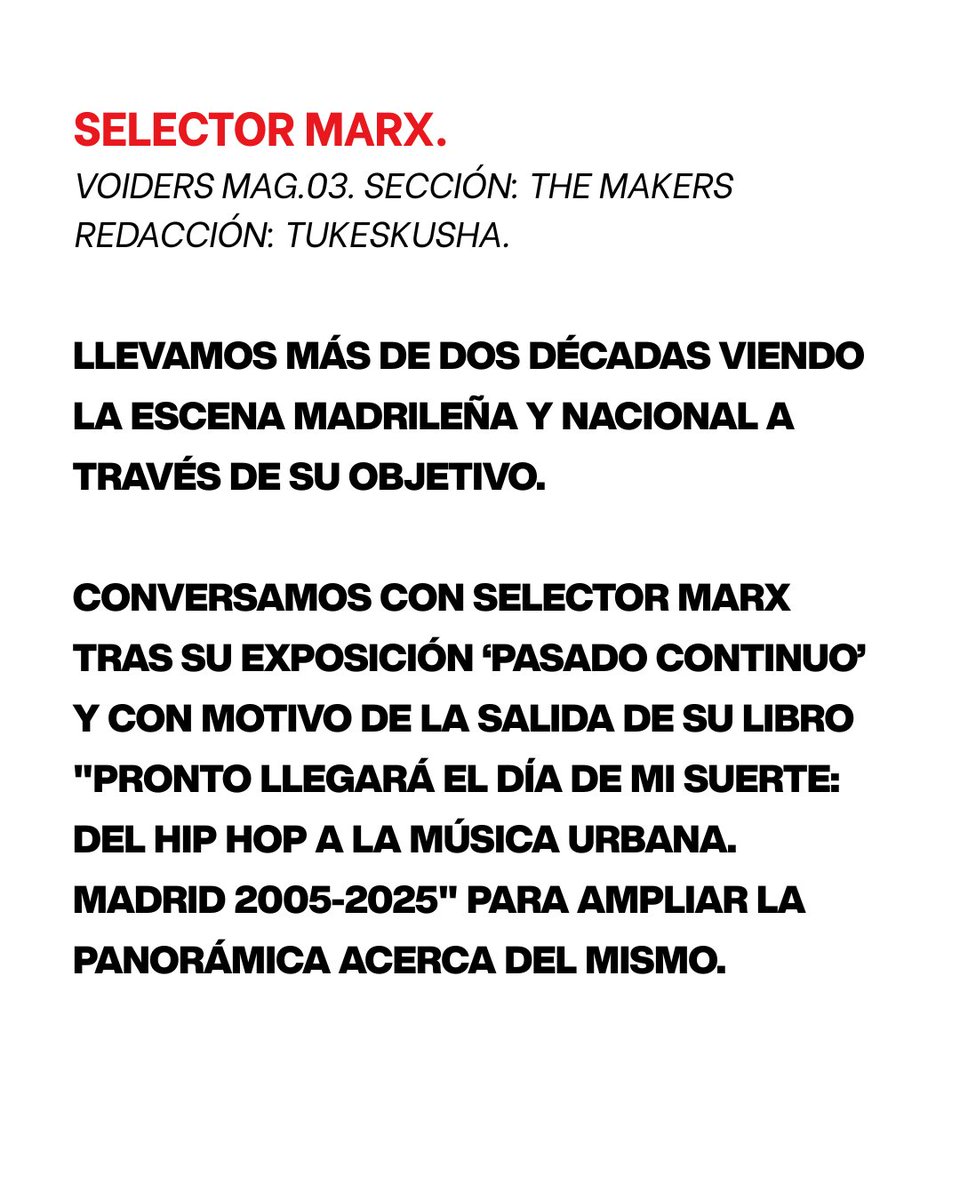
voiders mag.03. sección: the makers
redacción: @tukeskusha.
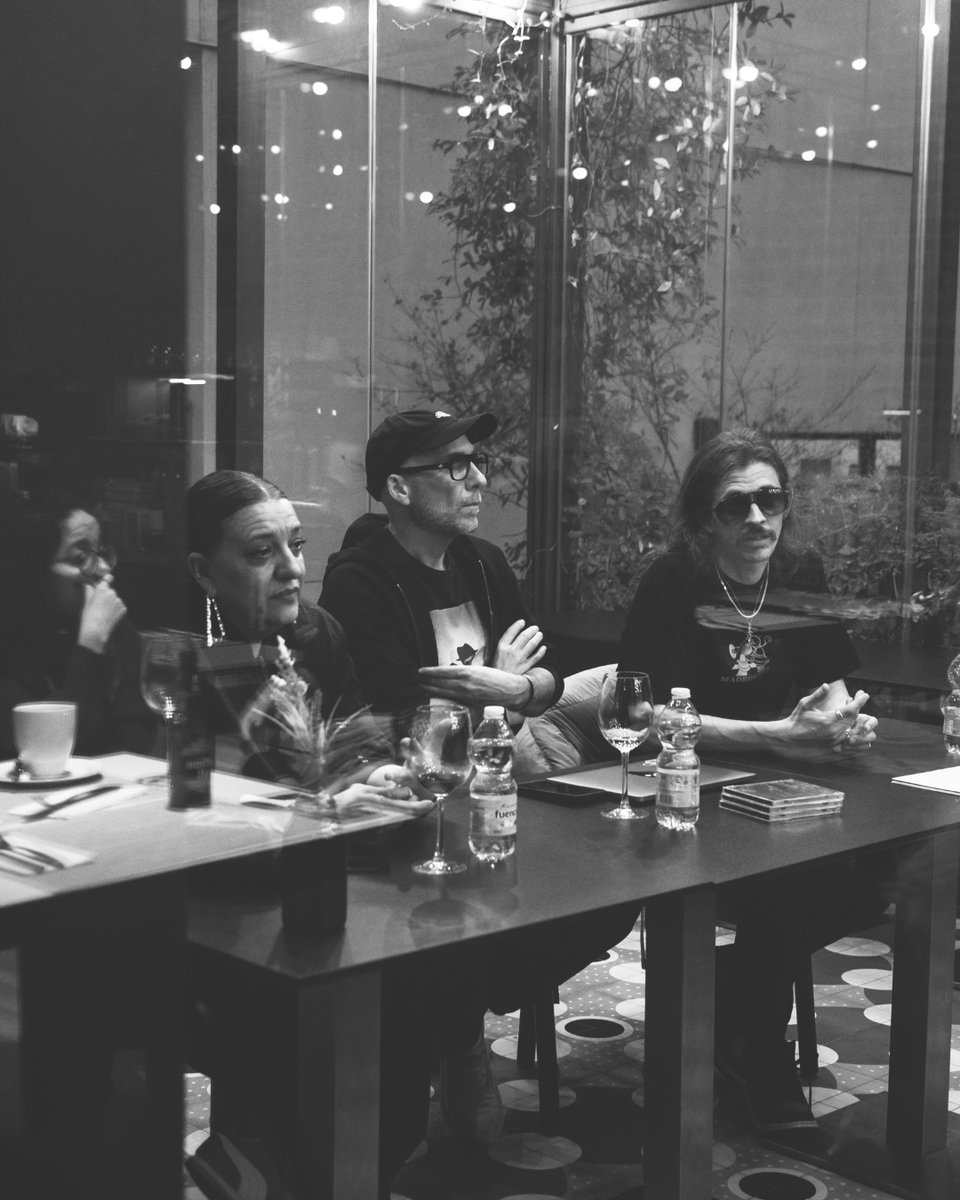
Selector Marx forma parte de esta nueva entrega de THE MAKERS. Su trayectoria nos permite abordar una cuestión fundamental para VOIDERS: la importancia de archivar una cultura mientras está sucediendo.
@selectormarx@tukeskusha Nuestra sección/encarte THE MAKERS atraviesa todo el proyecto VOIDERS: una cultura no se construye únicamente sobre los escenarios, también la hacen quienes documentan, fotografían, diseñan, distribuyen y mantienen vivos los espacios donde esa cultura se desarrolla.