Day 2 of our Xinjiang RV roadtrip and we're surprised by the number of nomads we see as we drive around the countryside.
As you can see on the videos we keep seeing people living in Mongol-style yurts raising cattle the ancestral.
Presumably, they move around on the grassland with their cattle, moving places based on the season and the availability of grass for their cows, sheeps and horses.
That's also China: we tend to only see the ultra-modern big cities but it is also a country where millennia-old ways of life still coexist alongside the modernity. And that's exactly what makes traveling here so interesting!
It's also why, incidentally, accusations of China "erasing" traditional cultures are so ridiculously wrong: in very few other countries can you find such traditional ways of life still practiced like this, not as museum exhibits but simply as the way people have always been living.
And, by the way, it's something we've seen all over China, not only in Xinjiang. For instance in our previous RV trip in Dongbei, on the border with Siberia we spent the night in the forest with Ewengkis, a nomadic reindeer-raising ethnic minority (https://t.co/toe2OxGIQ6), and in the RV roadtrip prior to that we stayed with Tibetans in their traditional campsite in Qinghai (https://t.co/HCMISfYiRL).
BREAKING: Microsoft stock, $MSFT, surges +15% and is now on track for its biggest daily gain since 2020.
From one of the most hated to one of the most loved names literally overnight.
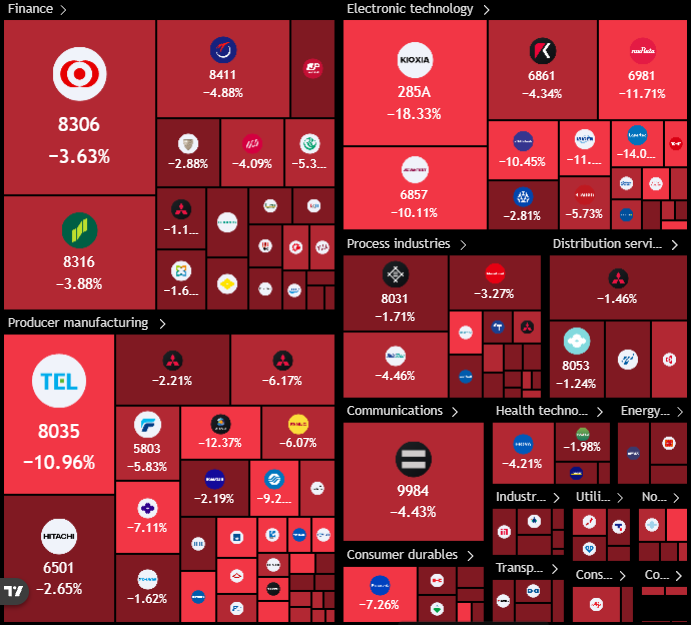
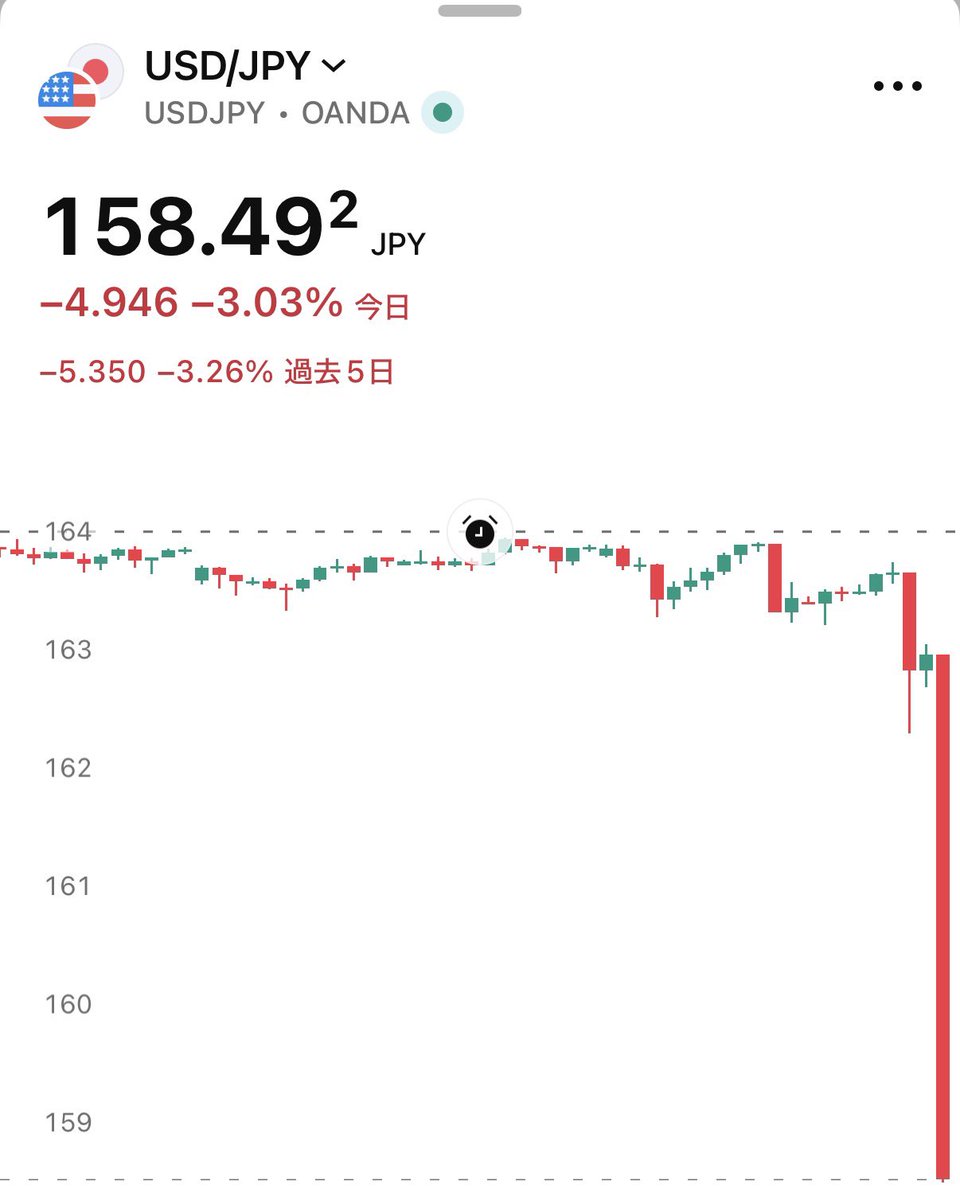
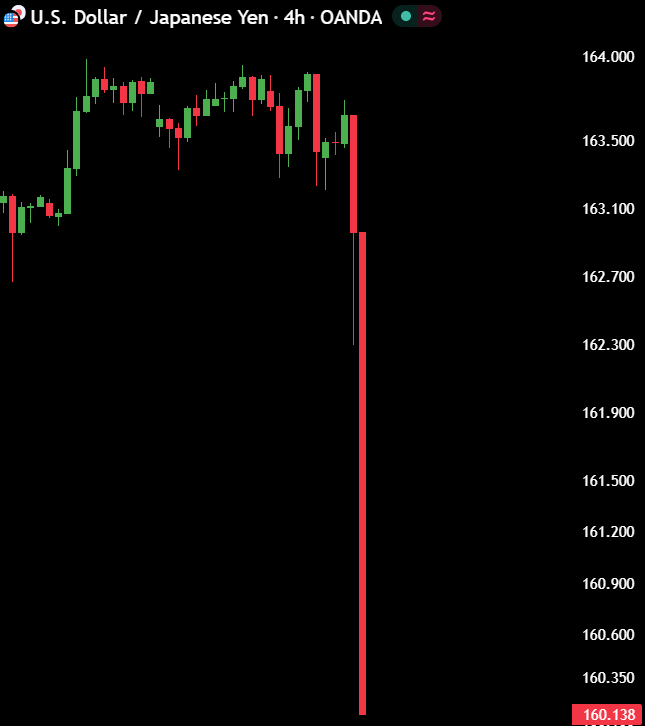
🇯🇵 JAPAN’S STOCK MARKET CRASH EXPLAINED:
The Nikkei is now down over -14% from its June record, after falling another -4% today.|
Two forces are driving the selloff:
1. AI fatigue and a valuation reset
The Nikkei had surged 37% in 2026, largely powered by AI and semiconductor companies.
Chip-related stocks grew to roughly 25% of the entire index, meaning Japan became heavily dependent on a small group of winners.
Now, investors are questioning whether record AI spending can generate enough profit to justify those valuations.
That reversal is hitting the former market leaders hardest:
SoftBank: −7%
Advantest: −6%
Kioxia: −9.5%
Tokyo Electron: −5%
2. China is becoming more self-sufficient in chips
China has reportedly started producing its own DUV chipmaking machines.
That matters because companies such as ASML and Japanese chip-equipment makers rely heavily on selling these machines to China.
ASML fell 8.5% as investors priced in the risk that China may need fewer foreign suppliers over time.