If you want to go from obsessed football fan to understanding the game at a deeper level, here’s how I did it.
Go on https://t.co/FEVDDEw3MD and read in this order:
1. https://t.co/sR6c4fuNz6
2. https://t.co/ga2L2YBeop
3. https://t.co/QzxfNZXgqA
4. https://t.co/qzFZxh0MzG
5. https://t.co/SLEexGHp3J
You will need to re read these as some of them are quite dense and you will pick different things up each pass. Pro tip: if you’re struggling for time you can paste the link into Eleven Labs and listen as audio.
Whilst doing this I was also reading posts on here , watching games and videos on YouTube etc which resulted in a deep dive that went over 100hrs in 1 week. I presume this isn’t normal however.
I also feel it’s right to give recognition when it’s due and these 3 people are incredible for building football knowledge:
@MeiaArmador__@Jon_Mackenzie@rajsinghchohan
Juan Mata was an unused sub more than 200 times in his career. Mo Salah wasn't making the bench at 22 years old. Vitinha was an unused sub, not selected in the Wolves squad many times.
“Serge has come here to play games but he just hasn’t been for me, at the moment, at that level to play the games.” - Tony Pullis on Serge Gnabry at West Brom.
A gentle reminder for all players who have convinced themselves they can't pursue the next level if they "can't even play at this level".
Essay: Escape
A few thoughts and reflections on the analysis bubble.
"My concern is less about what is objectively right or wrong in football, and more about how we, as analysts and coaches, sometimes present our ideas as universal truths."
https://t.co/jS388upxHS
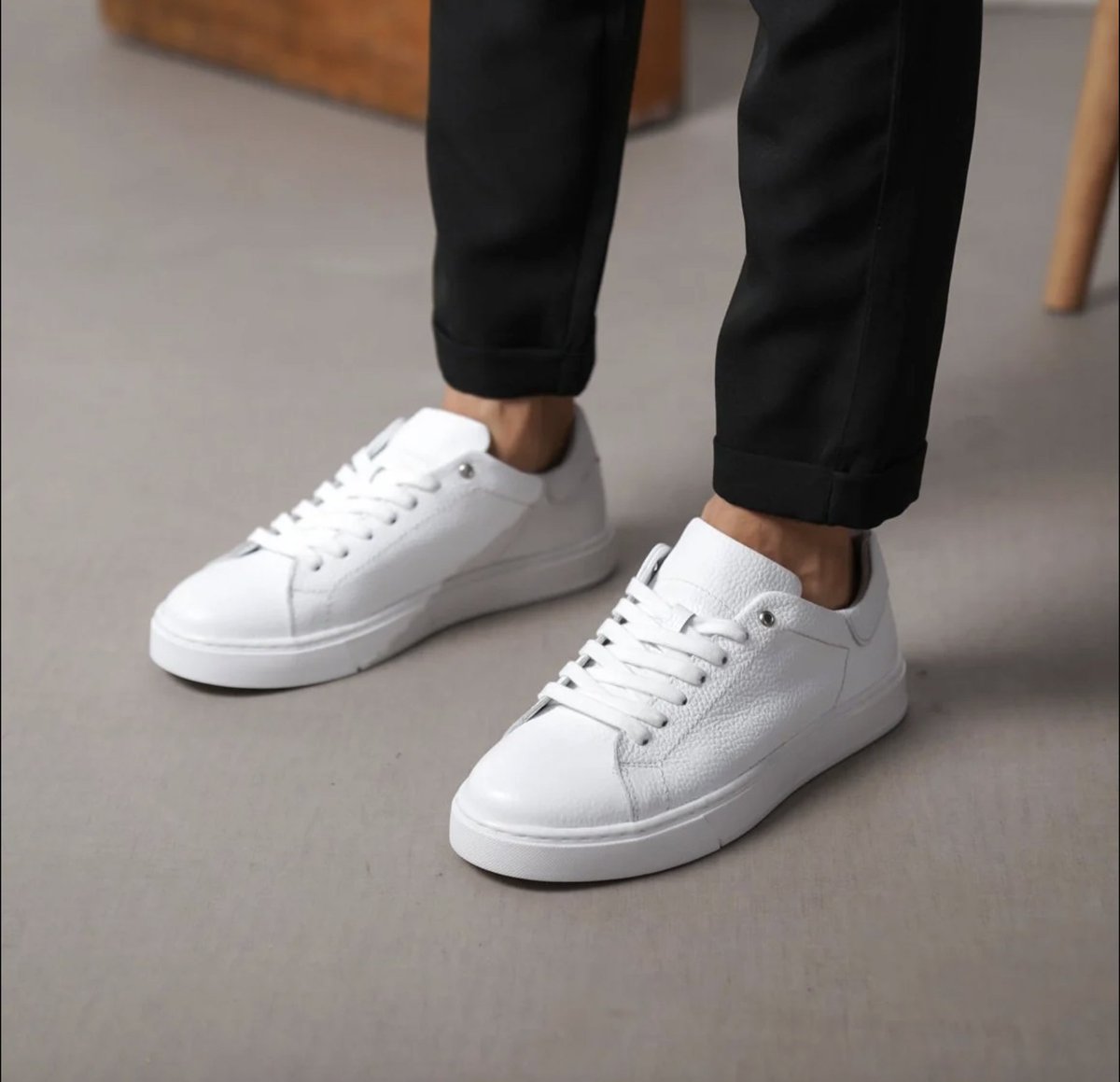
With the title of 'Age of the white sneaker' I have written a longer article about life and football, on my mother language with purpose - use the translate function.
https://t.co/cRJMrMMqkh
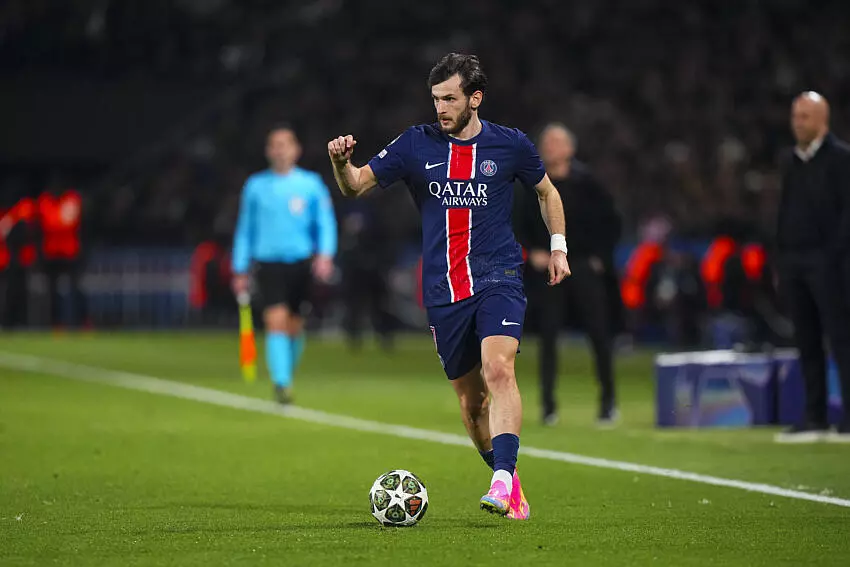
🗣️ Khvicha Kvaratskhelia: 'I go to Russia. Moscow. 17, almost 18. Really young. And alone by myself. My parents are nervous. My father, very worried. And it was hard for me. Kind of stressed, because of leaving my family.'
But when I start training, I say: I came here for what? My family name is on the shirt, so I bring my family with me. I have to work for them. Not only me. I cannot disappoint them. Have to make them proud.
So I say: Go hard.
There was a Georgian there, Saba Kvirkvelia, and he was helping me a lot. Helped with the other players, took me to eat sometimes, and was defending me sometimes. And after I start to play, the coach really loved me. I respect him so much, because I grew a lot there — physically, mentally, and even the personality.
But it was lonely. Living in the training centre. No friends. I think it was only me and the security guys. The other players lived some other place. I was alone there. I go eat alone.
It was a scary place, a little bit! I’m not joking! It was in the deep forest and you cannot go out to walk there since there was some dogs and these kind of things. Every second, I was in the training centre. I didn’t go in the centre of Moscow. Nowhere.
In the night, they didn’t have lights at the training centre. When I go to train, sometimes it was night, but I am still working. Extra work. But no light. And sometimes the security guy comes. And he was scared, in the dark.
“Hey, who is running on the grass????”
Me.
Dribbling in the shadows.'
"If you ask 100 coaches what kind of game they want to play/what their philosophy is/or worst of all, their game model, at least 95 will say the same thing... Just look at what most of them wear: dark casual clothes with white sneakers most of the time."
https://t.co/cRJMrMMY9P
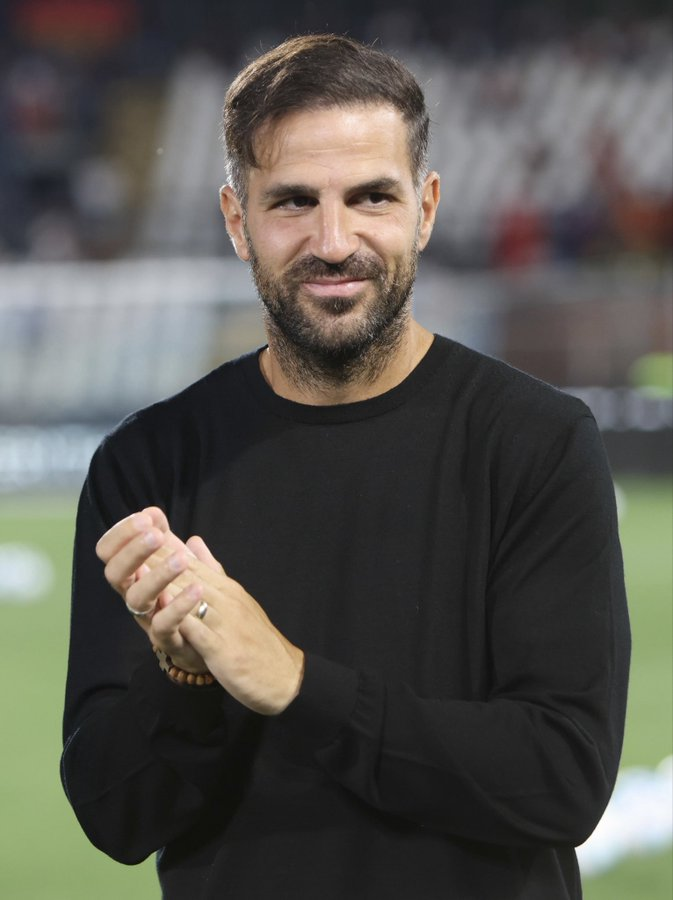
🗣️ Cesc Fabregas: "The number 10 position is disappearing. Players of the caliber of Özil or James Rodriguez no longer interest coaches. These players are capable of unlocking a match with a brilliant pass, but nowadays, the coach prefers a stable structure.
When Conte arrived at Chelsea, I started to understand what modern football was: a lot of running, split sessions, robotic training...
I couldn't believe it. I was in shock, because I've always been a player who relied on creativity, which for me is the best thing in the arts."
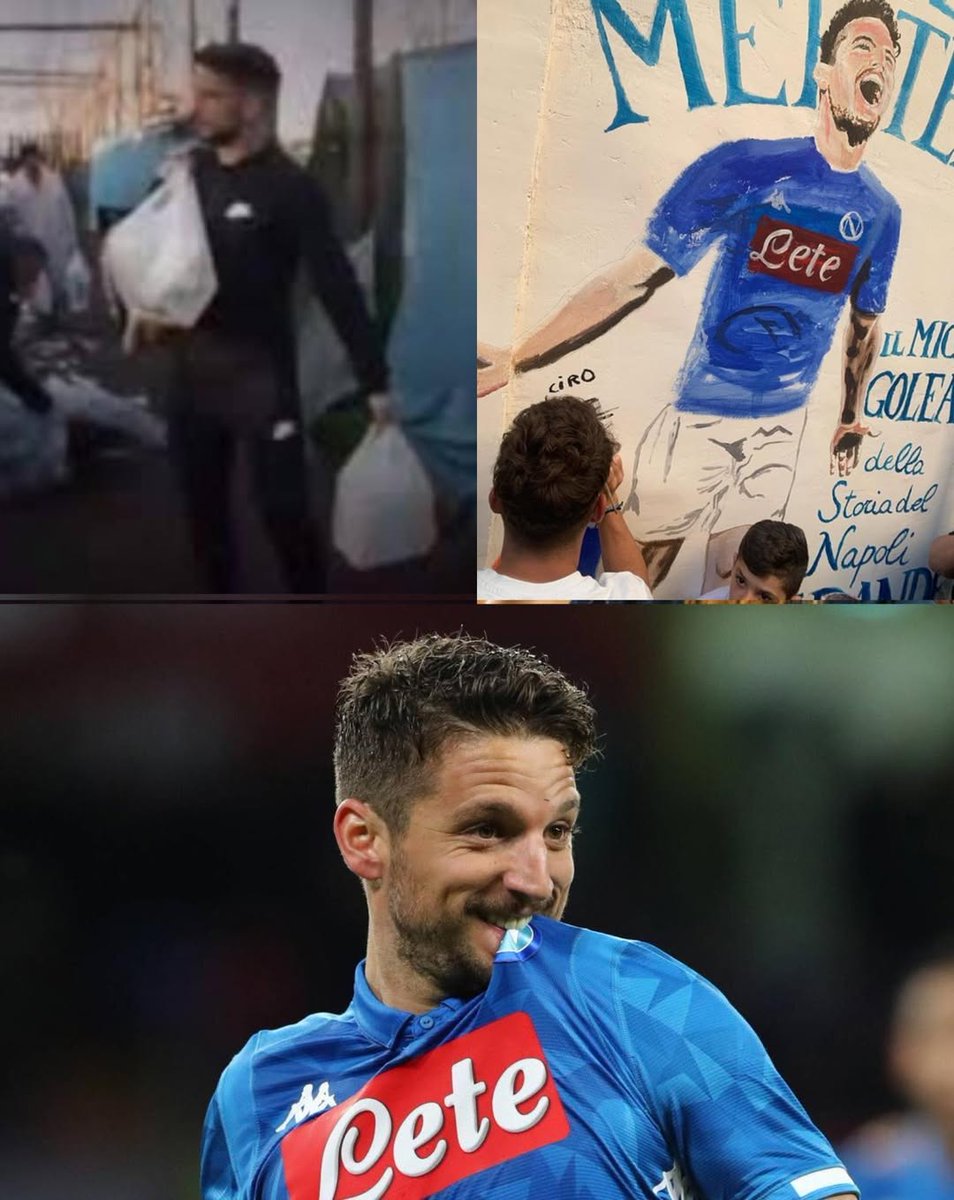
In Naples, the rich and celebrities typically live in the "upper" part of the city. Those with less, reside in the "lower" part.
Unlike other footballers, Dries Mertens chose the lower part, specifically in Posillipo. The Belgian took on a socially impactful role in the area where he lived. A neighbor's anecdote for Italian TV exemplifies what we want to share: "When we saw Dries returning late every night, we thought he had surrendered to the good life. Then we found out he was buying pizzas and driving around giving them to the homeless."
Speaking with the UEFA official website, Mertens explained why he chose to live where he does:
"In Naples, you breathe football. Not only the young people, it’s also a thing for the grandmothers and kids. It’s crazy! It’s something special: waking up, having coffee in the morning, and talking about football. I started to live like them, I love the food, the sea, all the islands here."
He was there for 9 seasons.
Another example of loyalty to the team, the city, and the fans. And it's no coincidence that this happened in Serie A.
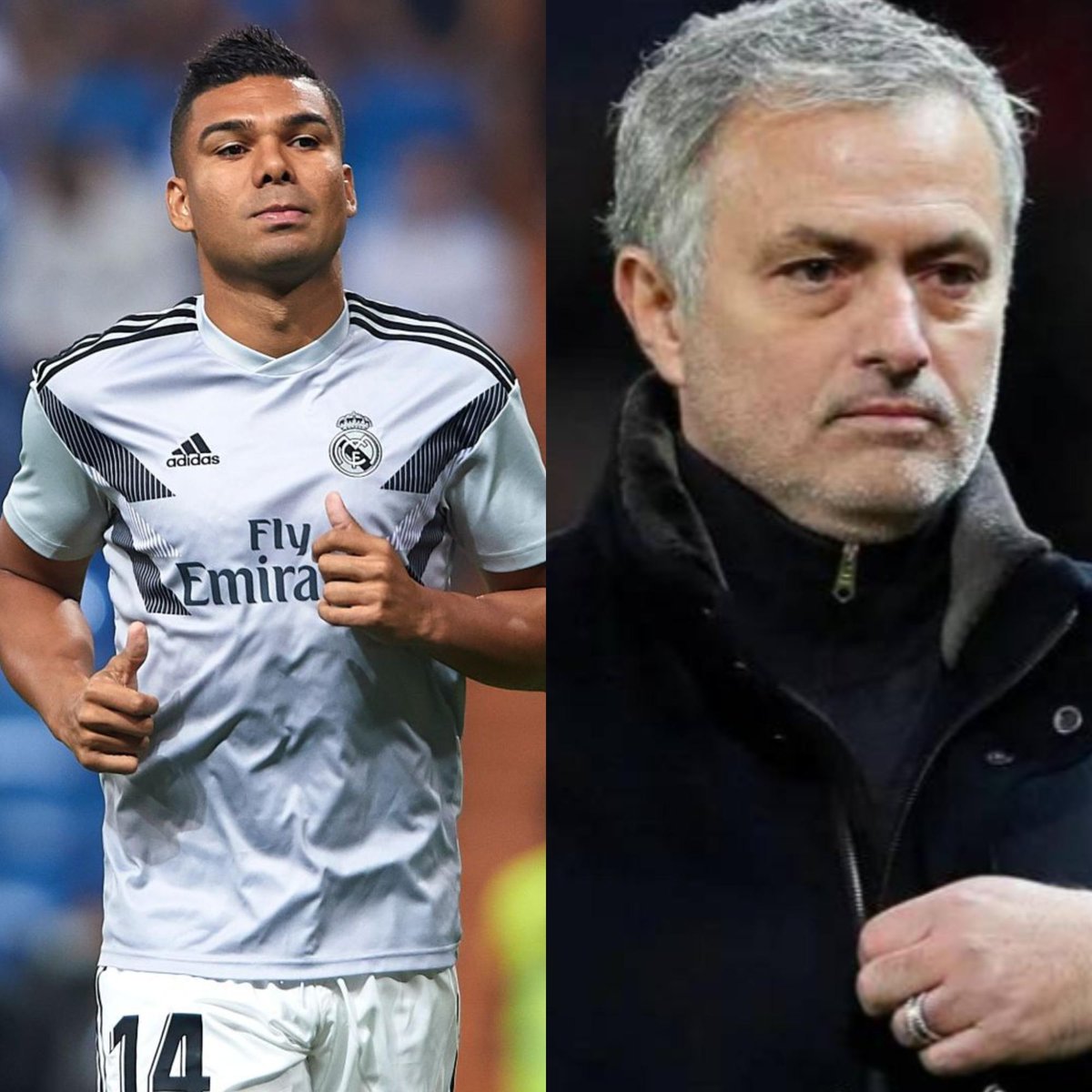
CASEMIRO: “Mourinho called me into his office and I immediately got scared, I asked myself, ‘But what did I do? I haven’t done anything...’ and he tells me: Case, I know you very well, I know perfectly how many matches you played at São Paulo and what you won. Do you see this? (there was a board with the lineup for the next match) your name is here, you’ll be a starter. —Me?— Yes, you’ll be a starter, I know you very well, in the match go all in, that’s what the Bernabéu likes, go all in for the first 15 minutes, then show yourself off, hit a 70-meter long ball without fear.”
“I swear I left that room feeling like the best defensive midfielder in the world. I went out on the pitch and did exactly what he asked me, I went all in the first minutes and then hit a long pass to Cristiano. At the end he comes up to me and says: Very good kid, you did what I asked, you’re called up for the next Champions League game.”
Rui Faria message on Amorim sacking:
Why would a coach take the blame for results if the sporting director controls how the coach should be playing his team and which players the club should be signing?
Pep Guardiola: “Before the wingers were small guys, ability [to dribble]. Today and in the future, you see for example PSG, Real Madrid, Barcelona - with Lamine Yamal. Today the modern winger is like a ‘Sane’ type - tall, long legs, incredibly fast like Antoine [Semenyo]. Energy, pace in behind, one against one [ability] is massively important for the transition, it’s true.”
🎥 https://t.co/FbSkZQHXSR
Lionel Scaloni: "After the 2018 World Cup in Russia, I thought football was all about quick transitions and fast players, so I wanted to build a team like that. But then I realized that the best Argentine players aren’t really like that. They play a different style.
"Playing well means playing together, passing the ball, and understanding each other. If we ask them to only rely on speed and long 30–40 meter passes, it doesn’t work. What we needed was to make a lot of short passes so the game would flow. When we managed to string together ten passes, it almost always led to a clear chance or a goal.
"The players understood this, and we as coaches knew we had to change our ideas. I’m not the kind of coach who forces his own ideas just because he thinks they’re better. What matters is what works best for the team.”
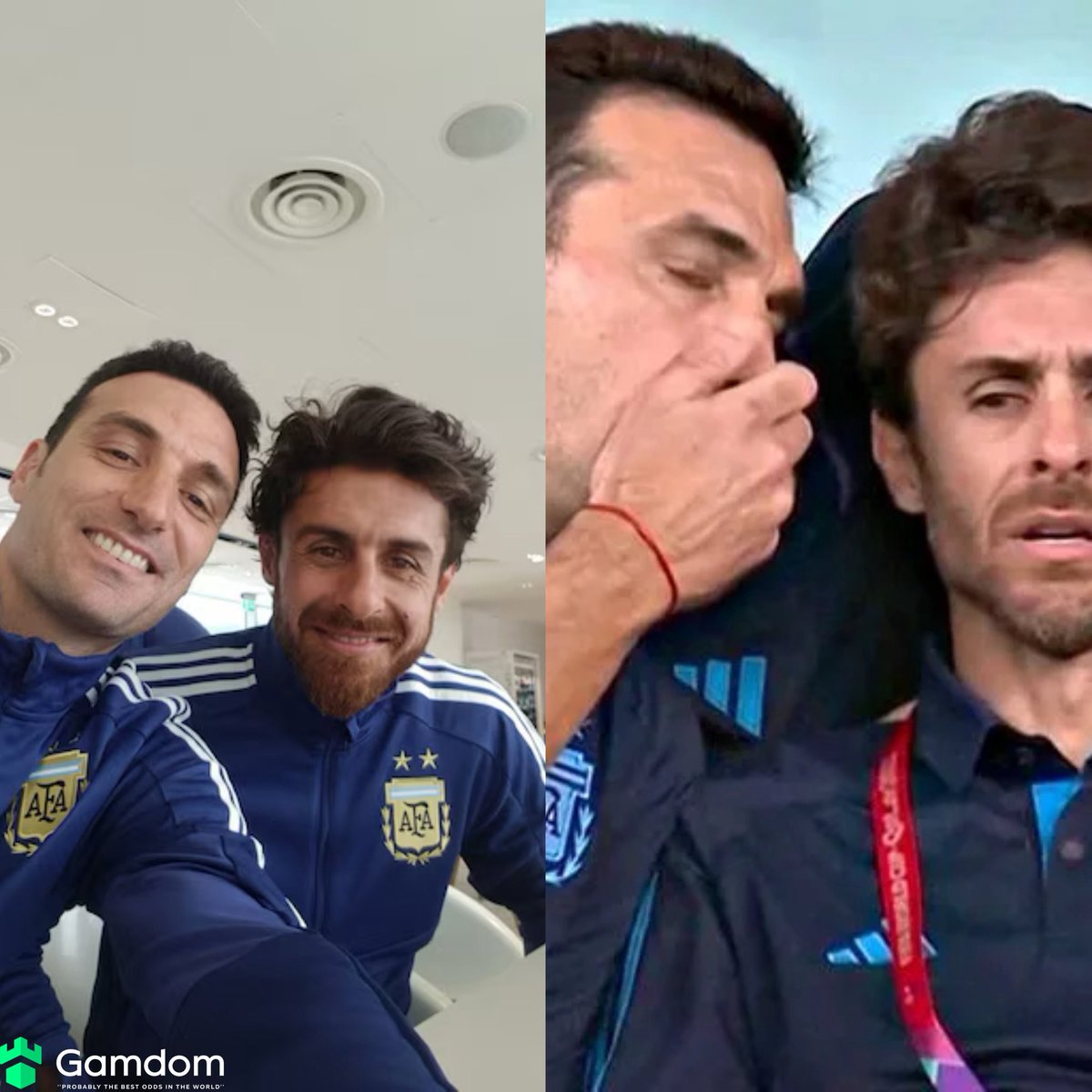
Lionel Scaloni: "There’s this idea people have that ‘football has changed and street football doesn’t exist anymore.’ Pablo Aimar and I talk about this a lot. We need to focus much more on who teaches kids and how they teach them.
"The coach, in this case, should be like the street football environment. If I’m constantly telling a kid, ‘Pass the ball!’ or ‘Two touches!’ I’m taking away their creativity, the best thing they have.
"Before, in Argentina, the players who stood out the most were the playmakers. Now, if you beat two players, people shout, ‘Pass it!’ But why pass it? I’ve just beaten two players, I can score, why would I give it to a teammate next to me? Let him score. If he has to beat four players, let him do it. That’s the kind of player who makes the difference.
"Argentine football comes from a culture of cleverness, beating players, nutmegs, quick one-twos. If we start controlling kids like they’re playing with a joystick, it’s a mistake.”
Thomas Frank highlights a reality many fans — and even coaches — forget.
During the game, players don’t need judgement.
They need support.
They need encouragement — even after mistakes.
The match is about energy, belief and trust.
Analysis comes later.
"I chose this squad, if you're not at the level in this league you can't win points"
Régis Le Bris reflects on remaining consistent following Sunderland's return to the Premier League and the importance of a 'good energy' after his squad were seen enjoying the darts 🔴
🗣️ Marcelo: “Strict or soft-spoken coaches? Not strict. I like coaches like Ancelotti or Zidane. Not the strict ones. Footballers like coaches who are calm, know how to speak and manage the locker room. No player likes strict coaches.” @diarioas
"Therefore, the more players are able to find good solutions, the better the situations are that they'll be able to put their team-mates in. Too much coaching instruction can compromise that ability in players."
[@ReneMaric]


![cityreport_'s tweet photo. Pep Guardiola: “Before the wingers were small guys, ability [to dribble]. Today and in the future, you see for example PSG, Real Madrid, Barcelona - with Lamine Yamal. Today the modern winger is like a ‘Sane’ type - tall, long legs, incredibly fast like Antoine [Semenyo]. Energy, pace in behind, one against one [ability] is massively important for the transition, it’s true.”
🎥 https://t.co/FbSkZQHXSR](https://pbs.twimg.com/media/G-PbKSQWMAAEkpK.jpg)





![cityreport_'s tweet photo. Pep Guardiola: “Before the wingers were small guys, ability [to dribble]. Today and in the future, you see for example PSG, Real Madrid, Barcelona - with Lamine Yamal. Today the modern winger is like a ‘Sane’ type - tall, long legs, incredibly fast like Antoine [Semenyo]. Energy, pace in behind, one against one [ability] is massively important for the transition, it’s true.”
🎥 https://t.co/FbSkZQHXSR](https://pbs.twimg.com/media/G-PbKSVWsAEl-Pl.jpg)


![ReeceEdwardsX's tweet photo. "Therefore, the more players are able to find good solutions, the better the situations are that they'll be able to put their team-mates in. Too much coaching instruction can compromise that ability in players."
[@ReneMaric]](https://pbs.twimg.com/media/G7afWLKW0AA67PJ.jpg)


