@bhogleharsha Thank you so much for coming here harsha. Loved to hear from you always. Thanks a lot for the nice comments about the SL. See you soon here 😍😇
A dream come true for us & for the Sri Lankan medical field. 🙏🇱🇰
Our team,
together with Dr. Niroshan Seneviratne & Dr. Ranga Wickramarachchi, Consultant Urologists,
performed the first-ever robotic-assisted kidney surgery in Sri Lanka using advanced imaging.
Truly grateful. Medicine is teamwork, and this was only possible because of an incredible team effort.
We hope to see robotic surgery introduced to the government sector soon!
Miles to go before we sleep... 🇱🇰
@BuduMalli@CBSL@anuradisanayake Banks are issuing WHT certificates FOC but if you requested a balance confirmation for a account or even to a credit card they will charge.
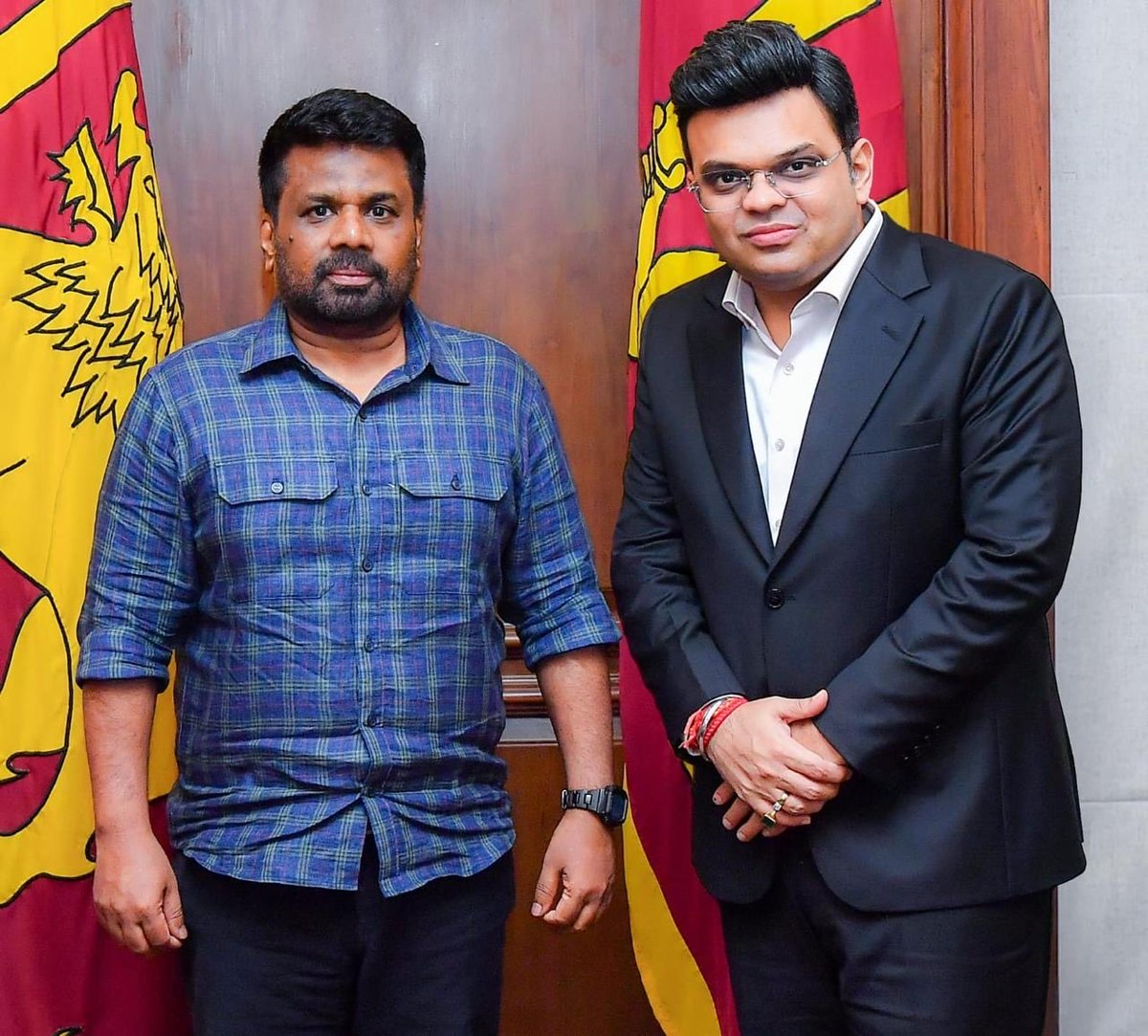
It was a privilege to meet His Excellency President @anuradisanayake today and discuss the current status of cricket in Sri Lanka. Our discussions focused on increasing opportunities for emerging players, supporting grassroots and youth development programmes, and leveraging cricket as a vehicle for social impact and economic growth. We also exchanged views on the role Sri Lanka continues to play in hosting major international events and contributing to the global development of our sport. Sri Lanka holds a special place in the history of cricket, and I look forward to working closely with all stakeholders to further strengthen the game and create new opportunities for future generations. My sincere thanks to His Excellency for his time and unwavering support for cricket.
@udendra@ChandaniKirinde Btw why this is not applying in colombo city limits. How many hotels and well known places selling similar products without displaying these details 😄
The crackdown on scam compounds in Cambodia is leading some gangs to relocate to beach resorts and office buildings in Sri Lanka, in what may be the next phase of one of the world’s fastest-growing criminal industries. Read more: https://t.co/adcz5wVlvN
📷️: Ishara S. Kodikara/AFP/Getty Images
CBSL Tightens Vehicle LTV Ratios AGAIN – Effective TODAY (May 25, 2026)
Announced ratios: 💵 Commercial vehicles: 60%
🚗 Cars, SUVs, vans: 40%
🛺 Three-wheelers: 40%
🚙 Other vehicles: 40%
⭕ LTV (Loan-to-Value) ratio is the maximum % of a vehicle's value that a bank will finance through a loan. The rest must be paid as a down payment from your own cash.
⭕ For example, if LTV is 40% and you want to buy a vehicle worth Rs. 10 million, you could only finance 40% of it, meaning Rs. 4 million. You should have 60% from your own money. In this case, Rs. 6 million.
⭕ This is the second tightening since July 2025 for all vehicle categories:
◽ Commercial vehicles: 80% → 70% → 60%
◽ Cars, SUVs, vans: 60% → 50% → 40%
◽ Three-wheelers: 50% → 50% → 40%
◽ Other vehicles: 50% → 50% → 40% (down 10%)
⭕ LTV is an effective macroprudential tool to moderate vehicle import demand by tightening access to credit. It prioritizes buyers with stronger upfront affordability, while encouraging others to delay purchases.
⭕ This would have been a more subtle way to curb vehicle imports earlier, instead of creating unnecessary panic through duty surcharges, which added uncertainty to the FX market.
#SriLanka
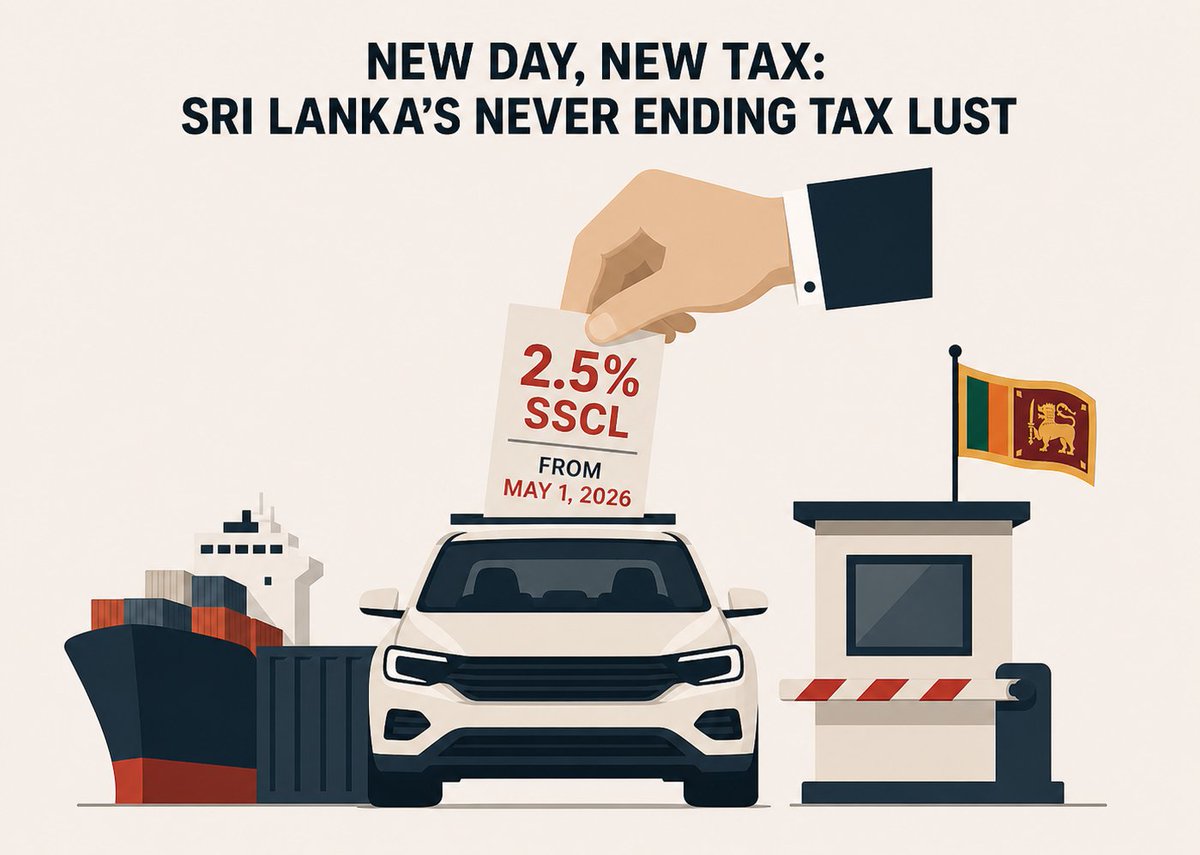
New Day, New Tax: Sri Lanka’s 🇱🇰 Never Ending Tax Lust
⭕️ From May 1, 2026, the Government has decided that vehicle imports will be subject to a 2.5% Social Security Contribution Levy (SSCL) at the point of importation.
⭕️ “At the point of importation” means that anyone importing a vehicle, including personal importers, will now be subject to this tax.
⭕️ Previously, SSCL was mainly paid by vehicle importers after the sale. Personal importers were not directly subject to this tax at the point of importation.
⭕️ Even vehicle importers may not have properly paid SSCL under the previous turnover-based system, as it left room for anything from creative accounting practices to outright tax fraud.
⭕️ Effectively, this change means that if you buy a vehicle, your cost will increase by around Rs. 2%-3% or more, depending on the CIF value and the relevant taxes for that vehicle.
⭕️ Rs. 7 million -> ~ Rs. 150,000 🔺
⭕️ Rs. 10 million -> ~ Rs. 200,000 🔺
⭕️ Rs. 15 million -> ~ Rs. 300, 000🔺
⭕️ SSCL works like VAT, it is charged on the basis of CIF value and other applicable taxes.
2.5% SSCL = (CIF value + CIF x 10% + CID + Excise Duty + any other taxes) x 2.5%
CID = CIF x 30%
Excise Duty = Changes based on the vehicle type
Other taxes = such as surcharge, PAL, etc. Currently 0 for vehicles
⭕️ SSCL was introduced in 2022 as a temporary tax to support Sri Lanka’s economic recovery by charging 2.5% on turnover.
⭕️ The Government has no real justification to keep increasing taxes on people, especially when revenue generating agencies have exceeded their targets during the last two to three years, and any expected revenue increase from this measure could have already been achieved through improved collection.
⭕️ The only other group that benefits from this change is large scale vehicle importers, as it removes one of the key cost advantages of personally importing a vehicle over buying from an established importer.
⭕️ Adding more taxes on already heavily taxed vehicles does not create any meaningful value for the country in the long run, especially when it locks away capital in depreciating assets like vehicles.
⭕️ Higher taxes do not help grow the economy. They discourage economic activity and reduce people’s ability to spend, invest, and build businesses. In simple terms, it is another case of handing more money to the Government, often the worst manager of money in any country.
⭕️ If Sri Lanka 🇱🇰truly wants a fair and low tax system, the focus should be on widening the tax base, improving the collection system, reducing leakages, and ensuring that everyone contributes fairly.
#SriLanka #VehicleTaxes
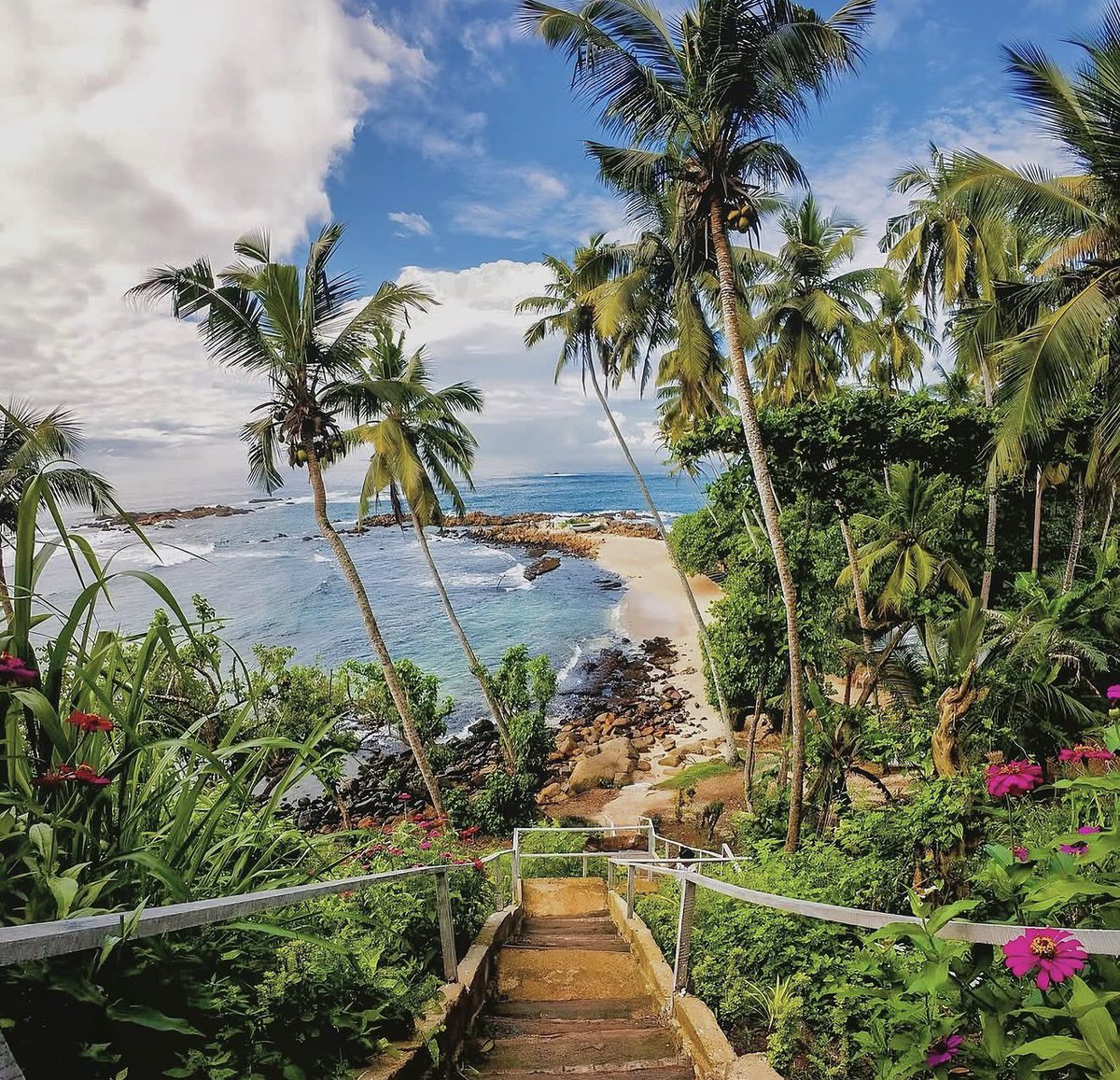
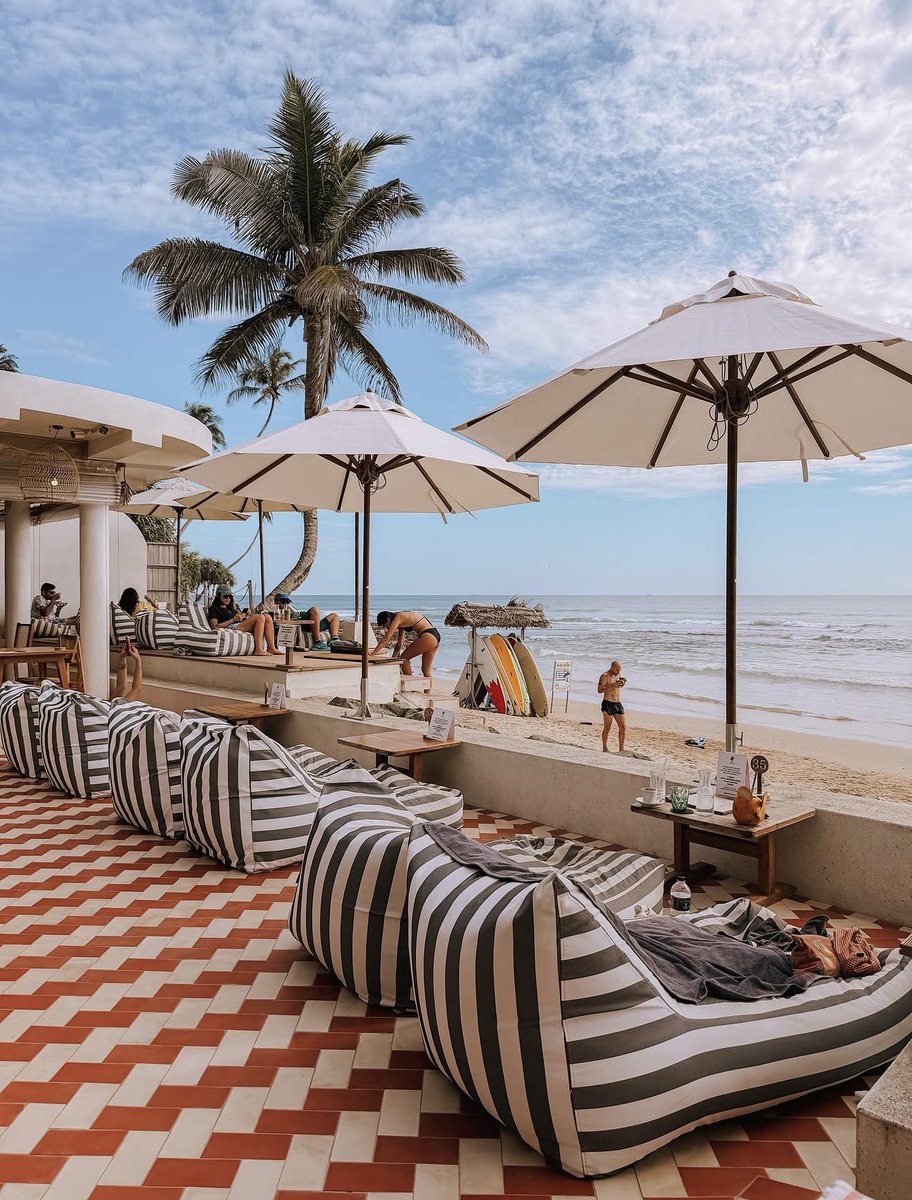
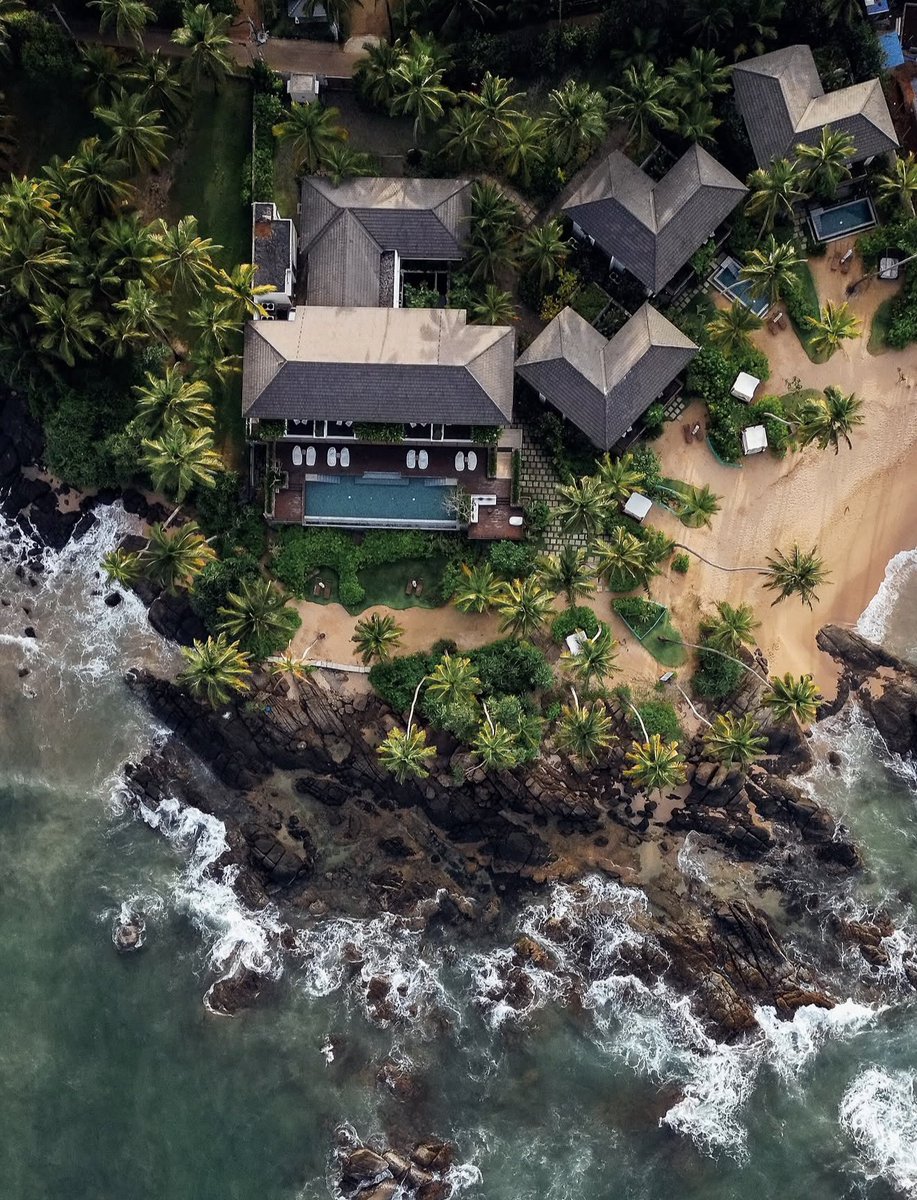
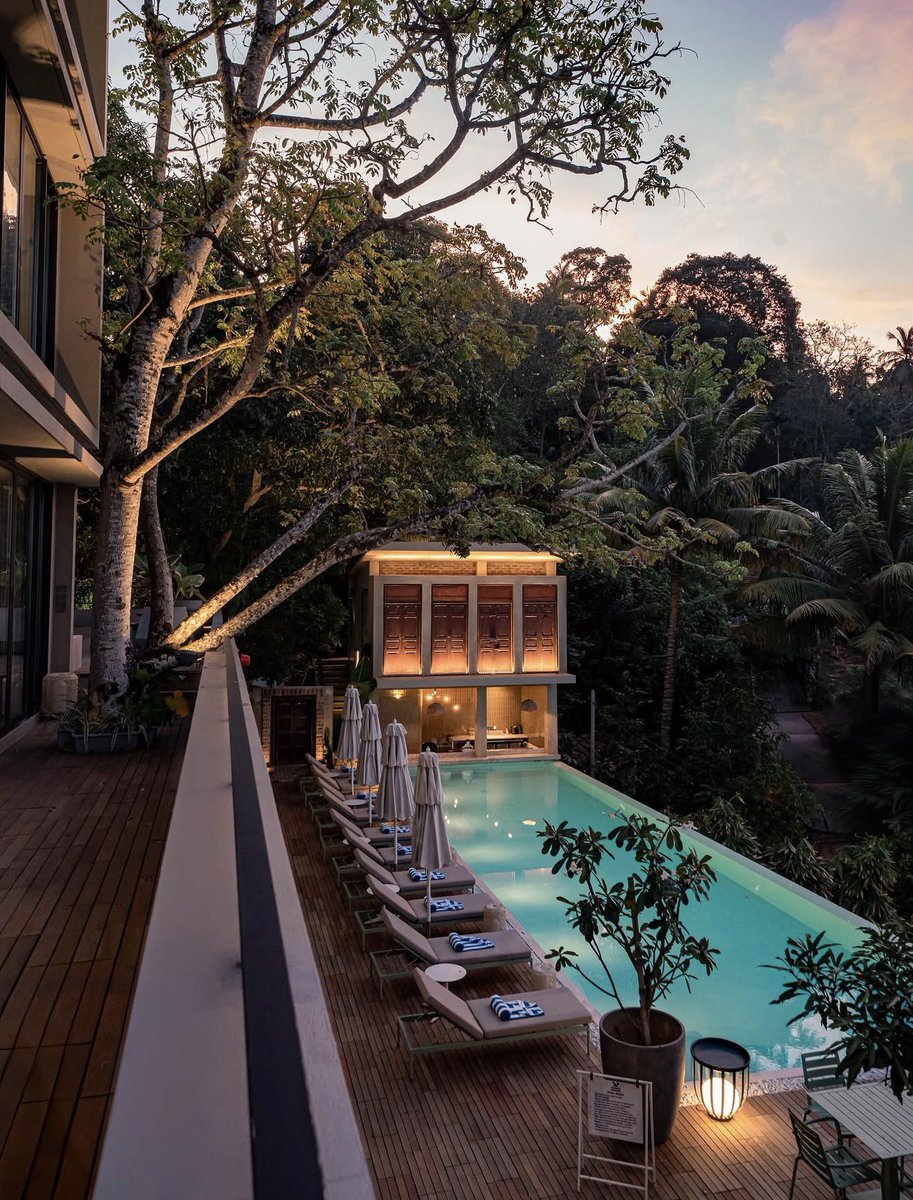
In Sri Lanka, you can get properties for as low as ₹10–20k per night just imagine trying to find something similar in Goa at that price! A friend of mine visited Sri Lanka last week and said it’s far more beautiful and much cleaner than Goa.
At those prices, the kind of properties you get there are incredible. It really feels like Sri Lanka has become the more premium and classy destination now, with a much better crowd as well.
He wrapped up his entire 5-day trip in around ₹70k, which honestly sounds like great value for the experience! 👌🏻
A pretty obvious fact, but useful data. Western Province, which accounts for 42% of Sri Lanka's GDP in 2024, has more than 40% of those with a degree or above.
Census data is out and the @LankaSTAT have eveloped this cool dashboard with @UNFPASriLanka
https://t.co/pD8nKIfLjX
This is a live image taken at 5.13pm Colombo time of the maritime traffic
Albeit it Lamborghinis or refrigerators, in this time of uncertainty, the world trusts our ports to hold their cargo
From the smile that visitors love, to the humanitarian stance #SriLanka took, after the dust settles, this will be a land the world will look to..
🇱🇰
JUST IN: The Strait of Hormuz is open. It has been open every day since February 28. The IRGC never closed it. What the IRGC did is convert 21 miles of international waterway into a permissioned gate with a toll booth, a vetting process, and a guest list. Traffic has collapsed 70 to 80 percent. But the handful of tankers that transit each day do so with IRGC clearance, paid in yuan or USDT, at $2 million to $4 million per vessel.
The process is now documented. A tanker operator contacts an IRGC-linked intermediary. The operator submits vessel ownership, flag state, cargo manifest, destination, crew list, and AIS transponder data. The IRGC runs background checks: no US-linked ownership, no Israeli cargo, no flagging to aggressor states. If approved, a toll is negotiated. Payment is executed in cash, Chinese yuan, or USDT on the Tron network. The IRGC issues VHF radio clearance with a specific time window and route through Iranian territorial waters near Larak Island, where IRGC Navy performs visual confirmation. The vessel transits. No physical escort is provided. The “protection” is the removal of the interdiction threat. You are safe because the entity that would attack you has decided not to.
China passes. India passes. Pakistan, Turkey, Malaysia, Iraq, Bangladesh pass. Shadow fleet operators aligned with Russia pass. Not all pay the full toll. Some receive exemptions through government-to-government arrangements. Some pay reduced rates. Some pay nothing because the geopolitical alignment is payment enough. The system is not a blockade. It is a membership club with a cover charge denominated in currencies that are not the US dollar.
And here is what nobody is covering. Lloyd’s of London and the international insurance market have withdrawn standard hull and machinery coverage for Hormuz transits. War-risk policies now carry premiums of up to 5 percent of vessel value, $5 million for a $100 million tanker, per voyage. But the actuarial models that price those premiums now incorporate IRGC vetting status as a risk-reduction variable. If a vessel can prove it has paid the toll and received VHF clearance, the probability of loss drops from above 20 percent to below 5 percent. The same models that price hurricane risk and earthquake exposure are now pricing IRGC compliance as a safety factor.
The insurance industry has done something no government intended: it has formalised IRGC authority over the strait in actuarial mathematics. A tanker that pays the toll is insurable. A tanker that does not is stranded. Dozens of vessels sit outside the strait right now, unable to transit because no underwriter will cover them. The insurance withdrawal is not a market reaction. It is a structural enforcement mechanism that makes IRGC permission the prerequisite for commercial shipping.
Every toll paid in yuan is a barrel that settled outside the dollar system. Every USDT transaction on Tron is a 3-second settlement bypassing SWIFT and sanctions. Iran’s parliament is drafting legislation to formalise the toll as “security compensation.” If that bill passes, ad-hoc extortion becomes sovereign law, and the precedent for chokepoint monetisation enters the international legal framework.
Gold watches from the side. Spot prices muted at $5,000 to $5,400 by dollar strength and rising yields, while central banks in China, Russia, and India quietly accumulate on every dip. The short-term safe-haven has not fired. The long-term de-dollarization trade is loading.
The strait is open. The molecules move. But only for those who pay the toll, in the currency the toll booth accepts, after the vetting the toll booth requires. The rest wait. The clocks tick. Saturday arrives.
https://t.co/iFmUcarGdV
💳 Cabinet Approves Zero-Fee QR Payments Below Rs.5,000 in Sri Lanka 🇱🇰
⭕ Sri Lanka 🇱🇰 Cabinet approves a proposal to remove all charges on QR payments below Rs.5,000
⭕ Q3 2025: 274,000 transactions worth Rs.1.18Bn → ~90,000/month (~Rs.390Mn), highlighting low usage and the need for policy intervention
⭕ Infrastructure in place: 20+ financial institutions + ~30 apps, but cash still dominates retail transactions
⭕ Policy linked to the 2026 Budget, targeting financial inclusion, efficiency, and transparency by accelerating digital economy adoption through removal of cost barriers
#SriLanka 🇱🇰
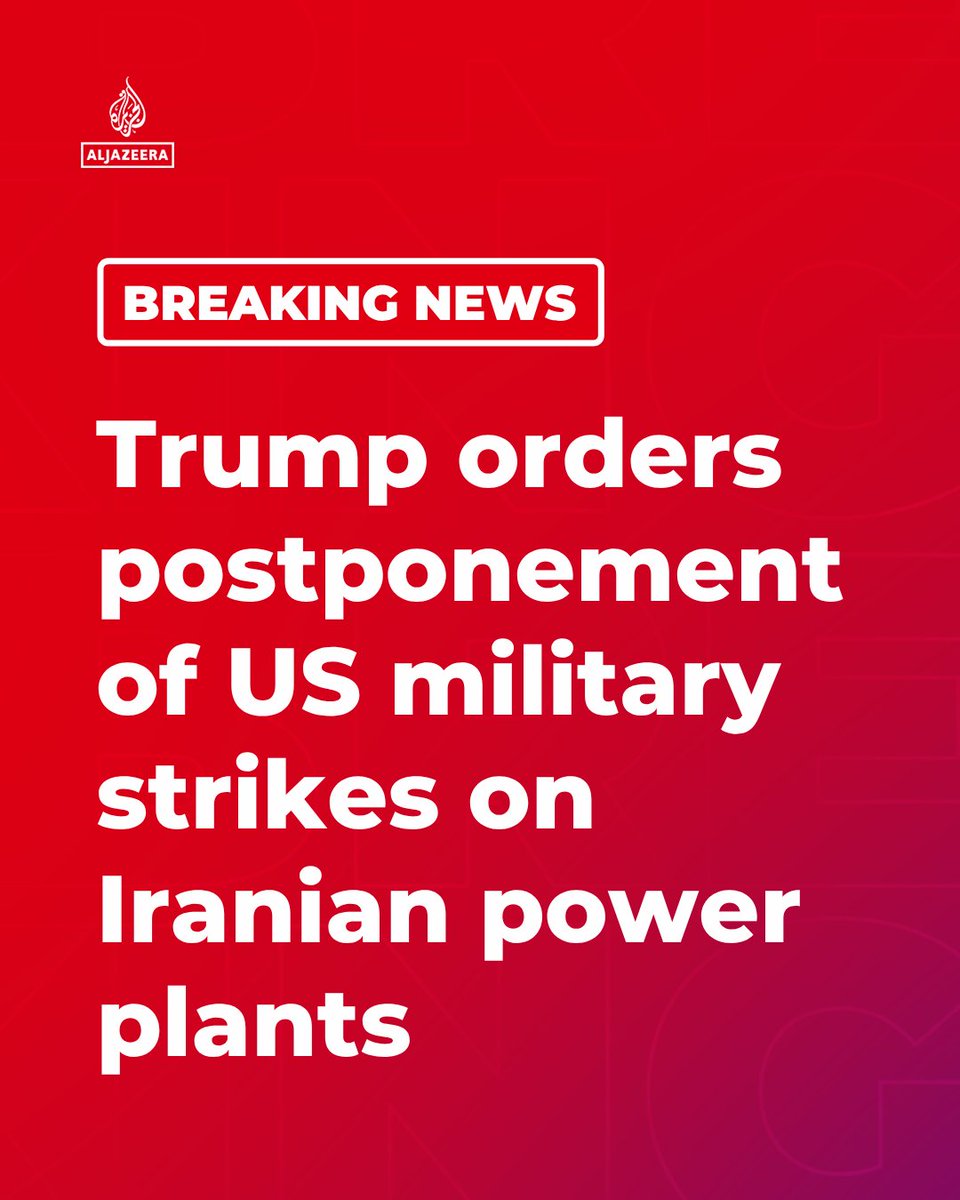
BREAKING: President Donald Trump said the US has had good and productive conversations with Iran and that he will order the military to postpone any strikes against Iranian power plants and energy infrastructure.
Just landed in beautiful Colombo, Sri Lanka. Looking forward to meeting with President @anuradisanayake and senior leaders to reaffirm the U.S.-Sri Lanka partnership. 🇺🇸🇱🇰