Educate,Entertain,Fascinate. An independent BookShop right in the heart of the city! “For the readers - by the readers - of the readers” since 3 generations.
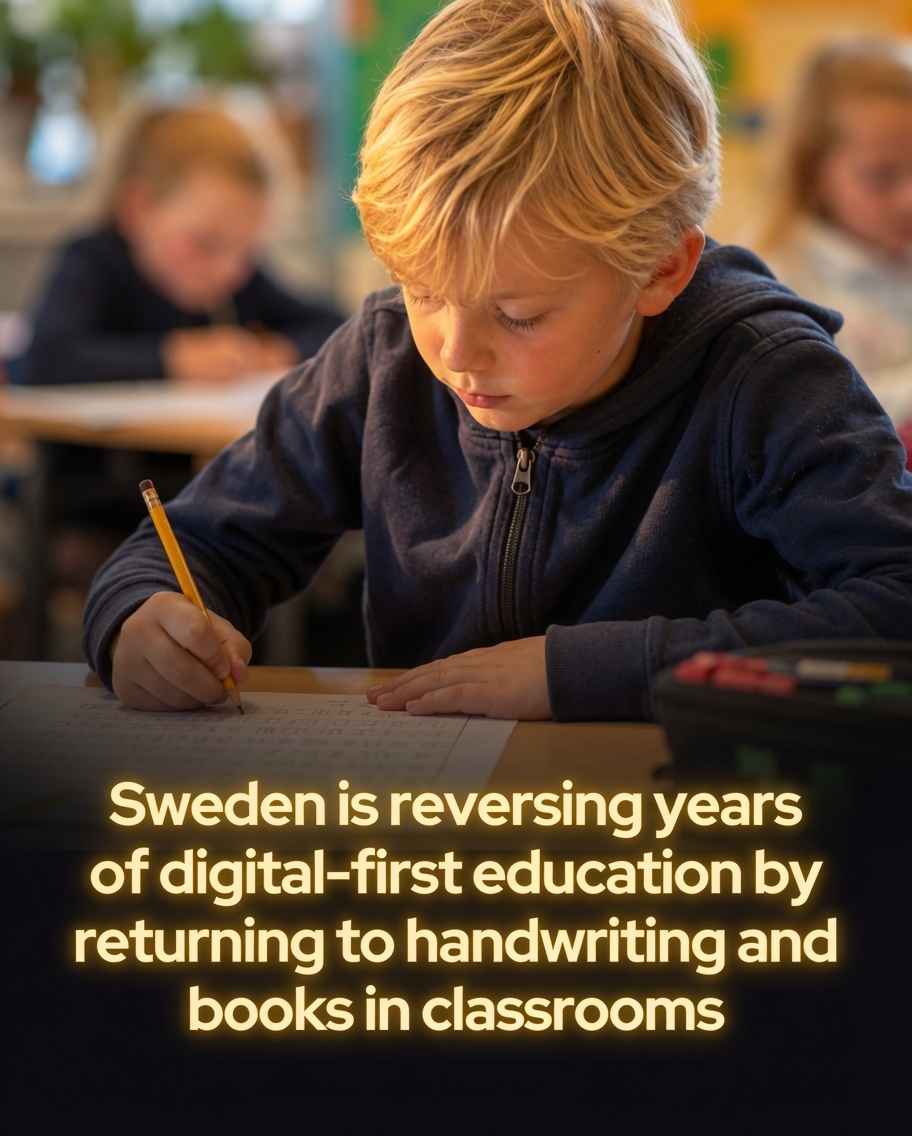
Sweden is reintroducing printed books and handwriting into its classrooms. Once celebrated as a leader in digital education, the country is now directing significant resources toward traditional textbooks while limiting the use of tablets and screens, particularly for young students.
Swedish authorities attribute this policy shift to mounting evidence that excessive screen time may have harmed reading proficiency and basic skill development. The government has also announced plans to ban digital learning tools for children under six years old.
Scientific research on handwriting provides insight into the rationale. When children write by hand, they engage multiple brain areas responsible for motor control, visual processing, memory, focus, and language. Unlike typing, this process demands precise coordination of fine movements alongside letter recognition and word formation. Studies indicate that such multisensory engagement enhances letter knowledge, spelling, reading acquisition, and memory retention.
Printed books may similarly promote stronger comprehension. Research shows that people often retain information more effectively from physical pages than from digital displays. The tangible nature of paper offers spatial references that aid memory organization. In contrast, screen based reading, especially when interrupted by notifications or hyperlinks, can fragment attention and reduce deep focus.
This approach does not reject technology entirely. Computers and tablets continue to serve important roles in research, group projects, accessibility features, and interactive exercises. Education specialists emphasize the need for thoughtful integration, applying digital resources where they prove most effective while safeguarding core practices such as handwriting, printed materials, and direct teacher instruction.
Sweden's policy change mirrors growing international discussions about optimal screen time in schools. As educators worldwide evaluate the benefits and drawbacks of digital tools, many are reconsidering when traditional methods may better support fundamental learning.
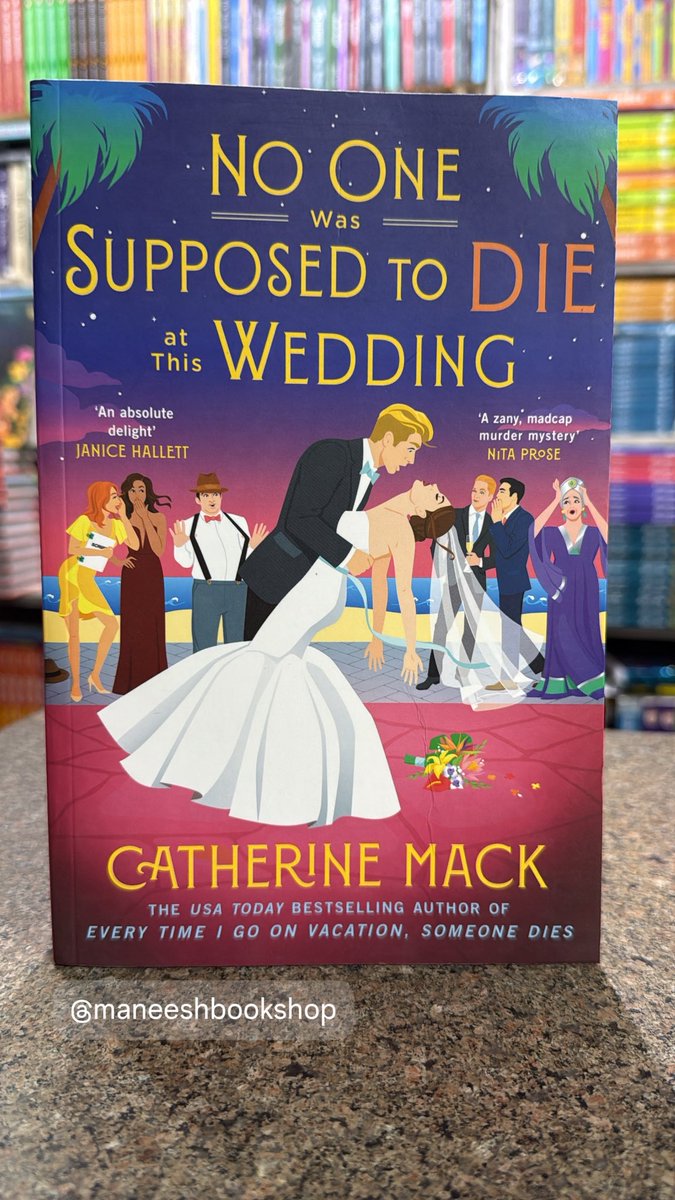
Till death do us part… came a bit too soon.
One wedding, one murder, and secrets no vows could hide.
No One Was Supposed to Die at This Wedding is a killer read!
@CEMcKenzie1@panmacmillan@PanMacIndia
Explore the divine power of devotion—Temples of India: Hanuman by Priya Gupta takes you on a sacred journey through the most iconic shrines of the mighty Lord Hanuman. @ombooksdelhi@priyagupta999
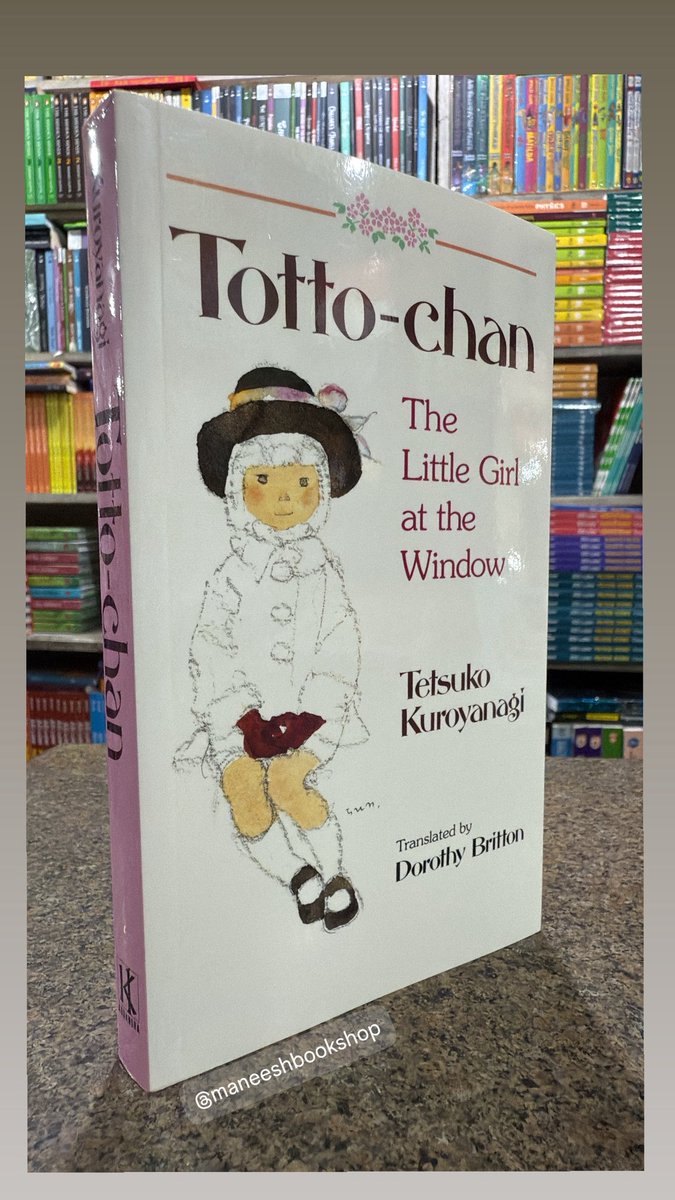
Not just a girl at the window,
But a voice for every child unheard.
#TottoChan is a quiet revolution—
Of kindness, learning, and brave new words.
Through the eyes of a curious child, Tetsuko Kuroyanagi shows how love, freedom, and creativity can transform learning and lives.
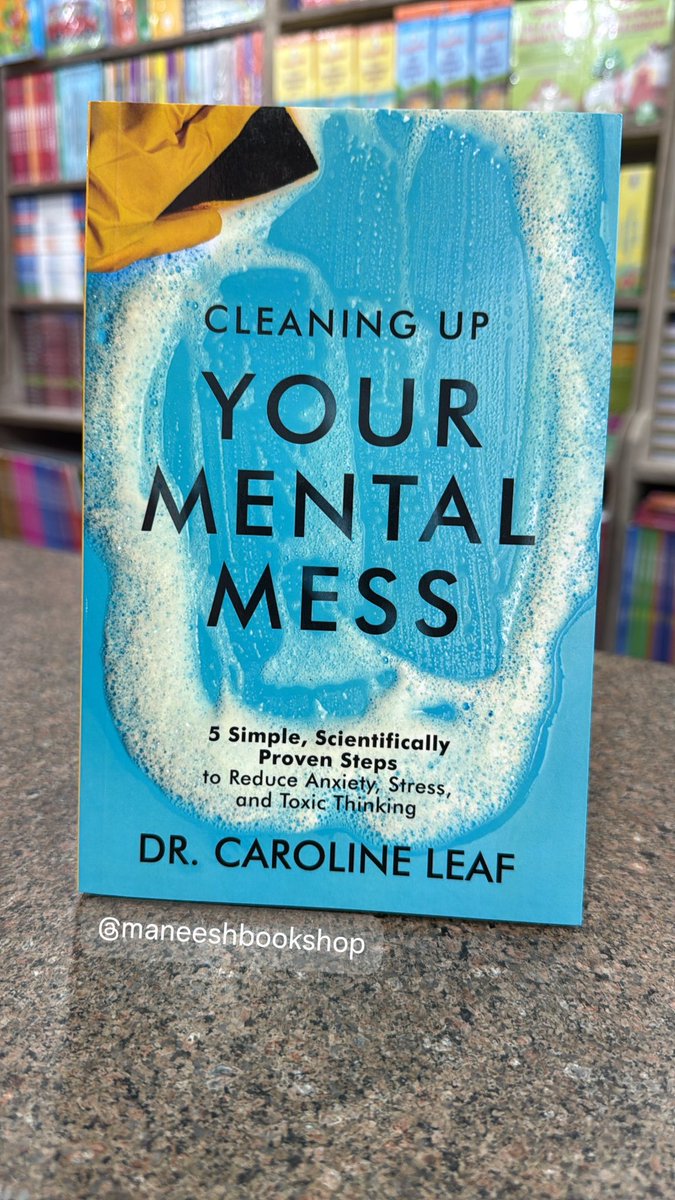
“Your mind is not a mess—it’s a masterpiece in progress!
In Cleaning Up Your Mental Mess, Dr. Caroline Leaf gives you practical, science-backed tools to detox your thoughts.
Read it. Reflect. Reset your mind.”
@carolineleaf3#booktwt#BookTwitter#Reading