Mara Predator Conservation Programme uses a research-driven conservation approach to conserve predators in the Greater Mara Ecosystem. | Kenya Wildlife Trust 🦁
MPCP launched the Anti-Poison Campaign at Olpusimoru Kenya–Tanzania border market as part of our efforts to address the growing threat of wildlife poisoning in the Mara ecosystem.
The campaign aims to raise awareness among communities about the devastating impacts of poison.
Across the Greater Mara Ecosystem, we are witnessing shifts in power, the arrival of new faces, and the realities of survival for our big cats.
Click the links below to read our #predatorpost
Lion Tails: https://t.co/6kmFYBtwLL
Cheetah Chat 28 : https://t.co/YGFUPa7gwk
UK Supporters! Join us in London on June 24th for "Endangered" - an inspiring presentation by renowned wildlife photographer Paul Goldstein.
Proceeds directly support @MaraPredator Cheetah Patrol Vehicle appeal.
Wed, June 24 | 7 PM 📍 The Porterhouse: https://t.co/GltNWt2Hcp
On Sunday, Kiminati, a dominant male was found in Naboisho Conservancy with critical, unsurvivable injuries following a violent clash with a hippo. Despite rapid response from KWS vets, he had to be euthanized to end his suffering.
Read more: https://t.co/l8wXMcV6So
Predator Watch 21: We mourn the loss of Seenka, a male lion killed in a territorial clash.🦁
As lion prides shift toward community boundaries, learn how our tech-driven Lion Ambassadors are preventing human-wildlife conflict using EarthRanger geofences: https://t.co/mQlk92yqjl
Predator Watch 20 is live. 🦁
Lemek Boys are raising 15 cubs across 3 prides in @MNaboisho. Plus, we’ve successfully sent our completed IMS data to the supercomputer for analysis.
@KenyaWildTrust
Read the full update here: https://t.co/knFYu0ReGz
In #PredatorWatch 19, we cover: The Fig Tree Pride's desperate move to protect their cubs from rival males, a leopard preying on Rekero Pride's lion cubs, and Akira the leopardess taking a hit from a lioness to protect her cubs.
@KenyaWildTrust
Read more: https://t.co/6sYZeq9Ty1
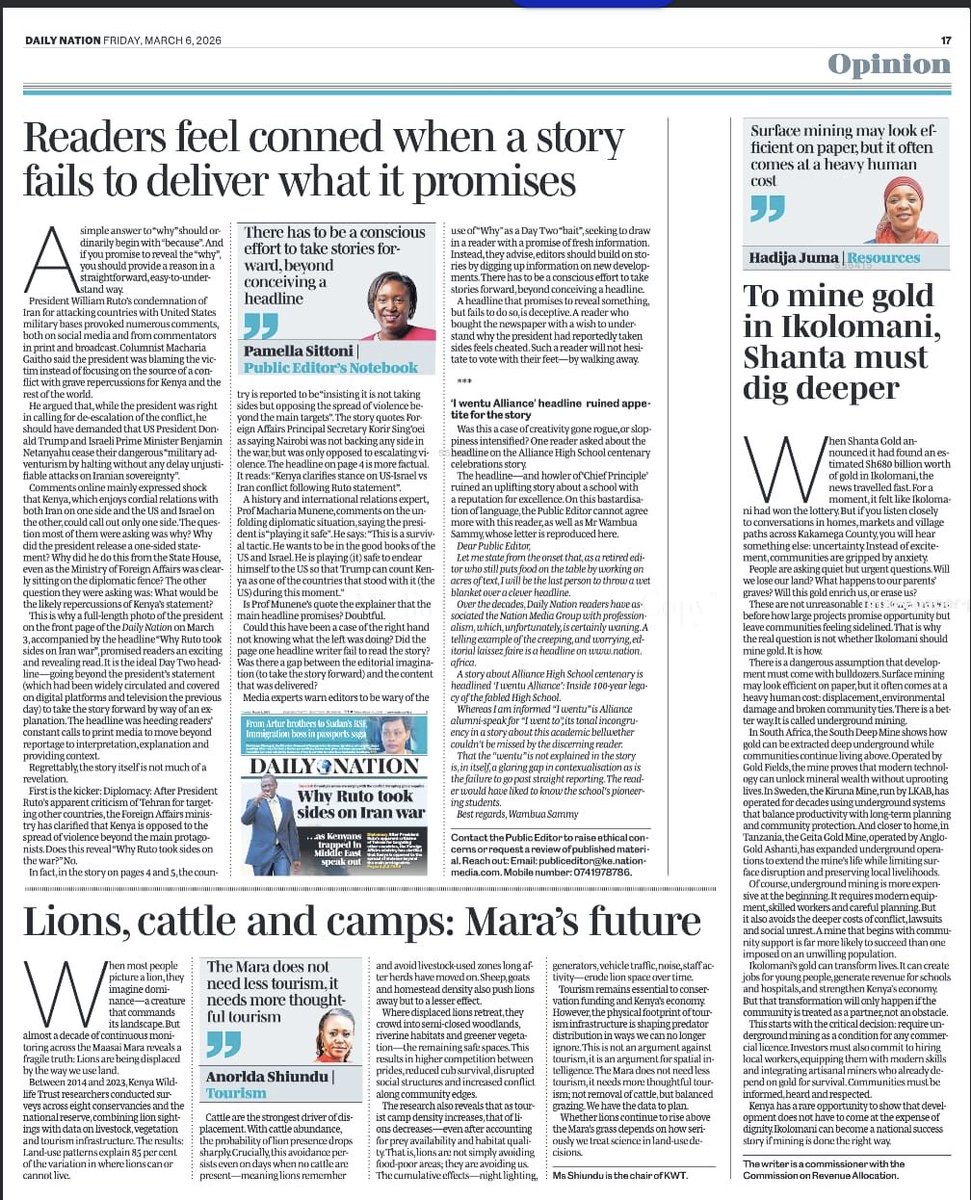
After nearly a decade of monitoring lions in the Maasai Mara, the data is clear: land use now explains 85% of where lions are found.
Grazing, tourism and wildlife share the same landscape. How we share the landscape matters.
More in today’s Daily Nation. @KenyaWildTrust
We are pleased to announce that the MPCP website has been fully restored following our recent technical maintenance.
You can once again access all our research, impact reports, predator stories, and community program updates without interruption.
📌 https://t.co/Bft5PIrE54
Please be advised that the MPCP website is currently offline for scheduled maintenance. We are working to restore full access as quickly as possible.
While we are away, stay tuned here for updates.
📧[email protected]@KenyaWildTrust
"If we don't take care of the Mara, it won't take care of us." - Brian Kaelo
In this episode of Guardians Unplugged, Brian reflects on his journey from herding livestock as a boy in Enonkishu to using advanced data to solve human-wildlife conflict.
📌https://t.co/vHmYAVH5Mq
Featured in @Tourism_Update.🗞️🦁
Our new study reveals a critical link: High densities of tourist camps = lower lion densities in parts of the #MaasaiMara. We need to balance revenue with ecology.
Read how science is calling for smarter spatial planning: https://t.co/nFhpaf1znc
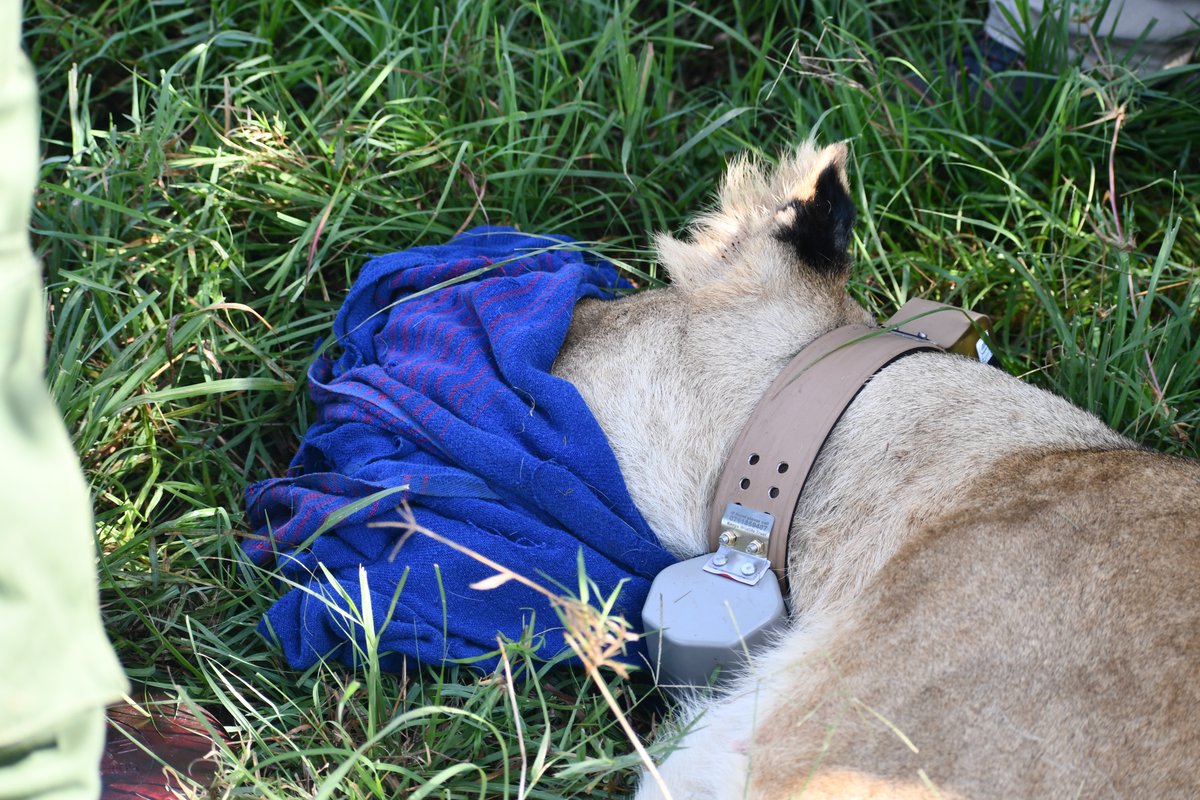
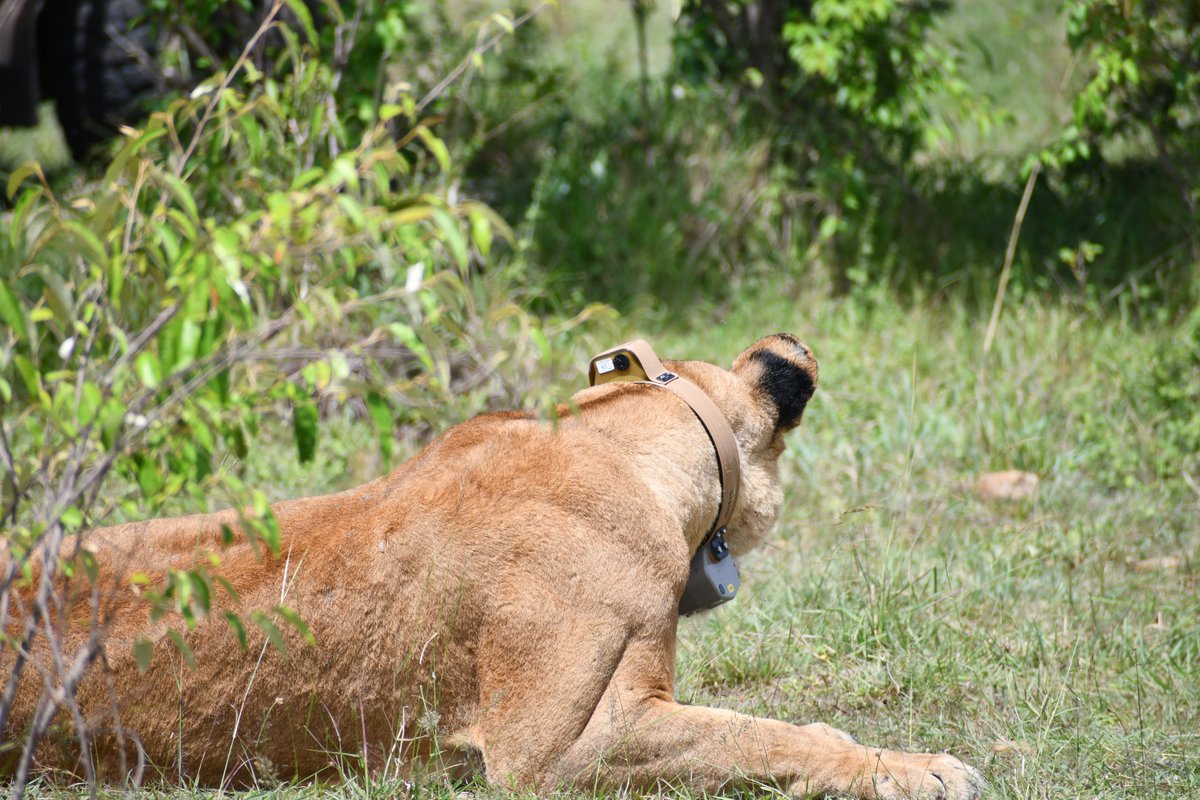
These collars are an important tool to support our real-time conservation efforts.
Learn more here: https://t.co/NJ9heuEpre
To support our work: https://t.co/6oHP4ynfjb
3/3
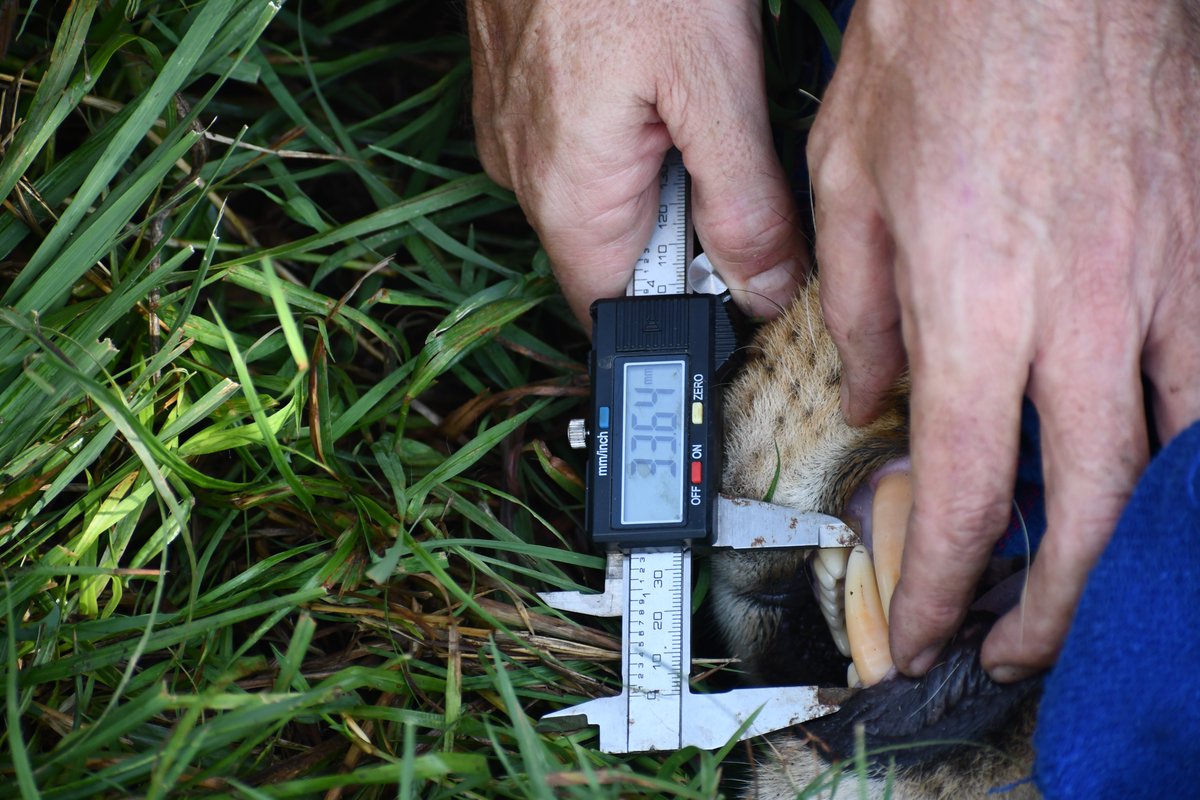
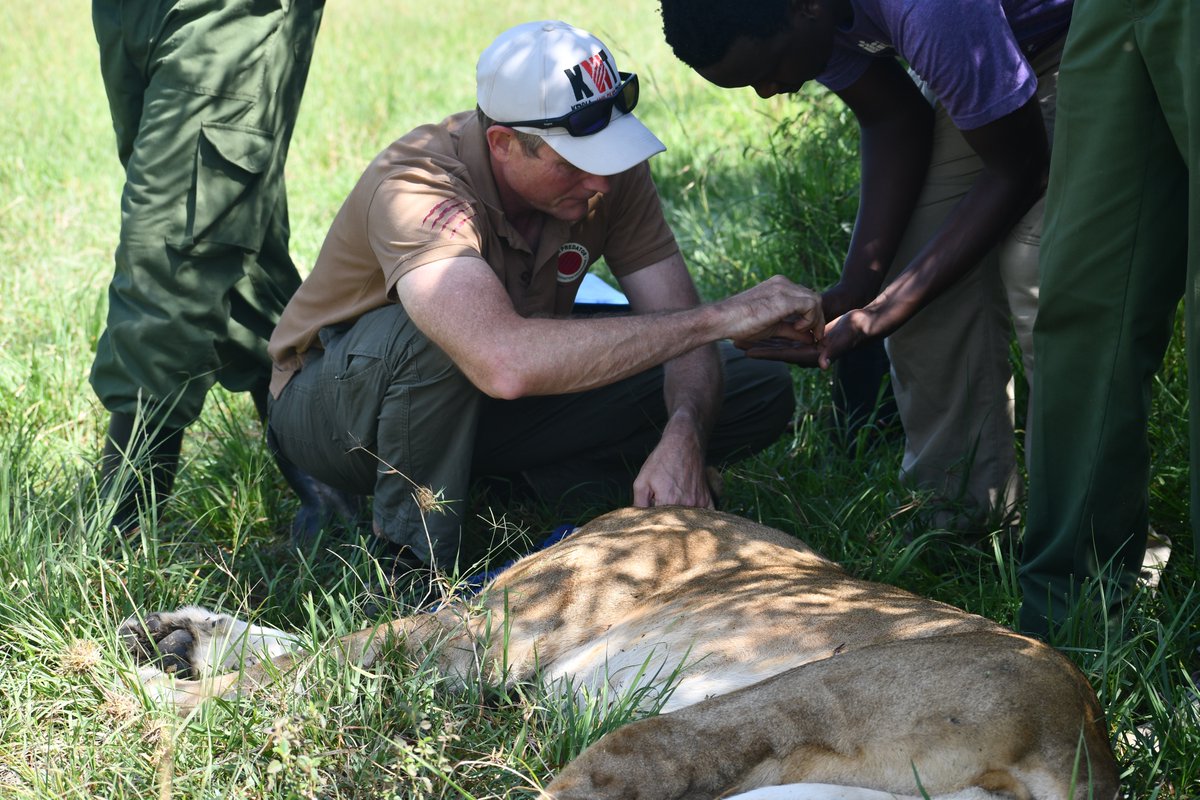
Last week, in collaboration with the Maasai Mara National Reserve, we deployed two GPS collars on lions from high-risk areas to help reduce human-livestock conflict. The selected prides experience ongoing conflict pressure, and the collars will enable real-time monitoring...
1/3
..to support proactive management and help prevent direct encounters with cattle.
The GPS collars (weighing less than 1% of a lion’s body weight) were fitted on Sukari, a female from the Fig Tree Pride, and Zawadi, a female from the Isanshu Breakaway Pride.
@KenyaWildTrust
#PredatorWatch is back, and the Masai Mara National Reserve is already heating up. This week, Fig Tree Boys, a coalition of three young males, clashed with the Kisinja male, Mzee, in Simba area.
Read the full story: https://t.co/uj2vclsGWB
@KenyaWildTrust
Did you know you can support predator conservation in the Mara Ecosystem directly from the UK? 🇬🇧🦁
KWT projects are supported by Kenya Wildlife Trust UK (KWT-UK), a registered charity dedicated to funding our work.
Visit https://t.co/zTVsaTQ4P4 to get started.
@MaraPredator
Wildlife tourism is the economic engine of the Maasai Mara, funding conservancies and supporting livelihoods. But is there a tipping point where tourism infrastructure begins to displace the very predators guests come to see?
Access our Management Report: https://t.co/QWwu9i9zax
Our latest research, led by Senior Programme Scientist Niels Mogensen and published in Conservation Science and Practice, addresses this question. By analysing years of spatial data, we found a direct correlation: High densities of tourist camps negatively affect lion density.