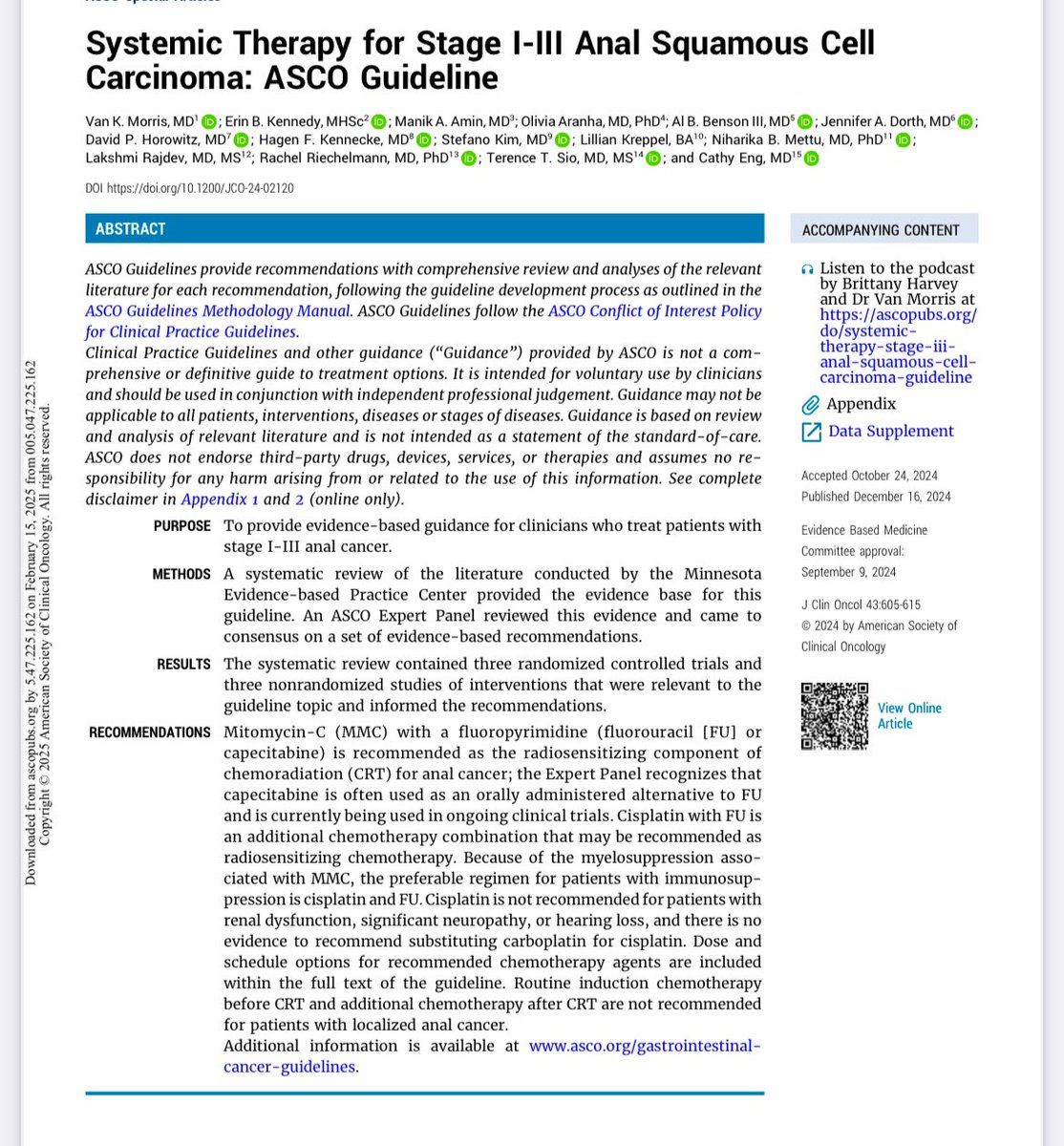
What just happened in Oncology? 5 new drugs/indications ✅ @FDADrugs in August 2026. As a #CommunityOncologists, we need to know them all:
1. #Rusfertide in Polycythemia Vera, improved phlebotomy (76.9% vs. 32.9%)
2. #Daraxonrasib in 2L metastatic pancreatic cancer, mOS 13.2 Vs 6.7mos
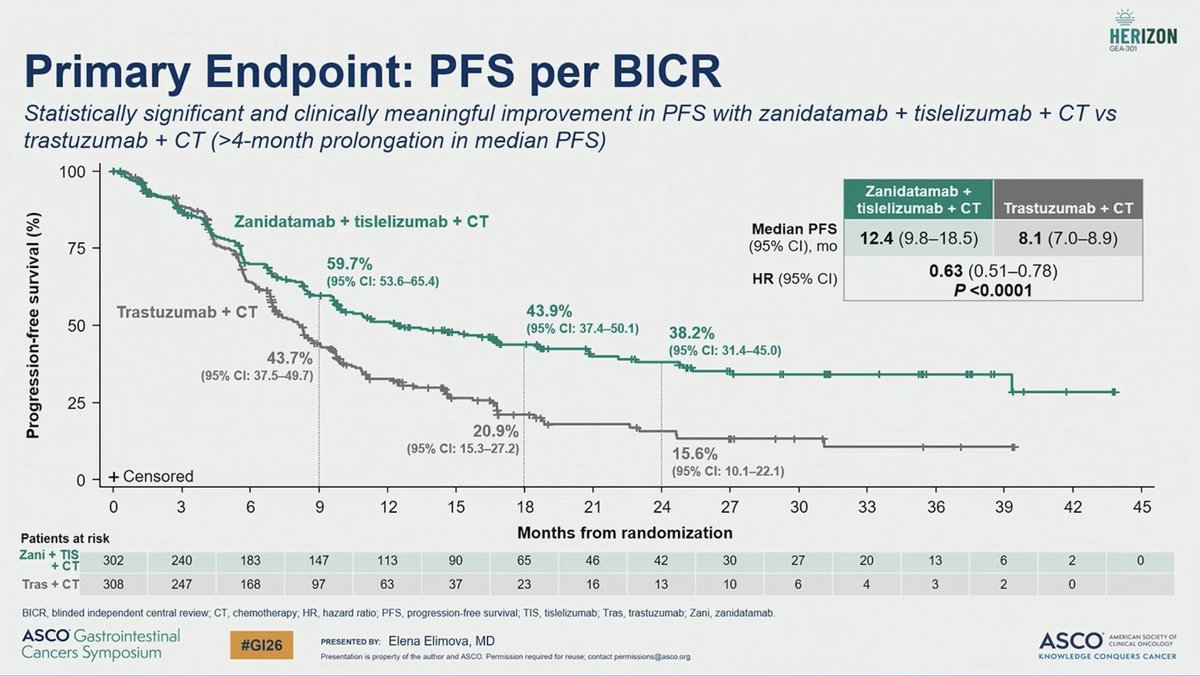
3. #Zanidatamab + Chemo ± Tislelizumab in 1L metastatic Her2+ GEA/Gastric adenocarcinoma, mOS 26.4mos Vs 19.2mos
4. #Iberdomide + Dara + Dex in 2L RRMM, improved MRD negativity (41% vs. 21%)
5. #Vusolimogene + Nivo in refractory Melanoma. ORR of 24.2% and mDOR: 14.1mos.
#pancsm #mpnsm #OncTwitter #HemeTwitter @OncoAlert@OncUpdates
Our one stop place to calculate risk stratification of myeloma, smoldering myeloma (SMM), MGUS, amyloidosis and Waldenstrom Macroglobulinemia.
@myelomaMD@eamadoutoure
Check it out and bookmark!
https://t.co/8e2dLjpXZg
New @ASCO Living Guideline: Stage I–III HR+/HER2− Breast Cancer
The most notable change in ASCO’s new guideline for early HR+/HER2− breast cancer is that it links treatment decisions to thresholds for the 10-year risk of breast cancer death:
• OFS + AI: recommend if >10%
• CDK4/6i: recommend if >25%, consider if 10–25%, generally do not offer if <10%
• Olaparib: the same >25% / 10–25% / <10% framework
• Anthracycline: favor if >25%, consider if 20–25%, generally avoid if <20%
Moving toward absolute benefit is appropriate; however, these are not predictive cutoffs derived from randomized trials, but pragmatic thresholds set by the panel.
💬In my view, this provides a more practical framework for clinical decision-making than previous recommendations. However, the guideline does not specify which model should generate the 10-year risk estimate, and it remains unclear whether existing prognostic tools are adequately calibrated in contemporary patients receiving standard therapy or validated for applying these specific thresholds to CDK4/6 inhibitor and olaparib decisions.
https://t.co/7o697Cy1MN
Daraxonrasib now @US_FDA ✅ based off RASolute302: Daraxonrasib vs. Chemo in 2L metastatic pancreatic cancer:
- ⬆️ OS: 13.2 vs. 6.7mos (HR: 0.4)
- RAS mutation present in >90% pancreatic adenocarcinoma
- One of the biggest advances/news in 2026 for cancer!
#OncTwitter
Based off HERIZON-GEA-01, #Zanidatamab is now @US_FDA ✅ in 1L HER2+ mGEA:
⭐️PhIII, Zanidatamab + Chemo ± Tislelizumab vs. Trastuzumab + Chemo
- mPFS w/ Zani (±Tisle) 12.4 vs. 8.1mos
- mOS for triplet 26.4 vs. 19.2mos HR: 0.72
- ⬆️Diarrhea & Infusion reactions
#OncTwitter
🔬 EGFR-mutant #NSCLC is evolving.
#EGFR TKIs now cover early-stage & locally advanced disease, a milestone in precision oncology.
New combos with anti-angiogenics, chemo, ADCs & bispecifics aim to boost #OS.
📖 @NatRevClinOncol 👉🏻 10.1038/s41571-024-00971-2
Implications of EGFR expression on EGFR signaling dependency and adaptive immunity against EGFR-mutated lung adenocarcinoma
💥EFGR mutations don’t always mean high EGFR-exp
💥Low EGFR-exp has less TP53 mutation and EGFR amplification
💥Low EGFR-exp reduces MAPK signaling
💥Adaptive immunity and inflamed TME increase in low EGFR-exp
💥Low EGFR-exp lowers relapse risk in early stage
💥Low EGFR-exp raises osimertinib failure risk in advanced stage
https://t.co/spZP2O0UIe
Efficacy of Hand Cooling and Compression in Preventing Taxane-Induced Neuropathy
💥Both hand cooling and compression are effective in preventing sensory CIPN during taxane-based chemotherapy
https://t.co/DzLeHv2eWQ
📌 Survival Following CDK4/6 Inhibitor Therapy for Hormone Receptor–Positive, ERBB2–Negative Metastatic Breast Cancer
https://t.co/aky8PAKwAq
👉🏻 In a cohort study of 506 patients with hormone receptor–positive, ERBB2–negative metastatic breast cancer that progressed during endocrine therapy and CDK4/6i agents, younger age, de novo metastatic disease, and visceral involvement were independent factors associated with shorter progression-free survival. Additionally, a duration of CDK4/6i treatment exceeding 12 months was associated with significantly longer overall survival.
@OncoAlert #OncoAlertAF
🚨 Adjuvant RT in Atypical Meningioma: More Harm Than Good? ⚠️💭 @OncoAlert
Does adjuvant ☢️ ⬆️toxicity in resected atypical meningiomas? A new study suggests YES! 🚑
🔍 Objective:
•Compare acute & late toxicities of adjuvant ☢️vs. salvage ☢️& observation.
🛠 Methods:
•230 👥 (2000-2015)
•51 Adjuvant ☢️, 64 Salvage ☢️, 179 Observation
•☢️techniques: IMRT/VMAT, proton therapy, SRS
•Toxicity graded using CTCAE v5.0:
•Acute (≤6m) & Late (>6m)
•Grades 1-4 (mild to severe)
📊 Results:
•Acute toxicity: 90% (adjuvant) vs. 69% (salvage) 🚨
•Late toxicity: 57% (adjuvant) vs. 33% (salvage)🆘
•Radionecrosis: 18% (adjuvant) vs. 8% (salvage)🥲
•No OS difference between groups
🎯 Conclusion:
Adjuvant ☢️ ⏫toxicity without OS benefit. Should we rethink its routine use? 🤔 #RadOnc #Meningioma #NeuroOnc
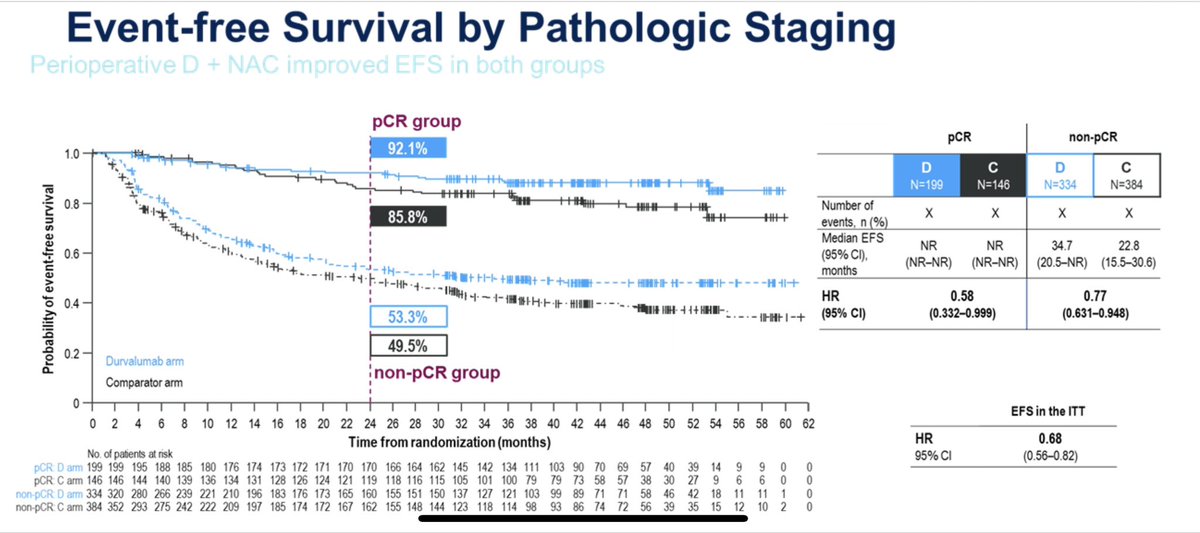
NIAGRA: neoadjuvant gem/cis +/- perioperative durvalumab shows significant OS and EFS. #GU25@MattGalsky now shows the prognostic relevance of pCR. It also showed the durvalumab outperforms the control arm irrespective of pCR. @OncoAlert
📢🧬Our study on SGLT2 and papillary RCC has been published!
@myESMO @OncologyAdvance
➡️SGLT2 inhibitors dramatically changed the treatment of diabetes, heart failure and chronic kidney disease
❗️SGLT2 is selectively expressed in kidney
✅Our study suggest SGLT2 may be a potential biomarker and target in papillary RCC, calling for further studies
👉https://t.co/zvNxVQfG9E
@DrYukselUrun@yekeduz_emre@DanaFarber_GU@OncoAlert@weoncologists #cancer #Oncology #MedX
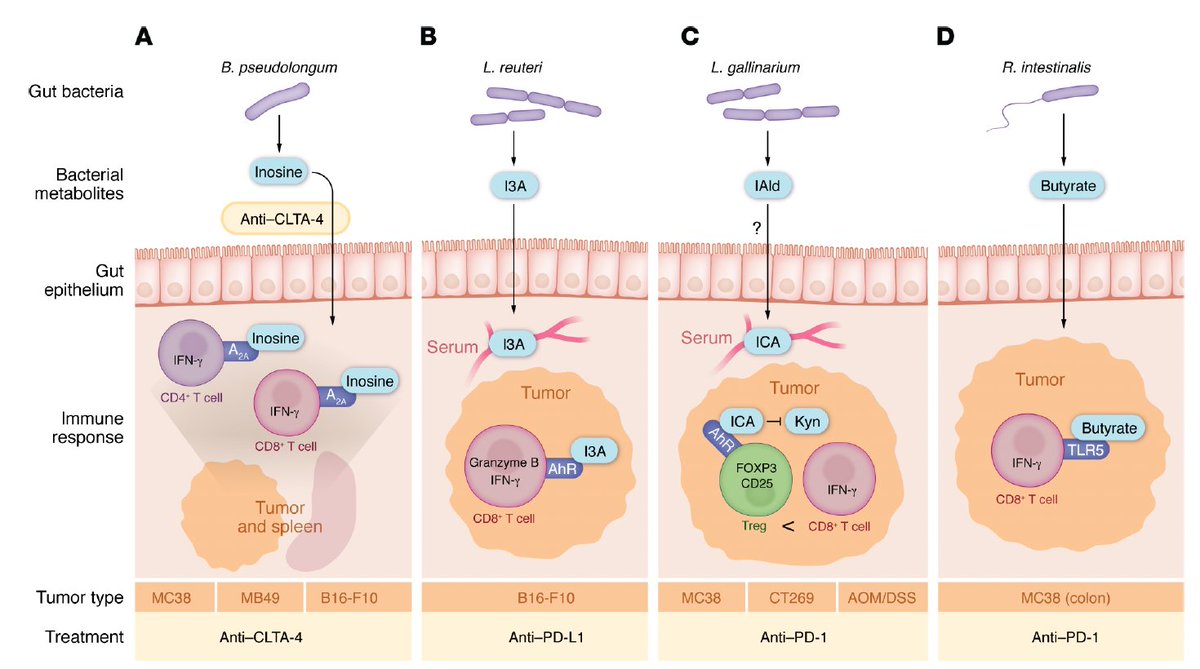
Our gut microbiome and its metabolites have key interactions with our immune response to cancer and success from cancer immunotherapy. Nice perspective of a rapidly evolving field. @jclinicalinvest https://t.co/yi2neCDXbN