🚨Preprint alert v.2🚨🤩
I am super excited to share the preprint of another of my PhD chapters in #Zymoseptoria on BioRxiv:
"Interspecies hybridization as a route of accessory chromosome origin in fungal species infecting wild grasses"🧵👇(1/8)
https://t.co/n21hmxoc8L
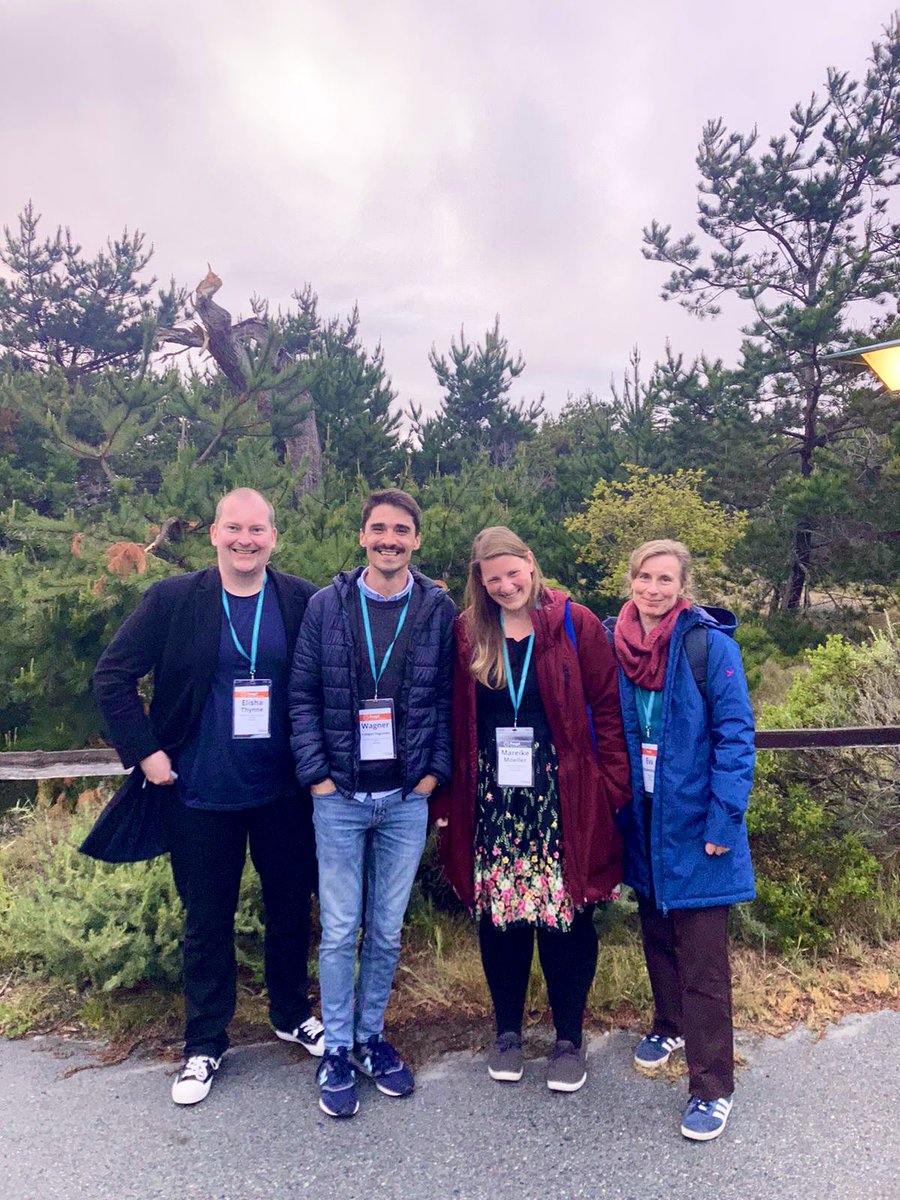
Registration has started for the Fungal Genetics Conference #Fungal24! Looking forward to organizing the session ‘Chromatin and Chromosome Biology‘ with @MareikeMM, many thanks to the organizers Michael Freitag and Natalia Requena for this opportunity! https://t.co/oRoOvGqdM2
Very happy to have been awarded a @MSCActions global postdoctoral fellowship to study genome evolution in rust fungi with @schwessinger at @PlantSci_ANU and the Global Rust Reference Center (GRRC) @AarhusUni. Super excited to start working on the R-evolution project soon!
Extremely thankful and excited to be starting a Junior Research Group this year @LeibnizHKI to work on the fungal human pathogen Fusarium. Please come join me - an enthusiastic #newPI - by applying for the open PhD and Postdoc positions listed below! Please RT!
Excited to share our new study on chromatin dynamics in facultative heterochromatin! We find that H4K20me3 and Ash1-mediated H3K36me3 are important for transcriptional silencing and that Ash1 activity depends on the presence of H4K20me3.
https://t.co/kTY0egYliN
Both, H4K20me3 and Ash1-mediated H3K36me3 are important for accessory chromosome stability and silencing. Absence of these marks, especially H4K20me3, results in increased expression of non-annotated transcripts that may act as regulatory RNAs.
Along with this study, we also published (updated) protocols for ChIP-seq in Zymoseptoria (works well in other filamentous fungi), stranded mRNA library prep, Illumina ChIP-seq libraries and Zymoseptoria transformation.
We also performed Hi-C experiments and found that accessory chromosomes and other regions of facultative heterochromatin do not interact with transcriptionally active regions. This lack of interaction is not H3K27me3 dependent.
Join us via Zoom tomorrow, 28 Sep 12noon, @MareikeMM gives a seminar on 'Chromatin structure and DNA methylation as drivers of intraspecies genome variability and evolution in a fungal plant pathogen'. https://t.co/2zTpXPsJGR #seminar
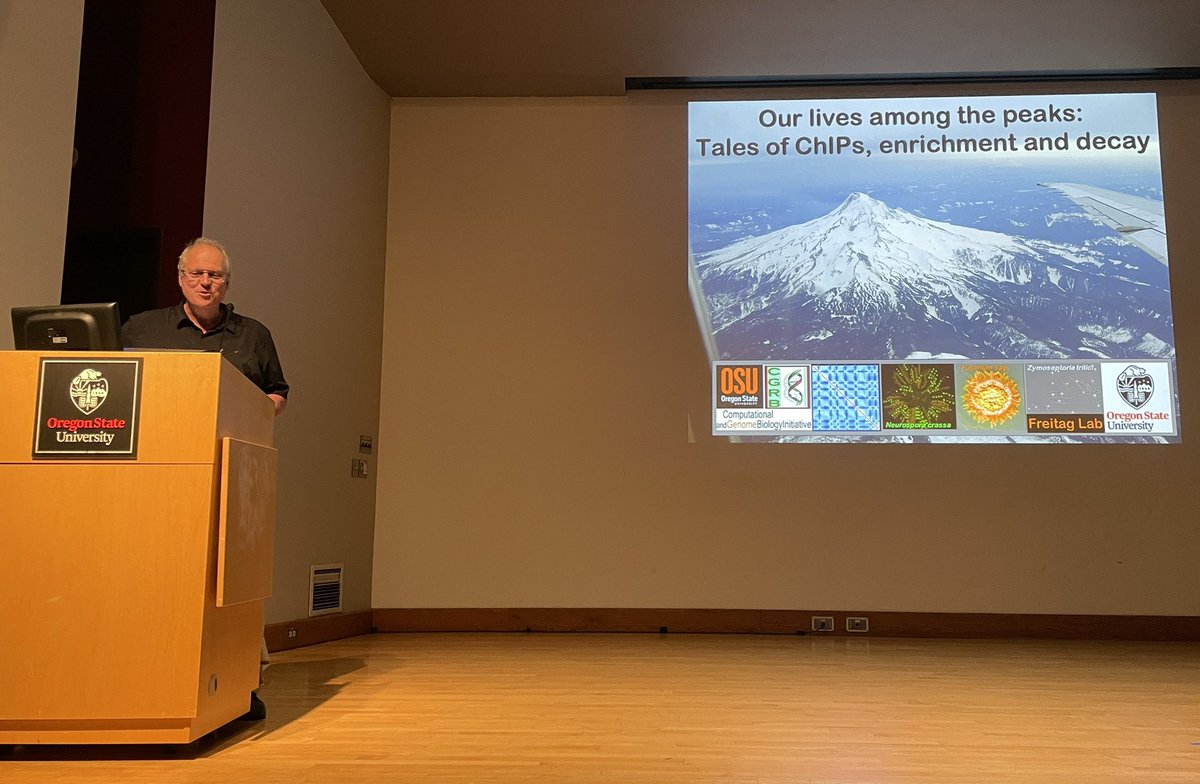
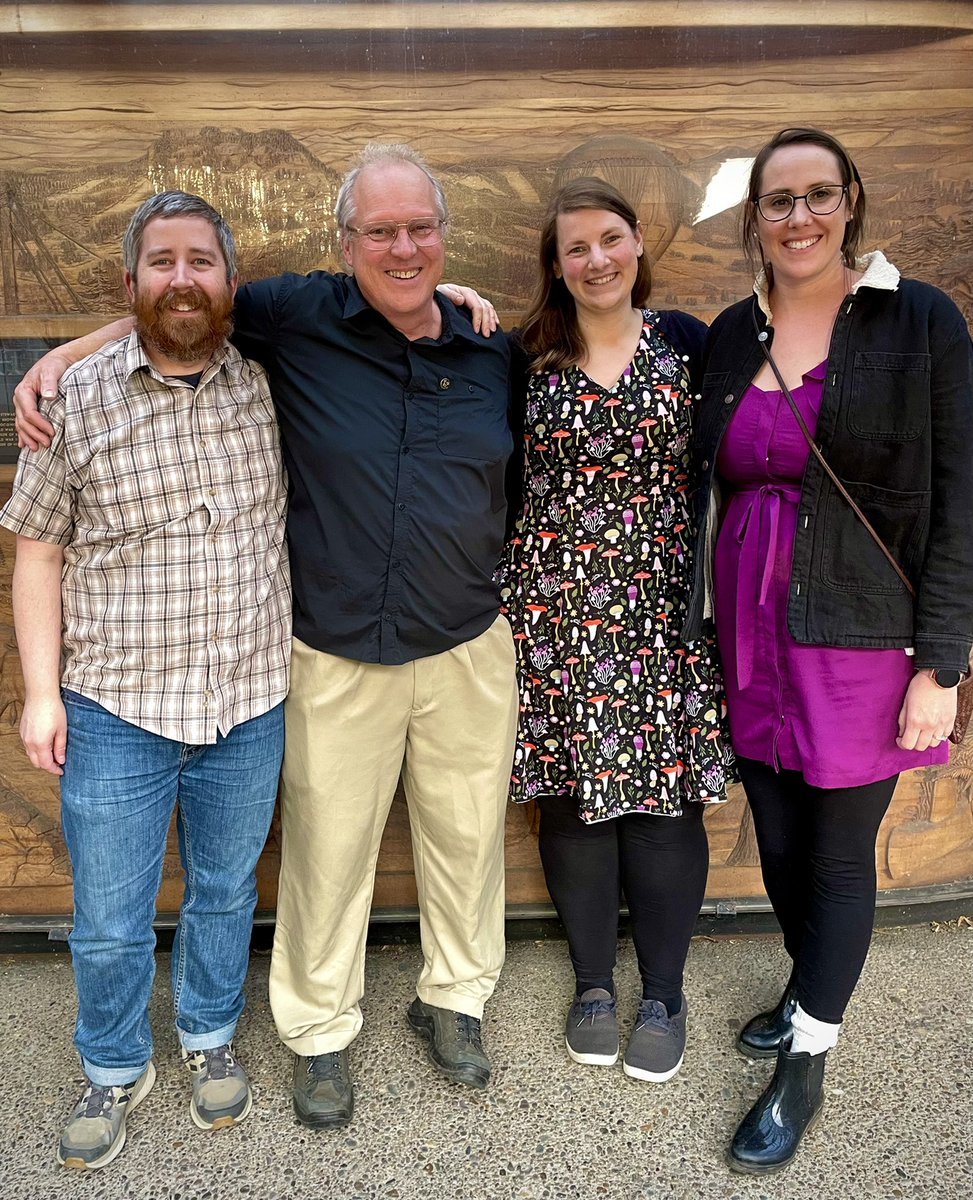
Great F.A. Gilfillan Memorial lecture by Michael Freitag tonight @OregonState about fungi as model organisms for fundamental (epi-)genetics research. So much more to discover still! @RidenourJB@funngAlly@OregonStateBB https://t.co/8c779KUUiF