@FedCSIS AI-powered early Parkinson’s detection research from FedCSIS 2020 has now reached 49 citations in Scopus.
Authors: R. Damaševičius, O. Abayomi-Alli, R. Maskeliūnas, A. Abayomi-Alli.
Read the full paper:
https://t.co/o6TrwNKmeS
@FedCSIS 2026 participants: planning your stay in Riga?
Check the list of recommended hotels near the venue, including special discounted rates for attendees: https://t.co/Ut8MkFglvB
Note: participants arrange accommodation individually.
#FedCSIS2026#Riga#Conference
@FedCSIS AI Poland has taken honorary patronage over the FedCSIS conference
Proud to support initiatives advancing AI and computer science, and to help create a space for knowledge exchange and innovation.
🔗 FEDCSIS: https://t.co/km9r1rmdSe
See you there!
Title and abstract of FedCSIS 2026 keynote presentation of Professor Sabou, Marta, from Vienna University of Economics and Business (https://t.co/2s4m7ffHSm) is available here (this is hot offf the press news ;-): https://t.co/HRmnGq47c5
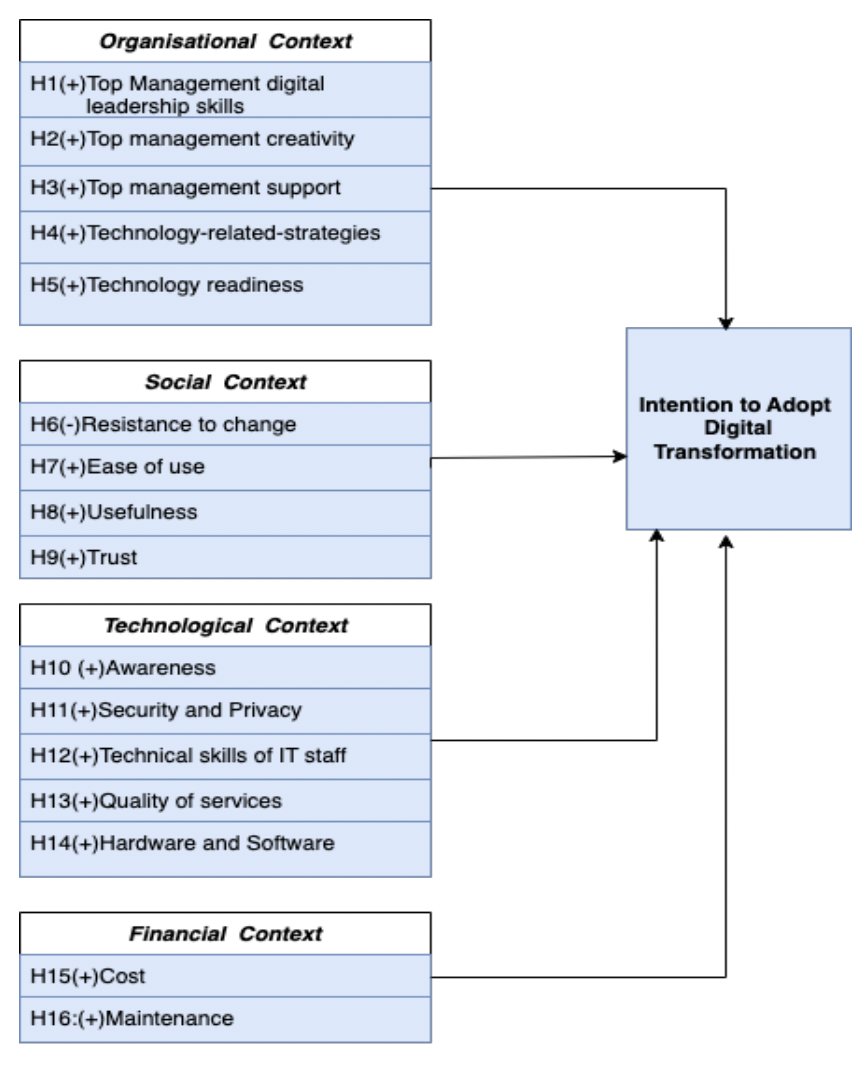
A conceptual framework for #DigitalTransformation Adoption in Saudi Arabian Universities: “DTA-SAU: A Conceptual #Framework for Digital Transformation Adoption in Saudi Arabian Universities” by R. Alsulami, N. Beloff, M. White. ACSIS Vol. 41 p. 19–28; https://t.co/HSLjNOXMBb
Harnessing LLM tools to generate #OpenCL code for non-serial polyadic #dynamicprogrammingkernels: “Automatic Generation of OpenCL Code through Polyhedral Compilation with #LLM” by M. Palkowski, M. Grużewski. ACSIS Vol. 39 p. 671–676; https://t.co/ySk7snKJET
Next keynote in our FedCSIS 2025 series, presented by Catholijn Jonker.
Keynote Title: Hybrid Intelligence to Strengthen the Reflective & Learning Capacity of Organisations
Watch the recording on YouTube: https://t.co/K2FjHlmUUY
An extended approach for #trainrouting under #movingblockcontrol, with evaluation of #lazyconstraint strategies: “Comparing Lazy Constraint Selection Strategies in Train Routing with Moving Block Control“ by S. Engels, R. Wille. ACSIS Vol. 39 p. 585–590; https://t.co/vVvgct4gIT
Introducing the concept of transformation #antipatterns: “Evolving the #EnterpriseSoftware Systems Landscape: Towards Anti-Patterns in Smalltalk-to-#Java Code Transformation“ by Marek Bělohoubek, Robert Pergl. ACSIS Vol. 39 p. 567–572; https://t.co/04LUAj3ShU
Investigating the evolving landscape of soft skills assessment with the integration of artificial intelligence (#AI) technologies: “Exploring the role of Artificial Intelligence in assessing #softskills“ by M. Ciaschi, M. Barone. ACSIS Vol. 39 p. 573–578; https://t.co/OFLMNdSZhN
Augmenting spoken language corpora for the purpose of training a #speechrecognition system: “Spoken #LanguageCorporaAugmentation with Domain-Specific Voice-Cloned Speech“ by M. Czyżnikiewicz, Ł. Bondaruk, J. Kubiak, et al. ACSIS Vol. 39 p. 579–584; https://t.co/neIyQBOwXV
Describing design and development of METRIQA platform, hosting the Italian #agrifood data space: “#Agricultural#DataSpace: the METRIQA Platform and a Case Study in the #CODECS project“ by M. Bacco, A. Kocian, A. Crivello, et al ACSIS Vol. 39 p. 543–548; https://t.co/3JmXv3TnGn
Recording of the next keynote in our FedCSIS 2025 series, presented by Robertas Damaševičius, Professor of Kaunas University of Technology, Lithuania.
Keynote Title: AI-Driven Innovations in Brain Cancer Research
Watch the recording on YouTube: https://t.co/Jjn4vwH7Ld
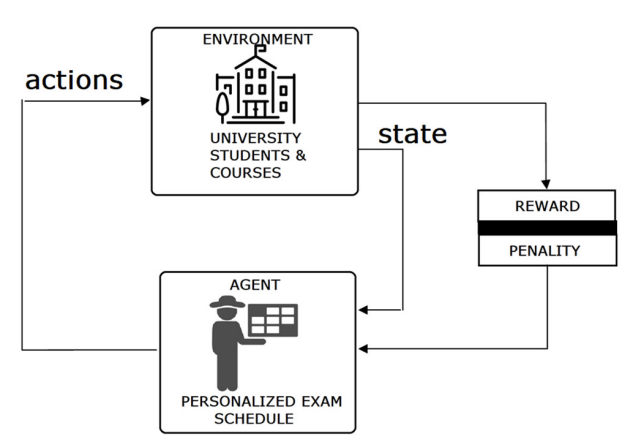
Exploring the potential of utilizing #RL for personalized #examscheduling: “#ReinforcementLearning based #IntelligentSystem for Personalized Exam Schedule“ by M. Barone, M. Ciaschi, Z. Ullah, A. Piccardi. ACSIS Vol. 39 p. 549–553; https://t.co/5xON6YBSbZ
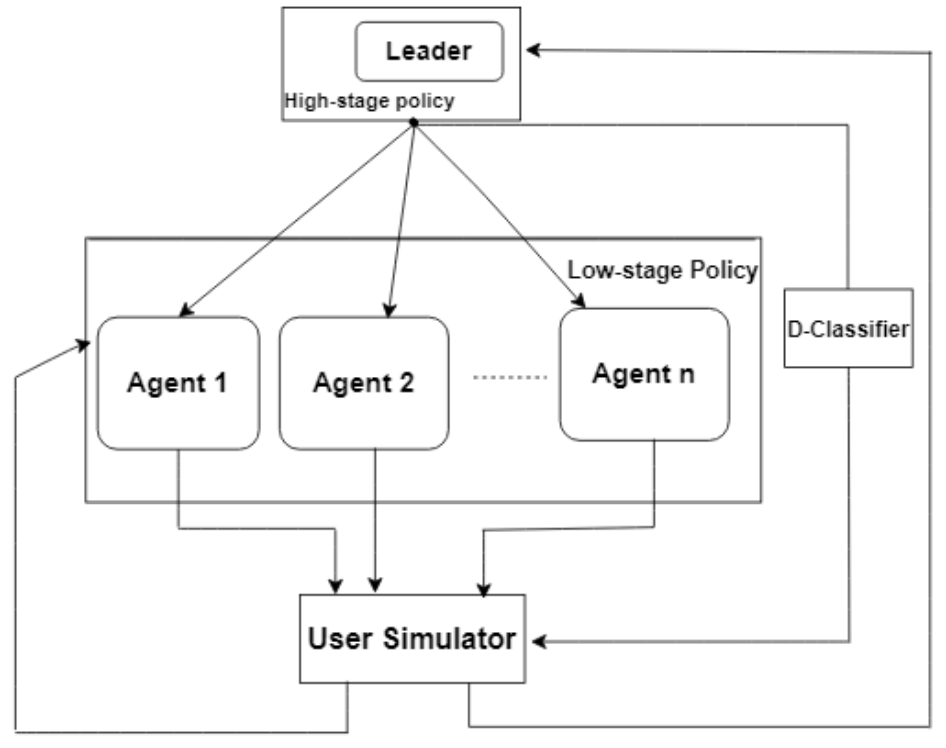
Incorporating #HRL model with layers of Deep Q-Network for dialogue-oriented #diseasediagnosis system: “Disease Diagnosis On Ships Using Hierarchical #ReinforcementLearning“ by F. Batool, T. Hasan, G. Tretola, Z. Ullah, M. Abbas. ACSIS Vol. 39 p. 555–559; https://t.co/EJgtSsws2o
“#Dashboard User interface (#UI) Implementation for remote critical infrastructure inspection by using #UAV/#Satellite in times of pandemic“ by R. Bratskas, D. Papachristos, P. Savvidis, G. et al. ACSIS Vol. 39 p. 561–566; https://t.co/XCFS6Rh7t5
Another great article from the FedCSIS conference: “Overview of the Transformer-based Models for NLP Tasks ” authored by Gillioz, A., Casas, J., Mugellini, E., Khaled, O.A. available at: https://t.co/Ge4sM7U7HA (380 citations in Scopus)
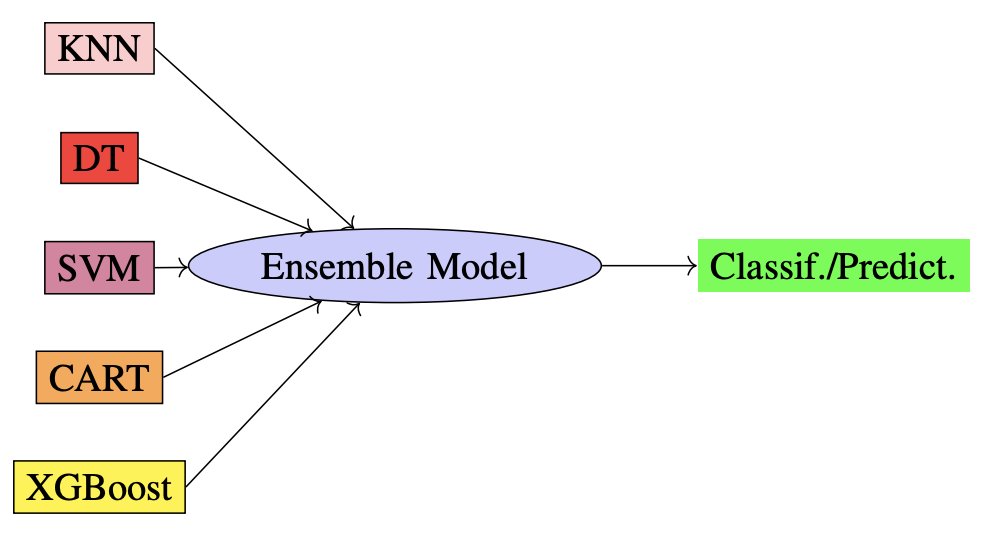
Providing a better understanding of the dynamics of the COVID-19 #pandemic and for informed decision-making under uncertainty: “A novel #ensemblelearning technique of #shallowmodels applied on a COVID-19 dataset“ by Diogen Babuc. ACSIS Vol. 39 p. 537–542; https://t.co/Lt4f66w33i