Reaching 150,000+ readers with Deep Learning for a Digital Age, integrating academic knowledge for a global audience. EST 2017 Editors @samuelloncar @A_Barylski
Many thanks to Amit Majmudar at @MarginaliaROB for this compelling interview with Jane Zwart!
"But when I say sometimes my faith comes into my poems, which implies that sometimes it doesn’t, that doesn’t account for where my poems come from."
https://t.co/SBy4inZZSZ
New Issue! 🎉 Uncanny Lives: Post-Classical Islamic Philosophers, Ascetic Practitioners, and an Interview with Poet, Jane Zwart 🎉featuring:
📚Part Two of our forum on The Formation of Post-Classical Philosophy in Islam (@OUPAcademic) by Frank Griffel, the Professor in the Study of Abrahamic Religions at the Faculty of Theology and Religion @UniofOxford and Fellow at Lady Margaret Hall.
The forum includes two specialists in the history of medieval Arabic and Jewish philosophy: Peter Adamson (@LMU_Muenchen) and Carlos Fraenkel (@mcgillu), and is moderated by Marginalia’s Editor-in-Chief, philosopher @SamuelLoncar.
🪶 Poet Jane Zwart, co-director of @CCFWgr, who is interviewed by Marginalia’s George Steiner Editor of Poetry and Criticism, Amit Majmudar, about her new book with @OrisonBooks
🧊Marginalia’s Sr. Editor, Yonah Lavery-Yisraeli’s essay, “Why Do We Torture Ourselves? Ice-baths, Fasting, and the Allure of Discomfort,” reflecting on Jewish asceticism and T.E. Lawrence’s memoir, the Seven Pillars of Wisdom
Editorial by our Executive Editor, @A_Barylski
Read it all here: https://t.co/NwAfmM65a6
🎉 We have a new issue fresh off the press featuring: an exciting announcement about our Editor-in-Chief, philosopher @SamuelLoncar, an essay by @AmitMajmudar on India’s epic poems, a review by Matt McManus on Capitalism: A Global History (@penguinrandom) by @Sven_Beckert, the Laird Bell Professor of History @Harvard, and a translation of Tang Dynasty poet, Wang Wei, by Aaron Poochigian.
Read Now: https://t.co/lo2IM0mcj7
If you want to understand the current attempts to sever Jesus from his Jewish roots, this article by @SamuelLoncar is invaluable. https://t.co/fYssO8AaA0
Passover, Easter, George Eliot, Harvard (@HavardUnivers), and the story of human freedom. Essential reading that includes a range of essays, reviews, and forums everyone should read on Judaism and Christianity.
. #Pesach#Passover#GoodFriday#Easter Editorial by our Executive Editor, @A_Barylski
https://t.co/9JfSAtrdim
🎉New Issue! | The arc of justice bends according to the human will. There is nothing inevitable about progress. That is the myth: the idea that history happens, rather than that we shape it. Progress is real, and therefore contingent. It is precisely our responsibility to consolidate what has been gained in order to advance it.
This issue features:
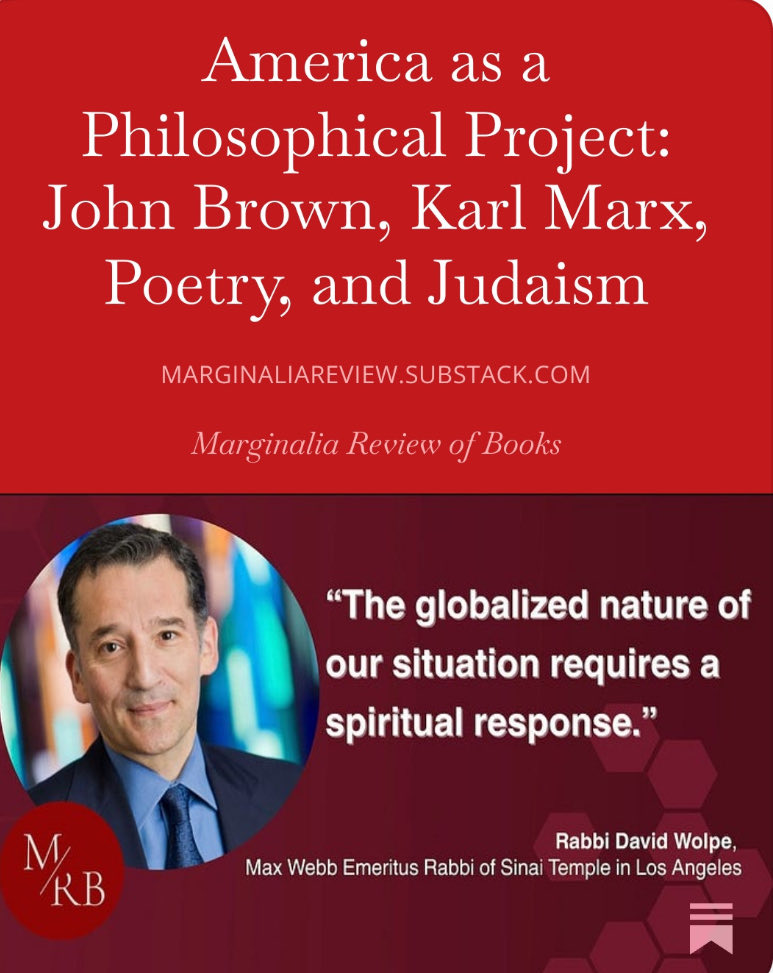
✡️one of America’s most influential rabbis, Rabbi David Wolpe, Max Webb Rabbi Emeritus of Sinai Temple, Los Angeles, who shares his reflections on the global challenges we face today and the existential responses required to navigate them as a species
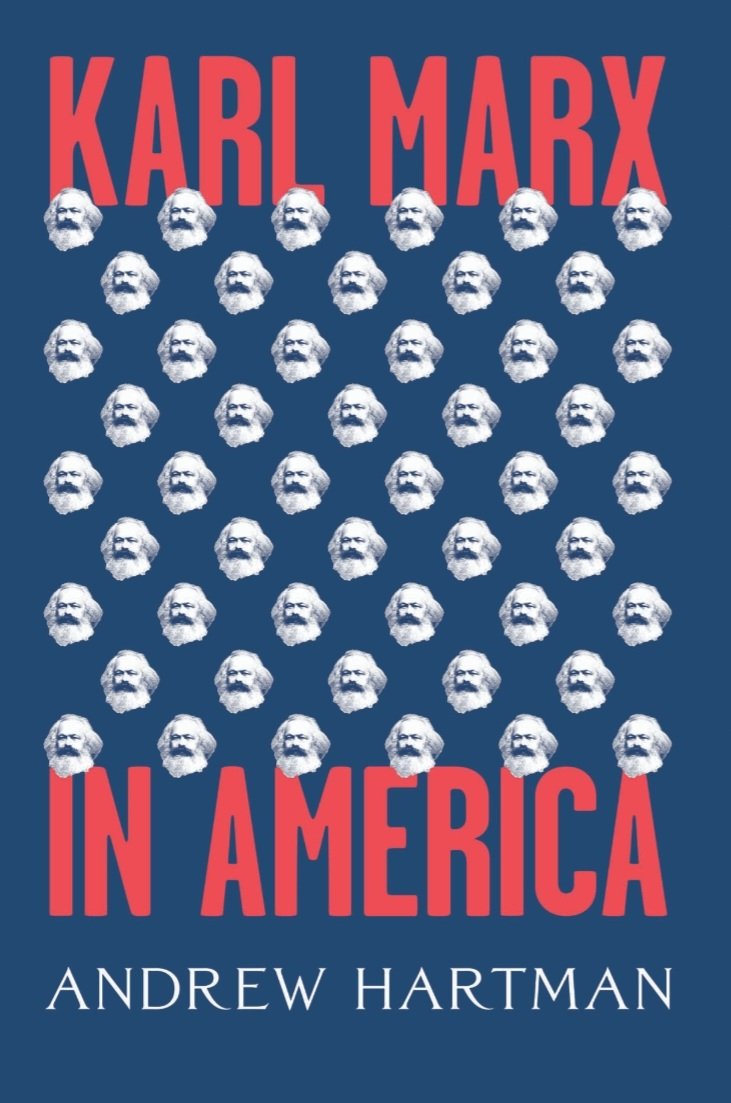
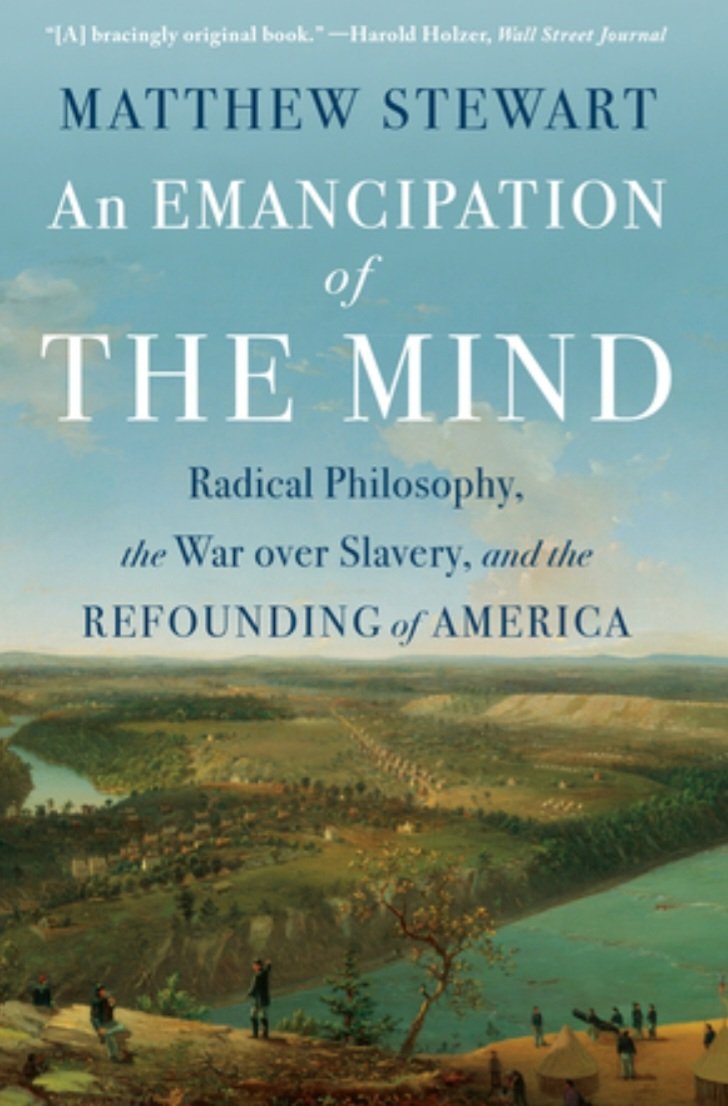
🇺🇸 🇩🇪Kelly M.S. Swope reviews Matthew Stewart’s An Emancipation of the Mind and Andrew Hartman’s (@HartmanAndrew) Karl Marx in America, both from @wwnorton in his essay, “The German Philosophy that Emancipated America”
📚related to Swope’s review, we feature @SamuelLoncar’s 2013 review of David Hollinger’s After Cloven Tongues of Fire (@PrincetonUPress) and Molly Worthen’s Apostles of Reason (@OUPAcademic), showing how nineteenth‑century German liberal theology reshaped American elite Protestant discourse at the founding of our nation and explaining why current debates over “liberal” vs. “evangelical” faith still unfolded in a conceptual framework of German philosophers and theologians
🪶 and poet and translator Michael Bazzett contributes to the translator’s workshop series, where he explores the linguistic fluidity of K’iche’ Maya poet, Humberto Ak’abal (thank you, @AmitMajmudar, our George Steiner Editor for Poetry and Criticism, for curating this series!)
https://t.co/fPSVhBCg3M
Excited about this review by Kelly Swope I edited for @MarginaliaROB. He looks at two books: Matthew Stewart's An Emancipation of the Mind and @HartmanAndrew's Marx in America - using Du Bouis's bio of John Brown as a way in. I love Kelly's writing here - check it out! 👇