🇪🇸 | El Dr. español Mariano Barbacid y su equipo, financiados con fondos privados, lograron curar el cáncer de páncreas en ratones de forma duradera y sin efectos secundarios.
Ahora piden apoyo financiero para llevar este avance a los pacientes.
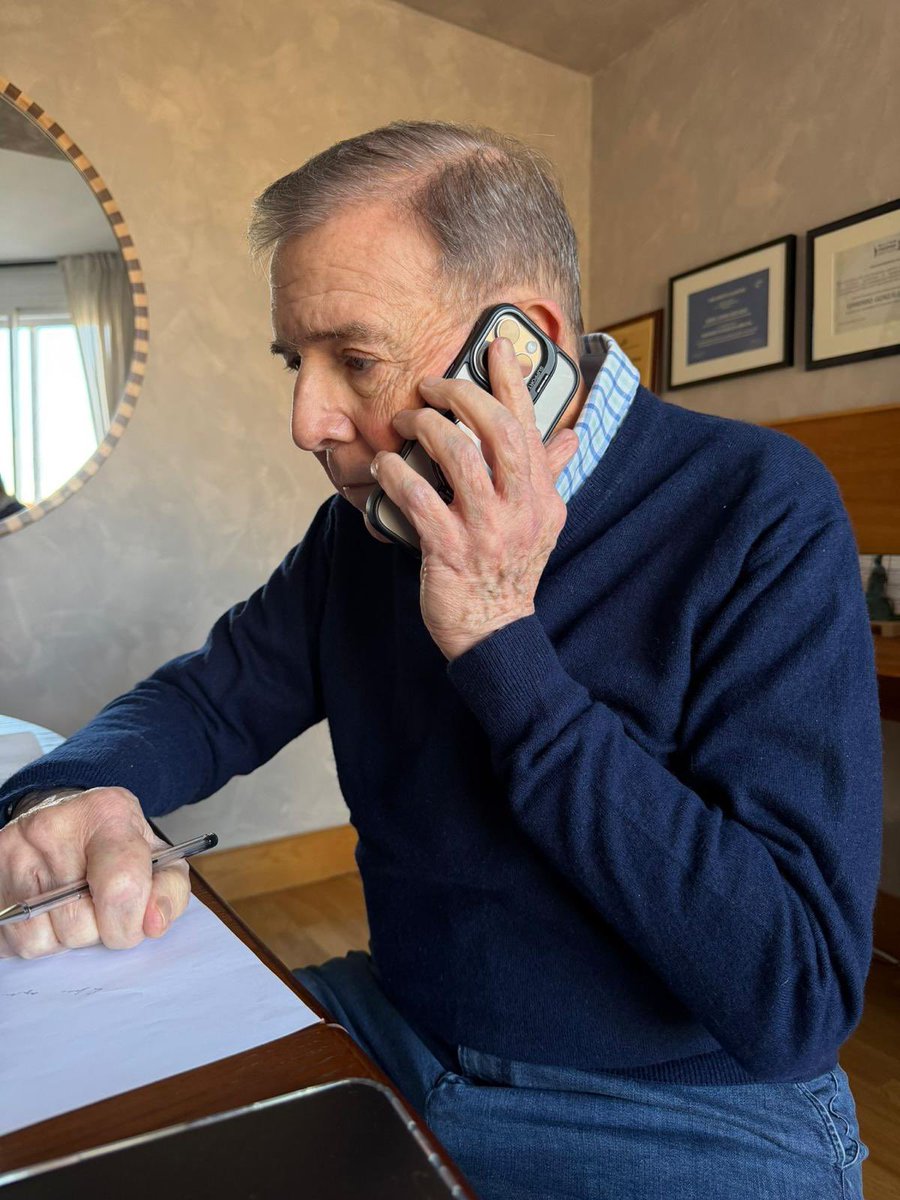
Quiero informar que tuve una conversación telefónica -duró 17 minutos- con el presidente del Gobierno de España, Pedro Sánchez, sobre la situación de Venezuela.
Le manifesté que la liberación de los presos políticos venezolanos no puede ser selectiva y además debe ser verificada, sin duda, libertad plena e incondicional.
La comunidad internacional —y España en particular— conoce bien la diferencia entre gestos tácticos y compromisos reales con la democracia y el Estado de derecho.
Venezuela necesita una transición real y para ello debe haber libertad para todos los presos políticos,
fin de la persecución, desarme de los grupos paraestatales y respeto a la voluntad popular manifestada en 28 de Julio.
Nuestro compromiso es: lealtad al pueblo, a la libertad y al Estado de derecho.
Nunca traicionaremos nuestros principios, esa será la base de la reconstrucción de la nación.
Venezuela merece un futuro con derechos y esperanza.
I got into MBBS in 2004.
In the last 20 years, I have seen many doctors protests.
I have never seen a protest like the one that is ongoing in West Bengal.
Usually doctors associations are unable to handle the pressure of authorities and give up after getting fake assurances.
WB residents have done what perhaps no one could do in decades.
Proud of you guys
Los informes del Panel de Expertos de la ONU y del Centro Carter, invitados internacionales del CNE, confirman la falta de transparencia en los resultados anunciados y la veracidad de las actas publicadas, que demuestran nuestro triunfo indiscutible. La voluntad del pueblo de cambiar en paz y vivir mejor, expresada el 28 de julio, es sagrada y debe ser respetada.
#Venezuela: Las continuas detenciones arbitrarias y el uso desproporcionado de la fuerza alimentan el clima de miedo, advierte el Alto Comisionado para los Derechos Humanos @volker_turk
https://t.co/MYteMWI1Ks
VA PENSIERO CON NUESTRO HIMNO (improvisación)
Yo sigo muy optimista y no podemos decaer.
El régimen secuestra, tortura y asesina a nuestra bella gente, y estos dos temas musicales en este momento comparten el mismo mensaje. @MariaCorinaYA@VenteVenezuela@tovarr@pburelli@OrlvndoA@jaimebelloleon
Lo acabo de colgar aquí en YouTube:
https://t.co/ZmEXuJogZG
Agradecemos a la ONU, OEA, Unión Europea, los Estados Unidos, Brasil, Colombia, Chile, México, Argentina, España, Italia, Portugal, Perú, Costa Rica, El Salvador, Uruguay, Ecuador, Panamá, Guatemala, República Dominicana y Paraguay, por instar al respeto de la voluntad de los venezolanos expresada el 28 de julio, requiriendo la publicación por mesas de las actas de votación por parte del CNE, tal como lo expresa nuestro ordenamiento jurídico y el comunicado publicado por el Centro Carter, observador internacional invitado por el CNE.
La comunidad internacional y los venezolanos pedimos respeto a los resultados y transparencia electoral con la publicación de todas las actas.
La verdad es el camino a la paz.
New Interns, medical students, or any providers! Today is my last day of residency. It's crazy to think how far I have come. For your consideration:
5 Things I Wish I Knew Then, That I Know Now
Please share with whoever.
Photo: A Clueless MS1
Fun fact.
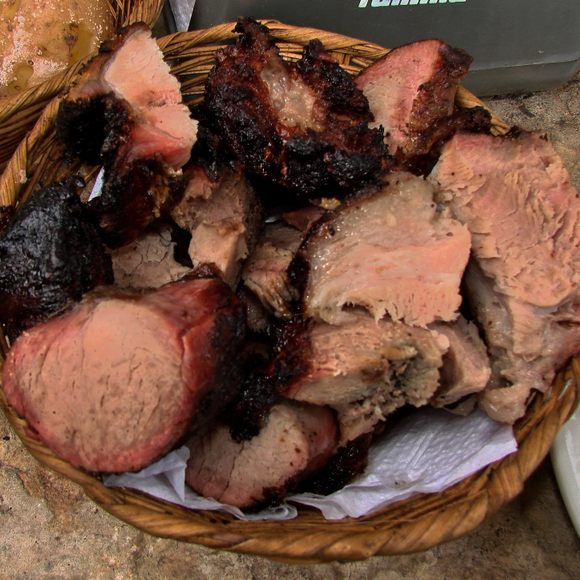
Capybaras are eaten during Lent in Venezuela because they are considered “fish” by the Vatican.
Sometime between the XVI and XVIII centuries, Venezuelan clergymen wrote to the Vatican with a special request. They had discovered an animal that lived in water, had webbed feet, and tasted like fish.
With Lent approaching, they asked the Vatican to grant the animal the status of fish, so they might eat it during the upcoming days of meat-free fasting.
By letter, the Catholic Church agreed, and the capybara—the largest living rodent in the world—became a coveted addition to many Lenten dinner tables.
An urgent and personal plea to consider donating to those helping the communities devastated by the earthquake in Morocco.
A trusted source here:
https://t.co/xVKRNX0Nii
@OOutani
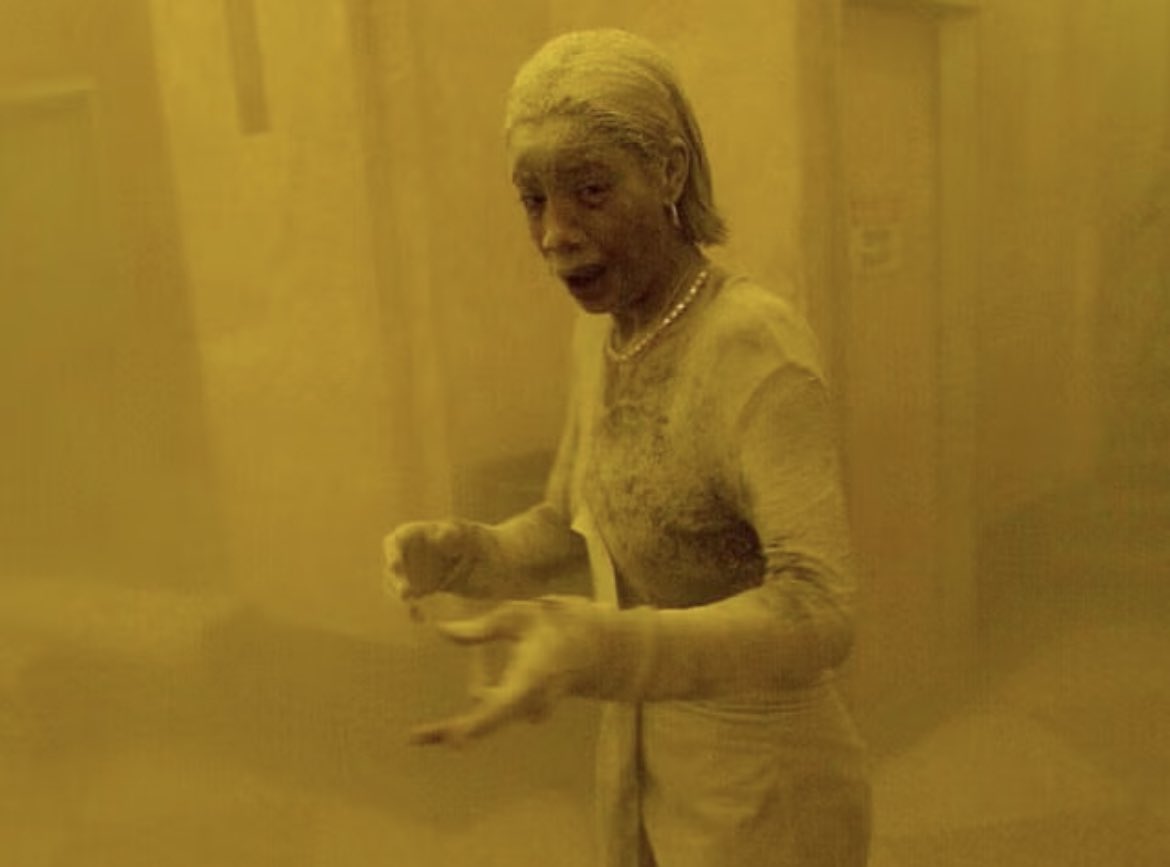
Pictured below is Marcy Borders, an American legal assistant who worked for Bank of America at its World Trade Center branch. She was born on July 19, 1973, and tragically passed away on August 24, 2015. Marcy Borders survived the harrowing events of September 11, 2001, when the World Trade Center was attacked by al-Qaeda.
Photographer Stan Honda captured an iconic image of her that day, earning her the nickname "Dust Lady." Reflecting on his photograph's legacy, Honda said, "Over the years, it has been strange for me to think that my photo has a lasting impact. I never imagined I'd have an image like that. I believe people relate to it because it depicts a single person trying to cope with the chaos of that fateful day."
In 2011, Marcy Borders revealed how the trauma of 9/11 led to ten years of depression and addiction. She described it as if her soul was knocked down with the towers.
Tragically, in August 2014, Marcy Borders was diagnosed with stomach cancer, which she attributed to exposure to toxic dust during the World Trade Center collapse. Despite not having undergone surgery and requiring more chemotherapy, her medical bills had already accumulated to $190,000. She couldn't even afford to fill her prescriptions. She firmly believed that her cancer was linked to the toxic exposure, stating, "I definitely believe it because I haven't had any other illnesses, like high blood pressure, high cholesterol, or diabetes."
Marcy Borders lost her battle with cancer and passed away on August 24, 2015.
Cancer ghosting, let’s talk about it 👻
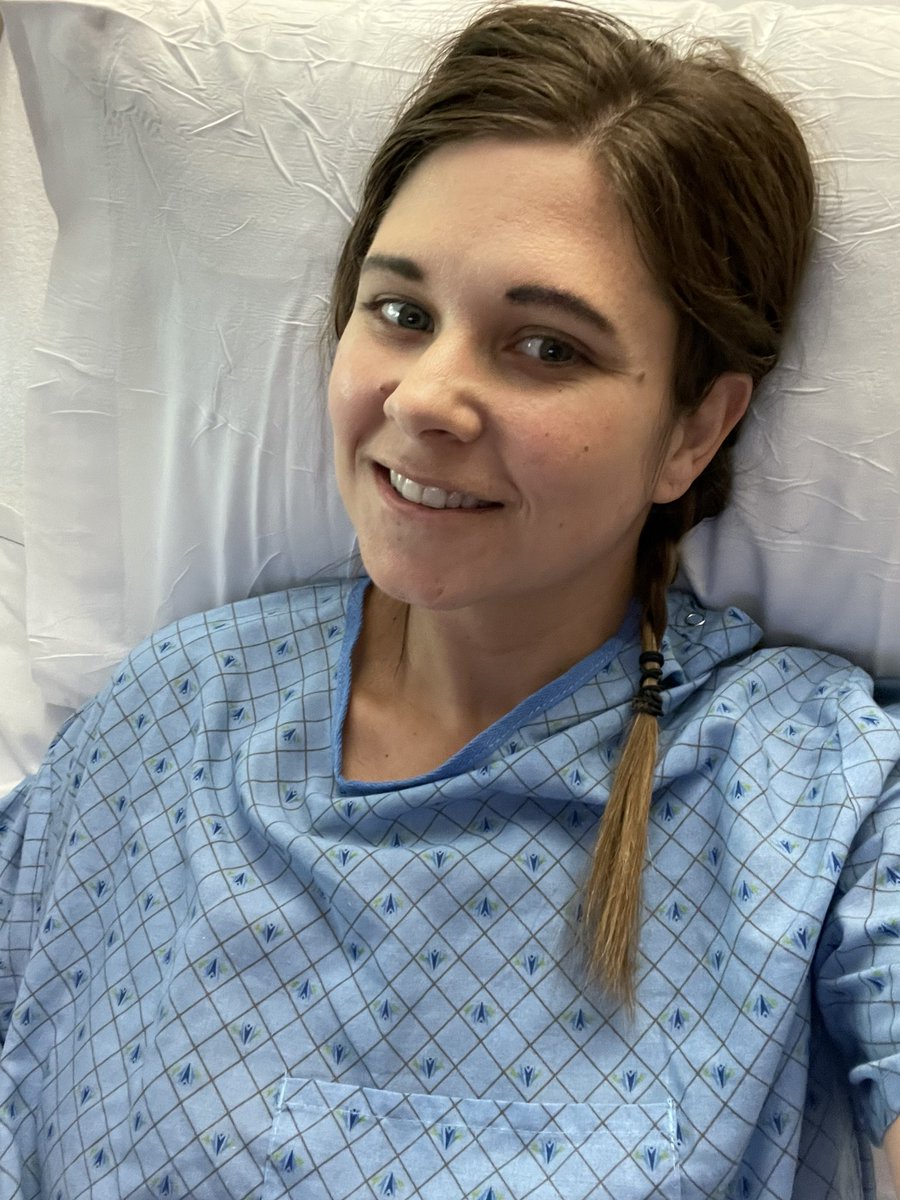
I took these two pictures after my first hospital admission then scrolled through my feed and cried. At 29, I found myself using a bedpan while I watched friends skiing down mountainsides. It was the first time I’d recognize how detached my life had become from my peers.
I felt jealous, bitter and threw myself a pity party over chicken broth and graham crackers while the extreme guilt set in over the fact I even had any of these emotions.
When you’re first diagnosed with cancer, your friends, family and even distant acquaintances often rally around you. The messages, phone calls and well wishes pour in, making you feel insanely supported.
But over time the support often dwindles. People go back to their lives, full of events and activities you may no longer be able to participate in. And all the “if you need anything” messages start to feel empty as you look on from afar.
There are often people you thought would be there every step of the way- who you never or rarely hear from. It can feel crushing and make you question if they ever really cared.
Here’s why I don’t fault the people in my life I experienced this with and a few insights I’ve taken away. I thought I’d share in case it’s helpful to others.
I started to feel less hurt by these experiences when I realized we all have busy lives and most people are doing their best to make it through their own day. We live in a world these days where many of us turn to social media to keep tabs on each other. Many of my friends and family saw updates online or were updated through the grapevine. They felt up-to-date on me, even though we never had contact. Others later told me, “Phewf, I’m glad you’re doing okay now. I had to stop reading your posts because it was too hard for me. I kept picturing everything that happened to you, happening to myself or my kids. I emotionally wasn’t strong enough for it. I prayed for you every night but couldn’t read your posts.” Others were at a loss for words and didn’t know what to say.
Look, cancer is hard- really hard. Not just for those of us going through it but for many of those we care about too. I personally believe it’s not about people not caring, I think it’s often people not knowing how to show up or what to say.
I think social media often amplifies the emotions and isolation. When you see others carrying on with their lives while you’re simply trying to survive, it can at times feel like they don’t care.
But what social media doesn’t show are the prayers they send up each night praying for your healing and comfort, the little reminders throughout their day that make them think of you or their compulsive checking of your page at 1am for updates looking reassurance you’re okay.
Social media has created ways for us to feel more connected than we ever have before but it can also create a valley of isolation through the hardest days.
So this is my reminder to anyone who may have loved ones they care about going through a difficult time. Don’t forget to drop the comment, send the message or pick up the phone. If you don’t know what to say, simply let them know you’re thinking about them.
Cancer ghosting I personally believe is often unintentional but a very real experience many face. I’d love for us to create a thread of practical ways to show up for others. So let’s hear your experience below. What are little ways people showed up for you during a difficult time that mean the most?
We had so much fun at @AMWADoctors' Research Webinar Series for IMGs. Today we covered case reports, impactful writing, journal selection, finding a mentor, publishing ethics, and examples in neurology/GI. Next webinar: reviews and meta-analysis!