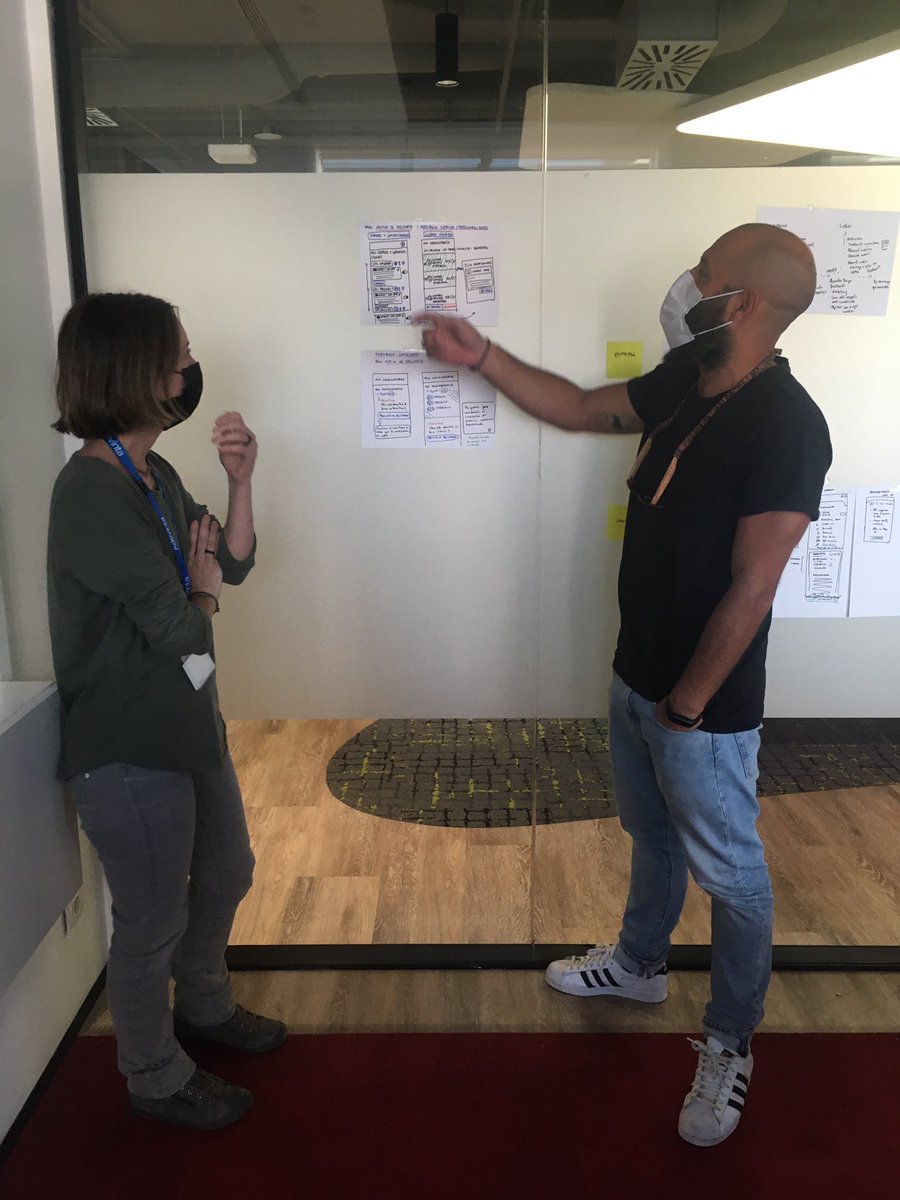
I read somewhere that there are only two reasons we give feedback:
- To cut someone down
- To help them grow
I try and go through that mental check each time I give someone feedback.
¿Cómo podemos utilizar la inteligencia artificial en UX para ser más ágiles y eficientes?
📰 Nuevo artículo:
"Inteligencia artificial generativa aplicada a UX"
https://t.co/DpwC56NLLM
Three days for innovation at the @AdevintaSpain hackathon
to focus on ideas that will add more value to our products. 180 people in 36 multidisciplinary and self-organized teams: tech, ux, data, product, advertising, business…
#womenintech#AdevintaSpainHackathon
The product "triad" model can never be balanced if the PM's responsibility is to the company (profit for the business), the devs' responsibility is to the company (stable, scalable codebase), and only the designer's responsibility is to the user.
My upcoming book, Time to Listen, will teach how to listen deeply for qualitative research in a way that
-- scales beautifully
-- encourages understanding of different thinking styles
-- helps build cognitive empathy
-- reduces bias/assumptions in the data
https://t.co/Ee18i7JKAv
“For every KPI that you have in your company introduce an *anti-KPI*
Instead of measuring just engagement, start to measure regret. At what point do users start regretting being on your platform? Pair every metric with an anti-metric so that you can't blindly follow and optimize.
“Artificial Intelligence has to have a duty of care towards us.
The greater assymetry in knowledge it has, the power it has over us, the greater the degree of liability we need to have for a misalignment of it acting in our best interest.
@aza
https://t.co/Eb0DpAt9xP
Businesses fall victim to common product maladies which ultimately keep them from achieving the level of disruptive change. "Don't lose focus on the customer or open opportunities." —@RadhikaDutt
Watch the full talk here: https://t.co/GSVxv7W0fB
#RadicalProductThinking
“Defaults work because
First, they reflect an implicit endorsement from the choice architect.
Second, staying with the defaulted choice is easier than switching away from it.
Third, they endow decision makers with an option: less likely to to give it up, now that it’s theirs.
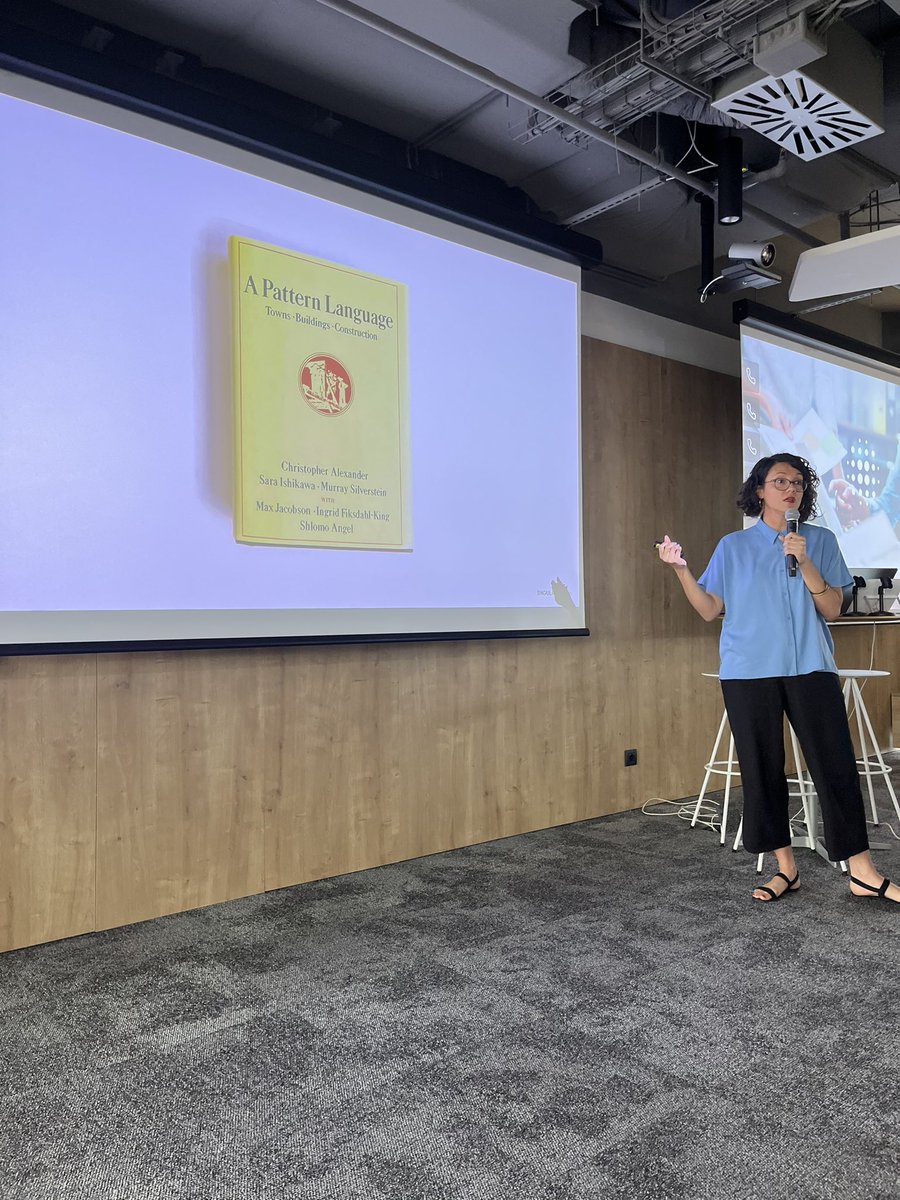
In Christopher Alexander's work, there are three concepts essential to any designer: Form, Context & Fit. This is foundational for great design. Let me break it down for you.🧵
In surveys, avoid questions that only have two possible answers: yes and no.
“The world is analog and yes/no is a binary choice, so the two options rarely reflect the real world entirely accurately.
Mesa redonda sobre cómo reducir la brecha de género en las empresas . Súper orgullosa de mi compi @IreneZeller y de las iniciativas que se están moviendo sobre women in tech en @InfoJobs y @AdevintaSpain
https://t.co/897AeHLZnM
Journalist Gillian Tett will demonstrate the power of ethnography in business, politics, global health, and policy making by talking about her latest book 👇#anthrotwitter https://t.co/NseQMyDQEu