What will the future of US healthcare look like? In 2025 and beyond, US healthcare will face rising costs due to an ageing population, while still dealing with the pandemic aftermath, inflation, and labour shortages. https://t.co/MSW3rCO5y0
#ClimateChange is set to bring significant challenges, with an estimated 14.5 million additional deaths and $12.5 trillion in economic costs by 2050. However, investing in healthcare solutions can save up to 6.5 million lives. https://t.co/8lfTDUEcOP
#AI is transforming disease detection, spotting conditions like osteoporosis in scans meant for other purposes. In one case, AI analysed a CT scan for food poisoning and identified early signs of osteoporosis, leading to timely treatment. @BBCNews https://t.co/bR5OmAUVwg
The future of healthcare isn't just treatment, it’s prevention. @wef reveals that non-communicable diseases cause 74% of deaths, yet prevention receives minimal funding - only 6% in the EU and less than 3% in the US. See more: https://t.co/k3ltXuptxF
Glad to hear that #AI is increasingly revolutionising the healthcare sector, with medical imaging and tumour detection being two key areas benefiting from its advancements. What role does AI play in early cancer detection and prevention? Find out here: https://t.co/q1qGryWC3q
Is #healthcare innovation being held back by outdated policies? A report warns that regulatory misalignment and cultural resistance are slowing the adoption of transformative health technologies in the UK. @ft shares a compelling read: https://t.co/1wWP6aofsx
#HealthyWeightWeek is a celebration of balanced living, emphasising the importance of sustainable habits for long-term well-being. It’s an opportunity to show how a healthy weight lowers the risk of heart disease, diabetes, and hypertension.
New research reveals that #loneliness is linked to heart disease, strokes, and infections. Scientists found that social isolation increases certain blood proteins, raising the risk of several serious health conditions. @thetimes explains in detail: https://t.co/9tvg0m6E3F
How many of us truly understand the risks of #CKD? The reality is that millions in Europe are affected, and many don't even know it. It's one of those silent conditions - impacting roughly 1 in 10 adults, yet most don't realise it until it’s too late. https://t.co/rB6uFL45KQ
#Loneliness doesn't just impact emotional well-being - it also affects physical health. A study reveals that lonely individuals show reduced heart rate variability during social stress, indicating weaker cardiovascular adaptability. https://t.co/BmHmEpoB4f
Have you heard about Liv? Created by Innovations in Dementia in partnership with @Lenovo, Alzheimer’s Intelligence introduces Liv, a photorealistic 3D avatar built from the lived experiences of 10 individuals with #dementia. https://t.co/OxEhujV9F4
A groundbreaking #AI tool is transforming the early detection of atrial fibrillation, a common but often silent heart condition. @Independent highlights how this innovation helps to protect lives and reduce the burden of #CardiovascularDisease. See more: https://t.co/fzX57vZVEW
From a healthcare perspective, video games - especially sports-themed ones may offer surprising health benefits. Recent research highlights that nearly 90% of sports gamers experience unexpected advantages… @telegraph https://t.co/xEQfChRTBH
The world’s first ‘Virtual Hospital’ is revolutionising #healthcare by bringing chronic disease management directly to patients' homes. @techradar looks into the significance of this on #DigitalHealth: https://t.co/JcOMtGI3ZQ
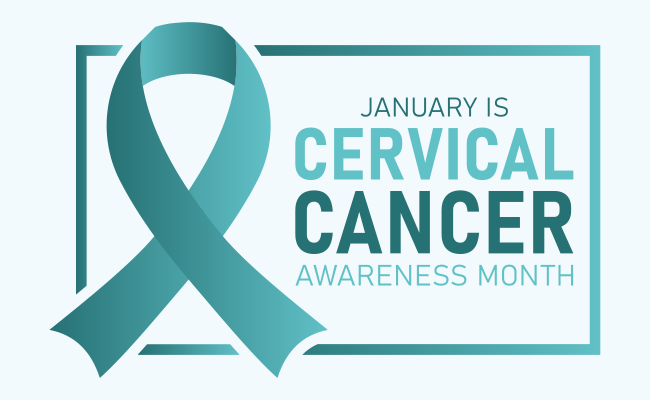
January is #CervicalCancerAwareness Month, a dedicated time to focus on the prevention, early detection, and treatment of cervical cancer. With concerted efforts, we can protect millions of lives and create a future free from cervical cancer.
Identifying and interpreting global health policies still falls short. A recent study conducted by scientists at @georgetown_ghss aimed to assess how well GAI tools perform in this area. Take a look here: https://t.co/vmH7eNwoDt
The EU is stepping up for rare disease patients. The European Economic and Social Committee is calling for a robust European Action Plan on Rare Diseases to improve diagnosis, treatment, and support across the EU. @EU_EESC https://t.co/HCj6astr3B
#Loneliness and isolation are issues that many of us experience at some point in life, but for older adults, the impact can be especially profound. How can we, as a society, ensure that older adults don't have to navigate this challenge alone? https://t.co/5JW1tq2RfH
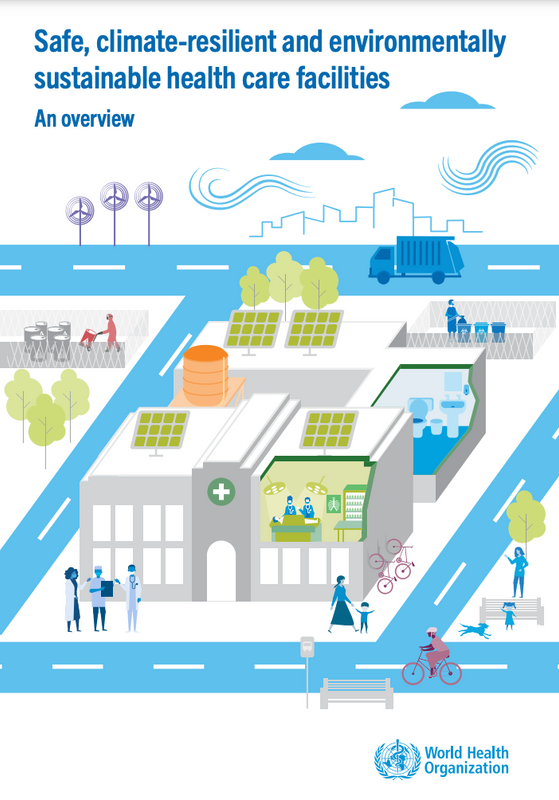
The @WHO’s new report provides essential guidance for building healthcare facilities that can withstand the impacts of climate change, pollution, and biodiversity loss. Take a look here: https://t.co/NDk48QgEyn
London's Universal Care Plan is being recognised for its efforts to improve care for #SickleCellDisease, offering critical support and better access to treatments for those in need. Take a look here: https://t.co/9swsSdSCDN