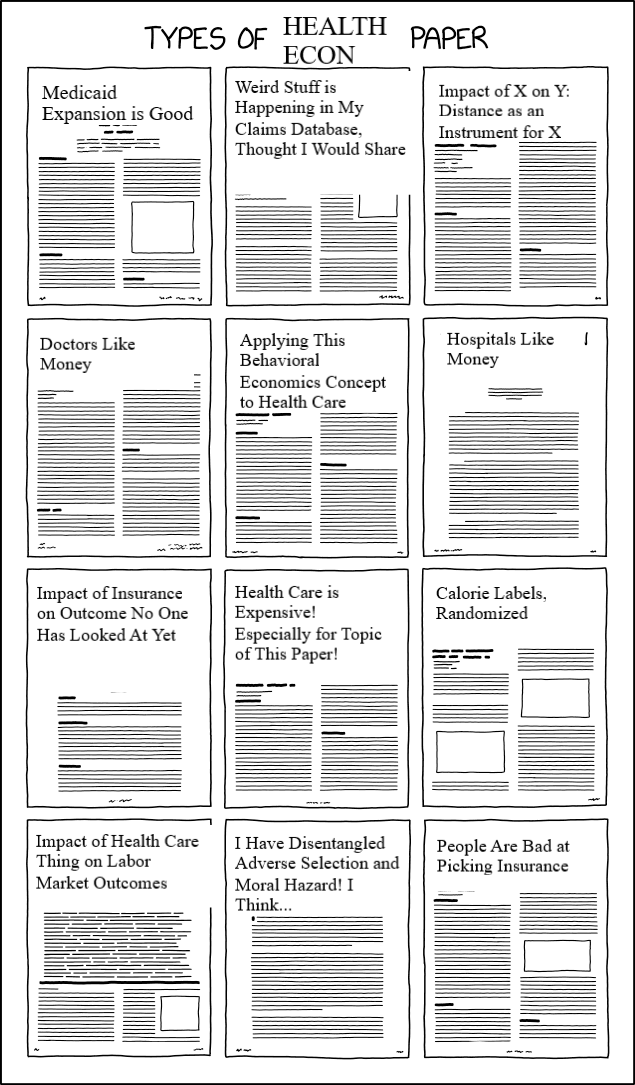
I thought health economics deserved its own... let me know what I missed! No shade meant for any of these papers, of course. #healthecon
Original source of comic: https://t.co/zR64XKrkUU
May in Baltimore ended with 8 homicides. That’s down from:
-15 last May
-29 in May 2023
-39 in both May 2021 and 2020
-40 in May 2017
-and 42 in May 2015
These findings highlight the potential for significant coverage disruptions and raise important questions about continuity of care and market dynamics in Medicare Advantage.
We are grateful for support from @Arnold_Ventures for this work.
New paper out today in JAMA with @LavalleeMat, Matthew Zahn, @FrankXu_PhD, and @healthecon_dan where we document a substantial increase in plan exits from Medicare Advantage in 2026.
Approximately 1 in 10 MA beneficiaries have been forced to leave their plan in 2026.
Forced disenrollment from #MedicareAdvantage plans will reach 10% in 2026, affecting millions—particularly those in rural areas, PPOs, and lower-rated plans. 🧵
https://t.co/Z7CC8q6MXZ
Forced disenrollment rates averaged about 1% of enrollment annually from 2018–2024 but increased sharply in 2025 and 2026. Disruptions are more common among beneficiaries enrolled in PPO plans, plans offered by smaller carriers, and those living in rural areas.
Join CMAP & the Bloomberg Overdose Prevention Initiative for a convening on innovative uses of opioid settlement funds. Explore best practices, emerging innovations, and new 2024 tracking data.
Hybrid event. Registration required.
Register & Learn more: https://t.co/yidwPrvdgG
New paper out in @JAMANetworkOpen led by @JohnsHopkinsSPH HPM PhD student Matthew Lavallee.
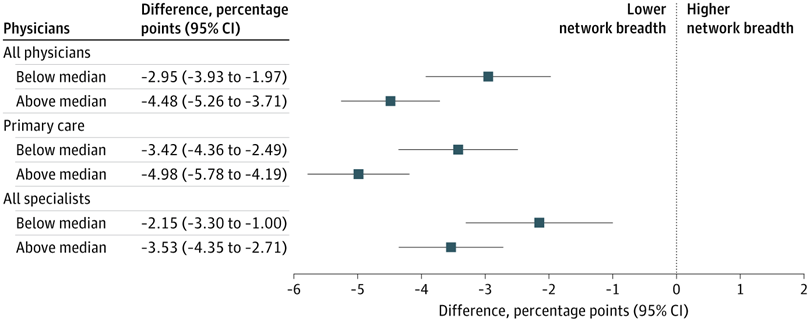
This new paper highlights a potential tradeoff enrollees may face when selecting Part B giveback plans in MA: narrower provider networks for most specialties.
Medicare Advantage plans with Part B premium givebacks had narrower physician networks compared with plans without givebacks, especially among those offering larger giveback amounts. https://t.co/C04CKPwxoZ
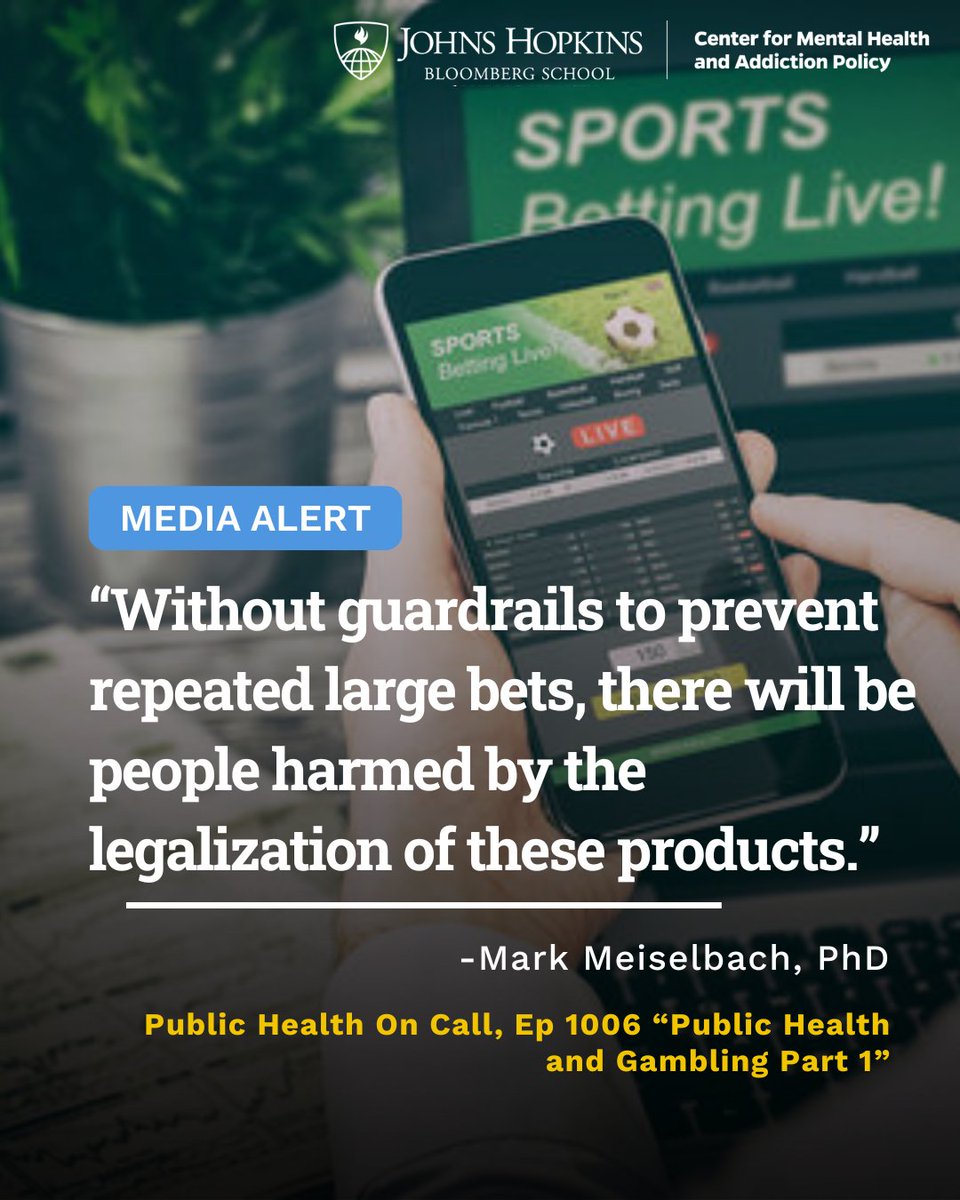
“There is a risk that online sports betting could lead to a gambling disorder, which can lead to bad mental health, drug use, and personal outcomes," says @BSPH_HPM's @MattDEisenberg.
“Public health needs rigorous evidence to quantify the effects.” https://t.co/amHjVd6kF0
Online sports betting can increase the risk of gambling disorder—raising concerns for mental health and substance use. @MattDEisenberg and @Mark_Meiselbach highlight how state-by-state regulations create natural experiments for smarter interventions.
🔗 https://t.co/CntVmdjlm9
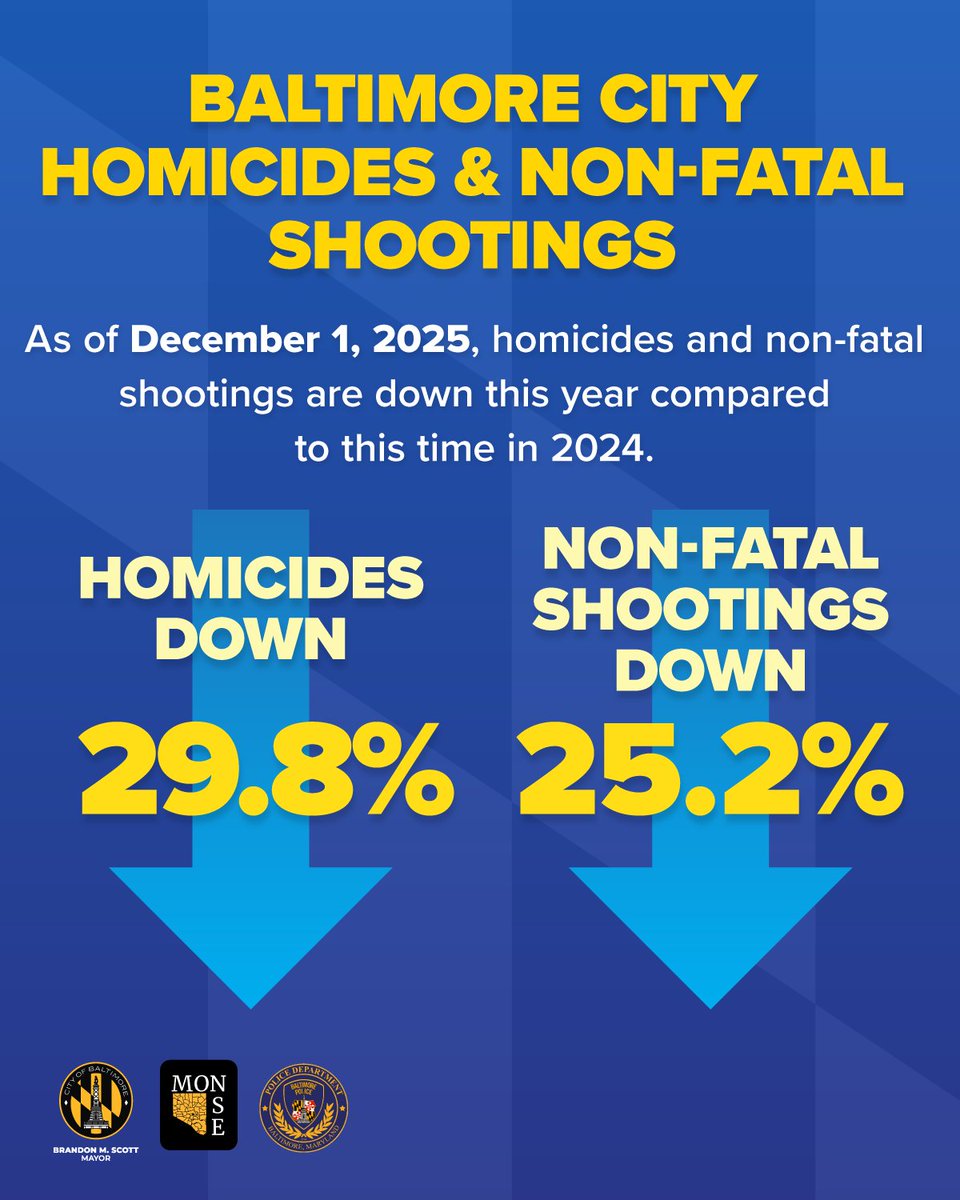
As of this morning, Baltimore has seen a 29.8% decrease in homicides and a 25.2% decline in non-fatal shootings.
As we enter the last month of the year, we are doubling down on our work to continue this progress into 2026 and beyond. One life lost to violence is one too many.
the most under-appreciated local government success over the past three years? it’s actually Baltimore imo
-murders down 60%
-major pro-housing reforms including ending parking mandates, legalizing single-stair buildings, and permitting denser housing
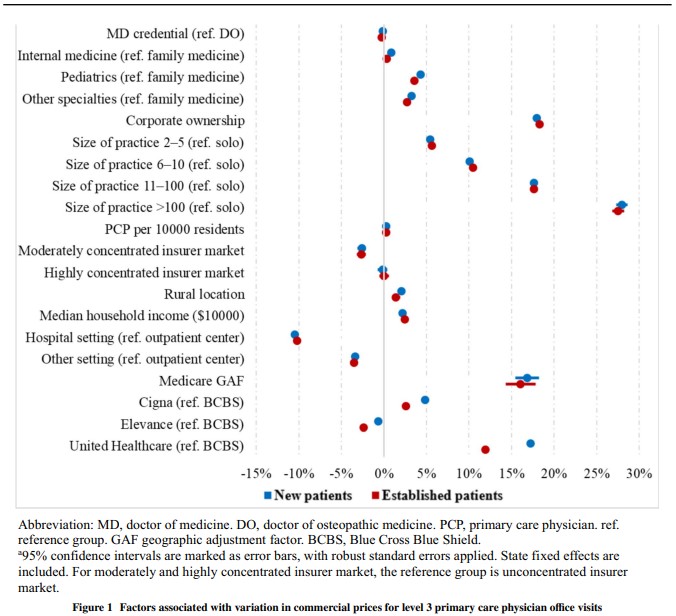
With @Mark_Meiselbach, Xu Wang, @GeBaiDC, Gerard Anderson, our new study on commercial payment for primary care physician (PCP) office visit is published at @JournalGIM!
Study Link: https://t.co/om1giHpwZQ
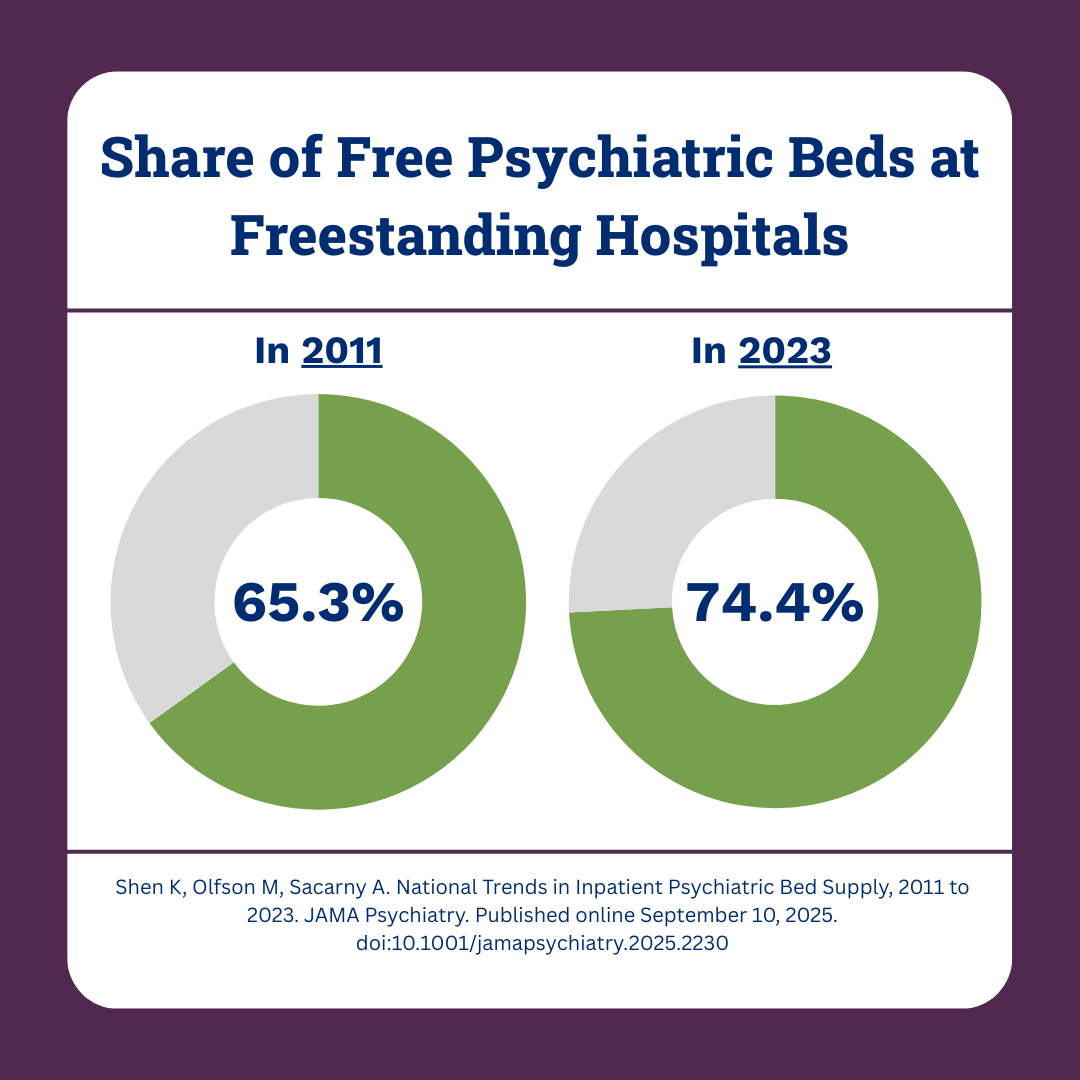
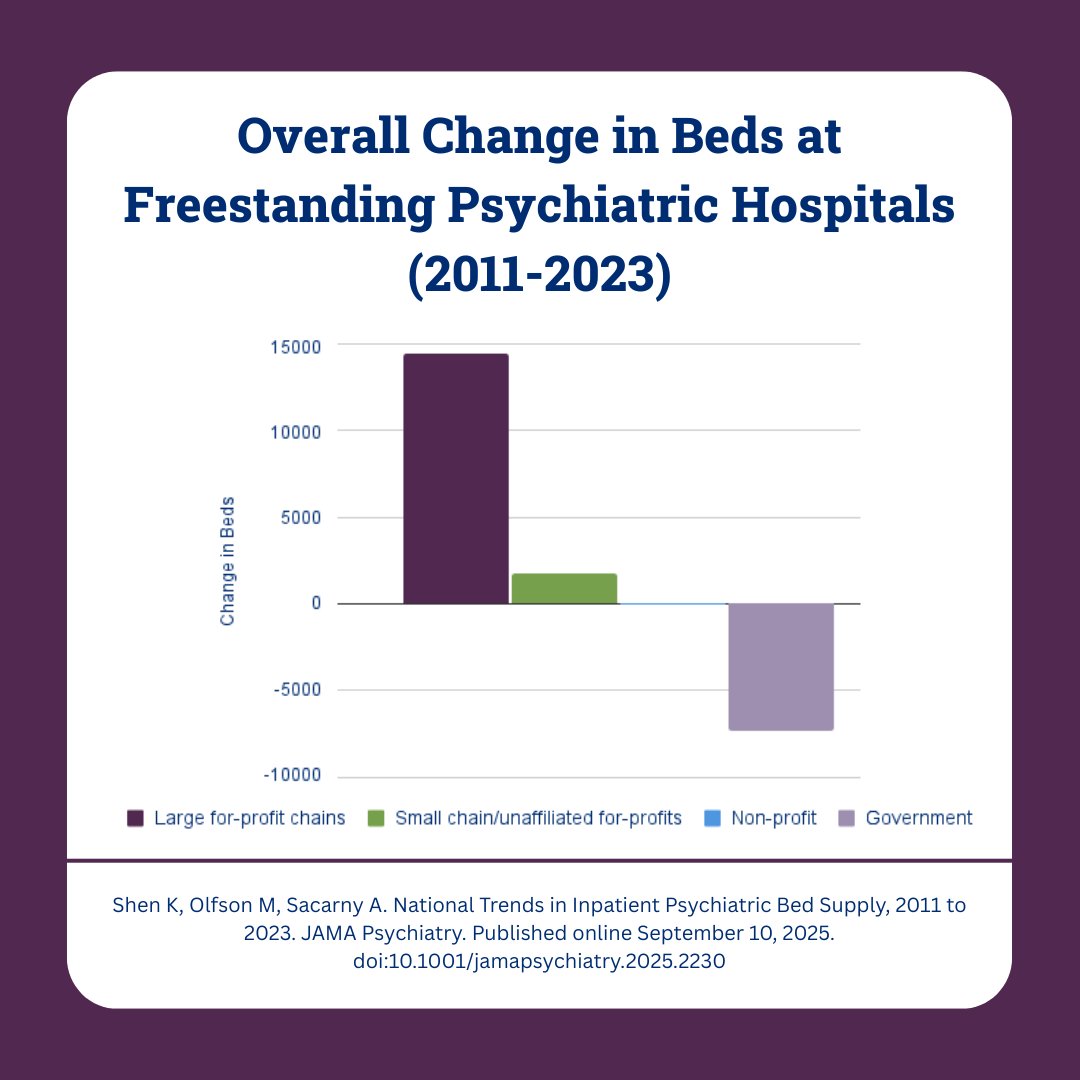
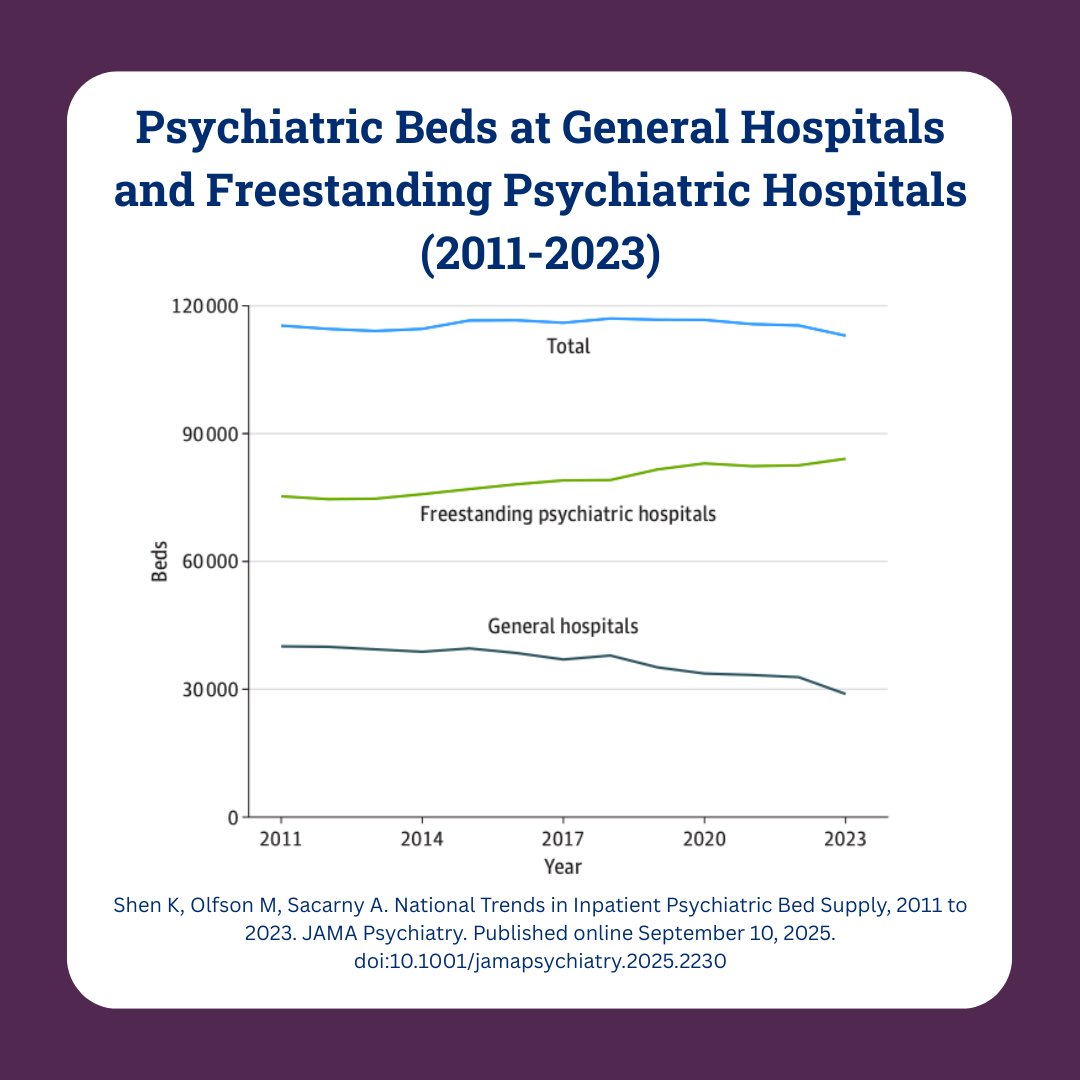
A new study, led by Karen Shen, PhD, MS, finds shifts in U.S. psychiatric bed supply: general hospitals & govt facilities downsized, while large for-profit chains grew. These findings raise questions about the quality of inpatient psychiatric care.
📰 https://t.co/wn9gUfCxB8
Job alert: American University is hiring an Assistant Professor in Health Economics. The position is in the departments of economics and health studies...
https://t.co/0uvTvueVCo,