Biomedical engineer and scientist. Interested in medical devices that translate scientific innovation to patients - design, testing, regulatory, deployment...
"Wearable disposable electrotherapy" @NatureComms A new class of non-invasive electrical stimulation used like a band-aid. Stick on a mm-thick patch & a single \ dose delivered. No electronics=environmentally benign. Scalable manufacture=pennies per device
https://t.co/WfNiYTZ0jY
In this paper Mojtaba Belali Koochesfahani et al shows these electrical bandages accelerate both the rate and quality of healing - reducing risk of infection or scarring!
https://t.co/VCtPZnXbJf
Remarkable device engineering by @CUNY@CityCollegeNY@CCNYGroveSchool@NeuralEngrLab team. These "bioelectronic bandaids" look and are used just like regular bandages. Just stick across the wound.
https://t.co/VCtPZnXbJf
But hidden inside the mm thick packaging...
... The electronics-free printed electrochemistry is baed on the Wearable Disposable Electrotherapy (WDE) technology previously published in Nature Communications ... https://t.co/WfNiYTZy9w
Join the global brain stimulation community in Lyon, 21–24 Feb 2027, for outstanding science, discussion & networking.
Register by 4 Dec to save with the early registration discount.
#BrainStimConf https://t.co/Q92z2bDrIS
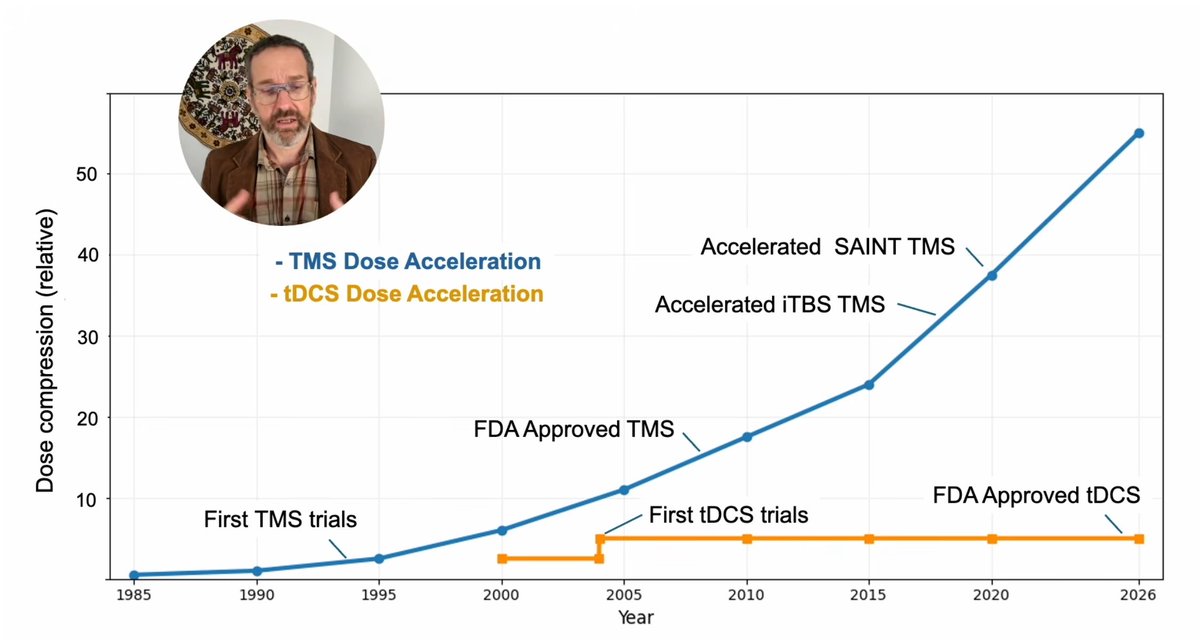
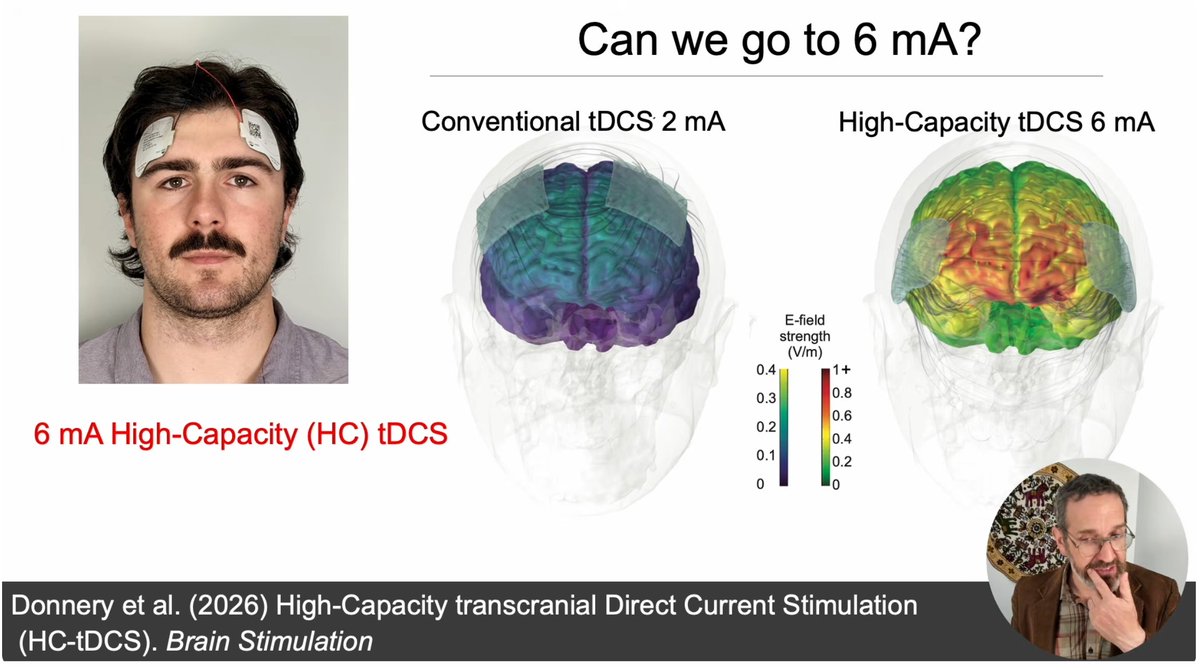
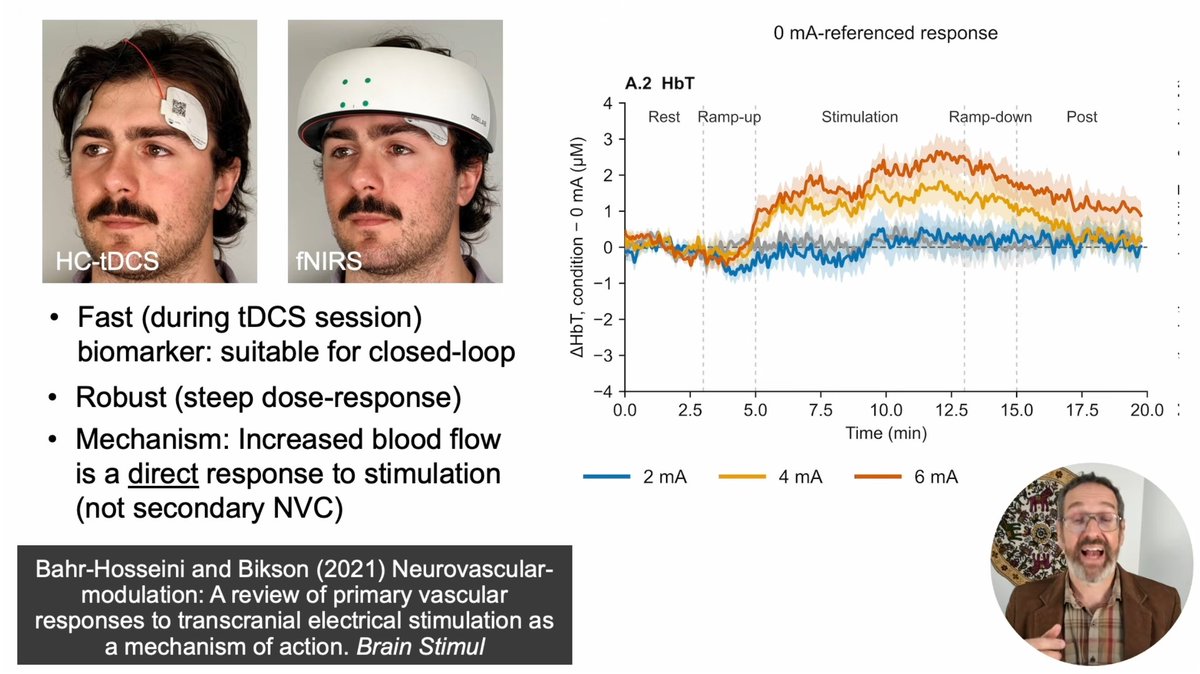
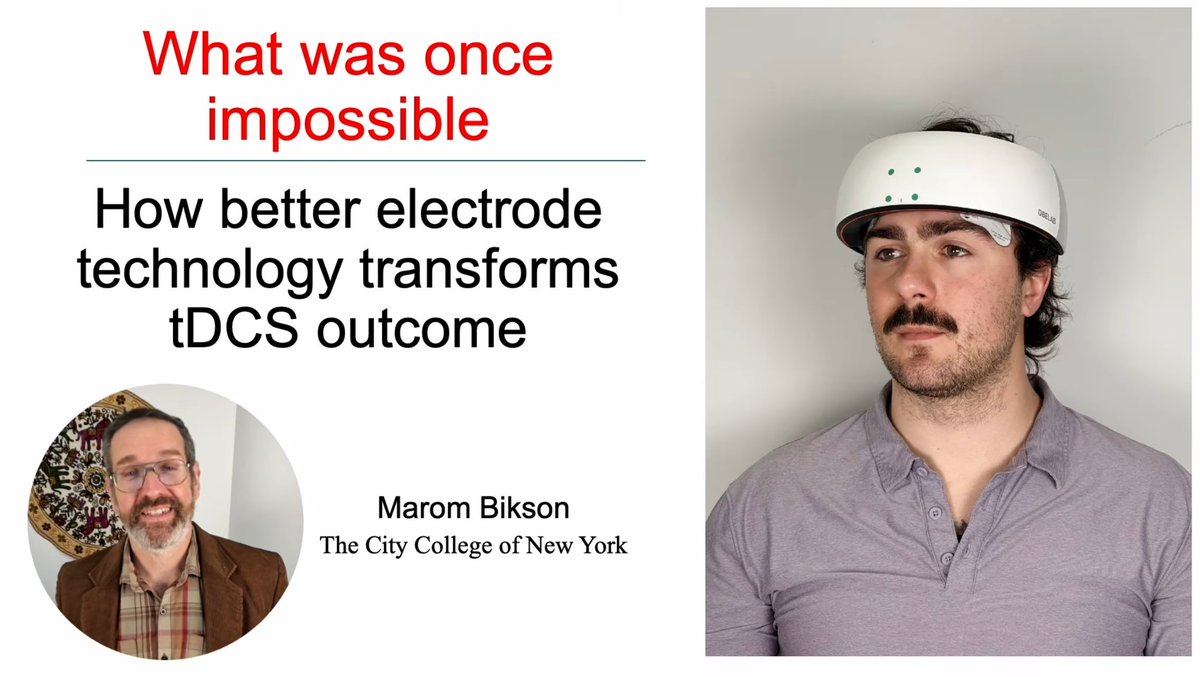
Looking forward to speaking Oct 17th at the 7th European Conference on Brain Stimulation (Naples) on "What was once impossible: How better electrode technology transforms outcome" slides: https://t.co/FypcU4JvXb
Looking forward to speaking Oct 17th at the 7th European Conference on Brain Stimulation (Naples) on "What was once impossible: How better electrode technology transforms outcome" slides: https://t.co/FypcU4JvXb
Deadline today! Last chance to submit your symposium proposal or poster abstract for the 7th International Brain Stimulation Conference.
Don’t miss your chance to be part of the program in Lyon! #BrainStimConf
https://t.co/Q92z2bDrIS
Time is running out! Submit your symposium proposal or poster abstract for the 7th International Brain Stimulation Conference by 18 September.
Be part of the scientific program in Lyon. #BrainStimConf
https://t.co/Q92z2bDrIS
So, for practical SCS modeling, getting the basic tissue conductivity values right may matter more than adding frequency-dependent or capacitive tissue properties.
For a broader explanation of the "Quasi-static approximation in neuromodulation" see https://t.co/3phyjietLI
Now open access on PMC: Niranjan Khadka Boshuo Wang “Role of frequency-dependent and capacitive tissue properties in spinal cord stimulation models” https://t.co/6U9uzsXgr8
For folks working on SCS modeling, we asks: When is the standard quasi-static approximation good enough"?
- Frequency-dependent conductivity produced some changes, but tsmaller than the variability caused by the different fixed tissue conductivity values already used across published SCS models.
- The spatial profiles of the electric field / activating function largely preserved.