Terraforming Mars may be harder than simply adding an atmosphere.
Ancient water-rock reactions trapped CO₂ in Martian minerals. Similar chemistry could complicate future efforts to warm the planet.
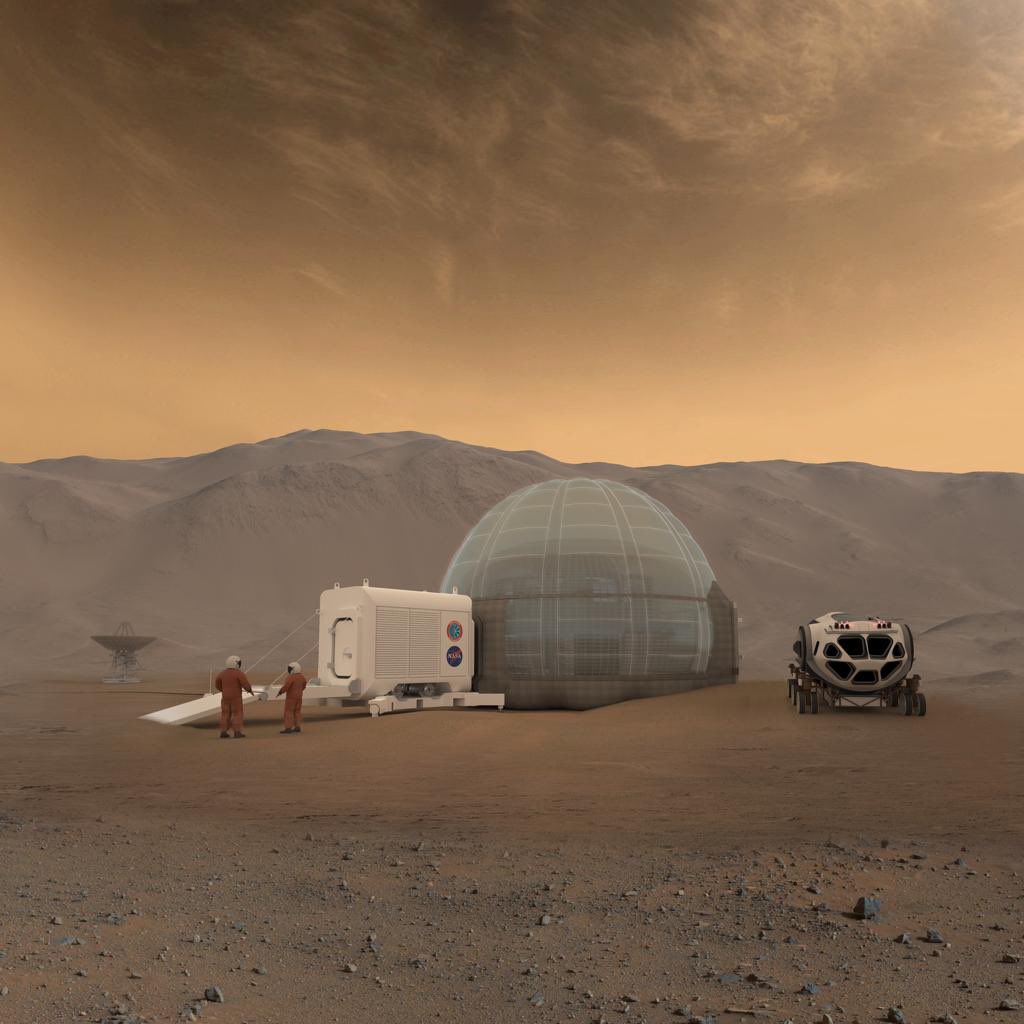
That makes enclosed habitats, recycled resources, reliable power, and local water extraction especially important.
Mars won’t become Earth overnight.
Mars isn’t as geologically quiet as it looks.
InSight’s seismic data revealed ancient impact debris preserved deep in the mantle for roughly 4.5 billion years.
Other studies suggest a molten silicate layer may surround its core.
The planet’s interior could hold clues to why its global magnetic field disappeared.
Mars may have preserved the chemistry of ancient microbial life.
Perseverance found organic compounds and unusual iron minerals vivianite and greigite associated with “leopard spots” in Cheyava Falls.
On Earth, microbes can drive similar reactions.
It’s a potential biosignature, not proof of life. But it’s extraordinary.
Mars may have remained habitable underground long after its surface lakes disappeared.
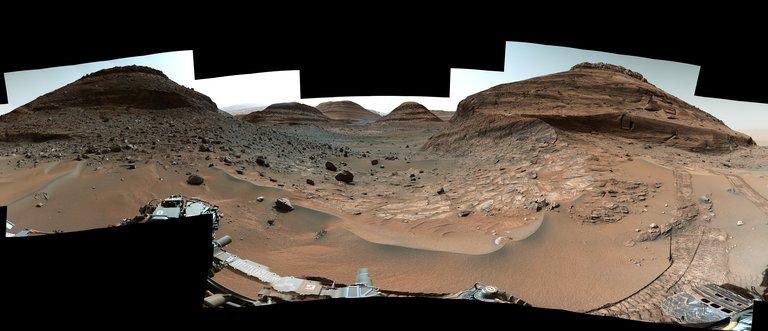
Curiosity found evidence of groundwater interacting with ancient windblown sandstone in Gale Crater.
Those buried, mineral-cemented rocks could preserve clues to environments that survived Mars’s transition into a frozen desert.
Mars may have helped destroy its own habitable climate.
Curiosity found iron carbonates containing 4.8–10.5% siderite by weight. Ancient water may have helped trap atmospheric CO₂ in rock, weakening the greenhouse effect that kept Mars warm.
Water wasn’t just a victim of climate change. It may have helped drive it.
Mars was not simply “wet.”
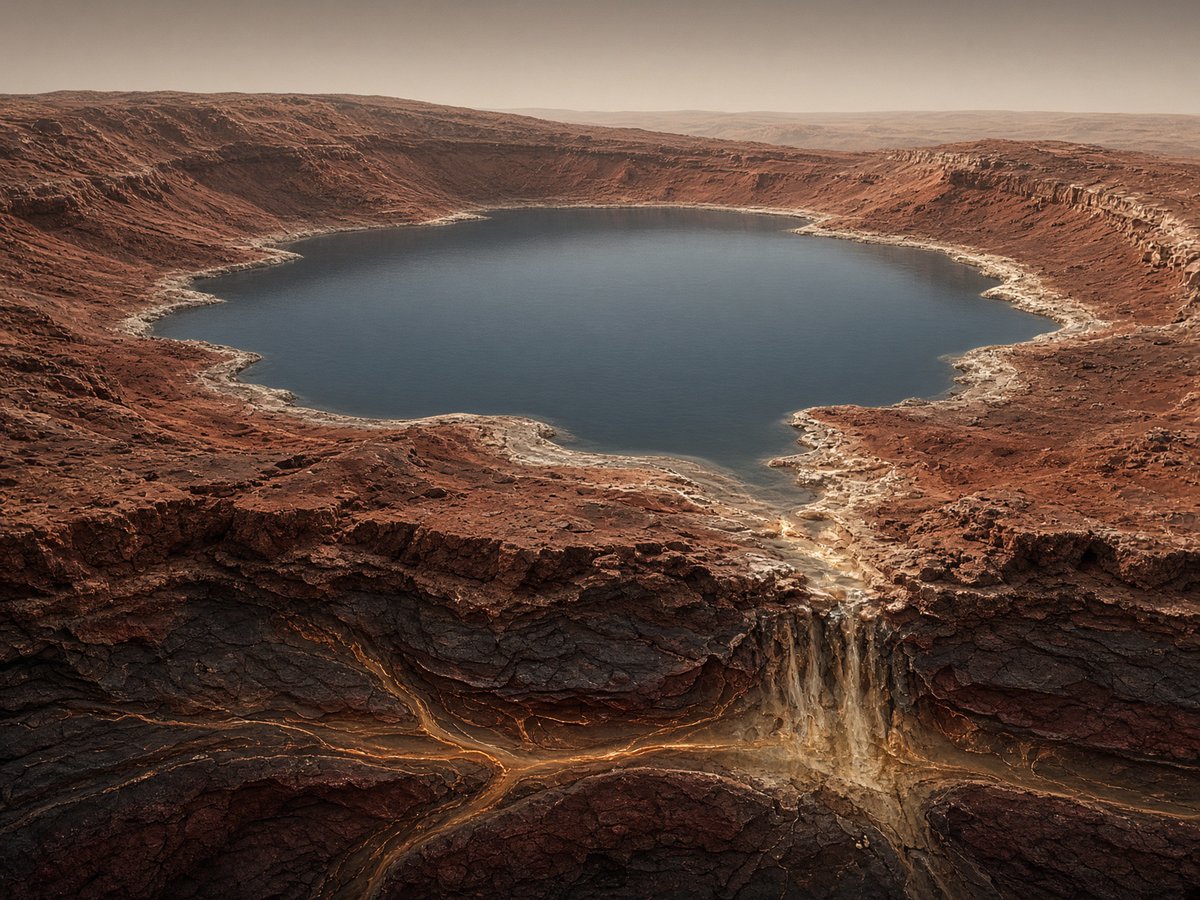
New Perseverance data from Jezero points to something more complex:
> Ancient lakes.
> Groundwater circulation.
> Hydrothermal fluids.
That matters because habitable environments are not defined by water alone.
They are defined by water + chemistry + energy.
Mars had all three.
Mars Dust Is an Engineering Problem We Have to Solve.
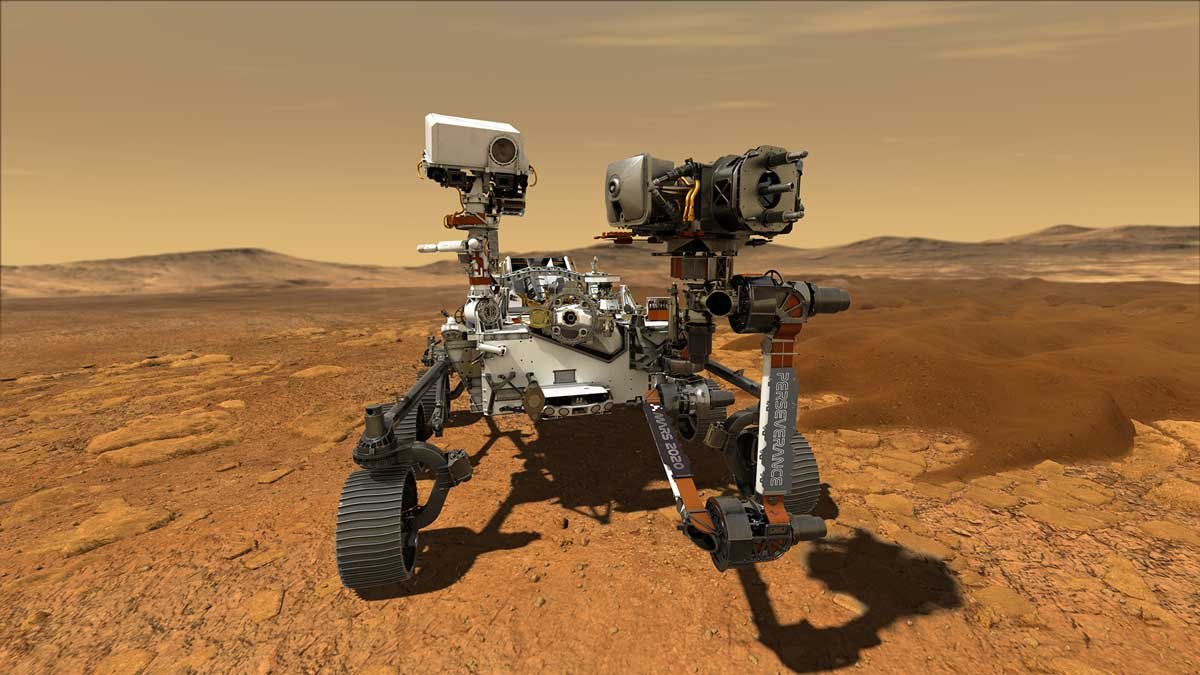
NASA’s Perseverance has detected ultrafine Martian dust clinging to spacesuit materials, with particles as small as 100 nanometers.
These findings could shape future spacesuits, habitat filtration, and dust-removal systems.
Robotic scouts are helping engineer the path to permanent human settlements on Mars.
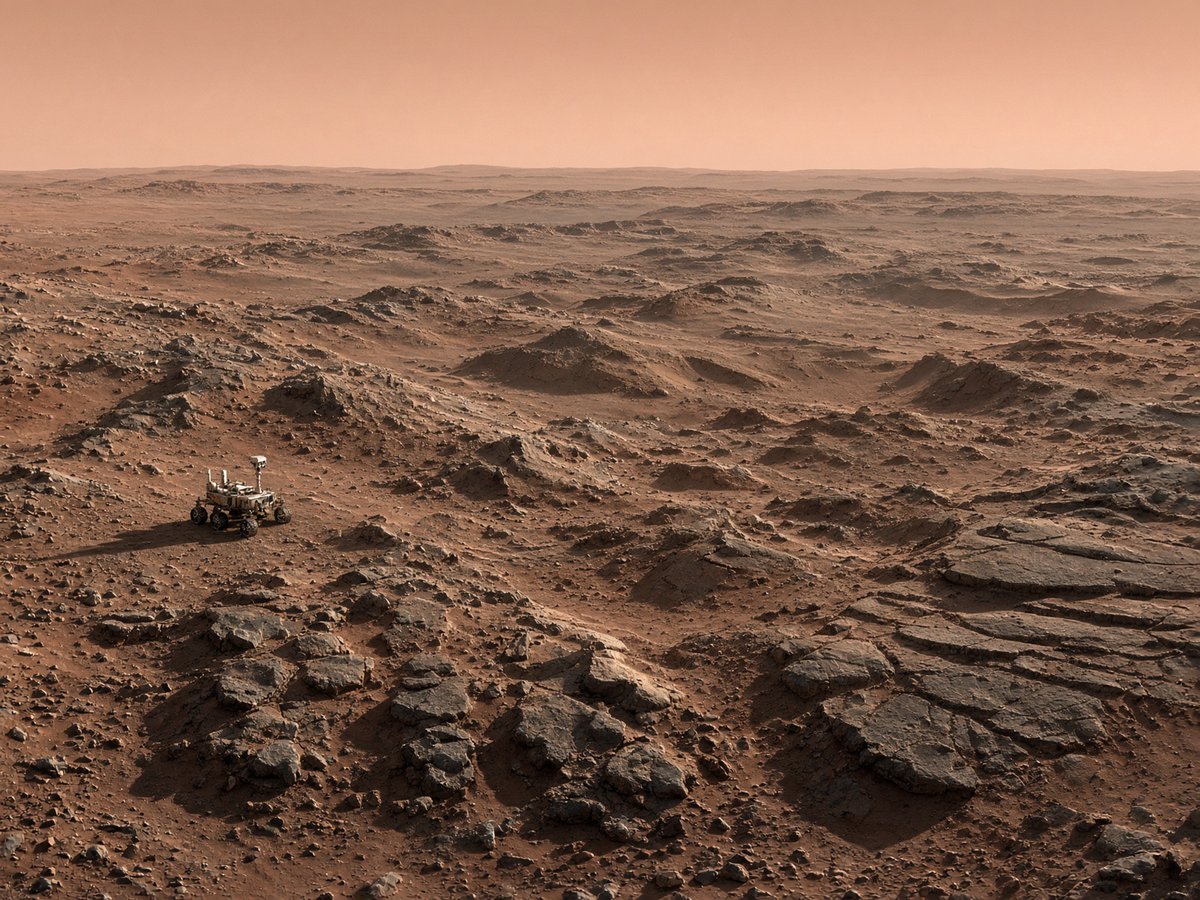
NASA’s Perseverance rover has successfully reached the western rim frontier of Jezero Crater, exploring valleys and ridges in an area named "Lac de Charmes" that represents its deepest push west to date. The rover’s push west signifies a transition into a "frontier phase", leaving behind the sedimentary layers of the crater floor and river delta to explore the oldest terrain it has ever encountered.
📌 : @NASA
NEXT UP: CREW-13.
NASA + SpaceX are GO for launch.
→ Oct. 1
→ 11:10 a.m. ET
→ Falcon 9 + Dragon
→ SLC-40
> Jessica Watkins
> Luke Delaney
> Joshua Kutryk
> Sergey Teteryatnikov
Four humans headed for orbit.
Launch day begins tomorrow. https://t.co/8O6nu4iPYH
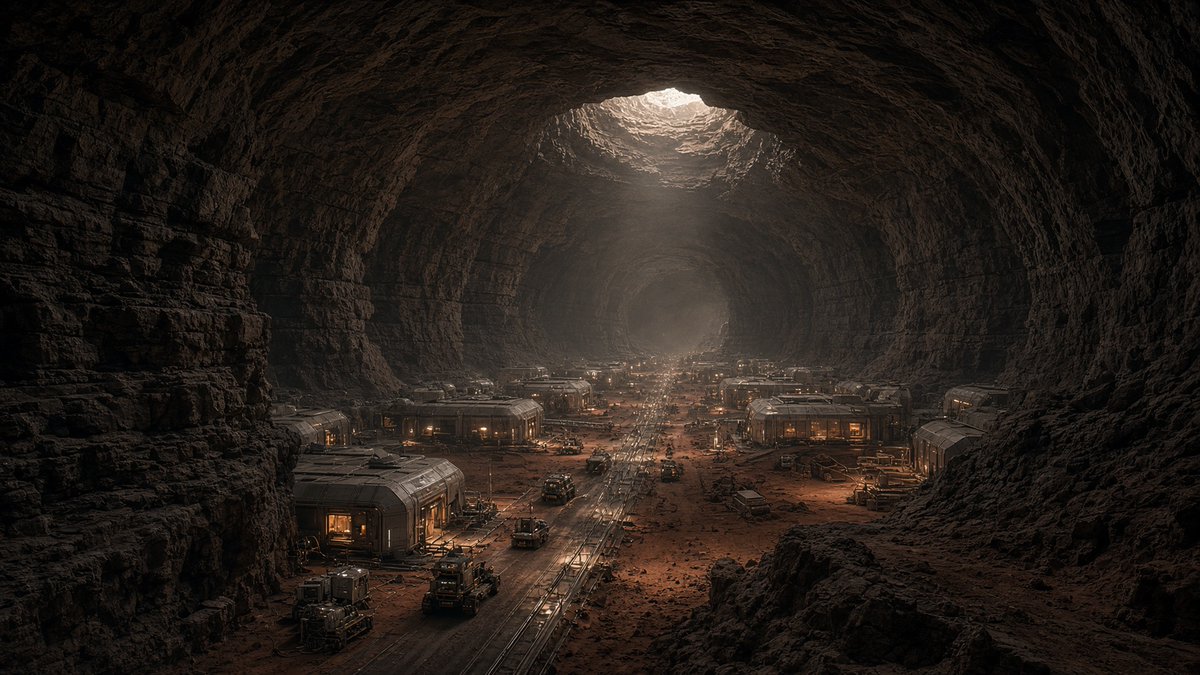
The first serious Martian cities may not begin with domes.
They may begin underground.
Mars already contains lava tubes large enough to provide natural shielding from radiation, temperature swings and micrometeorites.
Before we manufacture a city we may excavate one.
Perseverance has crossed into a different chapter of Mars.
West of Jezero, it is now studying some of the oldest rocks encountered by the mission material formed before the crater’s later rivers and lakes.
We are no longer just reading the history of Jezero.
We are reading the planet beneath it.