1/ 🚨 Hot off the press in @NatImmunol: CD4⁺ T cells can license Kupffer cells to rescue dysfunctional CD8⁺ T cells in the liver. Hepatitis B virus (HBV) infection is just the proving ground—this is a paradigm shift in tissue immunity. https://t.co/C6CzH3s34y 🧵(1/11)
2/ Chronic HBV infection was the perfect stress test: intrahepatic CD8⁺ T cells are primed yet quickly stall. How to reignite them has been a major interest of our lab. (2/11)
3/ Pre‑activated helper CD4⁺ T cells solve the puzzle. They skip lymph nodes and head straight to the liver, where they form intimate triads with Kupffer cells (KCs), the resident macrophages patrolling sinusoids. (3/11)
4/ Through CD40L‑CD40 contact, those helpers re‑program KCs—turning tolerant scavengers into potent APC‑like cytokine factories. It’s on‑site immune engineering, not remote coaching. (4/11)
5/ Licensed KCs release a two‑part cocktail:
• IL‑12 expands the helper pool
• IL‑27 wakes up dysfunctional CD8⁺ T cells, restoring effector molecules and metabolic vigor. (5/11)
6/ Dendritic cells? Dispensable. Secondary lymphoid organs? Surgically removed or pharmacologically blocked—help still flows. Immunity can be fabricated in situright inside the parenchyma. (6/11)
7/ Remove KCs and the circuit collapses; block CD40L or IL‑27 and CD8⁺ T cells relapse into lethargy. The essential loop is:
CD4 T cell ➜ KC ➜ IL‑27 ➜CD8 T cell. (7/11)
8/ IL‑27 isn’t just necessary—it’s sufficient. Recombinant IL‑27 revived antiviral CD8⁺ activity in mice and super‑charged HBV‑specific T cells from patients. (8/11)
9/ Why care beyond HBV? Tapping a CD4–IL‑27 axis could be a universal key to re‑arming liver‑resident CD8⁺ T cells against infections and cancer (9/11)
10/ The work reframes “CD4 help”: not a lymph‑node pep talk but an on‑site renovation that overrides local tolerance. Therapeutics that mimic KC licensing could deliver potency where it’s needed and spare the rest of the body. (10/11)
11/ Kudos to Valentina Venzin, Cristian Beccaria, all members of the @IannaconeLab & collaborators for charting this intrahepatic circuit. Expect Kupffer‑cell licensing and IL‑27 to enter conversations on cancer immunotherapy, vaccines and beyond. Thoughts welcome! 🙌
@ImmunoPodcast@profvrr@ERC_Research@EMBO@EMBO_YIP@ArmeniseHarvard@AIRC_it@MyUniSR@SanRaffaeleMI
(11/11)
Honoured to have been able to present my data from @iannaconelab at the 17th #ENII Summer School on Advanced #Immunology, an incredible opportunity to discuss science and meet peers!
🎉Thrilled to announce that our project on reprogramming immune cells to fight chronic hepatitis B has been honored with an ERC Advanced Grant #ERCAdG!
Our grant aims to redefine liver immunology and transform our battle against viral infections. 🧬💡
I'm deeply grateful to both current and past members of our lab for their exceptional dedication and hard work. It's truly thanks to their collective effort that we have been able to achieve such significant results.
Equally, if not more, proud of my former PhD students @MarcoDegiov89, @inversodonato, and @ValeFuma91 for securing their own ERC grants (StG, CoG, and SyG, respectively) in the same call. 🌟
Stay tuned for groundbreaking insights! 🚀 #ScienceTwitter @ERC_Research@SanRaffaeleMI@MyUniSR https://t.co/Zd0g7xCW5e
💥 Exciting News! Our latest research is now online @NatImmunol! Discover how prior infection or vaccination provides antibody-independent protection against heterologous SARS-CoV-2 challenge! 🧵🔬 (1/10)
https://t.co/G3EYjGut9q
2/ 🛡️ Shifting paradigms, our research highlights T cells' paramount role in defending against COVID-19 beyond antibody responses. Even in the complete absence of antibodies, T cells stand guard.
3/ 🧬 Our study utilized advanced mouse models, including a pioneering human/mouse ACE2 hybrid, to unveil that T cell immunity effectively counters various SARS-CoV-2 strains without relying on antibodies.
4/ 💪 Highlight of our findings: CD8+ T cells are crucial for combating severe infections, complemented by CD4+ T cells in less severe cases. The linchpin? Interferon-gamma (IFN-γ), driving this antibody-independent protection.
5/ 🔄 Demonstrated across models mimicking the spectrum of disease severity, this research shows that T cells not only prevent disease but also curb early SARS-CoV-2 replication.
6/ 📚 Building on the collective efforts of many in the field, our study underscores T cells' essential and sufficient role in safeguarding against SARS-CoV-2, reinforcing the critical importance of cellular immunity in the fight against COVID-19.
7/ 🌐 While our findings support vaccine strategies enhancing T cell responses, it's essential to acknowledge the efficacy of current vaccines in eliciting T cell immunity. We advocate for evaluating T cell responses alongside antibodies to fully assess vaccine effectiveness and explore targeted strategies for optimal T cell activation.
8/ 🙌 A heartfelt thank you to our incredible team and collaborators, especially lead author @ValeFuma91, along with key contributors Micol Ravà and Davide Marotta, as well as our collaborators Luca Guidotti, Marco Bianchi, and Raffaele De Francesco.
9/ 🌟Appreciation to our supporters @ERC, @AIRC_it, @EMBO_YIP, @ArmeniseHarvard, @mur_gov_, @SanRaffaeleMI, @MyUniSR, Fondazione SAME, Fondazione Prossimo Mio. Thanks also to our reviewers and Nick Bernard for their invaluable contributions to our journey.
10/ Dive deeper into our study to grasp its impact on immunology and future vaccine development. We're eager to hear your thoughts and engage in discussions! https://t.co/G3EYjGut9q. Your feedback and insights are invaluable. 📖💭
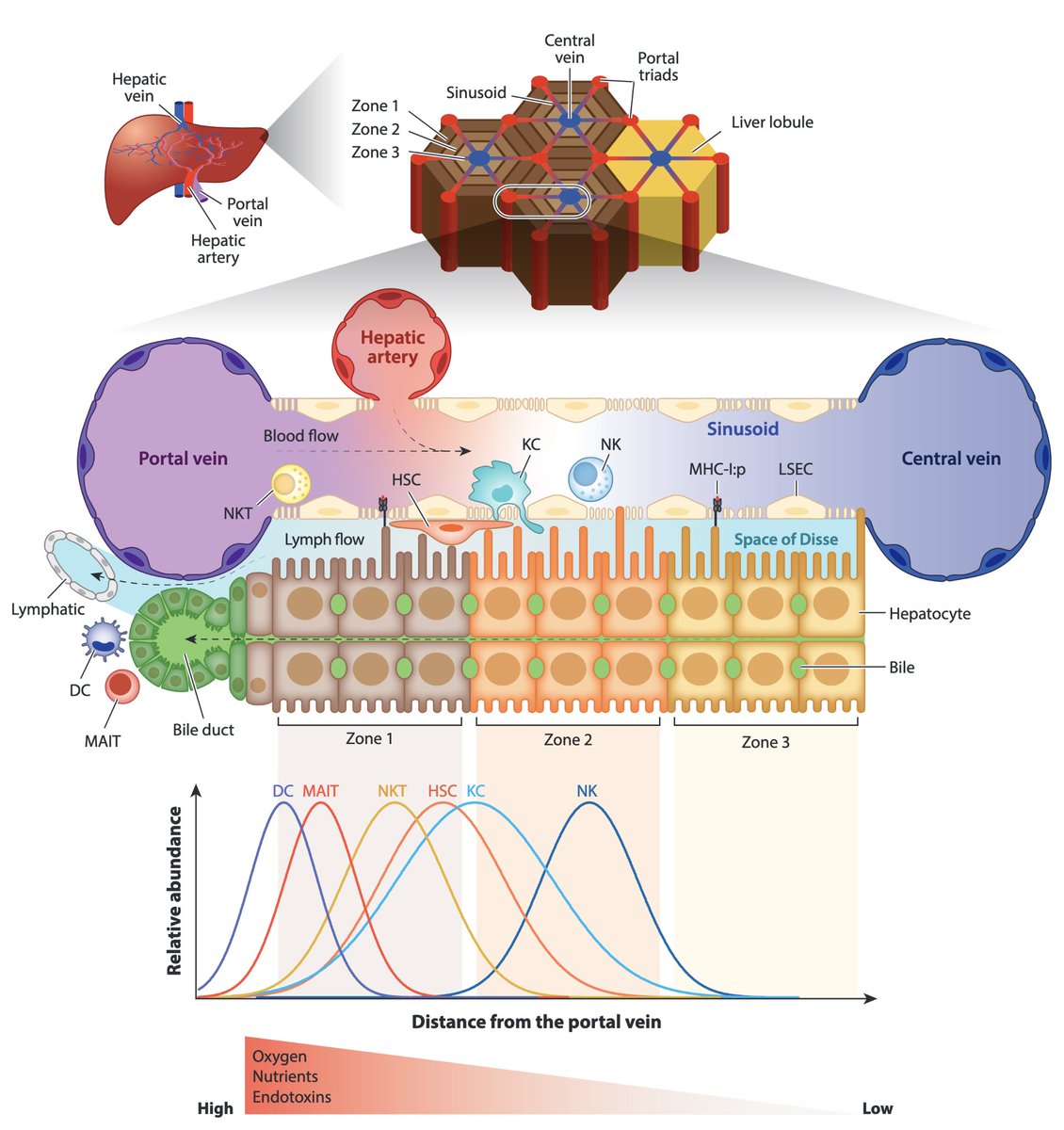
Interested in how the liver’s unique characteristics shape priming and maintenance of adaptive immunity? Check out our latest review now online in Annual Review of Immunology https://t.co/BnzDR8lKJG. Spearheaded by Keigo Kawashima, @frarro1 and @CristianBecc.
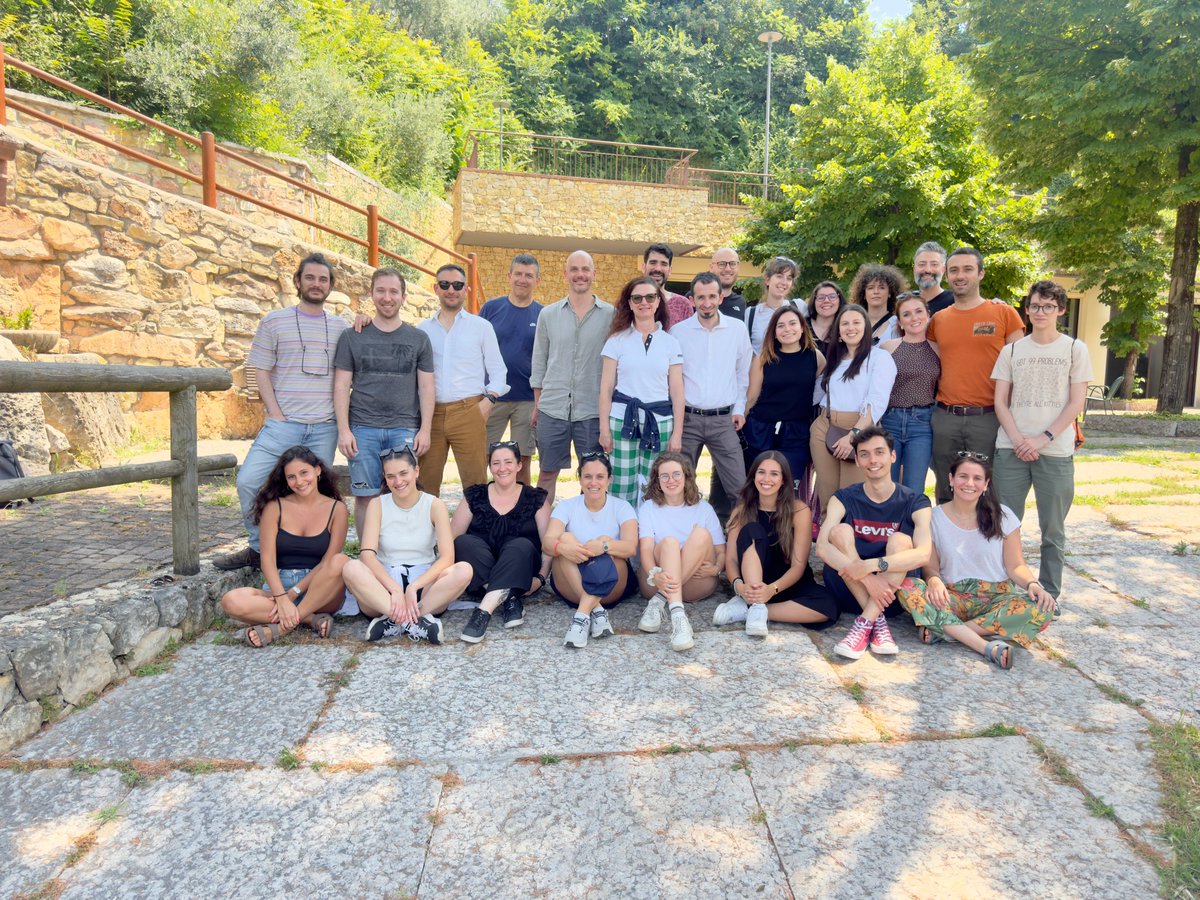
Happy to share our lab data at @SiicaI 2023! Nice discussion and environment in the beautiful Verona 🤩
And also congrats to my colleagues @VenzinValentina @EleonoraSala12@CristianBecc@nellimaria97@Marta_Grillo_ for their great Oral and Poster presentations!