🟦 6 JAAR POST-COVID 🟥 Nieuwe kennis, oude reflexen?
🔲 Precies zes jaar geleden schreef ik in Medisch Contact dat mensen met post-covid hetzelfde lot dreigden te ondergaan als mensen met ME/CVS: eerst genegeerd, daarna gepsychologiseerd.
🔲 Inmiddels is er veel veranderd. PEM is salonfähig en wordt erkend, biomedisch onderzoek levert steeds interessantere bevindingen op en het oude verhaal van simpele deconditionering wordt steeds moeilijker vol te houden.
🔲 Maar is ook de beoordelingspraktijk mee veranderd?
Daar ben ik minder gerust op. Het gaat zeker beter, maar nieuwe termen en nieuwe richtlijnen kunnen soms verrassend oude denkpatronen verhullen.
Daarom, zes jaar na dato, een tussenstand:
Wat weten we inmiddels wél, wat doen we nog steeds hetzelfde en vooral: wie heeft er haast?
👇 De beeldplaat vat mijn observaties samen
Covid-19 vax: Pfizer ↔ Novavax
🤔Let’s stick to the science and stop subjective unscientific narratives. A personal review!
➡️Current science shows NO evidence that Novavax outperforms Pfizer in protecting against COVID-19. THEY PERFORM COMPARABLY.
- Early trials actually gave Pfizer a slight edge (~95% vs ~90% efficacy against symptomatic infection), while both were highly effective against severe disease.
- Real-world data on updated 2024–2026 formulations show equivalent effectiveness. Pooled analyses and multi-brand studies (including one covering Pfizer, Moderna, and Novavax) found comparable results against JN.1-lineage variants.
- One older (2022) real-world study suggested Novavax was similar or marginally better against infection as a booster, but this does not apply to current formulations and showed no consistent advantage against severe outcomes.
- CDC, FDA, EMA and other authorities state there is no preference between the two for protection, they are considered interchangeable.
➡️When all ADVERSE EVENTS are factored in, Novavax has a clear advantage in tolerability. The 2025 SHIELD-Utah study showed significantly fewer and milder side effects with Novavax (fewer systemic symptoms, less disruption to daily life) compared with Pfizer. Serious risks such as myocarditis are rare with both, though the signal is stronger with mRNA vaccines in young males.
‼️So, as all companies now distribute the LP.8.1 vaccine update your bottom-line is: Protection is similar with the main evidence-based reason to choose Novavax over Pfizer is its better side-effect profile, but the incoming availability of the updated XFG vaccine may change this!
https://t.co/2V5KjzJxYq
L0NG C0VID IS QUIETLY WRECKING HEARTS.
Maybe time for a recap based on 2026 science.
Here’s the comparison for MACE, Stroke, Deadly Clots & overall CV risks:
➡️MACE (heart attack, stroke, heart failure)
• Non-COVID: HR 1.0
• COVID-19: 1.8–3.9x
• Long COVID: ~4.5x
➡️Stroke (ischemic):
• Non-COVID: HR 1.0
• COVID-19: ~2–3x
• Long COVID: ~3.5x
➡️Deadly clots (PE / VTE):
• Non-COVID: HR 1.0
• COVID-19: ~2–4x
• Long COVID: 3.2–4.4x
➡️Overall CV risks:
• Non-COVID: baseline
• COVID-19: ↑1.5–2.5x (arrhythmias, CAD, HF)
• Long COVID: 2–4.5x higher
Long COVID adds extra danger beyond regular post-COVID.
Risks hit even non-hospitalized patients and last for years.
Vax may reduce risks but certainly doesn’t erase it.
Absolute risks lower in young/healthy, but serious if older/comorbid.
‼️Today’s evidence shows that while any COVID-19 infection elevates cardiovascular risks, long COVID dramatically amplifies them, making proactive heart monitoring essential for affected patients.
Bottom line: Get your heart checked post-Covid19/ LongC0vid and #AvoidSars2 #AvoidReinfections!
🚨C0VID-19/L0NG C0VID are serious CV RISK FACTORS!
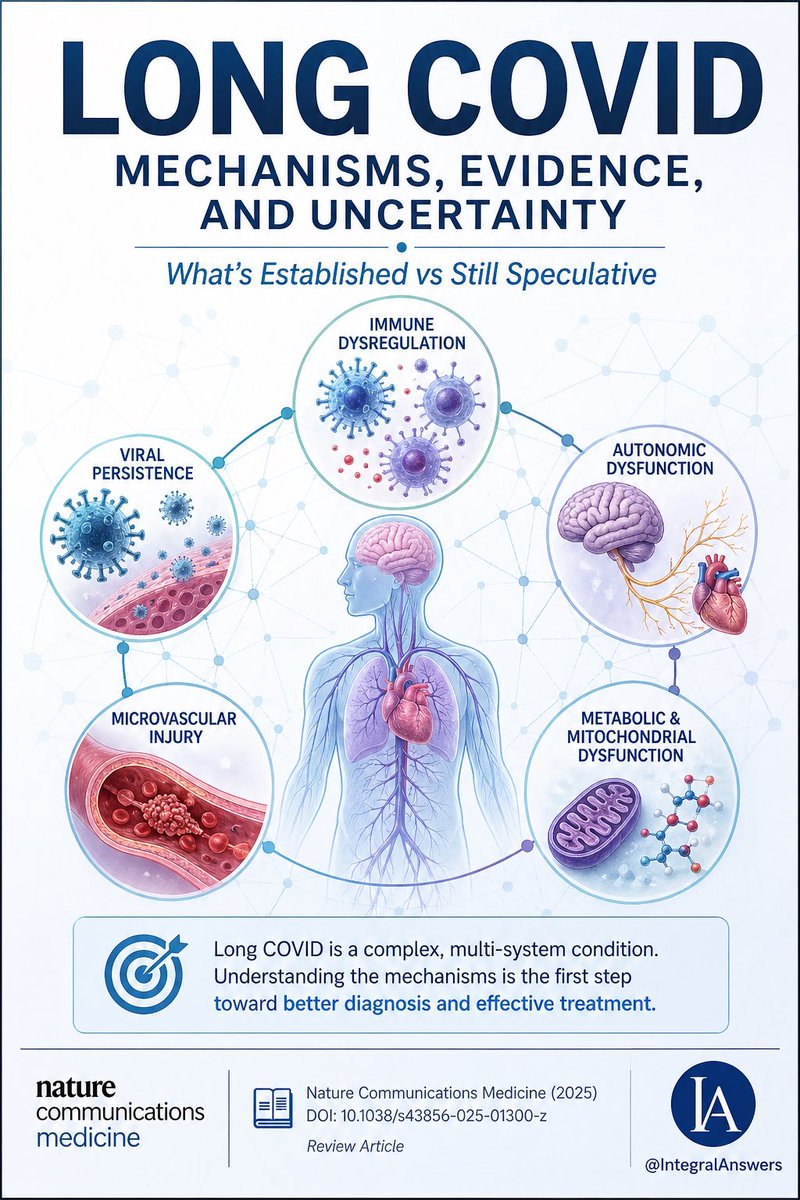
1/ Long COVID is one of the most complex post-infectious syndromes ever studied.
A new review in Nature Communications Medicine attempts to unify the biology.
Here’s what’s established, what’s emerging, and what’s still speculative. 🧵
📺 Kijktip: long covid in 'Knappe Koppen'
Op zaterdag 2 mei is er een bijzondere aflevering van Knappe Koppen te zien, waarin long covid centraal staat. Een aanrader om te kijken!
In deze aflevering krijg je een inkijkje in het werk van onderzoekers die proberen te begrijpen wat er in het lichaam gebeurt bij long covid. Onderzoeker @RobWust laat zien dat er duidelijke verschillen zijn in spiercellen tussen mensen met en zonder long covid. Dat geeft belangrijke aanknopingspunten voor verder onderzoek.
Ook patiënten komen aan het woord. Zij vertellen hoe hun leven van de ene op de andere dag volledig is veranderd. En hoe groot de impact is, niet alleen voor henzelf, maar ook voor hun gezin.
Een aflevering die wetenschap en persoonlijke verhalen samenbrengt en laat zien waarom dit onderzoek zo hard nodig is.
📍 RTL 4
📅 Zaterdag 2 mei 2026
🕔 17:00 – 17:30
👉🏽 Meer info: https://t.co/AK9Par3Hss
Zeker het kijken waard!
#LongCovid #Kijktip #Onderzoek #NietHersteld
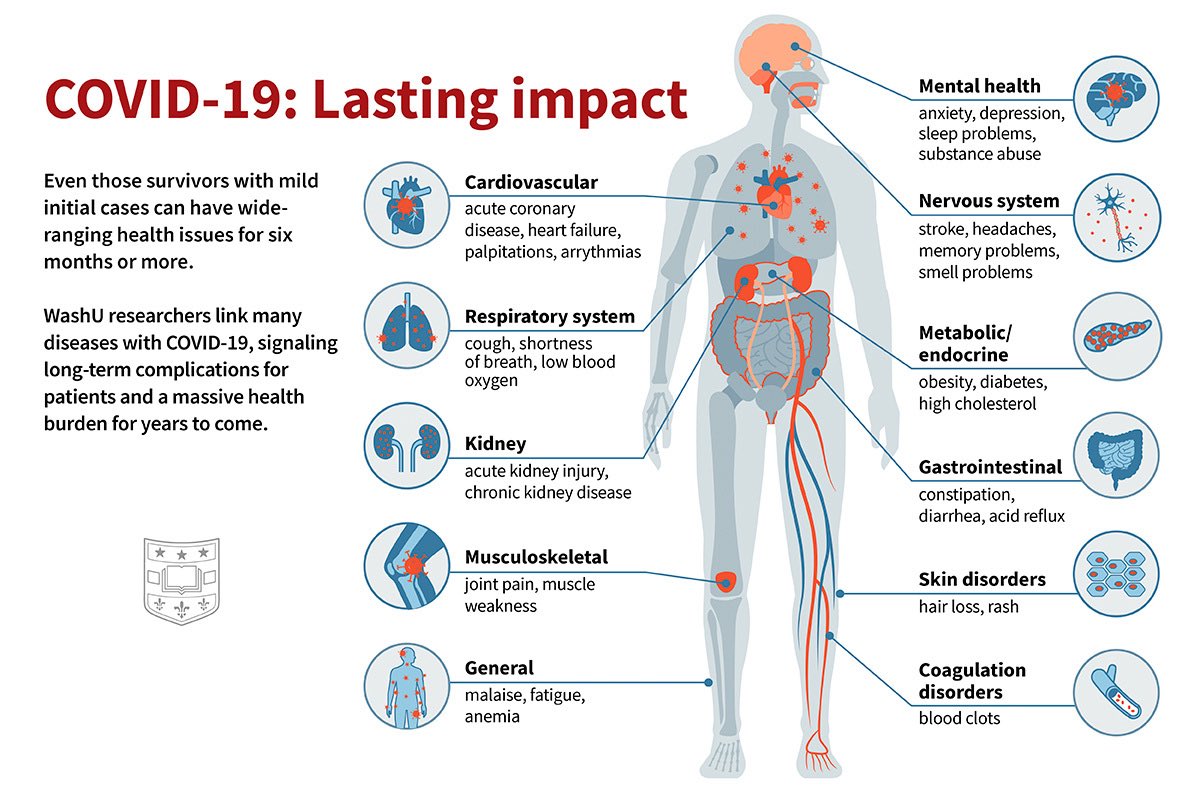
Many of the conditions linked to Covid are long-term diseases:
🫀 cardiovascular disease
🧠 neurological conditions
🚨metabolic conditions (eg. diabetes)
Some of these can develop slowly after infection… and wouldn’t necessarily be attributed to a past Covid infection.
/7
Long COVID: What Is It?
Long COVID is a serious, chronic, systemic disease state that occurs after a COVID-19 infection that can be disabling or fatal. Long COVID can involve persistent symptoms, new-onset medical conditions, exacerbation of pre-existing conditions, and systemic disease impacting every organ system. Long COVID has also led to death for thousands. It can follow mild, moderate, severe, or even asymptomatic COVID-19 infection and affects individuals of all ages, including children. The leading mechanistic driver of Long COVID is theorized to be viral persistence triggering persistent immune activation. Several other mechanisms, or a combination, may be responsible. Research is underway. Over the last six years, the use of varying definitions and inclusion criteria proved detrimental to the progression of research and clinical care. Adding to the bias in Long COVID research, there are very few “control” or “COVID-negative” populations, especially due to the number of asymptomatic infections and lack of testing and reporting. Together, these factors — along with barriers to research access based on location, disease severity, or financial constraints — will continue to distort and limit the completeness of Long COVID data. The utilization of a consistent, consensus-driven, unified definition rooted in peer-reviewed science and lived experience is the first step to correcting this process. Use of a unified definition strengthens awareness, education, reporting, and clinical documentation. Strong documentation produces reliable data, which informs policy decisions, directs resources toward urgently needed research, guides public health communications, and improves clinical care delivery. We will continue learning about the impacts of COVID-19 infections and Long COVID for decades to come. It is important to be able to adapt and accept changes to our understanding of this disease over time, and be able to quickly disseminate learnings and training.
We are all #OneInfectionAway
Learn more about #LongCOVID and visit our #LongCOVIDAwareness Month page to take action, get involved, and spread the word! https://t.co/q7yUbaQLu6
Access the video here: https://t.co/zs9GLePKZD
Long COVID: The Digestive System
Long COVID can cause severe and disabling gastrointestinal symptoms. Individuals report nausea, vomiting, diarrhea, constipation, abdominal pain, GERD, dysmotility, gastroparesis, cyclic vomiting, and dyssynergic defecation. Some develop eosinophilic esophagitis (EoE) or experience new or fluctuating food intolerances. The gut is not just a digestive organ — it is a major immune interface. Inflammation, autonomic dysfunction, and microbiome disruption may all contribute to symptom persistence and variability. Untreated or poorly managed GI impairment can lead to malnutrition, dehydration, medication intolerance, and cascading effects across the autonomic, immune, and neurologic systems —worsening overall disease burden.
We are all #OneInfectionAway
Learn more about #LongCOVID and visit our #LongCOVIDAwareness Month page to take action, get involved, and spread the word! https://t.co/q7yUbaQLu6
Access the video here: https://t.co/0kE8CEl4TQ
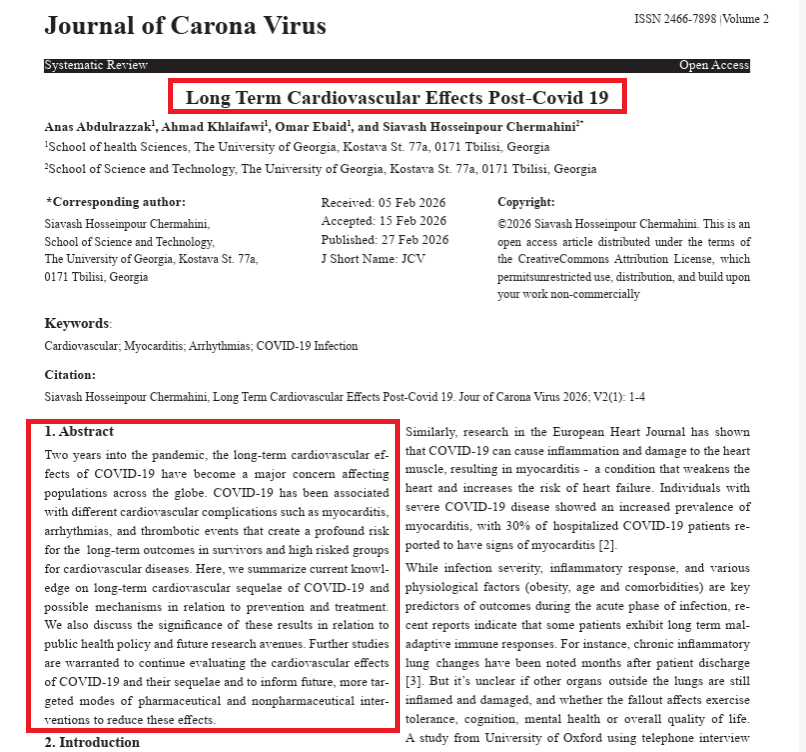
Long Term Cardiovascular Effects Post-Covid 19
🚨Smart authors: “As the ONGOING pandemic carries on, the long-term cardiovascular effects of COVID-19 infection have emerged as an important area of research. Alarming short- and long-term cardiovascular complications of COVID-19…”
➡️This systematic review from Georgia AGAIN examines long-term cardiovascular sequelae of COVID-19 infection.
➡️Summary:
- COVID-19 survivors face elevated risks of cardiovascular diseases (e.g, arrhythmias, myocarditis, heart failure, thrombotic events, cerebrovascular disorders) persisting up to 12 months or longer, even in non-hospitalized/mild cases and across age, sex, and pre-existing risk groups,
- Hospitalized patients showed ~3× higher likelihood of major cardiovascular events within 8 months, with nearly 20% of >1,000 hospitalized cases having events within 90 days. ~30% exhibited myocarditis signs.
- Large cohort analyses (e.g, 153,760 COVID patients vs. controls) confirmed increased incidence of inflammatory heart disease, heart failure (2.5-fold risk in 4 months), and other cardiac issues.
- Thrombotic events in hospitalized patients ranged 4–30% with US estimates linking COVID complications to thousands of extra strokes/heart attacks in 2020–2021.
- Proposed mechanisms: direct viral cardiomyocyte invasion, endothelial inflammation, ACE2 disruption, cytokine storms, immune-mediated damage, and fibrosis. Indirect factors include lifestyle changes and healthcare disruptions.
- Important: Authors stress ongoing risks beyond the acute phase, gaps in long-term data, lack of standardized diagnostics, and need for more research on variants/vaccination impacts.
- Sadly, no mention here of reinfection impact. Recent evidence from 2023–2026 studies however indicate that reinfections do certainly pose additional cardiovascular concerns, they actually compound the cardiovascular damage from the first infection!
‼️So, according to the authors, a COVID-19 infection, isn’t merely a respiratory illness, it inflicts substantial, enduring cardiovascular harm on a broad population scale, creating a hidden public health crisis of increased heart disease, strokes, and deaths long after recovery. The evidence demands sustained vigilance and intervention, as the full toll continues to unfold years later.
‼️Does the above sound familiar…..it should ……I’ve been warning you for 5y’s now! #AVOIDSARS2
https://t.co/zVgJW36fhD
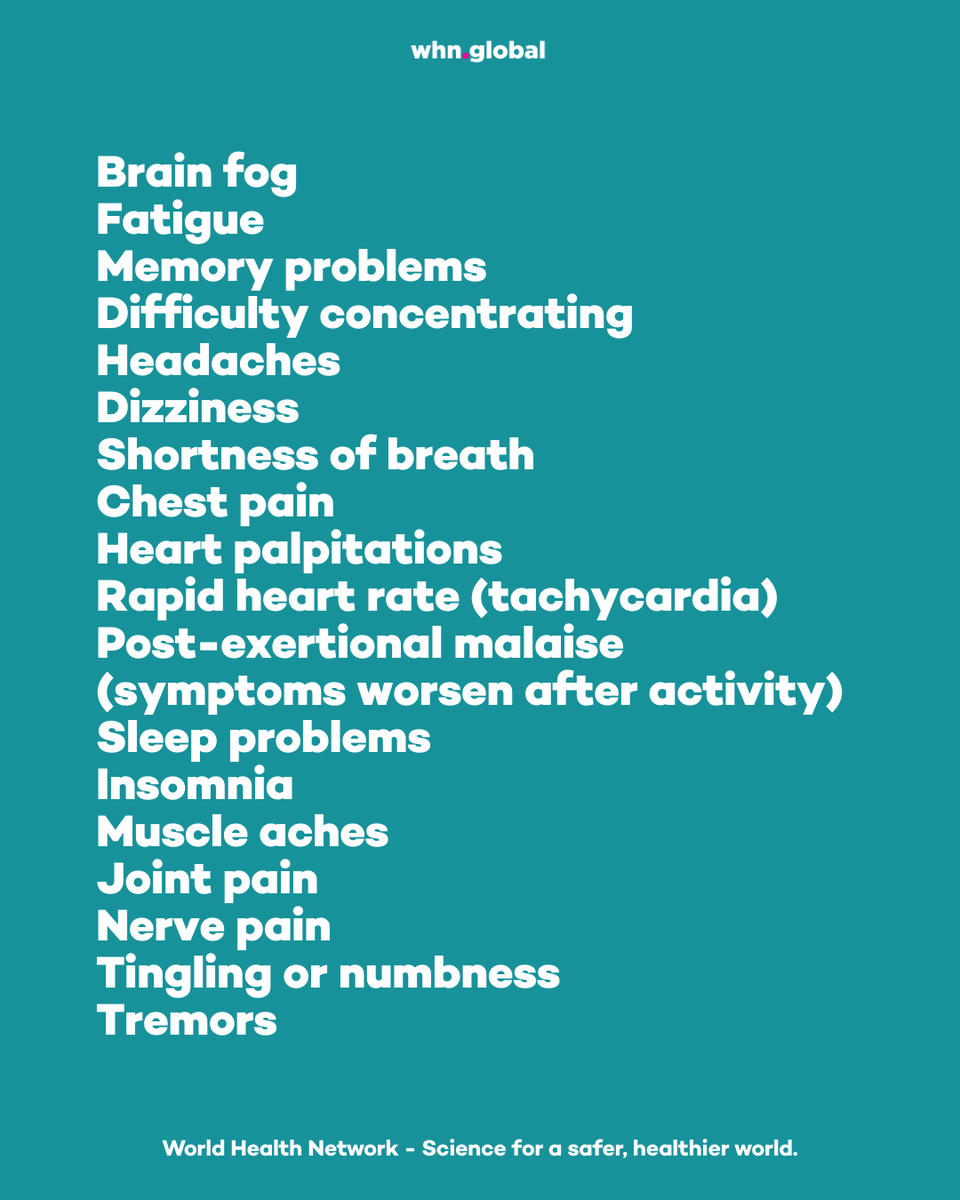
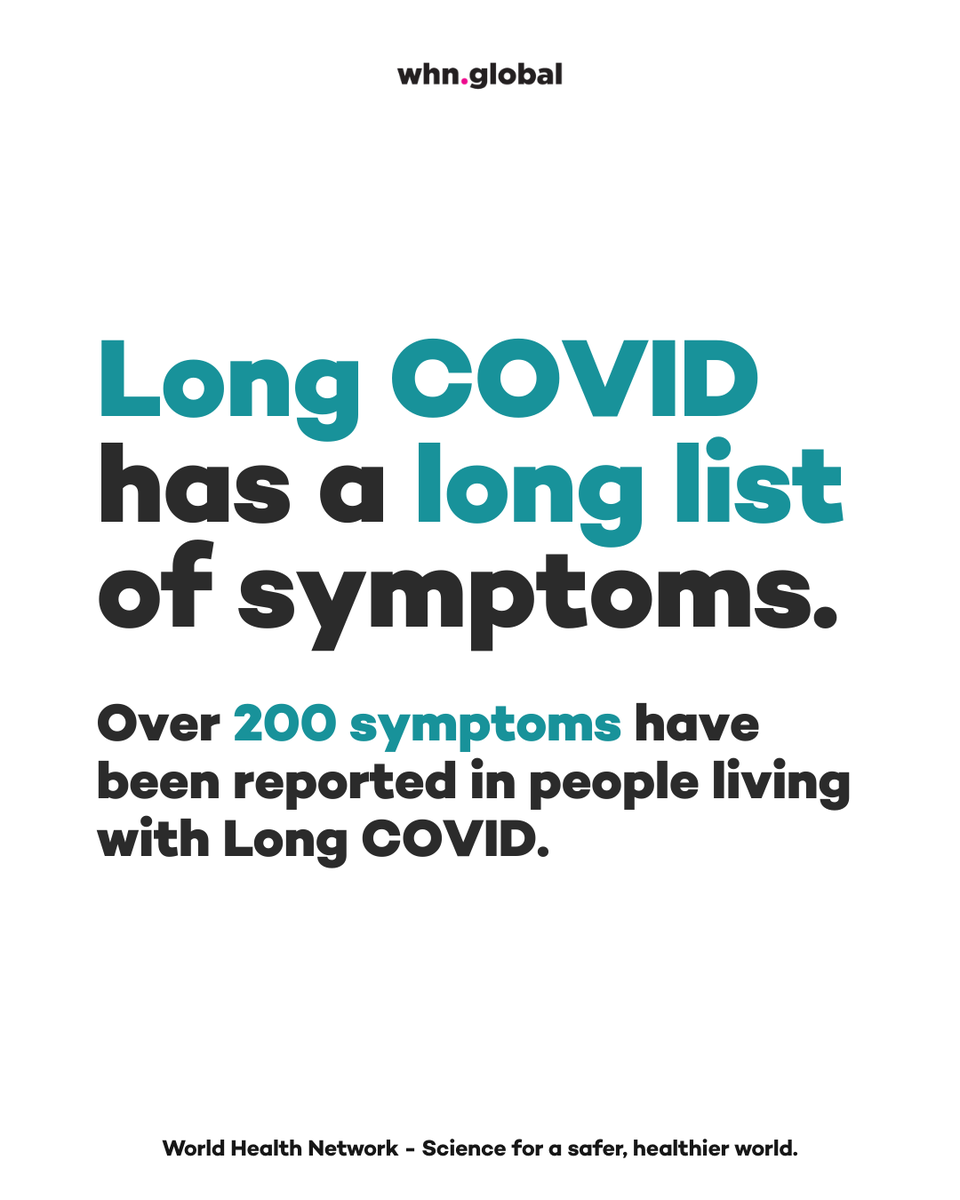
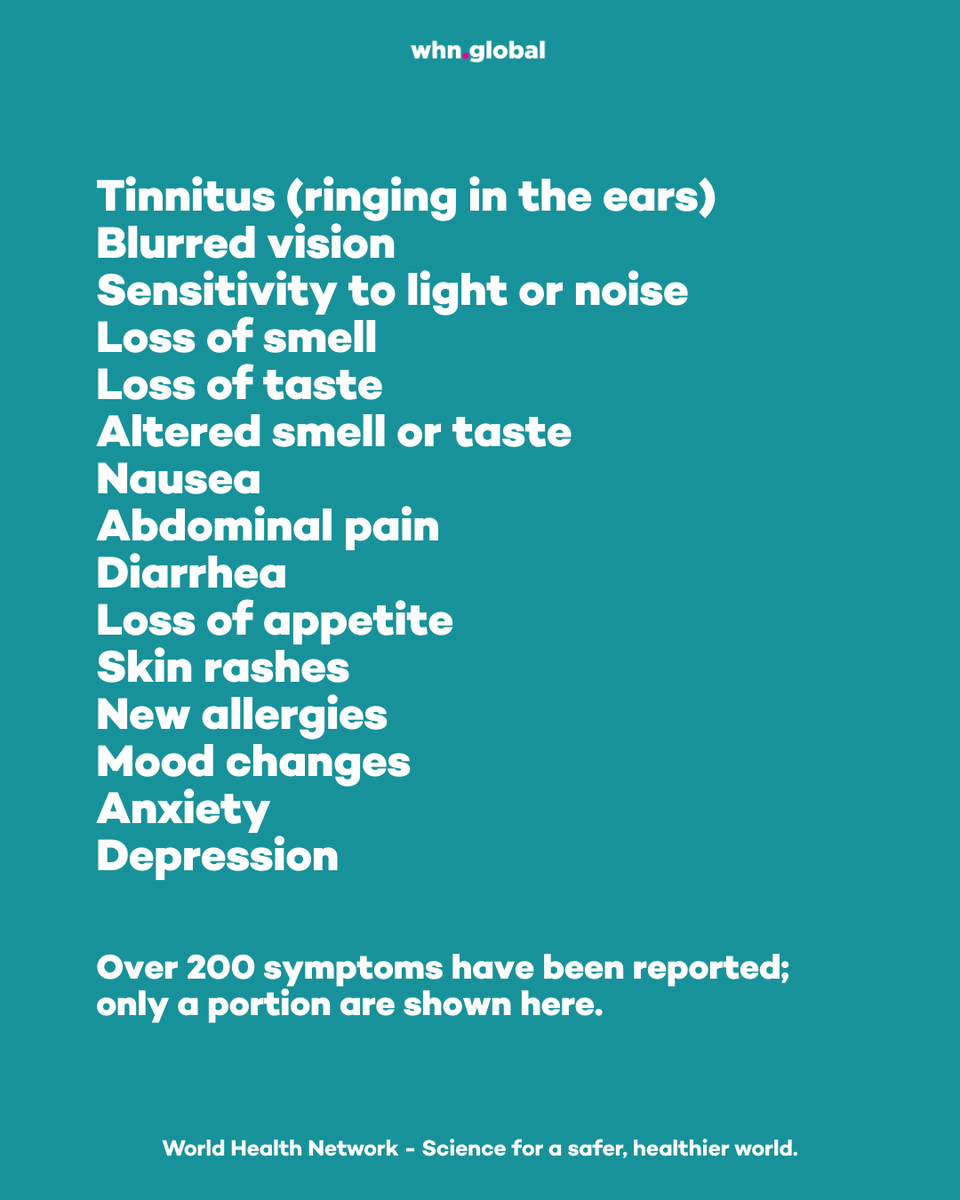
Long COVID can affect many systems in the body. Researchers have documented more than 200 symptoms, ranging from fatigue and brain fog to heart, lung, and neurological problems.
The symptoms shown here are only a small sample. Preventing infection helps reduce the risk of Long COVID.
#LongCOVID #CleanAir #PublicHealth #COVID19 #COVID #InfectionPrevention #LongCOVIDAwareness
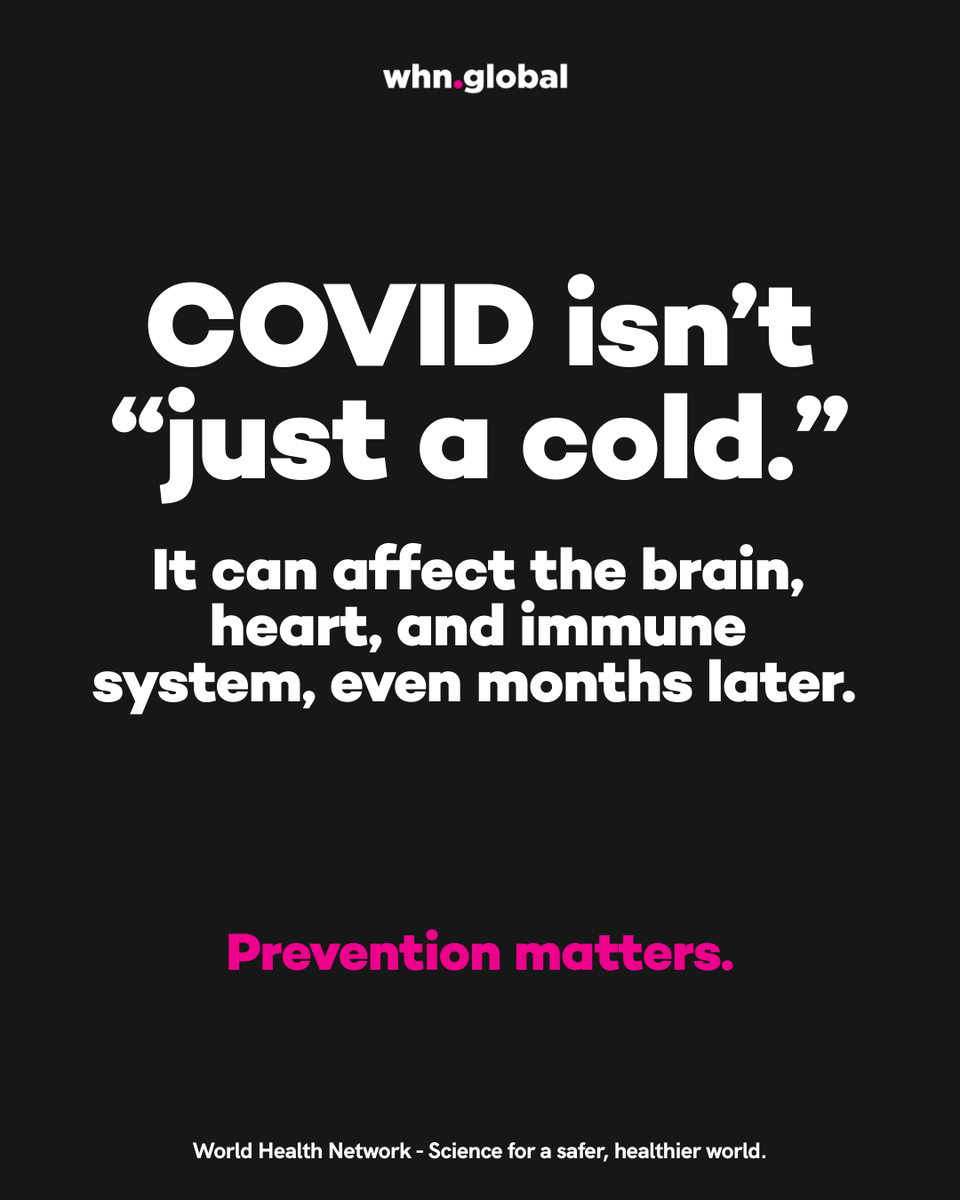
COVID is not “just a cold.” Even mild or asymptomatic infections can cause lasting health effects, damaging blood vessels and organs, affecting the brain, and weakening the immune system. Reduce possible harm by avoiding infection and reinfection — preventing COVID is possible through measures such as masking, ventilation, testing and vaccination.
#COVID #COVID19 #PublicHealth
Long COVID: The Immune & Lymphatic System
Long COVID is associated with persistent immune dysregulation. Studies document chronic inflammation, abnormal immune activation, altered T- and B-cell signaling, and the presence of autoantibodies. This immune dysregulation can create a state of vulnerability in the body, which can increase susceptibility to infections, reactivation of latent-viruses as seen with EBV, CMV, HSV... and contribute to the emergence or unmasking of secondary conditions, including autoimmune diseases such as Lupus, neurologic disorders such as multiple sclerosis (MS), and even certain https://t.co/vin5KurQju can also impact how your body responds to other infections and illnesses, impact vaccine efficacy and antibody response, and more. Long COVID can reflect a destabilized immune system with systemic consequences that vary by person, severity, and time since infection.
We are all #OneInfectionAway
Learn more about #LongCOVID and visit our #LongCOVIDAwareness Month page to take action, get involved, and spread the word! https://t.co/q7yUbaQLu6
Access the video here: https://t.co/J8Z6rAOa15
Long COVID: The Cardiovascular System
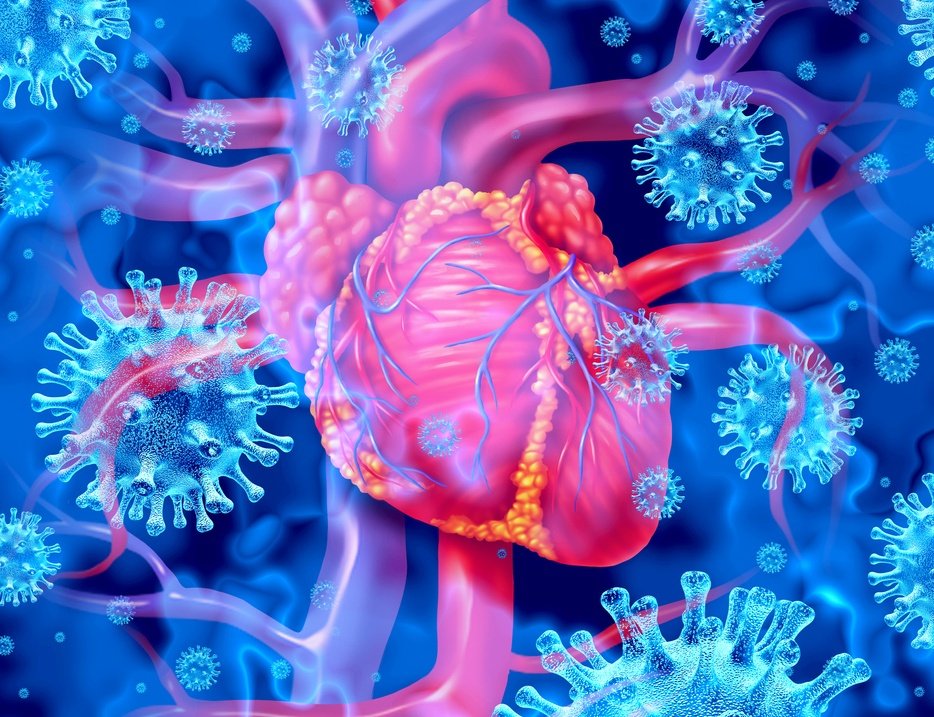
Long COVID has left many people with cardiovascular disease and injury. Even following a mild or asymptomatic infection, the long-term effects can be significant. Research shows an elevated risk of cardiovascular disease months to years later. Many individuals report persistent chest pain, palpitations, arrhythmias, orthostatic intolerance, and marked instability in heart rate and blood pressure—reflecting ongoing autonomic and vascular dysfunction. Research implicates endothelial dysfunction, microvascular injury, impaired oxygen delivery and increased risk of stroke, heart attack, and heart failure. Some require lifelong cardiac monitoring, implantable devices, or advanced therapies. Cardiovascular injury can be silent until it’s not.
We are all #OneInfectionAway
Learn more about #LongCOVID at https://t.co/9BMkXUFPql
YouTube Link: https://t.co/Lw7SgZlL5r
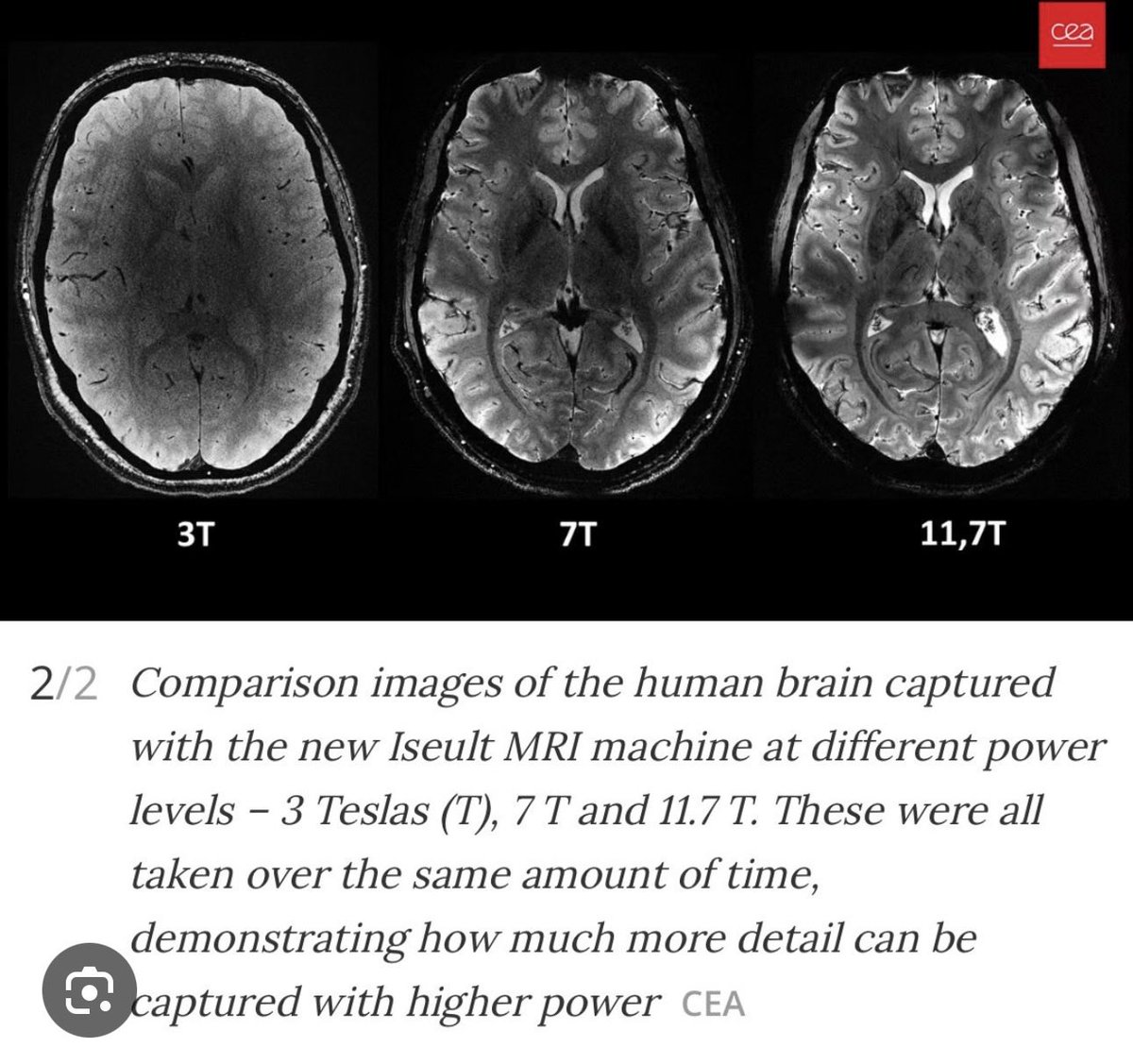
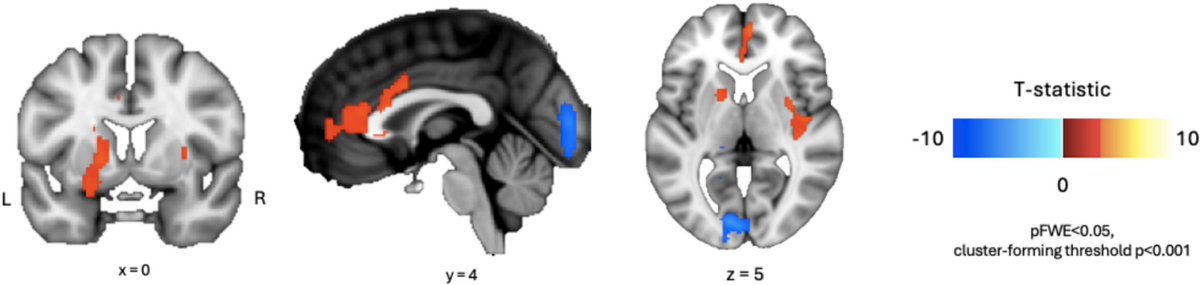
Plain language: Only a 7-Tesla MRI ( not the 1.5 or 3.0 Tesla one most patients get scans on) shows that both #LongCovid and #MECFS patients had large hippocampi ( part of the brain) . It maybe “in your head” but your doctor can’t see it because she does have access to sharp enough images
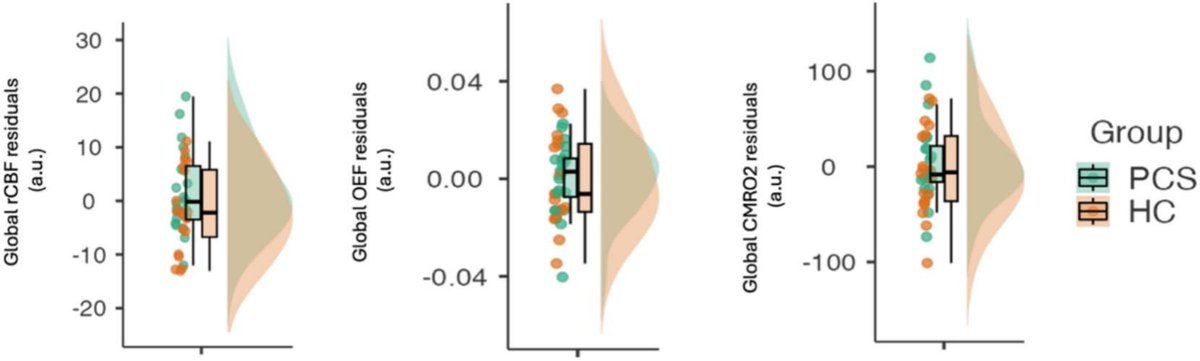
The study suggests LongCOVID symptoms may be linked to problems with brain energy supply, possibly caused by immune-vascular changes after infection.
➡️ This could help explain chronic fatigue and cognitive difficulties. 2/
New brain-imaging research suggests that #LongCOVID may involve immune and blood-vessel related changes in the brain.
➡️ These changes may affect how the brain produces and uses energy.
➡️ Researchers used advanced imaging methods to study people with post-COVID symptoms such as fatigue and brain fog.
➡️ Results suggest altered brain metabolism and vascular function, which may explain persistent symptoms. 1/
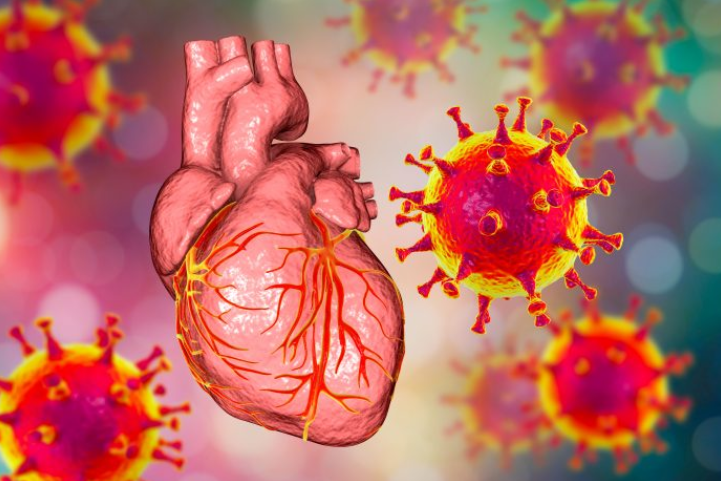
🚨⚠️ Heart attacks🫀in people under 40 have risen 66% since the beginning of the COVID pandemic. COVID is a vascular disease
COVID can affect the cardiovascular system by increasing blood stickiness, which raises the likelihood of blood clot formation.