All of the "won't anyone think about the poor landlords???" discourse, of which this tweet is perhaps the most ridiculous example, seems to skip over two fundamental facts about landlordism: it is both inherently risky and completely voluntary
Let me trace the timeline here because nobody's connecting it.
Step 1: Scrape the entire internet. Every book, every article, every conversation, every piece of art, every forum post. Do it without asking. Do it without paying.
Step 2: Train a model on all of it. Call it "artificial intelligence."
Step 3: Go to BlackRock's Infrastructure Summit and announce: "We see a future where intelligence is a utility, like electricity or water, and people buy it from us on a meter."
Step 3 is where you sell people's own knowledge back to them. On a meter.
They took the collective output of human thought, compressed it into a model, and now they want to charge you by the token to access a version of what you and everyone you know already created.
One Reddit user put it perfectly: "They stole all this data from us, the people, our life's work, creativity, art, by devouring the internet and blowing through all copyright laws. Now they want to sell it back to us in the form of a utility."
Imagine if someone photocopied every book in the public library, burned the library down, and then opened a subscription service for the copies.
That's the metered intelligence business model.
And they're pitching it to infrastructure investors as though they invented water.
@jason_king72@ak_pennington One can’t borrow hundreds of thousands of dollars for other investments. Real estate is unique in that banks will use it as collateral for very large loans. Also, owner occupied housing is entirely tax exempt (excluding stamp duty which is a transaction tax).
Every morning, you should wake up and ask yourself: Am I being an Ezra Klein right now? And if realize you're being an Ezra Klein, stop.
https://t.co/TzesAhXdMV
I wrote a short piece in The Conversation regarding the ACTU's proposal to limit negative gearing and the capital gains tax discount to a single property:
The new proposal to phase out tax breaks on more than one investment property would affect around 1% of Australians. @MartyDuck@Sydney_Uni https://t.co/DPPd3PX2GZ
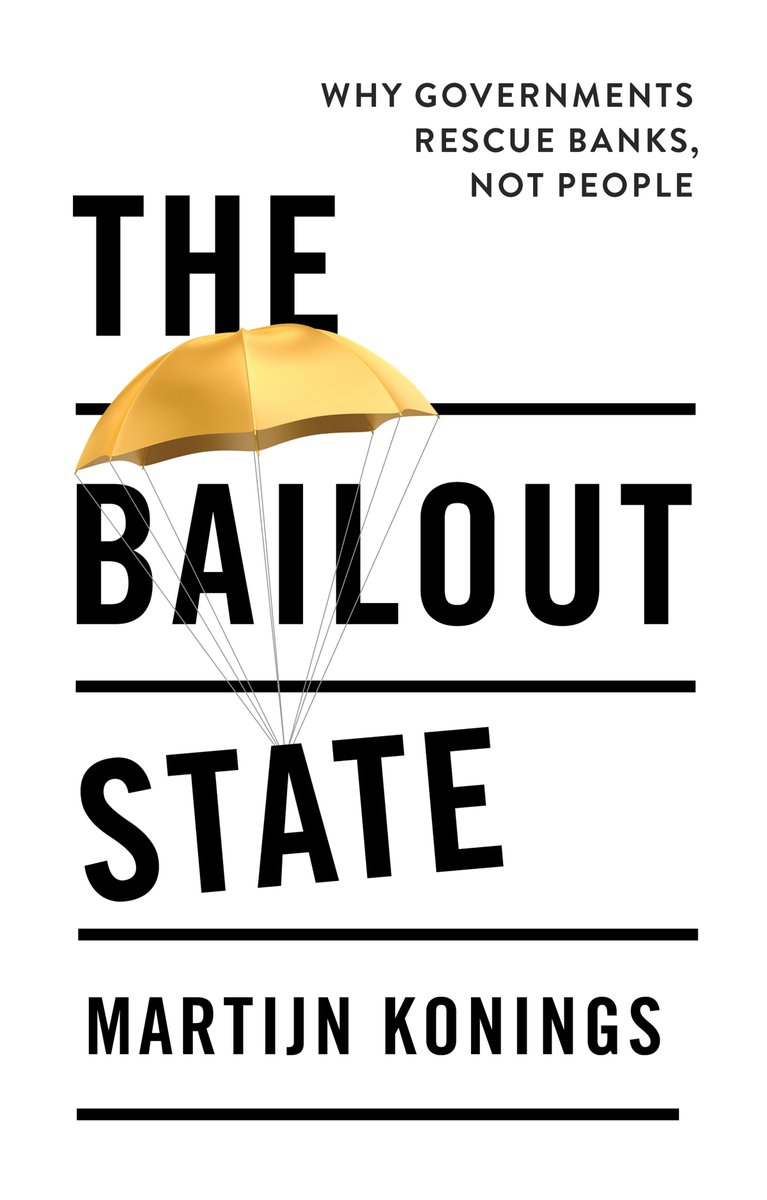
Deepest thanks to @konings_martijn and @mikejbeggs for their generous and careful supervision. I learnt an incredible amount from them as a student and continue to do so as an early career researcher.
Grateful to be awarded a PhD from the University of Sydney in the discipline of Political Economy. My thesis, 'The Financialisation of Residential Capitalism in Australia', is now publicly available: https://t.co/rHAdH9iwkB
In it, I detail how successive governments rendered housing a "dispositif", or apparatus of governmentality, that disciplines households through debt and rent relations, exacerbates socioeconomic inequality, and obscures class relations.
Budgets involve choices.
McIlroy reckons "The full recommendations [of EIAC] would be too costly for the budget," citing ~6bil p/a for the recommended increase to JobSeeker.
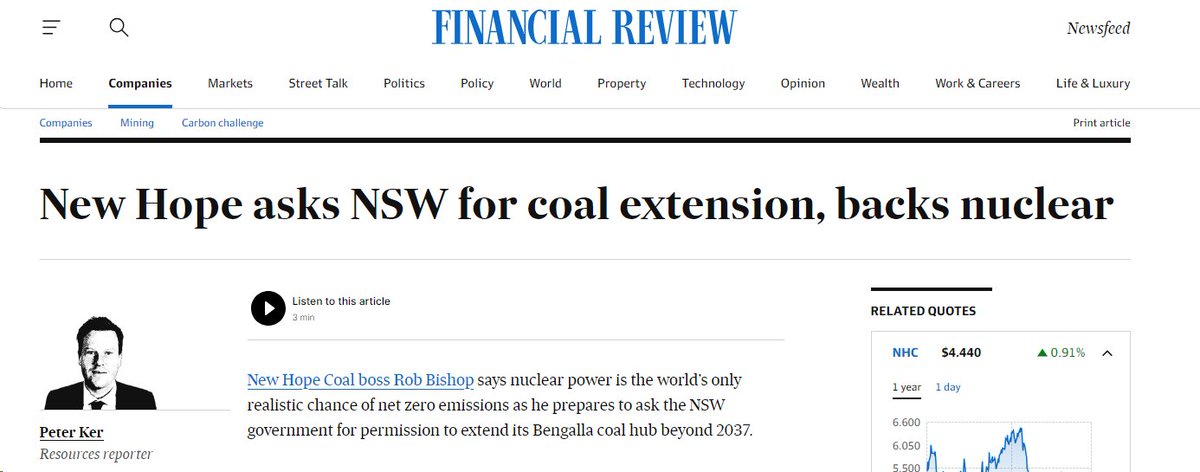
But last year we spent $11bil to subsidise fossil fuels.
We have money.
https://t.co/EOq5VXtqpe
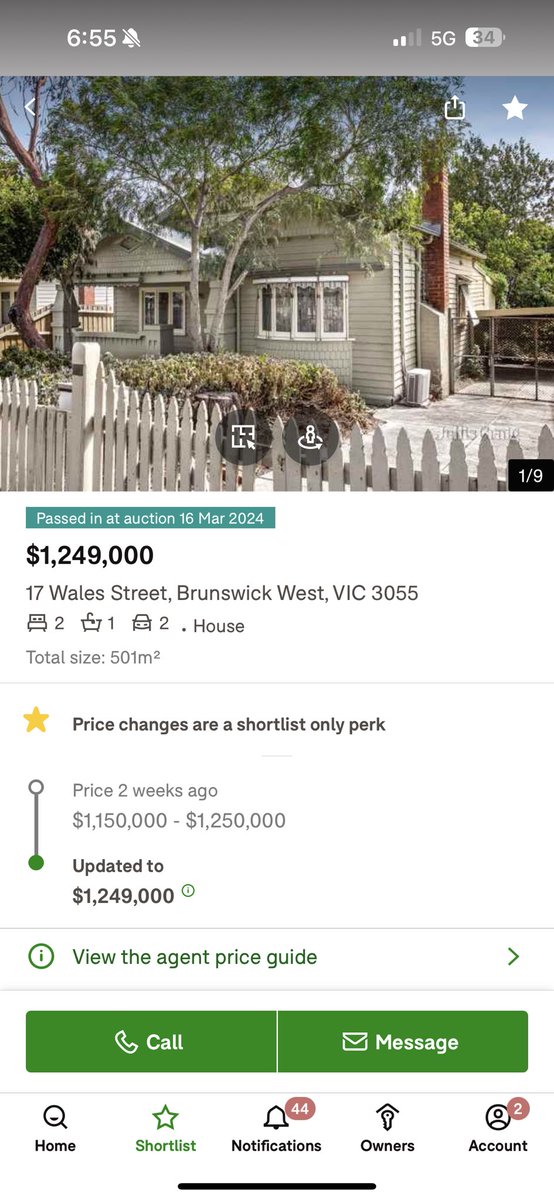
Little story on a long term vacant property:
- went to this auction
- house crumbling apart, sinking & dank
- originally listed as $1.1m
- 1 guy bids, vendor bids, it gets passed in
- agent then tells me the owner is a developer… 1/4
@cmkusher Incentives could be changed so that people don't necessarily invest less, but invest differently and in different sorts of real estate. Limiting NG and CGT discount to newly constructed properties could potentially channel credit towards an increase in supply...