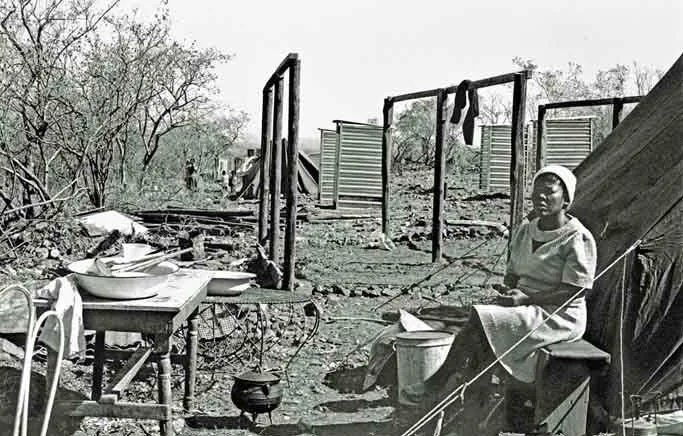
For about two weeks, over 600 people from the Sporong informal settlement have been living at the Randgate Community hall, not because of a natural disaster but due to being terrorised by Zama Zama’s (illegal miners). TCG
Let me be clear.
If the South African elected government was serious about providing computer programming and robotics as a learning subject in all rural schools and also internet connectivity then the CSIR could long have delivered the solution through TV whitespaces.
We do not need Elon Musk or Starlink if we want to serve our rural schools, farmers and peasants. TV Whitespaces are enough to cover all that.
Our problems are ochestrated by the mafia state and groups of right wing white supremacists.
We do not have technology problems here, Enkosi:
The CSIR (Council for Scientific and Industrial Research) in South Africa is a leader in Television Whitespace (TVWS) technology, using the unused frequencies between TV channels (470-694 MHz) for affordable, long-range broadband internet in rural and underserved areas.
Their research led to the development of a White Space Spectrum Database (WSDB) that allows devices to find and use these frequencies without interfering with TV broadcasts, enabling connections for schools, businesses, and communities, reducing the digital divide.
Key Aspects of CSIR's TVWS Work:
Technology: CSIR developed dynamic spectrum access tools, including geo-location databases (GLSDB), to manage TVWS.
Benefits: TVWS offers long-range (up to 10km) and obstacle-penetrating connectivity, ideal for rural and township environments where traditional Wi-Fi struggles.
Applications: Used for affordable fixed wireless broadband, smart agriculture, digital education, and health services.
Projects: Collaborated with ICASA, UNDP, and local SMMEs to deploy networks in rural areas, connecting schools and businesses.
Innovation: The CSIR's database has received certification (e.g., from UK's Ofcom) for commercial use, showcasing local innovation with global potential.
In essence, CSIR leverages these "empty" TV channels to bring vital digital connectivity to unconnected communities in South Africa.
In 1963 the Sobukwe Clause was introduced. It meant the apartheid regime renewed Sobukwe's prison term indefinitely. On the clause's existence, John Vorster said, "He has a strong magnetic personality & a divine sense of mission."
Robert Sobukwe was born on this day in 1924.
I arrived at Wits University with almost no support, especially as a blind student. In those early days, there wasn’t even a disability office on the Parktown campuses, which made accessing accommodations incredibly difficult. Several of my assignments, and even exam papers, ironically the ones I scored highest on, were lost by lecturers/admin staff. This was my first year.
I didn’t give up. I advocated for a disability branch to be established on campus, raised awareness about inclusion, and even rewrote assessments and retook courses when necessary. A few years later, I received several accolades, including recognition as the top-achieving student with a disability and later as the overall best Master’s student.
By then, I had developed a love for critical literacy theory. Little did I know it would spark a passion for using media for social good. I started podcasting, and recently, I became the first person in South Africa to earn a Master’s in Podcasting with distinction. Now, two Master’s degrees later, I am using my love for education to do good for others. I’m building a podcast aimed at teaching critical media literacy, helping people uncover deeper messages in media texts, politics and society, and inspiring thoughtful engagement. The Podcast is completely independent and unfunded, and 60% of the production team are persons with disabilities.
The Podcast is called The Thinking Behind It All… You can check out the latest episode here:
Spotify: https://t.co/Q3yxkXJSd8
Apple: https://t.co/g3MQeIcgDn
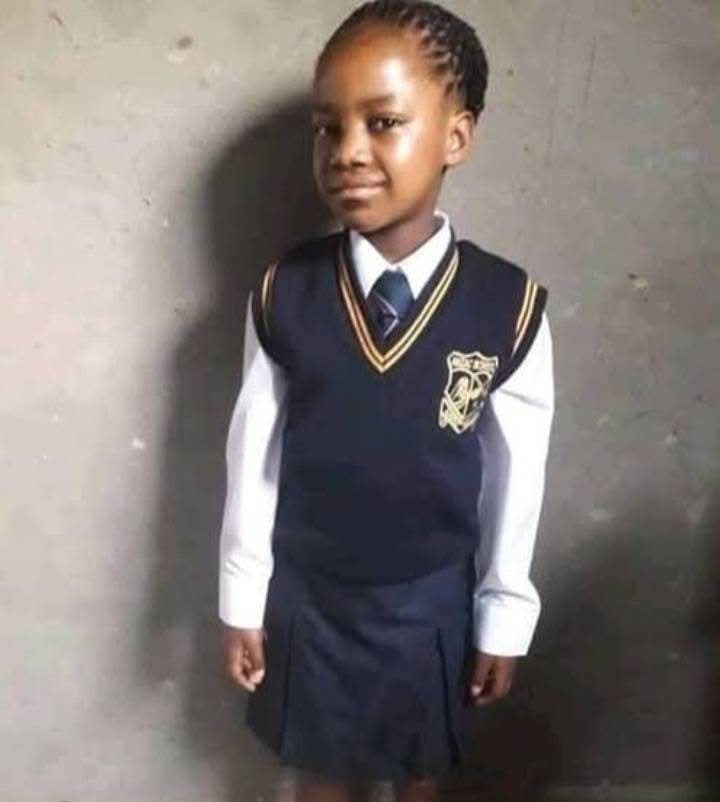
Amahle Thabethe has been missing since July 2019 with no trace. Anytime you see missing posts about her, please always share. I know answers will come about this angel one day. We must never give up. So today, I'd like to bring her up again.
#womenshutdown
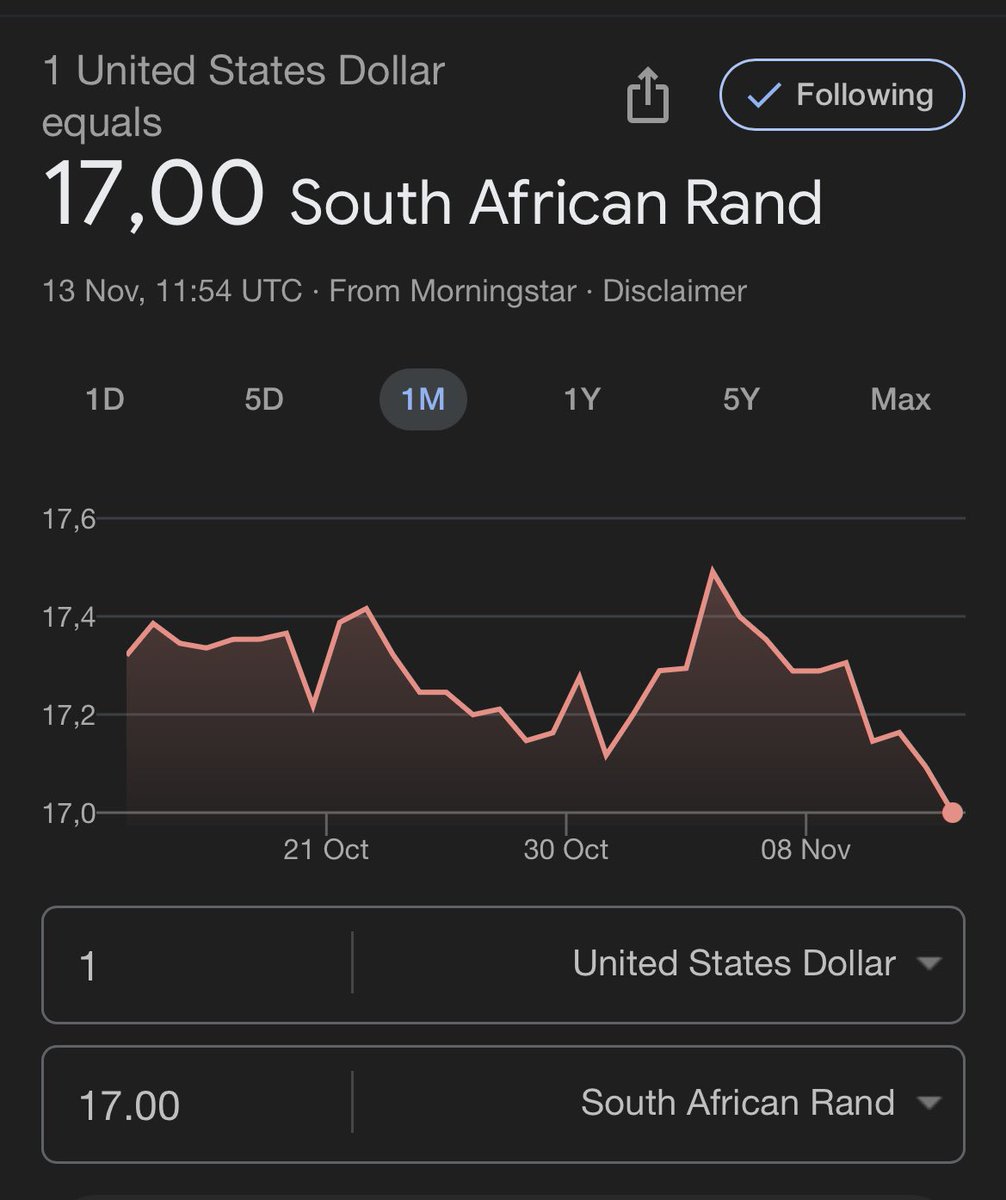
YOU DESERVE TO THE TRUTH AS A SOUTH AFRICAN ABOUT THE RAND MANIPULATION. 🇿🇦 🚧
Between 2007 and 2013, big banks in South Africa and overseas played a dirty game with the rand.
Traders sat in chat rooms and agreed to push the rand up or down a few cents when it suited them. Even a few cents on billions of rands every day made them huge profits. They were basically cheating with our money.
This cheating made the rand weaker and jump around more than it should have. When the rand is weak, everything that comes from outside the country costs more.
And South Africa brings in a lot from outside: petrol, cooking oil, wheat for bread, medicine, parts for machines, phones, fridges, almost everything.
So when the rand dropped because of this cheating, ordinary people felt it every day:
1. The taxi fare went up.
2. A packet of maize meal or a loaf of bread cost R5 or R10 more.
3. Petrol shot up so much that some families had to choose between buying food or putting fuel in the car.
4. Your mother’s blood-pressure pills or your child’s asthma pump suddenly cost double.
5. If you saved a little money in the bank, that money could buy less the next month.
Poor families suffered the most. Many spend more than half their money on food and transport. When those prices jump, they eat less, or children go to bed hungry.
The rich were fine. They move their money overseas or own shares that go up when the rand falls.
But the taxi driver, the cleaner, the security guard, the pensioner, they just pay more and have no way to protect themselves.
Ten years later, most of the banks are still fighting in court. Only two or three have paid small fines. The others say “we did nothing wrong” or “you can’t prove it.”
Many South Africans are angry because it feels like the big guys broke the rules, made the country poorer, and are walking away without punishment.
The rand is weak today for many reasons, load shedding, corruption, slow economy, but people still remember how the banks made things worse on purpose.
Every time the rand falls sharply now, people say: “Here we go again, they’re playing with our money.”
That is why this rand cheating matter hurts so many ordinary South Africans, even years later. It made life more expensive and showed that the system often protects the powerful, not the people in the street.
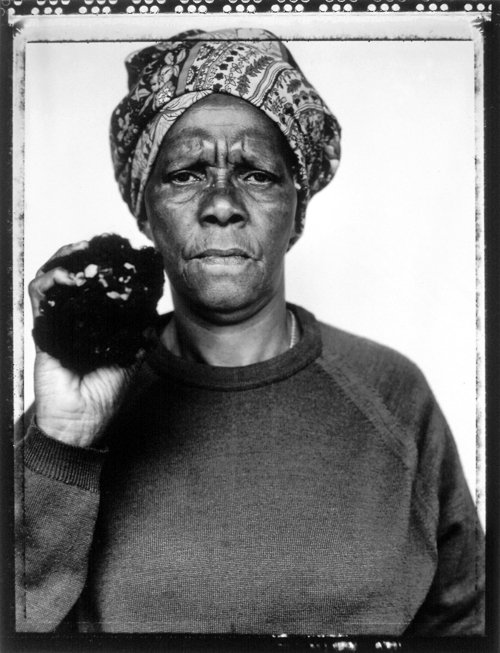
Joyce Mtimkulu holding a piece of her late son, Siphiwo's hair, that had fallen out after he was poisoned by security police in 1981. A year later he was kidnapped, drugged, shot execution-style and burned on a wood pyre at the age of 22, as revealed by security police at the Truth and Reconciliation Commission (TRC). Photographer: Jullian Edelstein / UCT Photography Collection
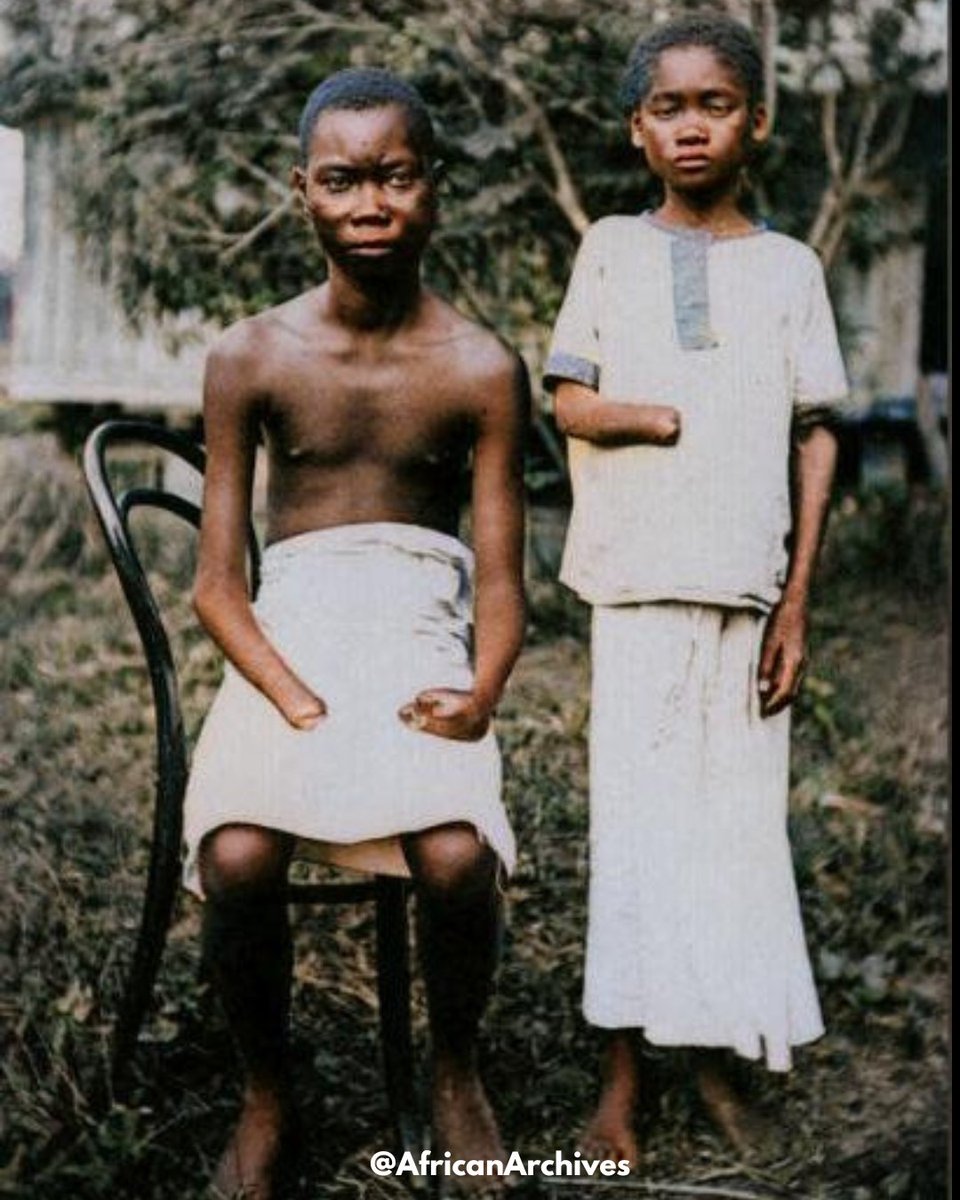
His name was King Leopold II of Belgium. He raped women, chopped body parts and killed over 15 million Congolese for enjoyment. He killed children, women, ostracized men, left hundrends and thousands wounded. He put Africans in cages, saying they behaved like animals. The most evil man to have ever lived. He died in 1909 and should be known by every single generation in Africa.
Her name was Anarcha Westcott. You won’t find her in history books, but her suffering shaped modern medicine. Anarcha was just 17 years old; she was enslaved and had just given birth.
The birth left her body torn and wounded. She was in agony, bleeding, and in desperate need of care. Instead of receiving care, Anarcha was taken to a doctor, not to help her but to use her. His name was Dr. J. Marion Sims.
Today, some call him the father of modern gynecology. He didn’t see Anarcha as a girl or as a human being. He saw her as an experiment. He performed over 30 surgeries on her without anesthesia, without her consent, and without mercy. She screamed through every cut. Her body was opened again and again. Her pain was ignored because she was a slave.
Her body became the foundation for tools, techniques, and procedures used in gynecology to this day. He became famous. Hospitals were named after him. Statues were built in his honor. But Anarcha? She was forgotten. No recognition. No statue. Not even justice. Her name deserves to be known. Her voice deserves to be heard. This is her story, and we’re finally telling it.
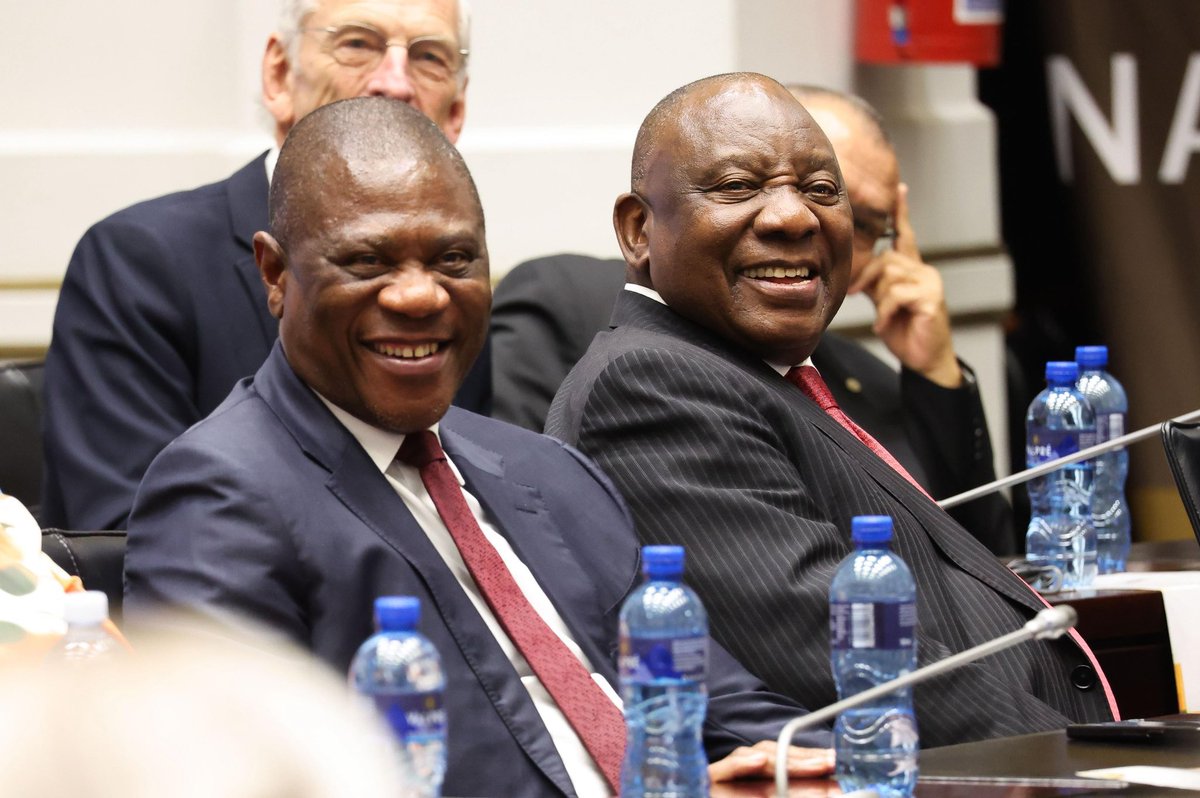
Weeks before Rand Water shutdown in Joburg's water supply and forced residents to queue with buckets, one of the winners of the R263-million water tanker tender was in Paris, just steps behind Deputy President Paul Mashatile.