Environmental Blog and Website, talking about all things environmental! 🌿🌿🇮🇪
Posts by @Sinead_irl +@ryan_sciguy
Insta: mass_spectators
FB: @massspectators
Following us on twitter? Why not give us a follow on our insta? You'd be crazy not to! 🤪
Check out our pictures 📸
Follow us on Instagram! Username: mass_spectators
https://t.co/CyLFoUBdG9
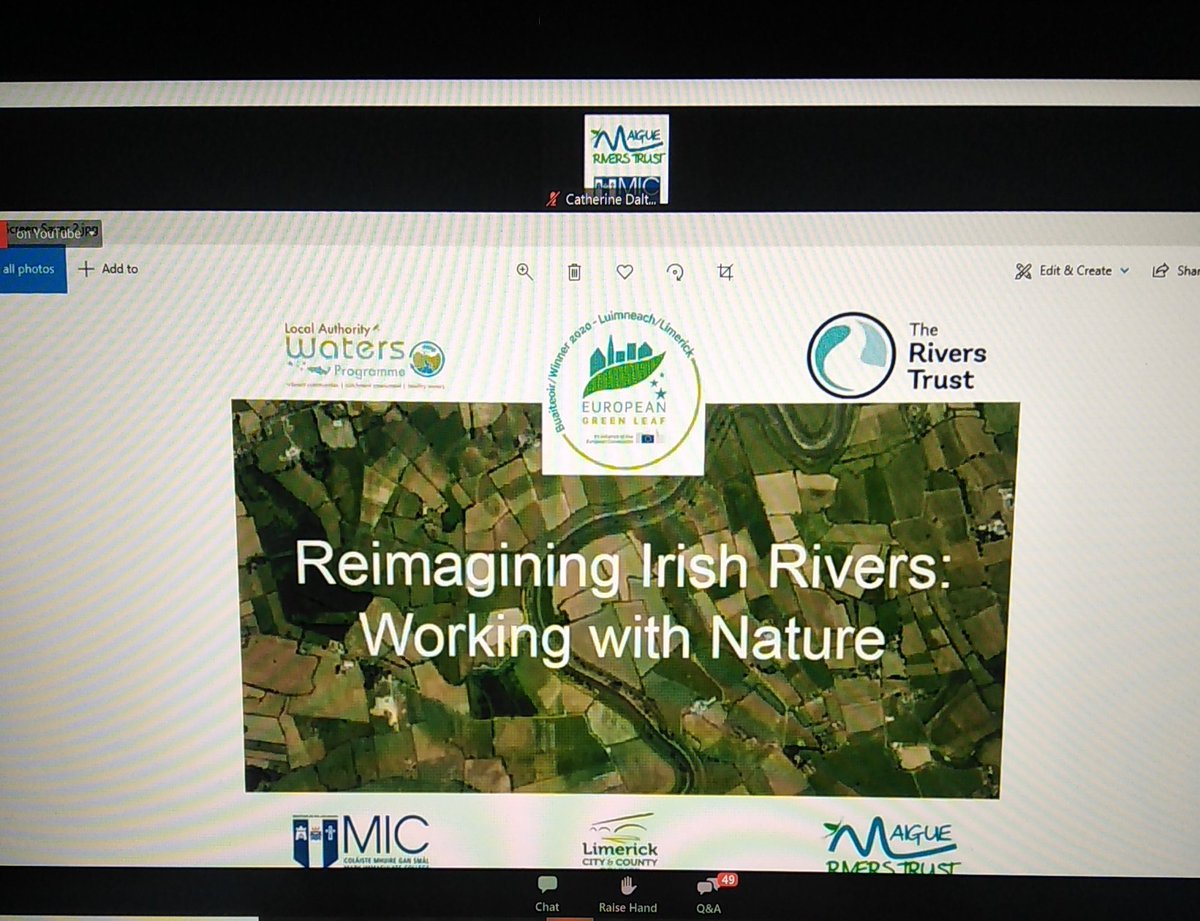
🚨Live Streaming on YouTube!🚨 Not too late to catch this conference on Reimagining Irish Rivers: Working with Nature 🌲🌳🏞️🐟 with @LimerickCouncil@WatersProgramme
https://t.co/5VQzawPmng
A walrus was spotted ashore at Knightstown, Valentia Island, Co. Kerry today. This Artctic species is an infrequent visitor to Irish waters, with 11 records in our database, dating back to 1897. #ExploreYourShoreIRL at https://t.co/kRStl5Mk06
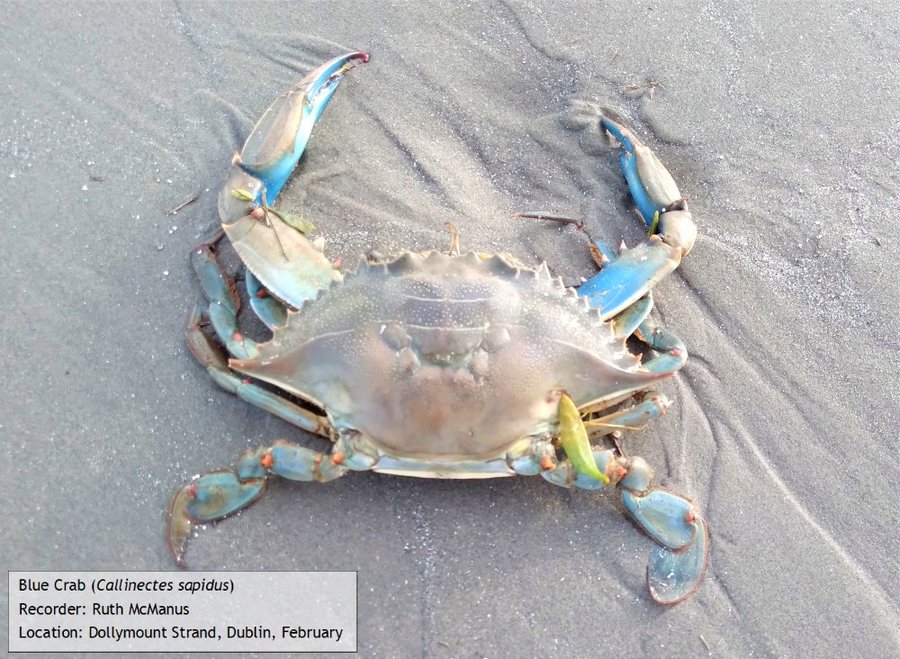
Have you spotted a Blue crab on our shores lately? If so, please report suspected sightings with photo if possible https://t.co/wFo52ArWsi Trying to find out if this was a one-off occurrence or are there more out there #ReportInvasives Don't release non-native species to the wild
Well done @itsligo@QUBelfast@INVASBio team on publication of EPA Research 368: Prevention, Control and Eradication of Invasive Alien Species report https://t.co/zZEpgOQV1E. Delighted to have been part of the Steering Committee. #ReportInvasives https://t.co/wFo52ArWsi
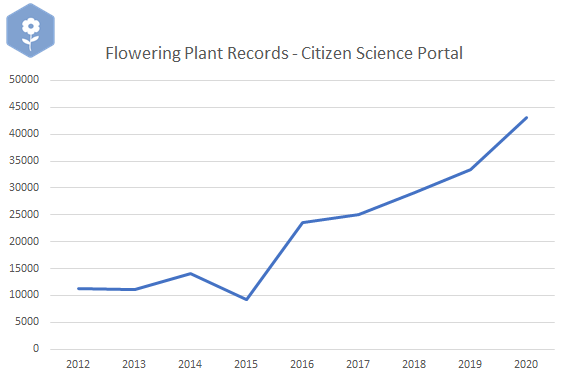
Flowering Plants are another group that seen an increase in recording activity during 2020 (Check the chart below for the trend from 2012-2020).
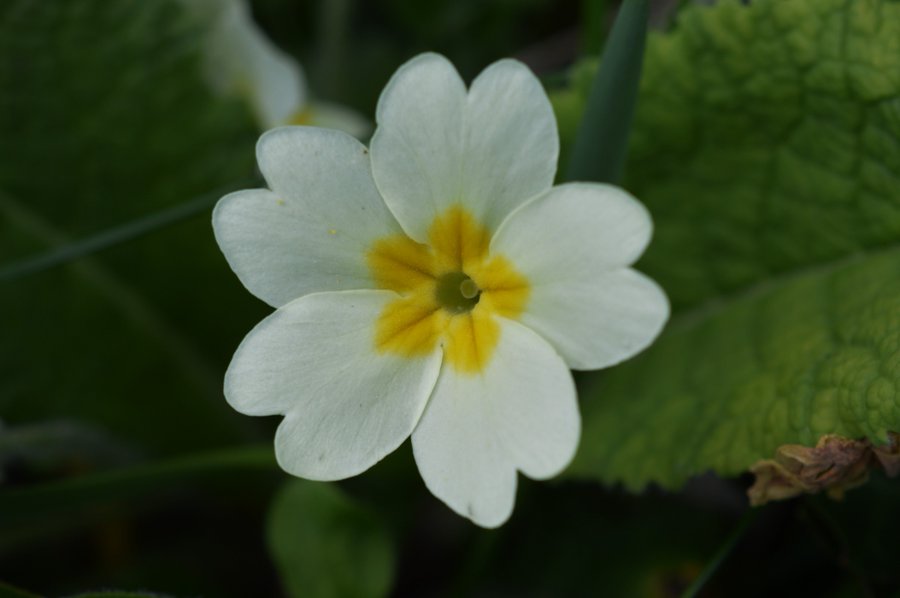
The two most recorded species were Lesser Celandine and Primrose, both of which are included in our #SpringFlowersProject
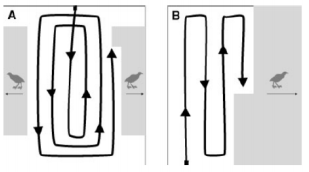
Corncrake friendly mowing is one of the most effective means of protecting corncrakes. The birds are reluctant to cross open ground, so mowing outwards towards refuge areas (rather than outside to inside) decreases mortality. Refuge areas of >10m wide are most beneficial.
It's once again getting to that time of year for the #SpringFlowersProject - this project is really easy to take part in, there's now 20 species to record, most of which are very distinctive.
Check out our 2020 Newsletter and plans for 2021 here: https://t.co/RvY7QYjqTS
Alert! Sacred Ibis @KiltybaneLake, Newry posted by @BrianCrunchie 2day. This is one of 66 invasive species regulated across the EU & an alert species if seen here. PLEASE report sightings in RoI https://t.co/7sZPFFUGJb & in NI https://t.co/vtsbrbG9pU #ReportInvasives @npwsbiodata
The Aurora Borealis, or Northern Lights, are expected to be visible from Ireland this week. Here's a pseudo satellite image for tonight: with plenty of clear spells on the cards for tonight take a look towards the north and see if you can spot them.
Its #wildlifewednesday and today's species is the Barn Swallow (if we ID'd it correctly from the ground!) (Hirundo rustica)
These were caught creating a nest on the house gable back in late Spring, not our best… https://t.co/6a4GrL6ZwY
Take a look at the 2020/21 storm season names published by @MetEireann, @metoffice & @KNMI today - some very interesting names and a great way to keep people safe during storm season!
Met Éireann, along with UK Met Office and KNMI (the Dutch National Weather Service), have released the list of storm names for the 2020-21 storm season
https://t.co/UKZtRwqro1
#StormNames#Stoirm
Its #meteorologymonday and today its crepuscular rays 🌤
This is a lovely optical phenomenon that are visible due to minute particles like dust or gas being present in the lower atmosphere and causing the light to… https://t.co/fEZOZWJ7ya
Its #wildlifewednesday and today we have the European Crane Fly or Marsh Crane Fly (Tipula paludosa)
These true craneflies are everywhere about now and are such an interesting insect! They resemble mosquitoes… https://t.co/LLBei34xOg
Important work by @MetEireann & @Maynoothgeog students to recover 1.3 million daily rainfall observations taken in Ireland between 1860-1940s
New paper published in Geoscience Data Journal 👉https://t.co/QP8Yxco1Ao
Support from @IrishResearch, RIS, @MaynoothUni, @ICARUS_Maynooth
Its #meteorologymonday and today its Cumulus humilis (Cu hum) - these are common clouds found throughout our planet and are formed from thermals rising from the ground and then created from condensation nuclei like… https://t.co/XBgE7AspNz
Its #wildlifewednesday and today we are showing off the wonderfully coloured Six-spot Burnet (Zygaena filipendulae)
There was so many of these moths landing on ragwort on our walk through the local sand dunes this… https://t.co/qdNRNuht9P
Its #meteorologymonday and today it's the turn of Altocumulus translucidus (Ac tr)
This cloud type is usually seen in large groups that can cover the sky but we caught our own little group hanging over head this… https://t.co/ldBh77qHhI
Water mint (Mentha aquatica) agus Mismín mionsach as #Gaeilge is biodatacentre #SpeciesADay
Found this and loads more while I was out surveying today! These can be found in wetter areas and have a lovely mint… https://t.co/aLFK2F2taW