Climate change is undermining maternal health in high burden settings. In our new publication in the Malaria Journal, we show how floods and droughts disrupt ANC, reducing uptake of ≥3 IPTp-SP doses for malaria prevention in pregnancy. https://t.co/BSVMxTcQmP
Sharing a new publication with colleagues in PLOS Climate showing how climate change is disrupting access to maternal health services. https://t.co/yL7iuCX4DT
What does it take to end FGM faster? Evidence.
At #CSW70@MatandaDennis shared insights from Kenya showing how real-world data is shaping smarter, scalable interventions.
You can read more on the study
https://t.co/KGlT1wOnxm
At the 2026 CSW70, New York, we shared what’s working to end female genital mutilation (FGM) based on research from Kenya. The message is clear: using data & evidence from real-world implementation helps us design smarter programs that can be adapted and scaled to end FGM faster.
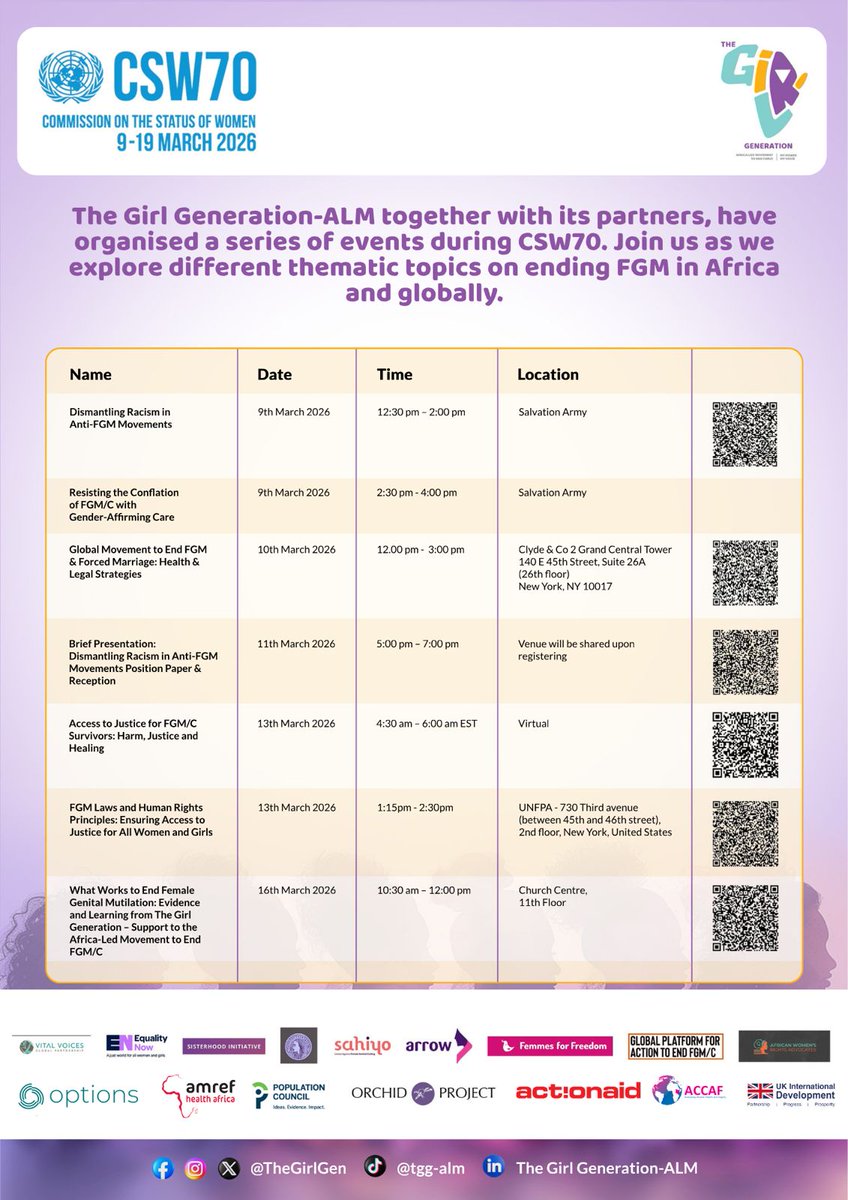
In New York? Join us as we discuss emerging evidence from implementation research on what works to end female genital mutilation (FGM). Mark the date, March 16 and see poster for details.
In this newly published editorial in BMJ, together with colleagues, we remind the world that ending Female Genital Mutilation (FGM) by 2030 is possible, but only if we accelerate action now. https://t.co/LVo4PzNVen
We are honored to have Mr. @MatandaDennis representing us to discuss our approach to utilizing data for adaptation rather than mere reporting, and to share insights on influencing knowledge, beliefs, and behavior.
Today is #InternationalDayoftheGirlChild but is every girl free from violence?
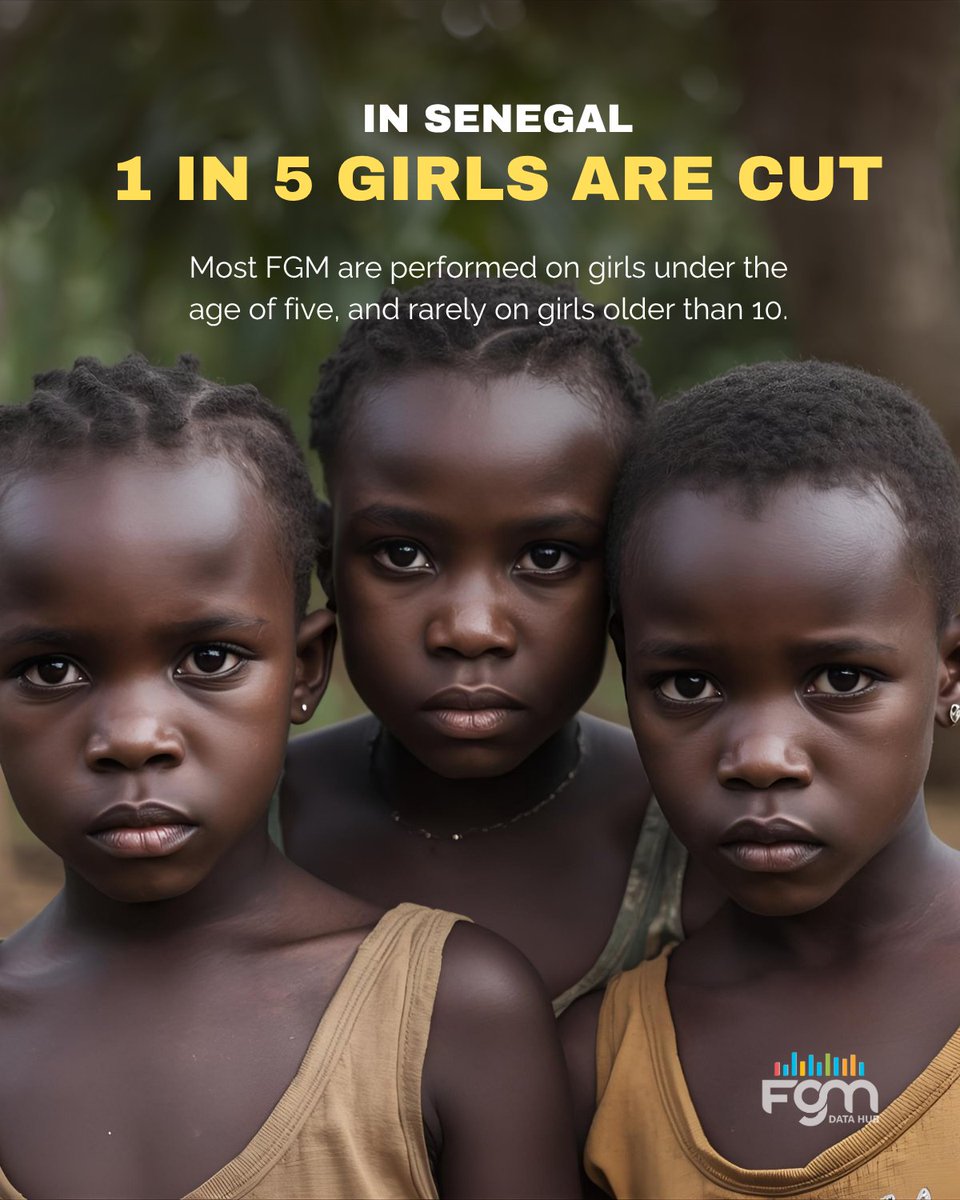
Over 230 million girls and women have undergone FGM and Africa accounts for the largest share of this total, with over 144 million!!
Every girl deserves to live free from fear and harm!
#endFGM
Stop guessing, start acting!!
Dr. @MatandaDennis from @FGM_Data_Hub@Pop_Council walked the Boards through the "Global Goods" report: 'What Works (and What Doesn’t) to Prevent and Respond to FGM.'
You can download this report: https://t.co/Qvd6BYPGOG
#FGMDATAHUB
Through the Revive IPTp project, we worked with national and county governments in Kisumu and Migori to prevent malaria in pregnancy—showing how community-based approaches can transform health outcomes. https://t.co/HGe4h4Eerg @EDCTP
Over the last 5 years, we’ve worked with county governments of Kisumu and Migori to boost ANC services and malaria prevention in pregnancy. Findings show strong gains in IPTp-SP uptake, correct dosage and awareness, with noted gaps. Full report: https://t.co/ioCWsZv1cG
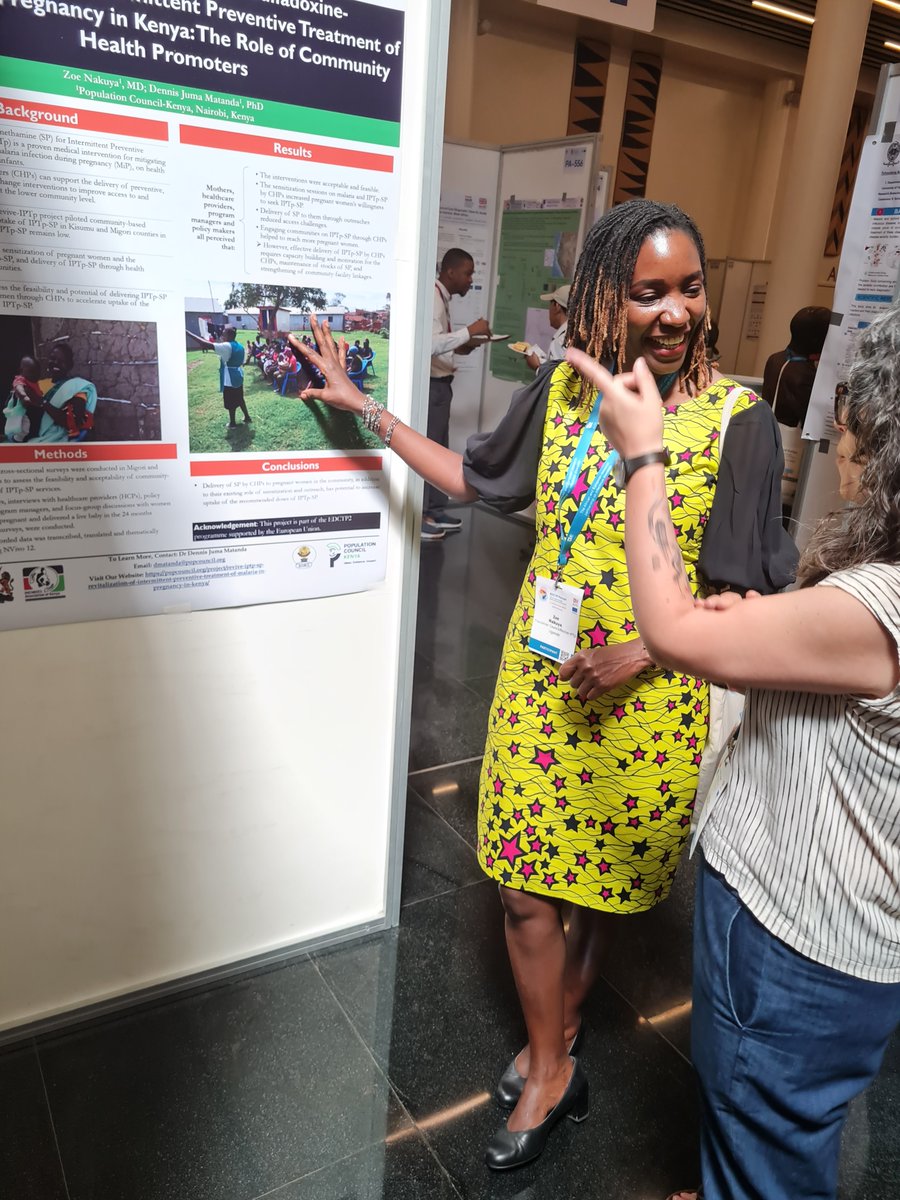
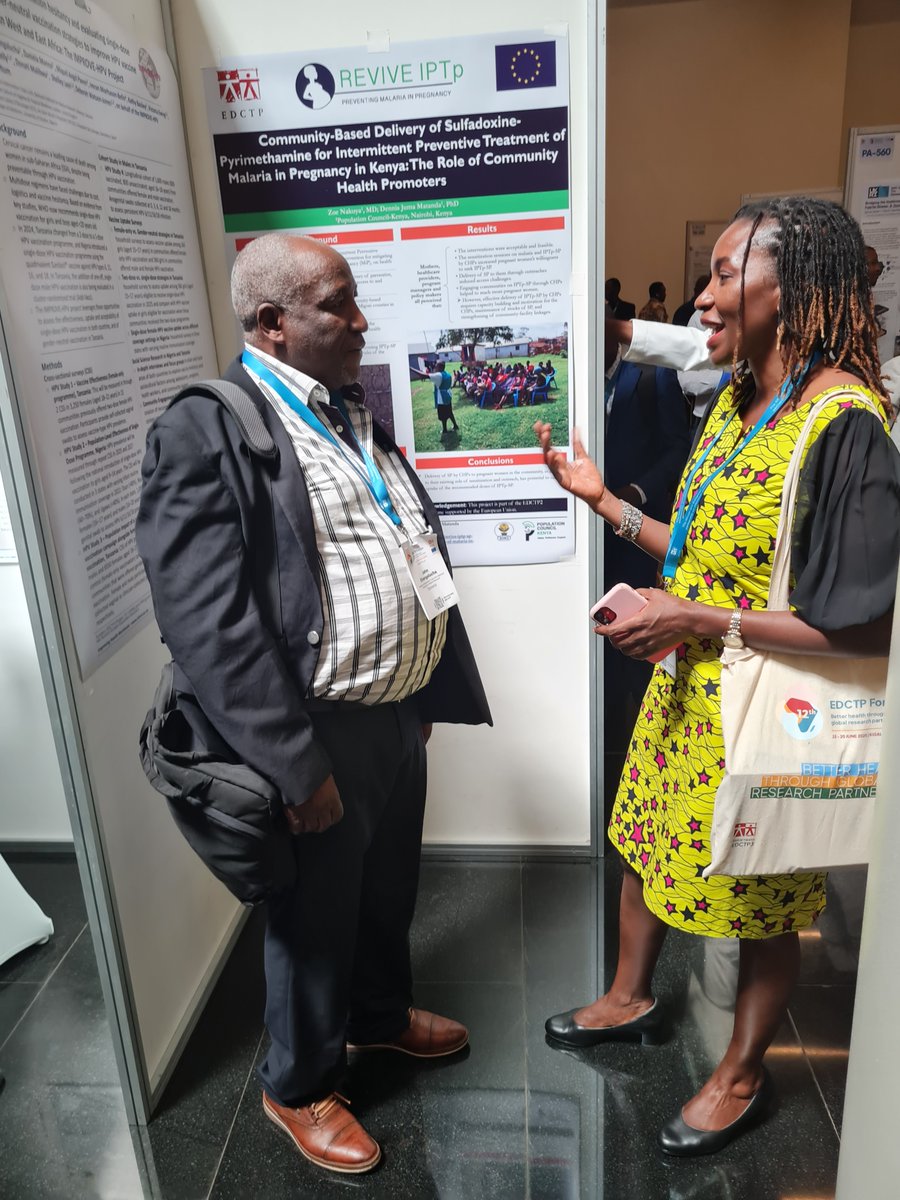
We had a strong engagement at booth PA-318! My colleague, Dr. Zoe Nakuya, shared insights about how community health promoters can play a big role in protecting pregnant women from malaria. #EDCTPForum
The Revive IPTp Project is proudly represented at the 12th EDCTP Forum in Kigali, Rwanda! Visit us at Booth PA-318 to learn more about the vital role of community health promoters in boosting the uptake of Sulfadoxine-Pyrimethamine for malaria prevention. #EDCTPForum
Dr Pauline Bakibinga, I just wanted you to know that your scholarly work continues to shape minds and inspire change. Your passion for urban health, a cause so dear to you, lives on in these pages. Proud to have co-authored a chapter with you before your sudden passing.
CSW69 in NYC was a success! We emphasized the importance of equipping program implementers with simple yet robust and innovative tools for evidence generation. We also shared findings on using indirect methods to assess the effectiveness of interventions aimed at ending FGM.
Today, our @Pop_Council-led @FGM_Data_Hub is in Dakar, actively engaged in a 'National Proof of Concept Workshop.' This event gathered partners to evaluate the evidence that demonstrates the feasibility of our different programmes and how well our approaches are ending #FGM.